Church and Abbey of Javier: A Baroque Parish Church and Priestly Residence
Site at a Glance
- Rating
- 4.7
- Popularity
- Very Low
- Country
- Spain
- Primary era
- Early Modern
- External website
- Open
- Eras represented
- Medieval, Early Modern
- Civilizations
- Kingdom of Navarre, Spanish
- Site type
- Religious
- Remains
- Church
On this page12 sections
History
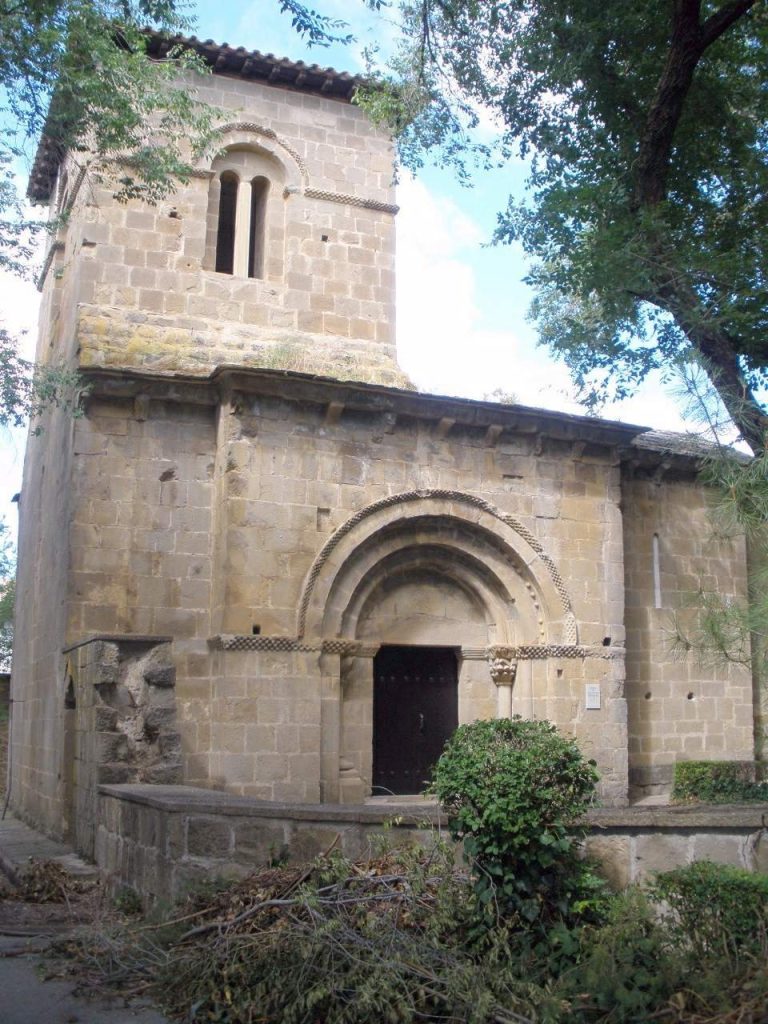
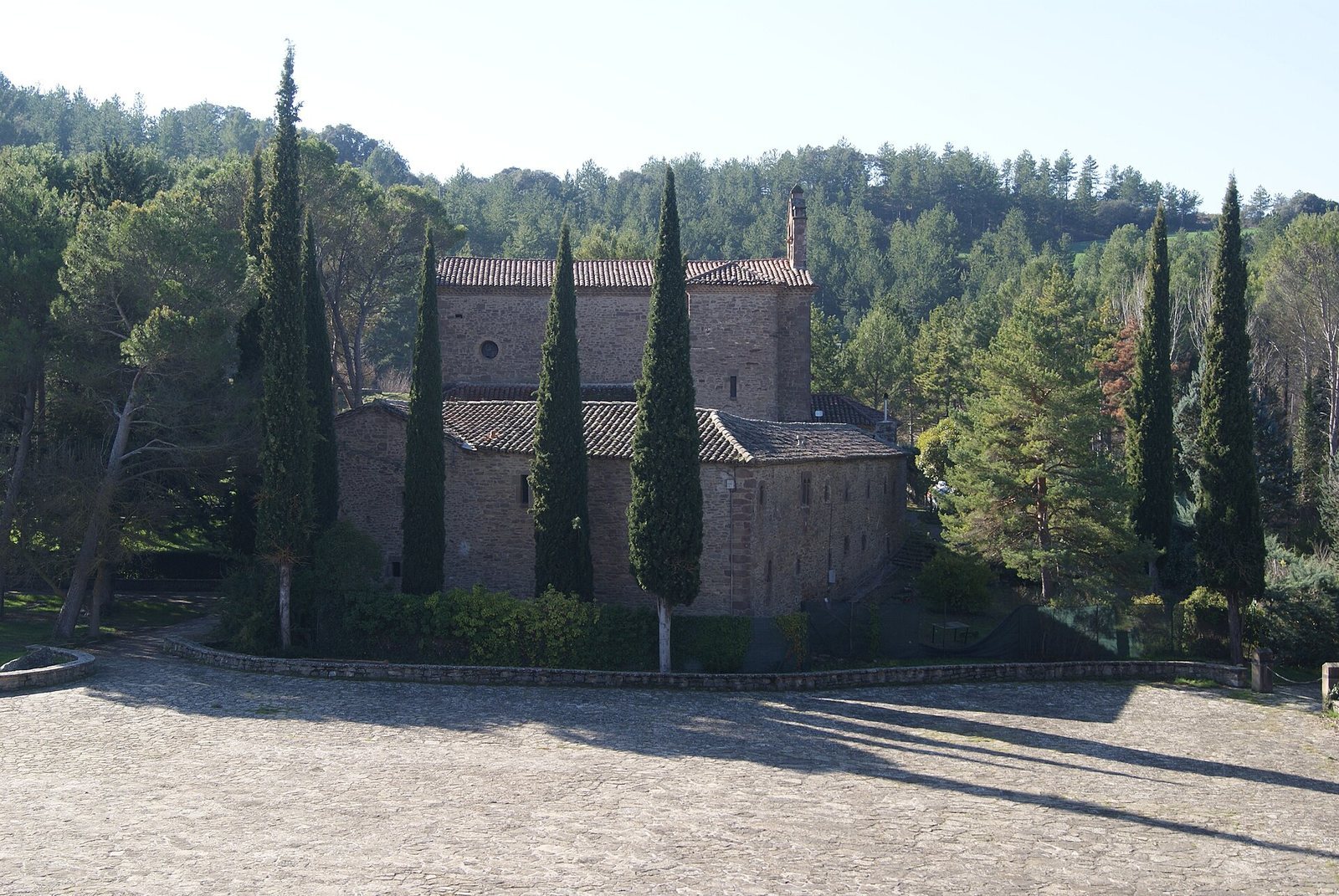
The Church and abbey of Javier in Spain is a Catholic parish church attached to an abbey, with the present Baroque building dating from 1702. Also known as the Church of Santa Maria, it is dedicated to Santa Maria of the Annunciation and forms part of a World Heritage site.
Medieval origins
The abbey or parish church was first mentioned in 1252, when Theobald II, the medieval ruler of Navarre who reigned from 1253 to 1270, donated it in perpetuity to the Aznarez de Sada family. Archaeological work has placed the site within a sequence extending from the Early Middle Ages to the present. An earlier church existed by the end of the twelfth century, although its exact date could not be established.
The Azpilicueta and Jasso families
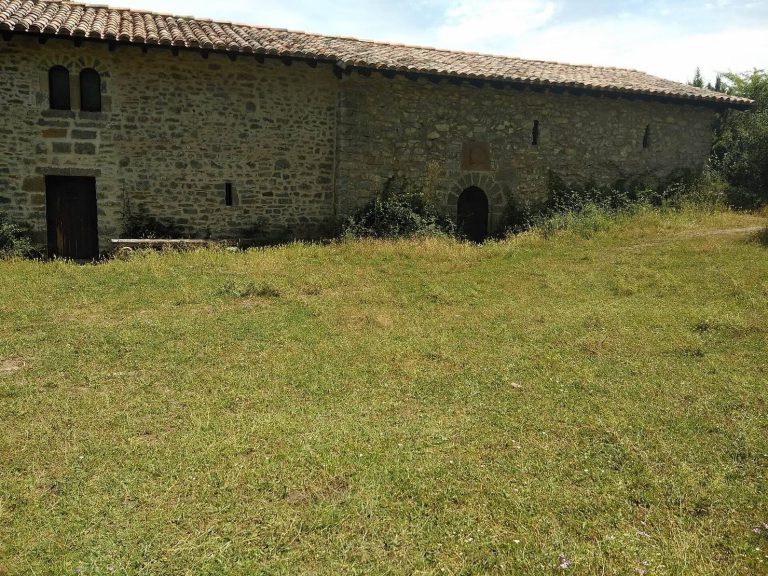
The original abbey building was constructed in the fifteenth century by Juan de Jasso and Maria de Azpilicueta. It served as a residence for the priests responsible for the parish, while the church remained under the care of the religious communities living in the abbey.
The church is closely connected with the family history of Francisco de Jaso y Azpilicueta, later known as Saint Francis Xavier, a sixteenth-century Navarrese Catholic missionary and Jesuit saint. In the fifteenth century, Juana Aznarez de Sada married Martin de Azpilicueta. Their daughter Maria later married Juan de Jasso, and their son Francisco was born at Javier Castle on 7 April 1506. Tradition identifies the baptismal font now kept in the parish church as the one used for his baptism.
Rebuilding and later religious use
The present church was built in 1702 over an earlier structure, probably medieval or dating from the beginning of the sixteenth century. The abbey later housed the Oblates of Christ the Priest for four decades, from 1971 to 2011. The church is also associated with the Daughters of the Holy Family.
Archaeology and conservation
Archaeological interventions took place between December 2004 and February 2005 before the church was renovated in 2005. They established the sequence of occupation beneath the building, including earlier structural elements and burials. The investigation was limited to the interior, so structures continuing beyond the church were not fully examined.
Remains
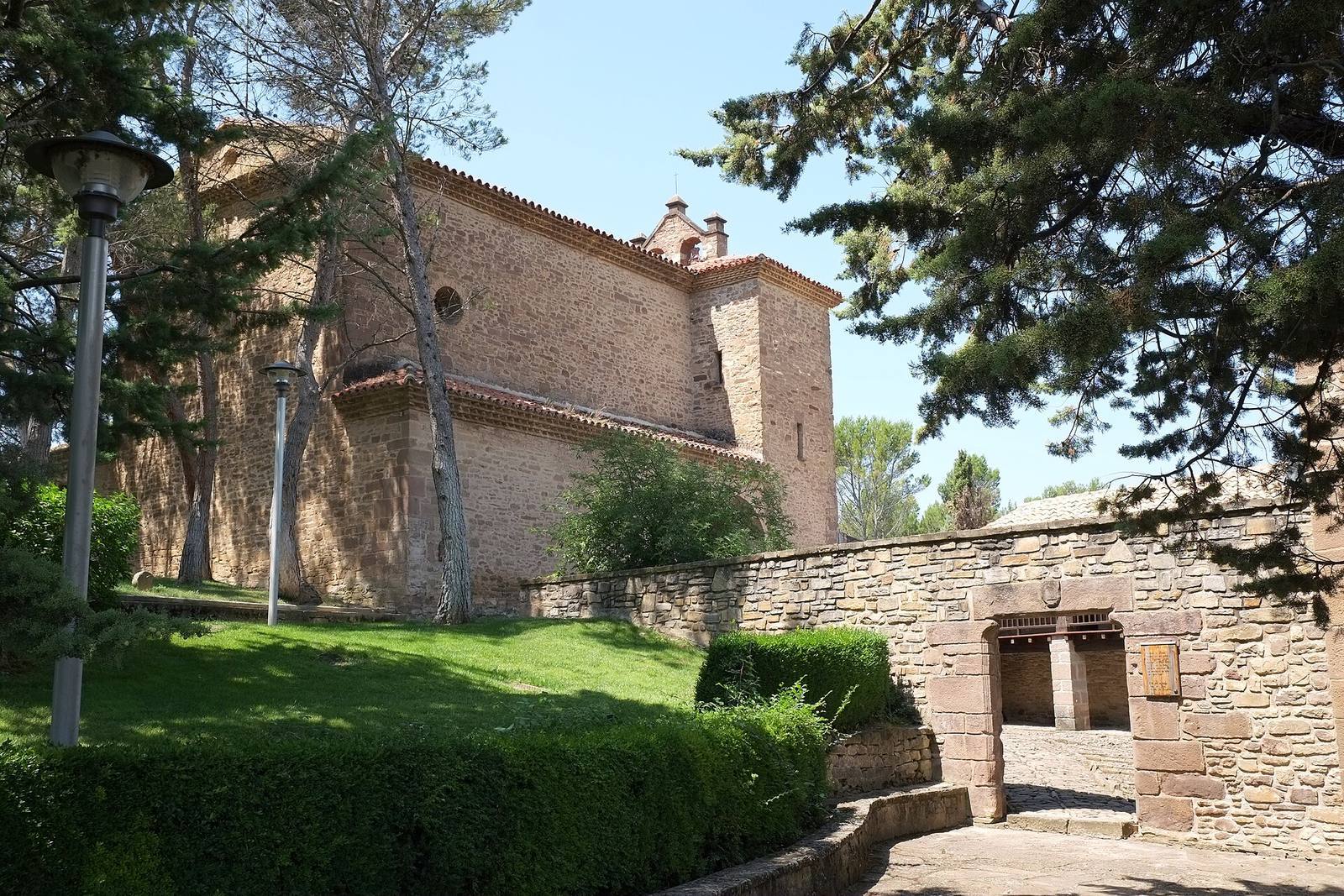
The surviving church has a rectangular plan formed by a single nave divided into three bays and a straight-ended chancel. It is built in rubble masonry, with ashlar blocks at the corners and in the bonding courses. Three lateral chapels open along the nave, two on the Gospel side and one on the Epistle side. These traditional terms identify the two sides of a Christian church according to the locations from which the Gospel and Epistle readings were historically proclaimed.
Church interior
Vault and chapels
The nave is covered by a half-barrel vault, a continuous semicircular or segmental vaulted roof, with lunettes, or curved openings and recessed forms cut into the sides of a vault. Semicircular transverse arches divide and support the interior overhead structure. The arrangement belongs to the present Baroque church.
Altarpieces and tombs
The central altarpiece stands in the flat-ended chancel and dates to around 1754. It is attributed to Francisco Roman or Jose Coral, with its polychromy, the application of several colors to a sculpture or architectural element, by Juan Antonio Logrono. Its lower section contains paintings of the Annunciation, Saint Ignatius of Loyola, and Saint Francis Xavier, while a painting of the Crucifixion is placed above the Annunciation. A carved wooden statue of Santa Maria of Javier, from the second half of the thirteenth century, presides over the high altar.
Two lateral altarpieces date from 1674. One is dedicated to the Sacred Heart of Jesus, and the other depicts the Virgin Mary learning to read with her parents. A seventeenth-century Crucifix stands above the tomb of Violante de Azpilicueta, the sister of Maria de Azpilicueta. The church also contains the tomb of the lords of Javier.
Baptismal font
At the rear of the church is a fifteenth-century baptismal font traditionally identified as the font used for the baptism of Francisco de Jaso y Azpilicueta. It is octagonal and Late Gothic in style, with carved shields and circles.
Archaeological remains
Excavation beneath the parish church revealed burials and earlier structural remains. During the second phase, the entire nave was excavated to a depth of 40 centimetres below the original floor level. The work clarified the development of the building from the Early Middle Ages onward, while its confinement to the church interior left related structures beyond the building only partly investigated.
Abbey complex
A commemorative plaque marking the foundation of the abbey is associated with the complex. Outside the abbey stands a discoid funerary stele, a circular or disk-shaped stone associated with burial.