Týn nad Vltavou Château: An Archiepiscopal Estate Residence in Czechia
Site at a Glance
- Rating
- 4.6
- Popularity
- Low
- Country
- Czechia
- Primary era
- Early Modern
- External website
- Open
- Eras represented
- Early Modern
- Civilizations
- Holy Roman Empire, Kingdom of Bohemia
- Site type
- Religious
- Remains
- Palace
On this page9 sections
History
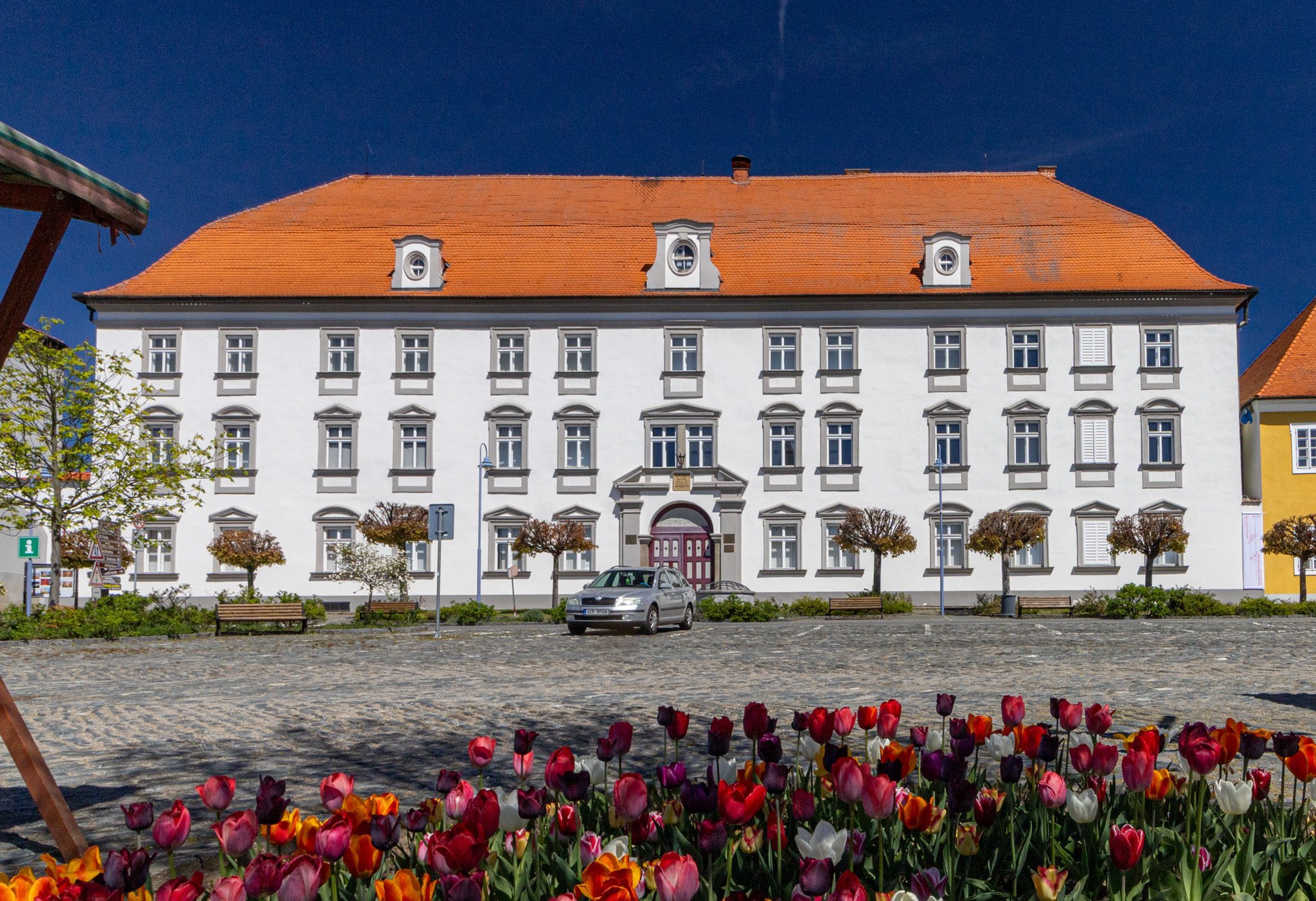
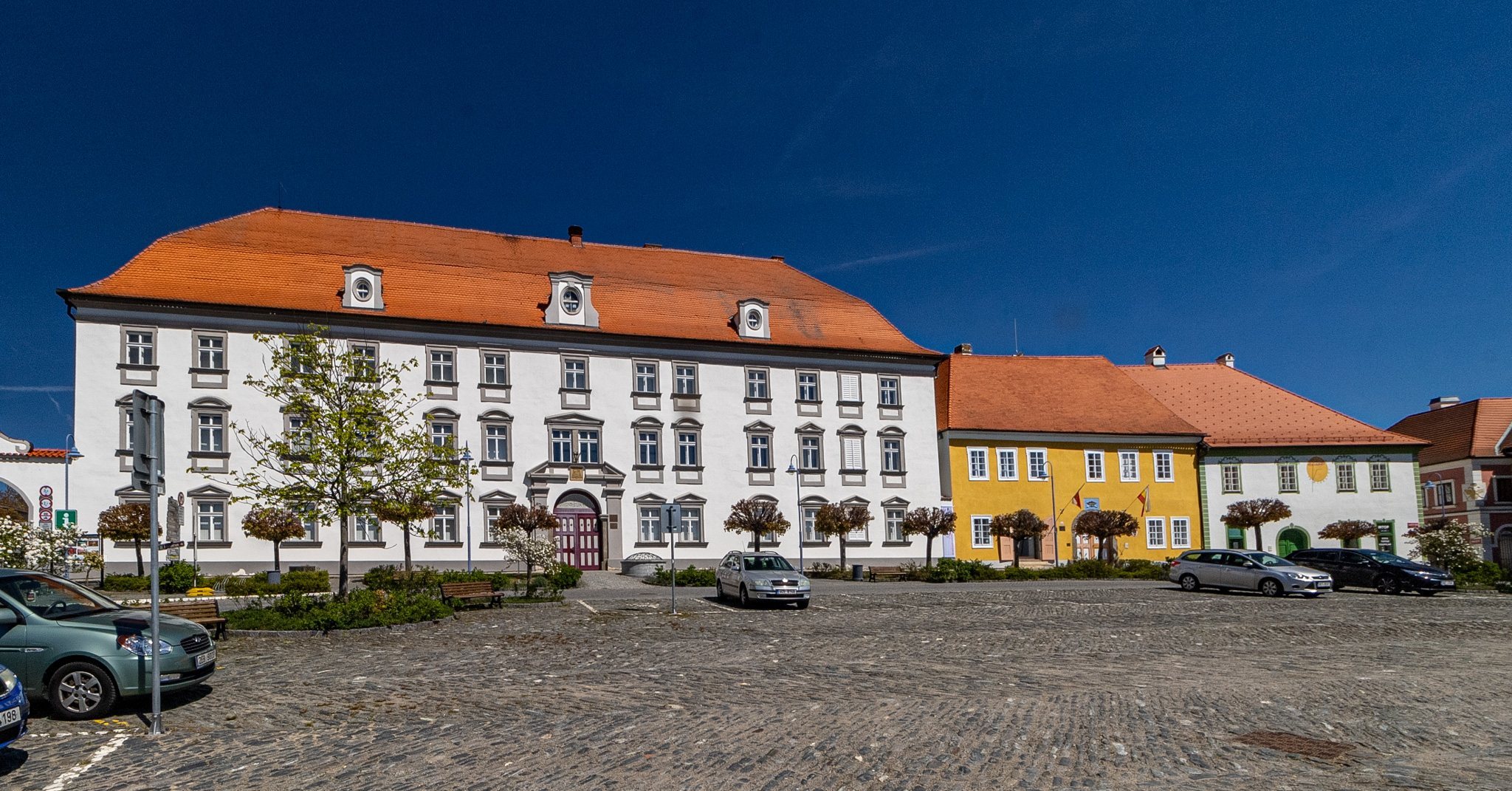
Týn nad Vltavou Château is a former archiepiscopal residence in Týn nad Vltavou, Czechia, built in 1698–1699 in the Baroque period for the administration of the town estate belonging to the Archbishopric of Prague. The new building replaced a derelict castle destroyed during the Thirty Years’ War, the European conflict fought from 1618 to 1648.
Construction for the archbishopric
Construction was ordered by Jan Josef Breuner, Archbishop of Prague from 1695 to 1710. The residence was designed by Antonio de Allfieri and occupied the site of three older houses. One had belonged to Matyáš Arnošt Kherner, a former estate governor, while the other two were separate properties. The archiepiscopal administration confiscated Kherner’s house immediately after his death in 1661 as compensation for damage he had caused the archbishopric while holding office.
The château served both administrative and residential purposes. The archbishops maintained richly furnished apartments on the first upper floor for journeys through southern Bohemia. Empress Maria Theresa was probably lodged there during her visit to Týn in 1753.
Fire, remodelling, and later uses
A fire damaged the building in 1796, after which it was remodelled in the Classicist style. Classicism favoured more restrained forms based on ancient Greek and Roman architecture, and the rebuilding gave the château features from a later architectural period alongside its Baroque elements.
During the nineteenth century, representatives of the Archbishopric of Prague visited Týn only rarely, and manorial officials became the château’s principal users. In later years, the building housed a school. It is now owned by the town of Týn nad Vltavou and functions as the municipal museum. The château is a protected cultural monument within the town’s urban conservation zone, and the adjoining complex also has protected status.
Remains
Building and grounds
Château building
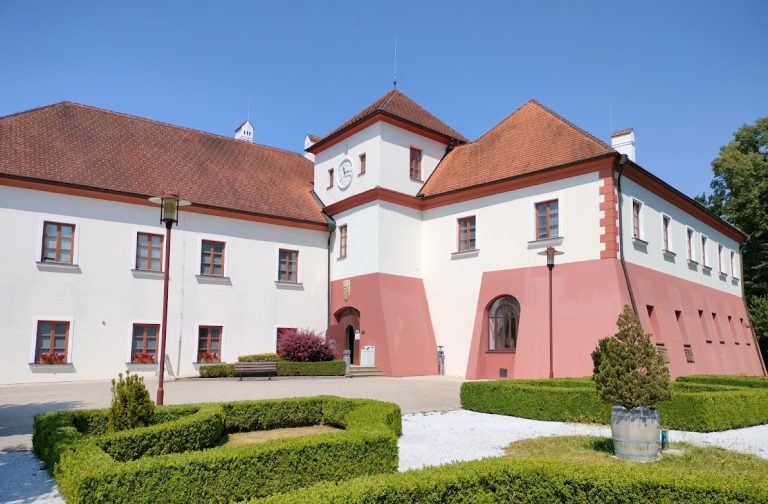
The château is a two-storey structure that combines Baroque and Classicist features. Its mansard roof dates from the rebuilding after the 1796 fire. A mansard roof has two slopes on each side, with the lower slope steeper than the upper, creating additional usable space beneath it. The building stands on the northern slope of the town square in the historic core, on the ground once occupied by the three earlier houses.
Vaulted ceilings survive on the ground floor, while the upper floors have flat ceilings. Original interior structures include a two-flight staircase. These surviving elements preserve parts of the building’s earlier internal arrangement despite the later remodelling.
Gardens and water system
Gardens for manorial officials and a director’s garden were laid out behind the château at the beginning of the nineteenth century. The director’s garden contained a greenhouse and flower beds. A new piped water system supplied it with water from the Týn nad Vltavou brewery.
Cellars and underground passages
Extensive underground passages cut into the bedrock lead into the cellars beneath the château. A municipal information center behind the building provides access to Týn nad Vltavou’s historic underground.
Museum interiors and collections
The municipal museum occupies the château and presents exhibitions on the history and notable personalities of the Vltava-Týn region. Its regional displays include material concerning film director Alfréd Radok. Other exhibitions focus on moldavites, natural glass formed by meteorite impacts and found chiefly in parts of Central Europe, and on puppetry, with an extensive presentation on the second floor.