Hradiště U Svaté Anny: A Bronze Age Hillfort in Czechia
Site at a Glance
- Popularity
- Very Low
- Country
- Czechia
- Primary era
- Bronze Age
- Eras represented
- Bronze Age
- Civilizations
- Unclassified
- Site type
- Military
- Remains
- Fort
On this page4 sections
History
Bronze Age occupation
Hradiště U Svaté Anny is a prehistoric hillfort on the eastern edge of Neznašov in Czechia. Its principal occupation took place around the transition from the Early to Middle Bronze Age. Its position appears to have helped control a trade route along the Vltava River.
The site was also used during the Late Bronze Age, although the nature of that activity is unclear. Its remains are protected as a cultural monument.
Archaeological investigations
Josef Ladislav Píč first described the hillfort in the 1890s. A surface survey in 1952 by František Prošek and Eva Jílková recovered a small amount of pottery, which they dated to the Early Hallstatt period, an Early Iron Age phase in Central Europe. After a small excavation, Antonín Beneš instead assigned the site to the Early Middle Bronze Age. Pavel Břicháček found Early Medieval pottery sherds there in 1985. Research in 2015 identified the transition between the Early and Middle Bronze Age as the main occupation phase.
Remains
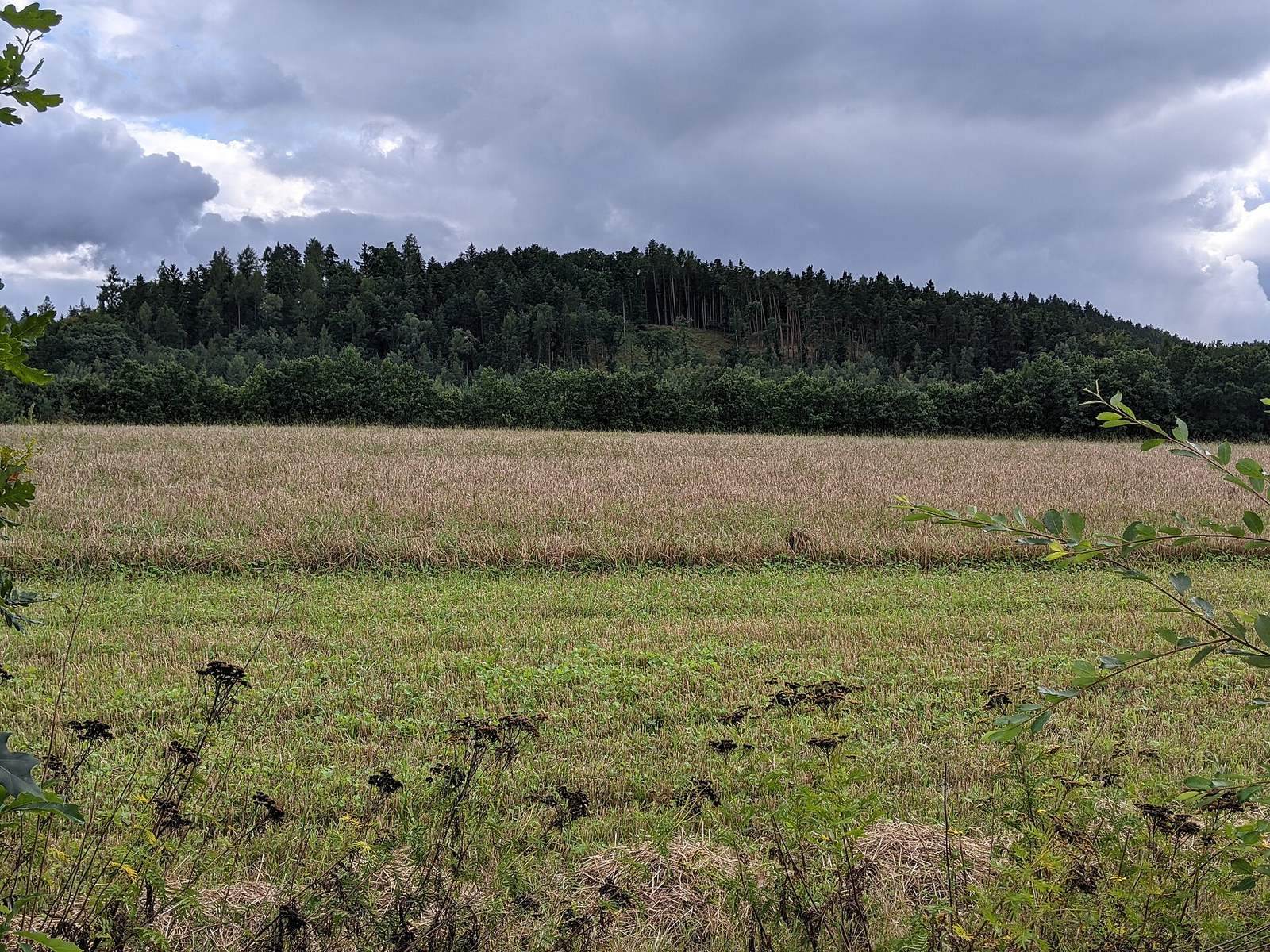
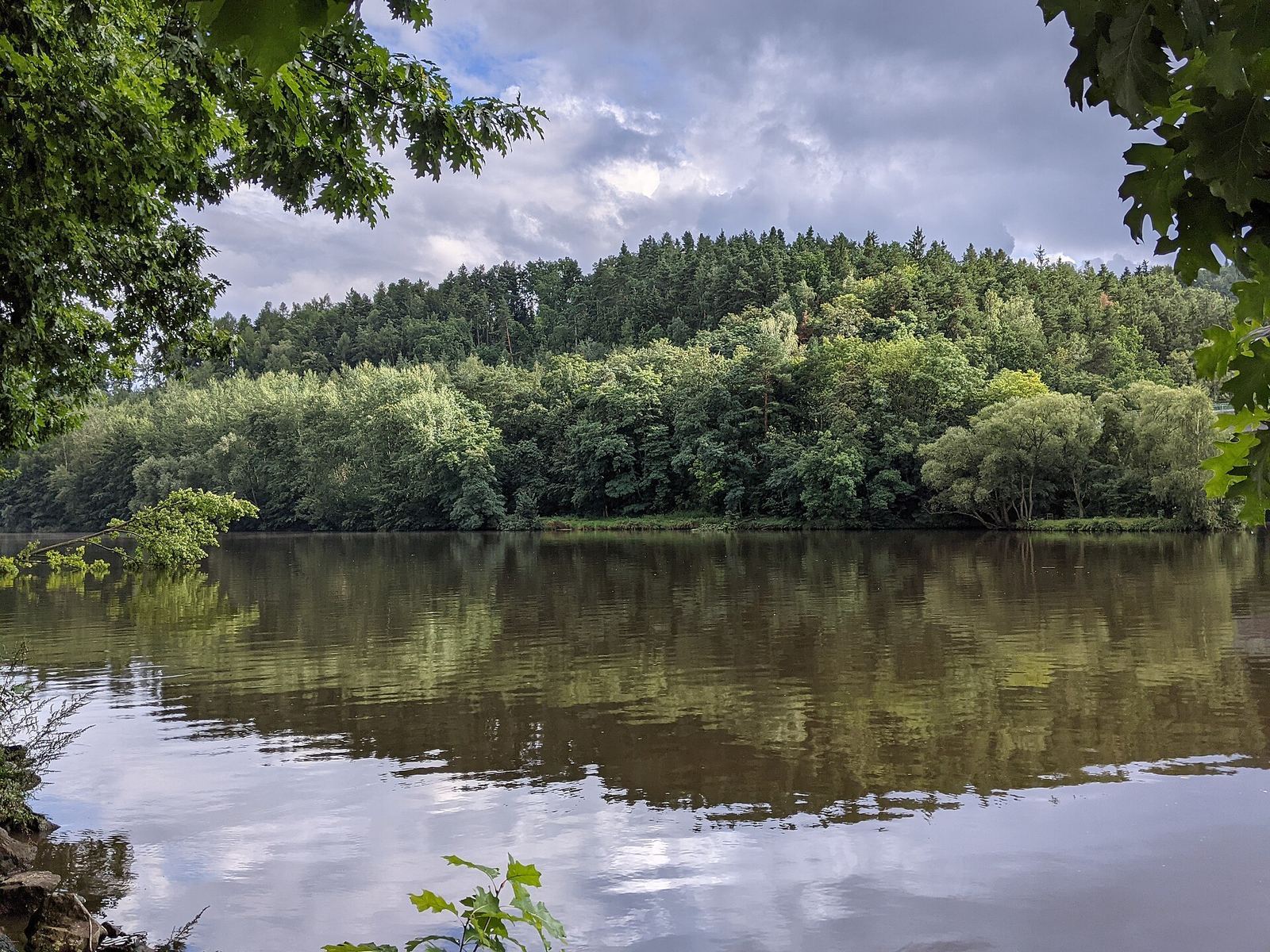
The hillfort covered about 0.7 hectares on a promontory in the Tábor Uplands, above the confluence of the Vltava River and Bohunický Stream. The site lies about 300 metres south of the Vltava–Lužnice confluence and northwest of Malá Strana in Týn nad Vltavou; the promontory slopes down to the north.
An outer ditch and fortification defended the more accessible southern approach. A natural rocky ridge was incorporated into the defenses. The surviving earthen rampart is more than 50 metres long and reaches up to 6 metres in height. Its ends curve northward and gradually meet the natural edges of the promontory. The rampart summit, at 407 metres above sea level, is the hillfort’s highest point.