Žabljak Crnojevića: A Fortress Town and Capital of Zeta
Site at a Glance
- Popularity
- Medium
- Country
- Montenegro
- Primary era
- Medieval
- Eras represented
- Medieval
- Civilizations
- Ottoman
- Site type
- Military
- Remains
- Citadel
On this page7 sections
History
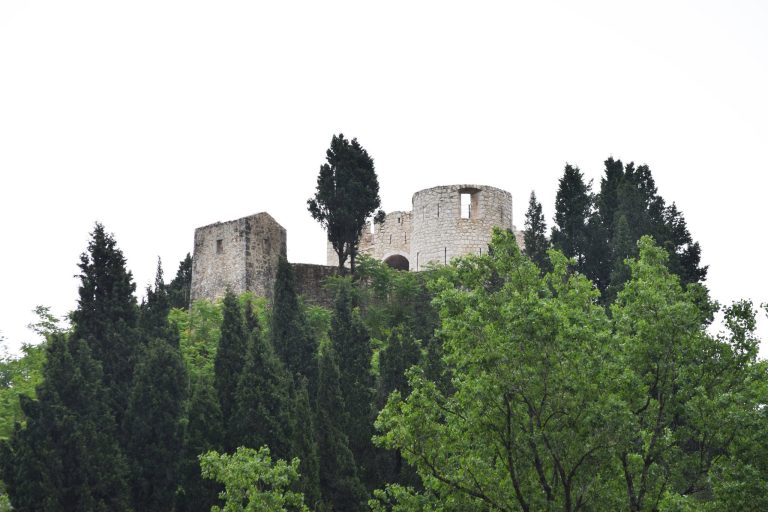
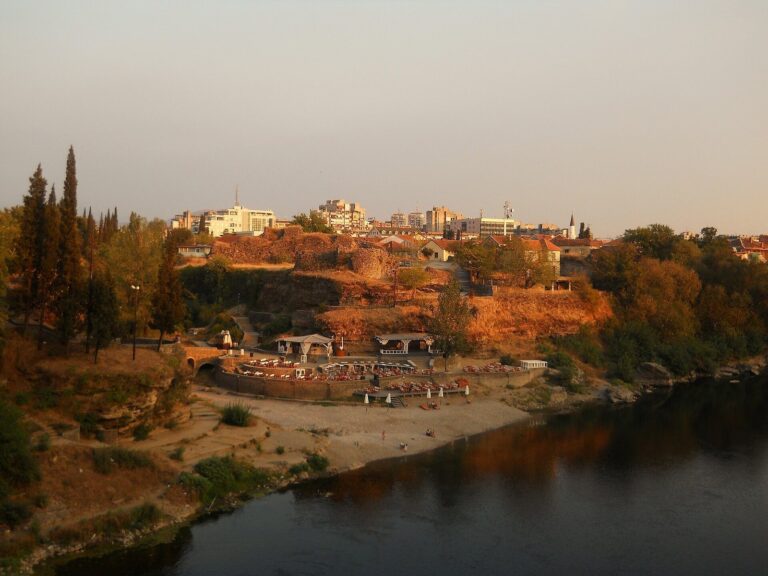
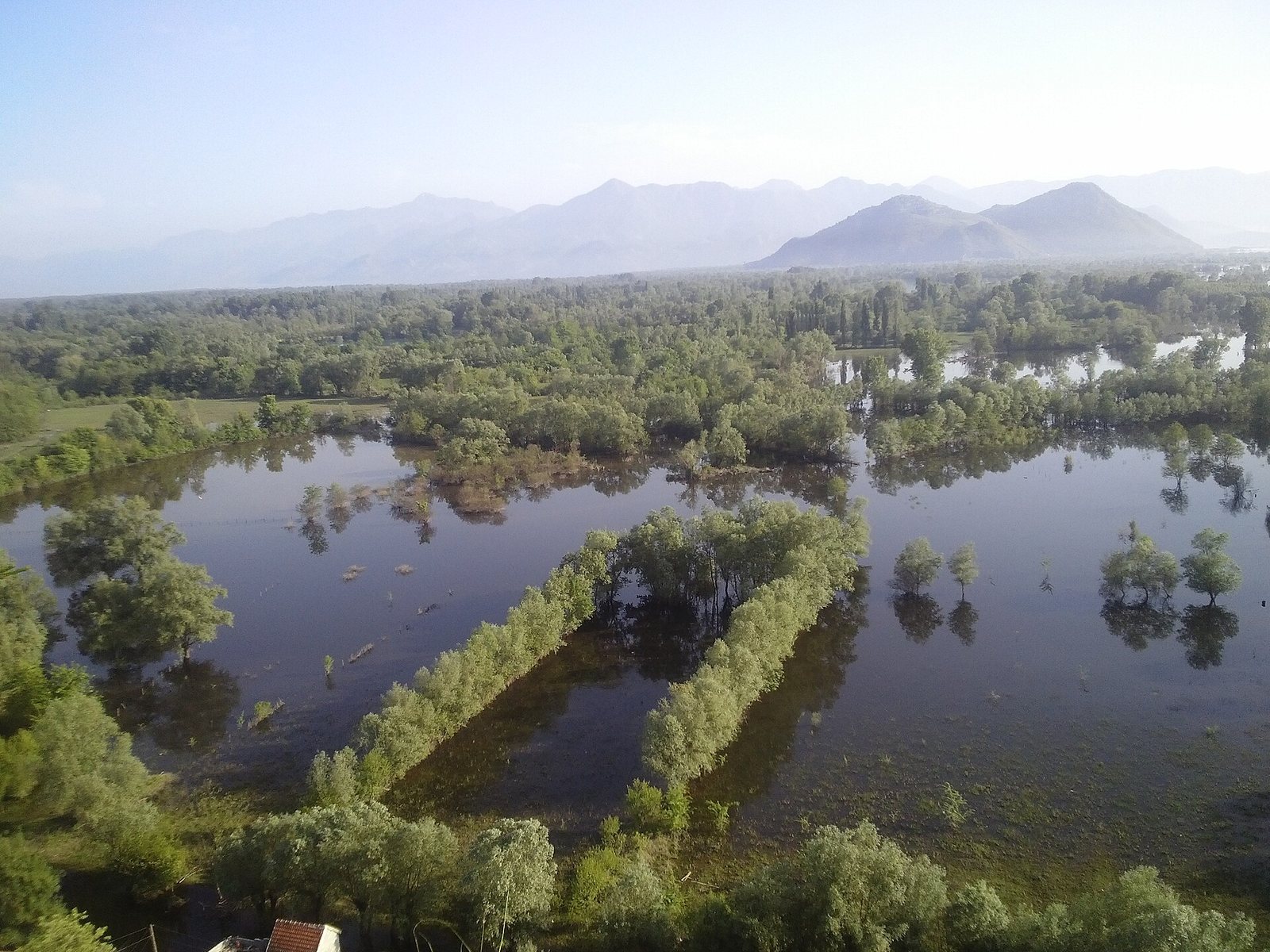
Žabljak Crnojevića is a medieval fortress town in Montenegro, on a rocky hill above Lake Skadar near the mouth of the Morača River. Its origins are believed to date to the 10th century, during the rule of the Vojislavljević dynasty in Dioclea, an early medieval polity in the western Balkans. Written records mention it by the 15th century.
Early settlement and Crnojević rule
Before it became a Crnojević capital, Žabljak was under the authority of Serbian rulers Stefan Lazarević and Đurađ Branković, who held the title of despot, a high rank in the medieval Serbian political system. From 1466 to 1478, the town was the capital of Zeta, a later medieval principality in the region, under the Crnojević ruling family. It served as a seat for Stefan and Ivan Crnojević. The name Žabljak comes from a Slavic word for a marshy place inhabited by many frogs.
Ottoman rule and Montenegrin resistance
As Ottoman pressure mounted in the 1470s, Ivan Crnojević moved the capital from Žabljak, first to Obod and later to Cetinje. The Ottoman Empire, a state that expanded across southeastern Europe, captured the town in 1478 and found it abandoned. It was the last Zetan settlement to fall. The Ottomans strengthened its defenses and made the fortress a stronghold on Lake Skadar’s northern shore. During their rule, the place was called the “Black Nest,” a name referring to poverty there. Žabljak is also associated with the 1474 siege of Shkodra, now in Albania, and an invasion in 1852.
Montenegrins made repeated efforts to regain the fortress. They briefly retook it in 1835, but it returned to Ottoman control after pressure from foreign diplomats and Peter II Petrović-Njegoš, Montenegro’s ruler and Orthodox bishop. Cannons were placed in front of Cetinje Monastery to commemorate the Ottoman capture of Žabljak; they remained there until 1916.
Transfer to Montenegro and later population change
The 1878 Berlin Congress, an international conference that settled territorial questions in southeastern Europe after the Russo-Turkish War, assigned the area to Montenegro. The transfer was formalized on 7 February 1879 under the Virpazar Protocol, the written record of the agreed terms. In the late 19th century, the town’s Albanian community was largely expelled in successive waves. Its members fled to Turkey, Kosovo, including Pristina, and Macedonia. The town is now abandoned.
Remains
Fortifications and setting
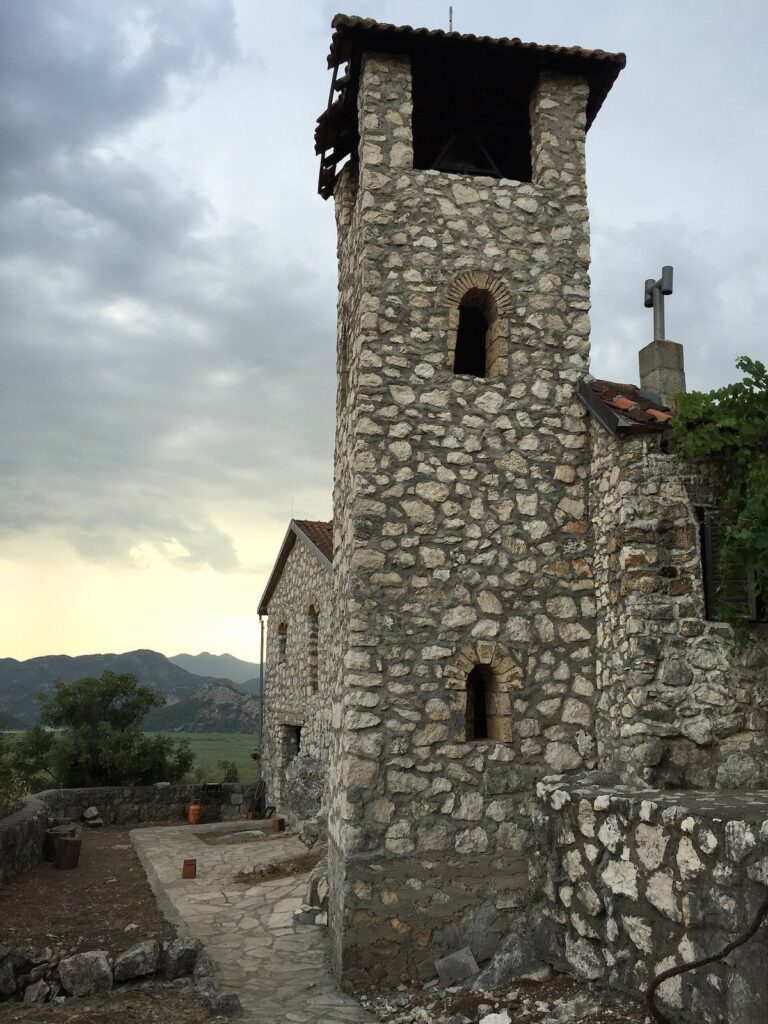
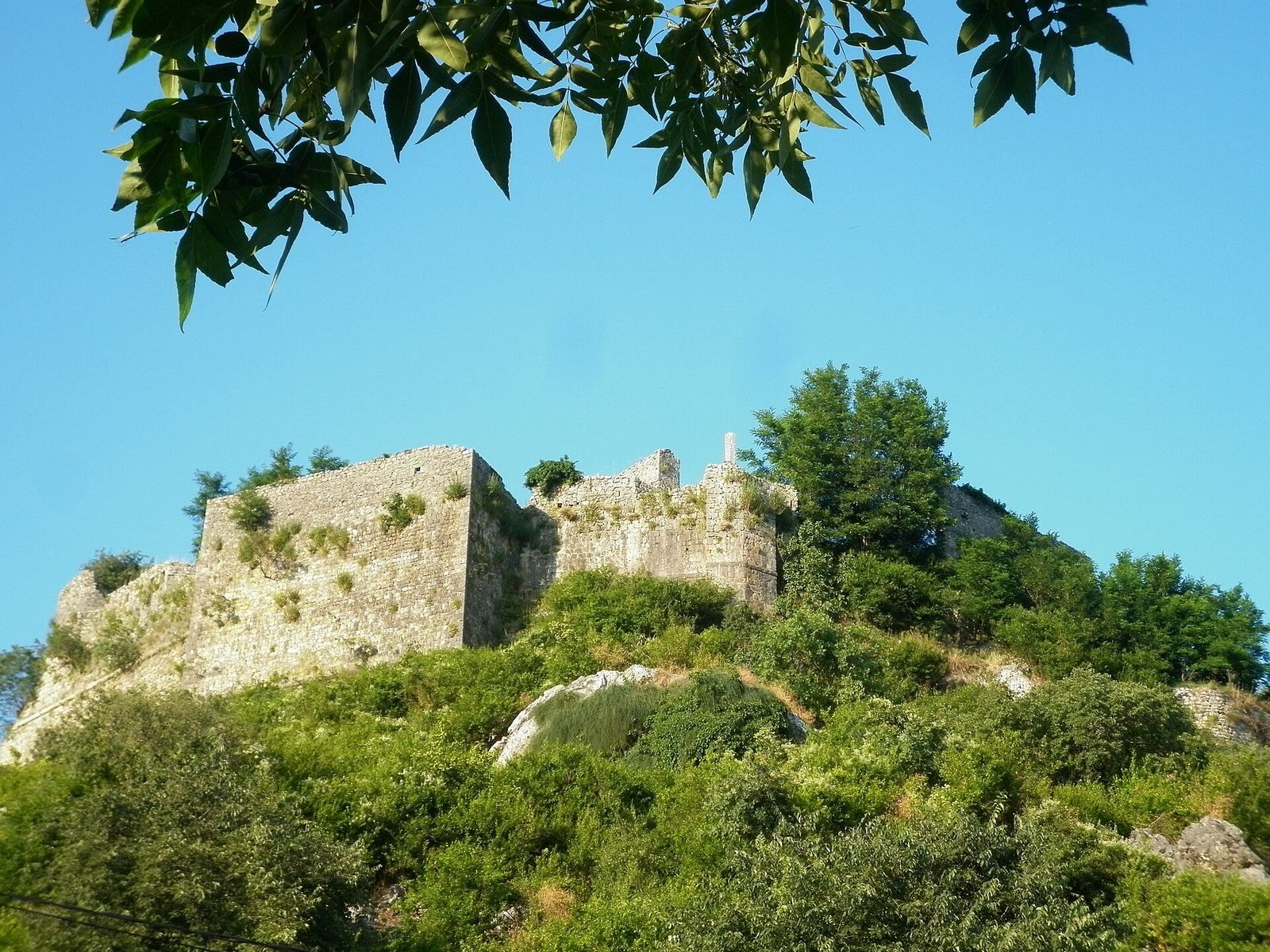
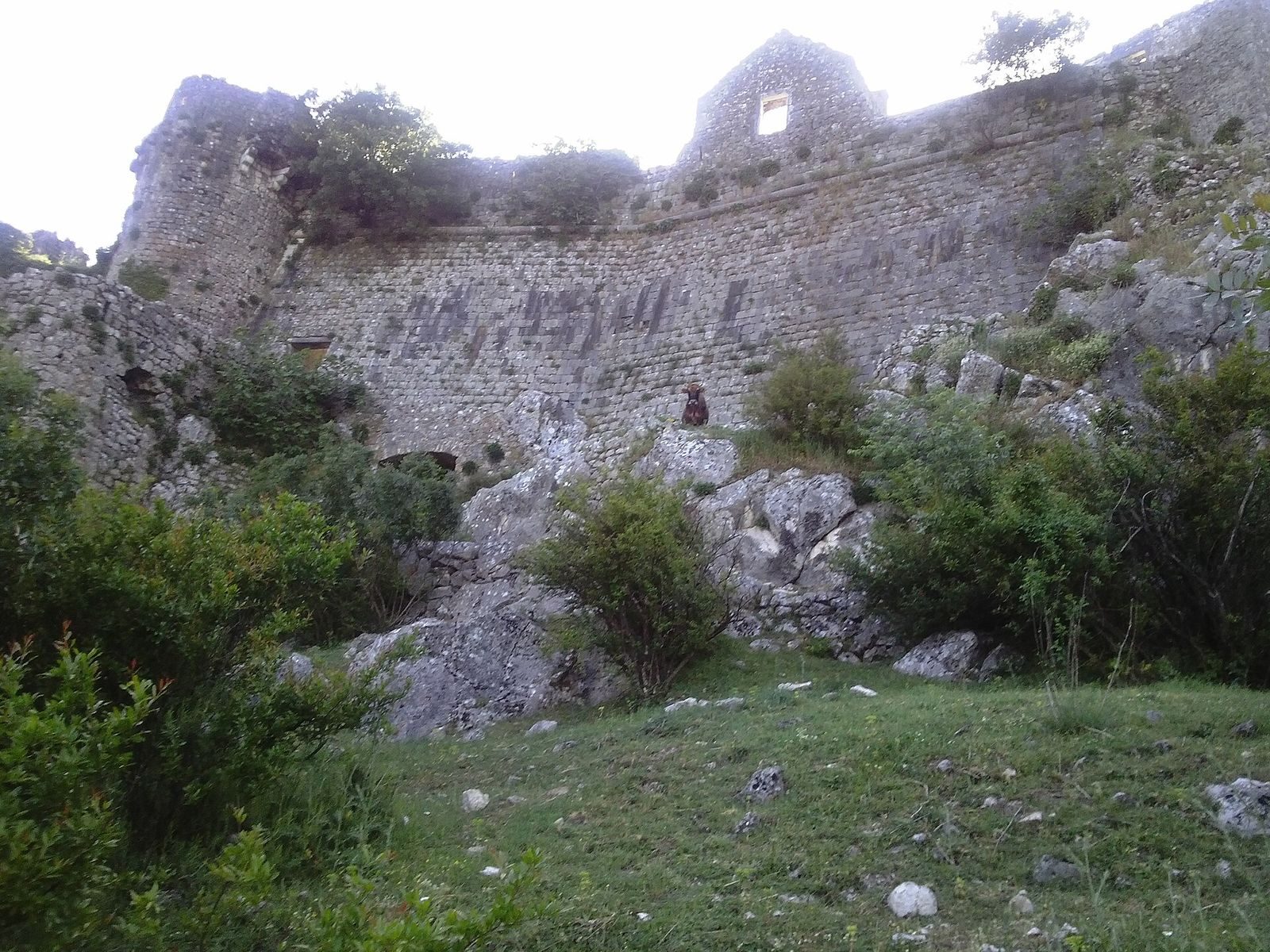
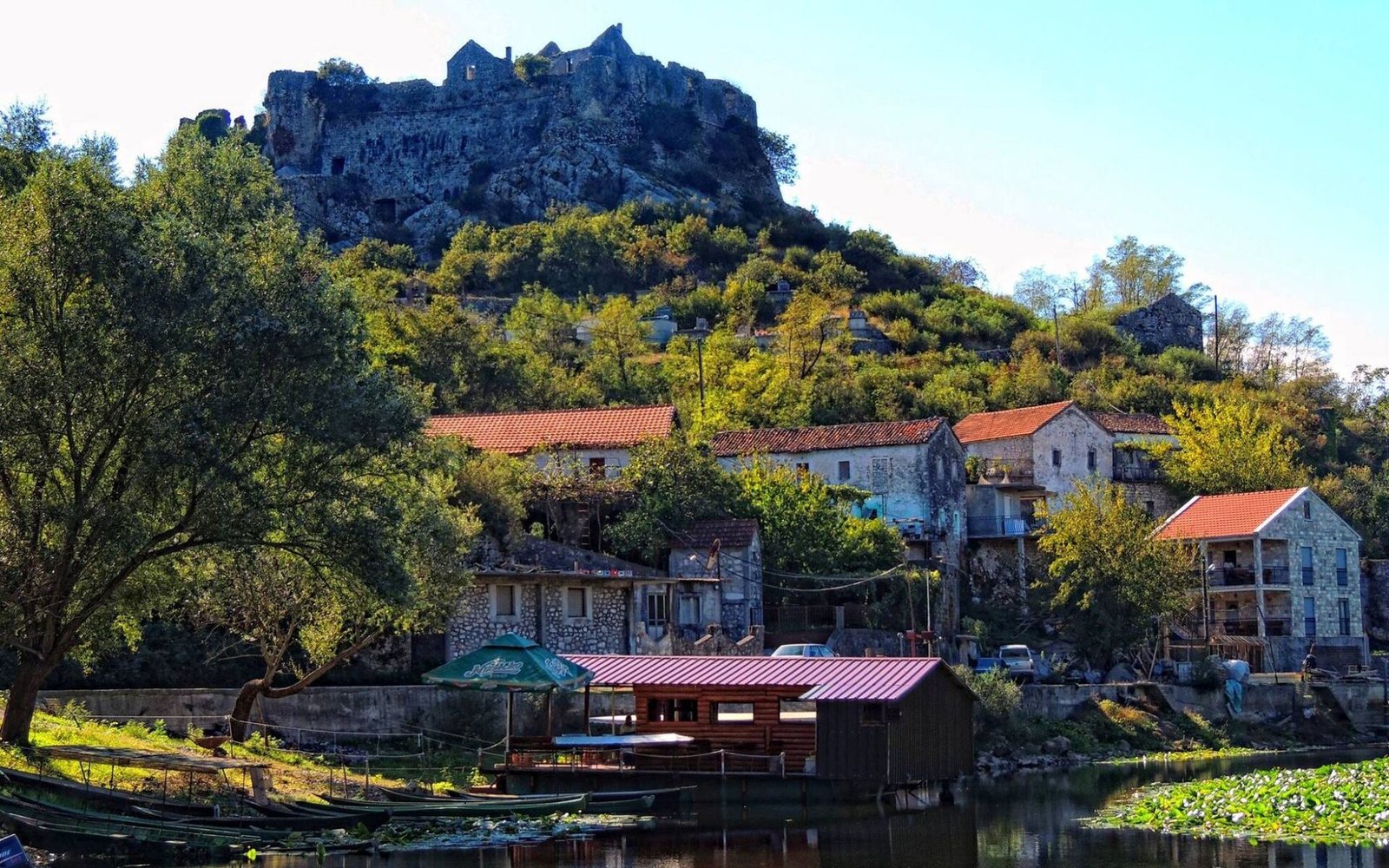
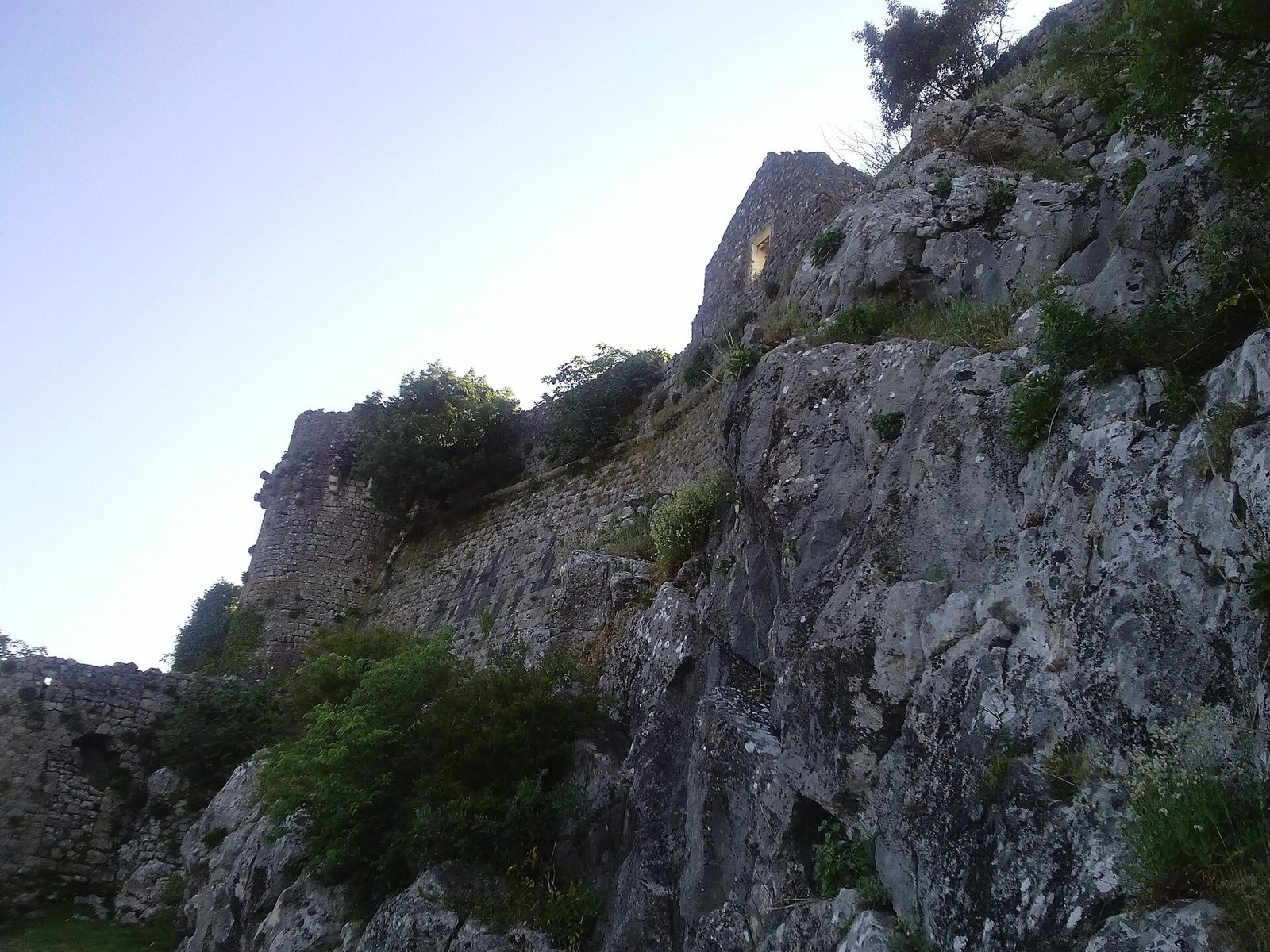
The fortress occupies the rocky summit of a conical hill above Lake Skadar, near the Morača River’s mouth. An old fishing village surrounds it. A thick, high defensive wall, strengthened with towers, encloses the site and has a single entrance gate. The walls remain well preserved, and most of the buildings survive. The surviving remains include buildings dating to the 15th century.
Buildings within the walls
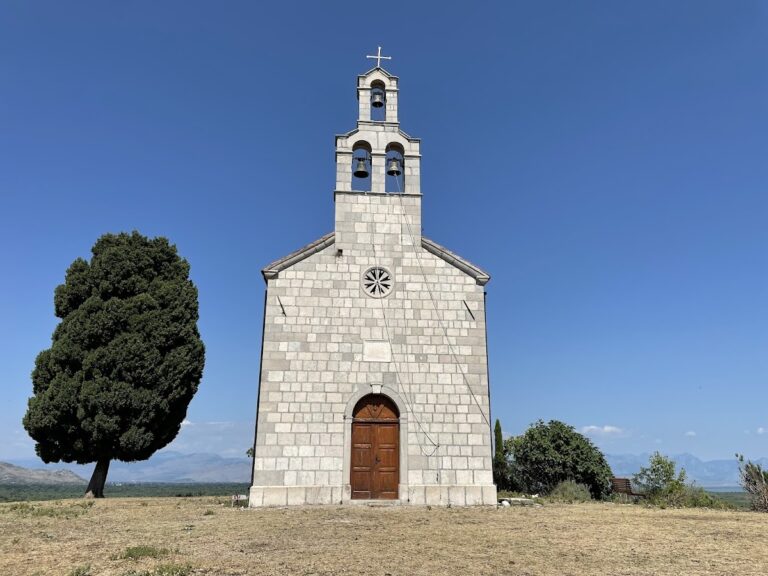
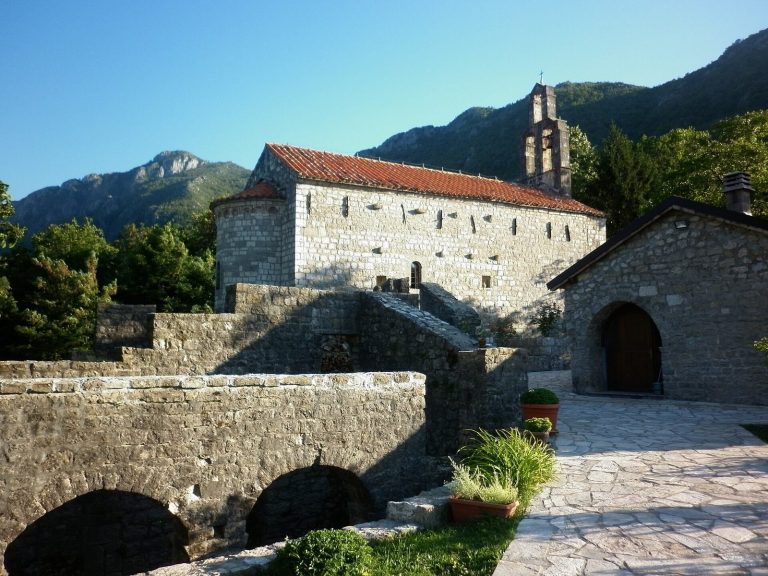
The enclosure contains the palace or court of Ivan Crnojević, the Church of Saint George, residential and military buildings, commercial storage buildings, a clothing warehouse, and water tanks or reservoirs. During Ottoman rule, the church was converted into a mosque. A memorial associated with Žabljak commemorates members of the Ceklin clan killed by Ottoman forces.