Nalknad Palace: A Royal Residence of Kodagu
Site at a Glance
- Popularity
- Medium
- Country
- India
- Primary era
- Early Modern
- Eras represented
- Early Modern
- Civilizations
- Unclassified
- Site type
- Domestic
- Remains
- Palace
On this page5 sections
History
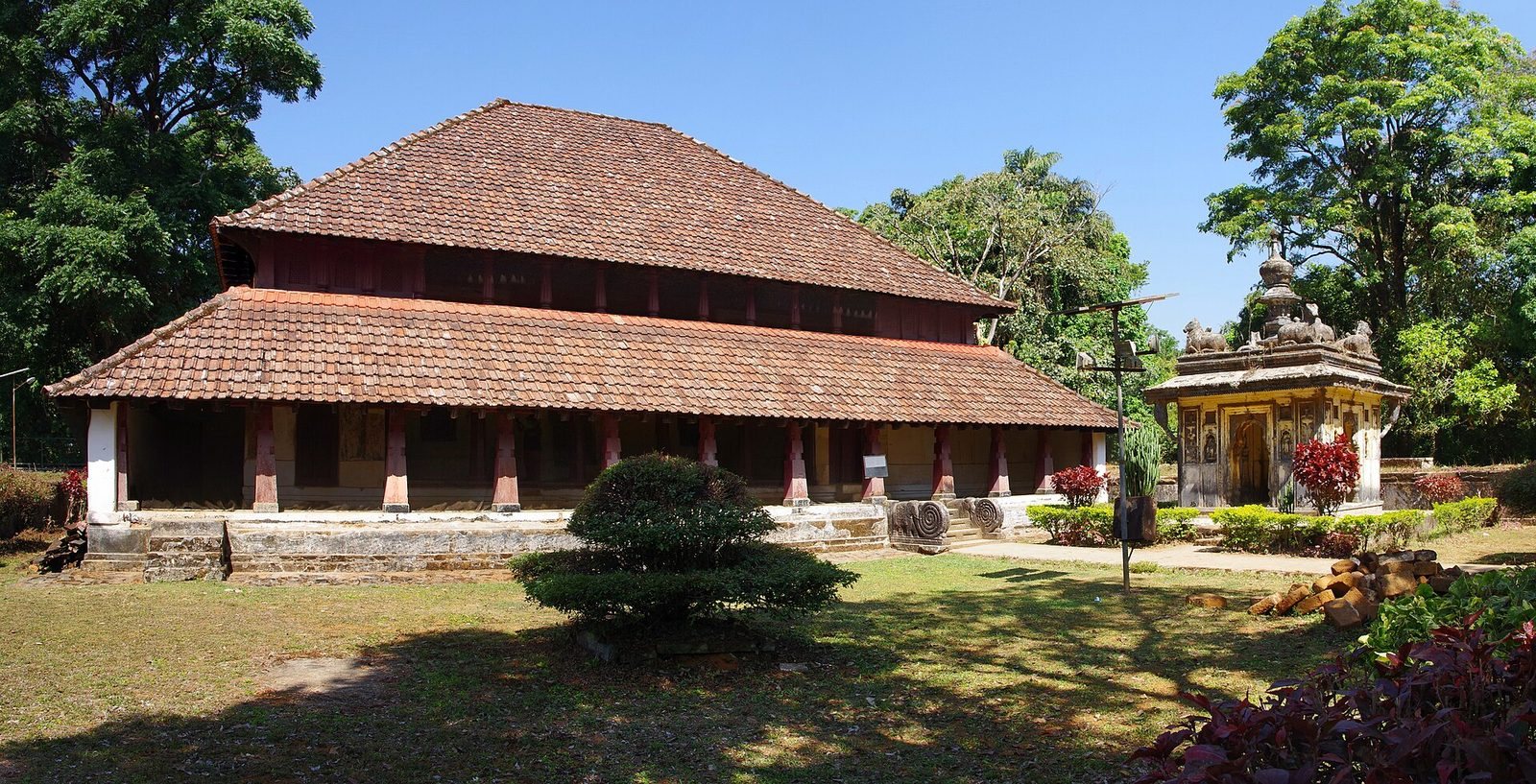
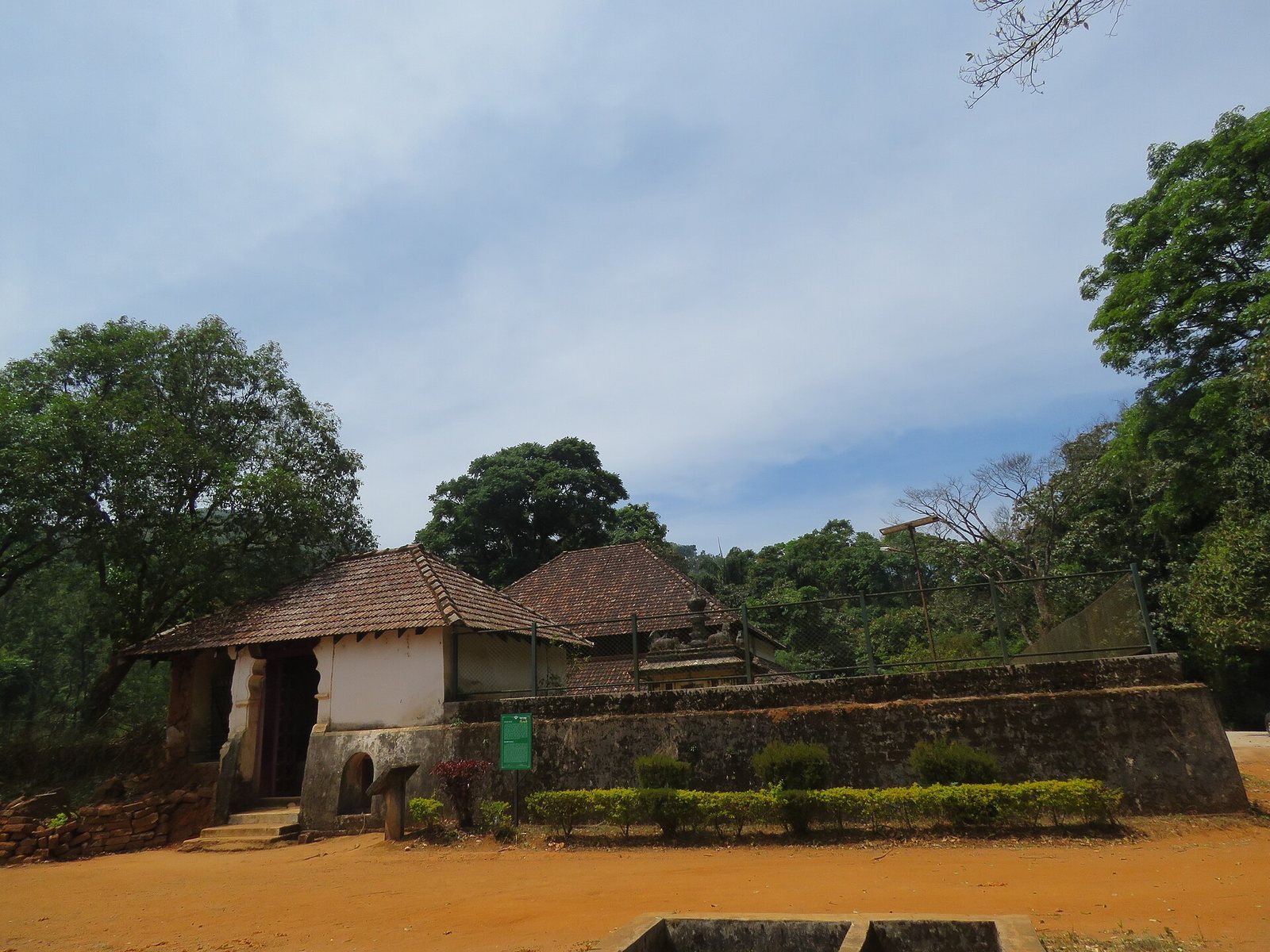
Nalknad Palace is near Yavakapadi village in Kodagu district, Karnataka, India. Kodagu ruler Dodda Veerarajendra built it between 1792 and 1794 in a regional style described as Kerala-style architecture. The palace was established during Kodagu’s struggle to regain independence from Mysore and served as a royal base.
Conflict with Mysore and the palace’s construction
After Kodagu ruler Lingaraja I died in 1780, Hyder Ali, the ruler of Mysore, took control of the region, ostensibly as guardian to the young princes Dodda Veerarajendra, Linga Rajendra and Appanna. He confined them in a fort at Gorur, stationed troops in Mercara and appointed a former Kodagu treasurer to govern. Kodava nobles, people of Kodagu, feared that Hyder might treat the royal family as he had Mysore’s ruling Wodeyar house. In 1782, while Hyder was fighting the British, they expelled his garrison and declared independence, but could not free the princes.
After Hyder died in December 1782, his son Tipu Sultan moved the princes to Periyapatna and kept them under arrest. Dodda escaped in 1786, returned to Kodagu and was proclaimed king. He fought to recover his kingdom while Tipu’s forces continued to hold Mercara. Although Tipu’s troops captured some forts, they suffered heavy losses, and Dodda regained most of his strongholds. He established a base in forested Nalknad and built the palace there. In 1793, he concluded a treaty at Cannanore with British officer Sir Robert Abercromby and thereafter allied firmly with the British against Tipu.
Royal family and succession
Dodda’s second marriage, to Mahadevamma, was celebrated at the palace in 1796. They had four surviving daughters and no sons. His two younger brothers, who later reached his base after securing their release from Tipu, stood to inherit if he had no son. Mahadevamma died in 1807, and Dodda died two years later.
After Dodda’s death, his ten-year-old daughter Devammaji was declared Queen of Kodagu and married to Mallappa, also known as Mallappa Gowda. In 1811, Dodda’s younger brother Linga Rajendra II proclaimed himself king and ruled until his death in 1820. His son Chikka Veerarajendra succeeded him.
British conquest and later status
In 1832, amid rising tensions with the British, Chikka Veerarajendra went to war against them. As British forces advanced into Kodagu, he took refuge at Nalknad Palace. He surrendered to prevent further losses, and the British deposed and exiled him to Benares, now known as Varanasi. Kodagu then came under direct British rule. Chikka was its last king. The palace is protected as a monument by Karnataka’s Directorate of Archaeology and Museums.
Remains
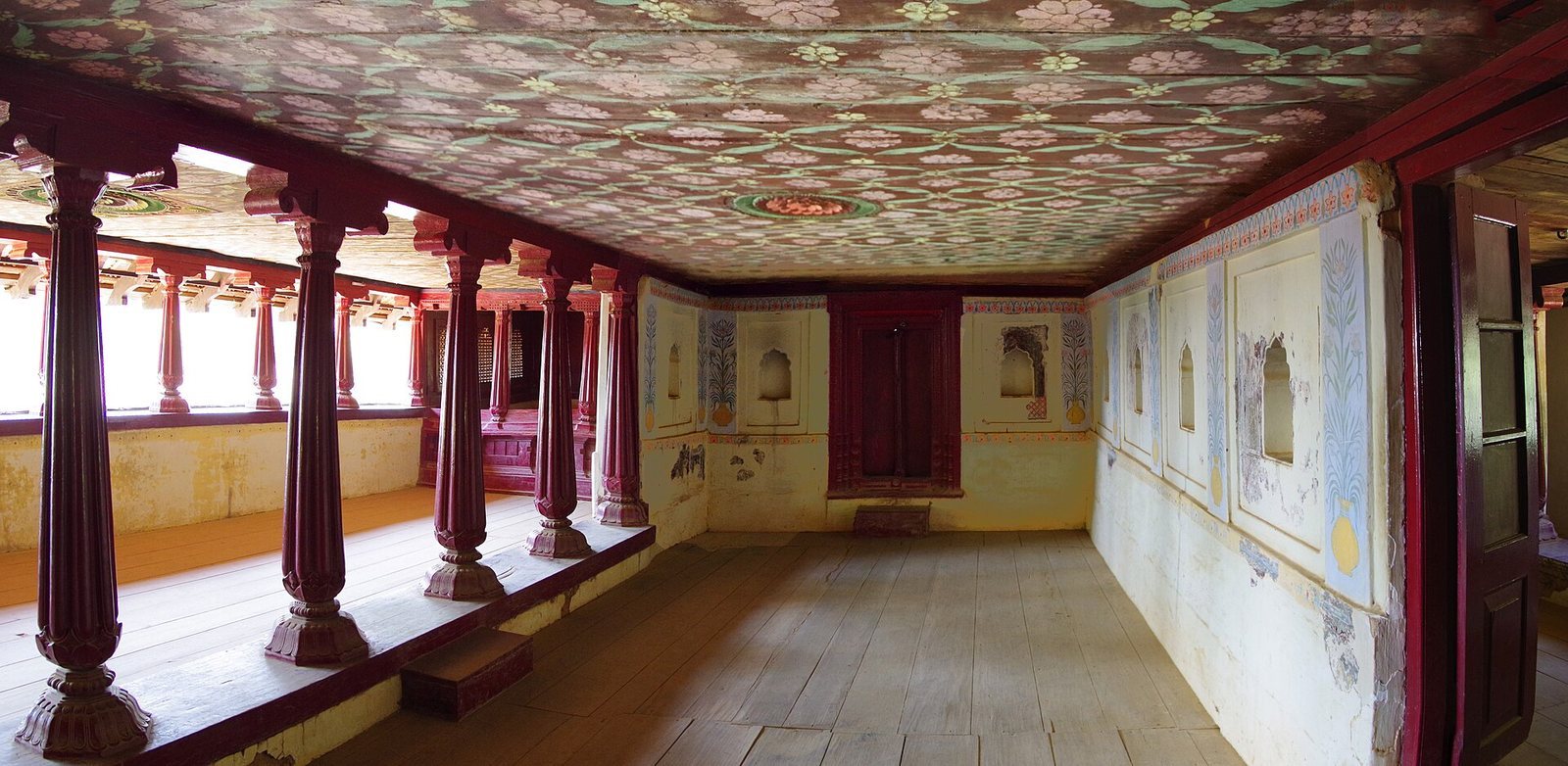
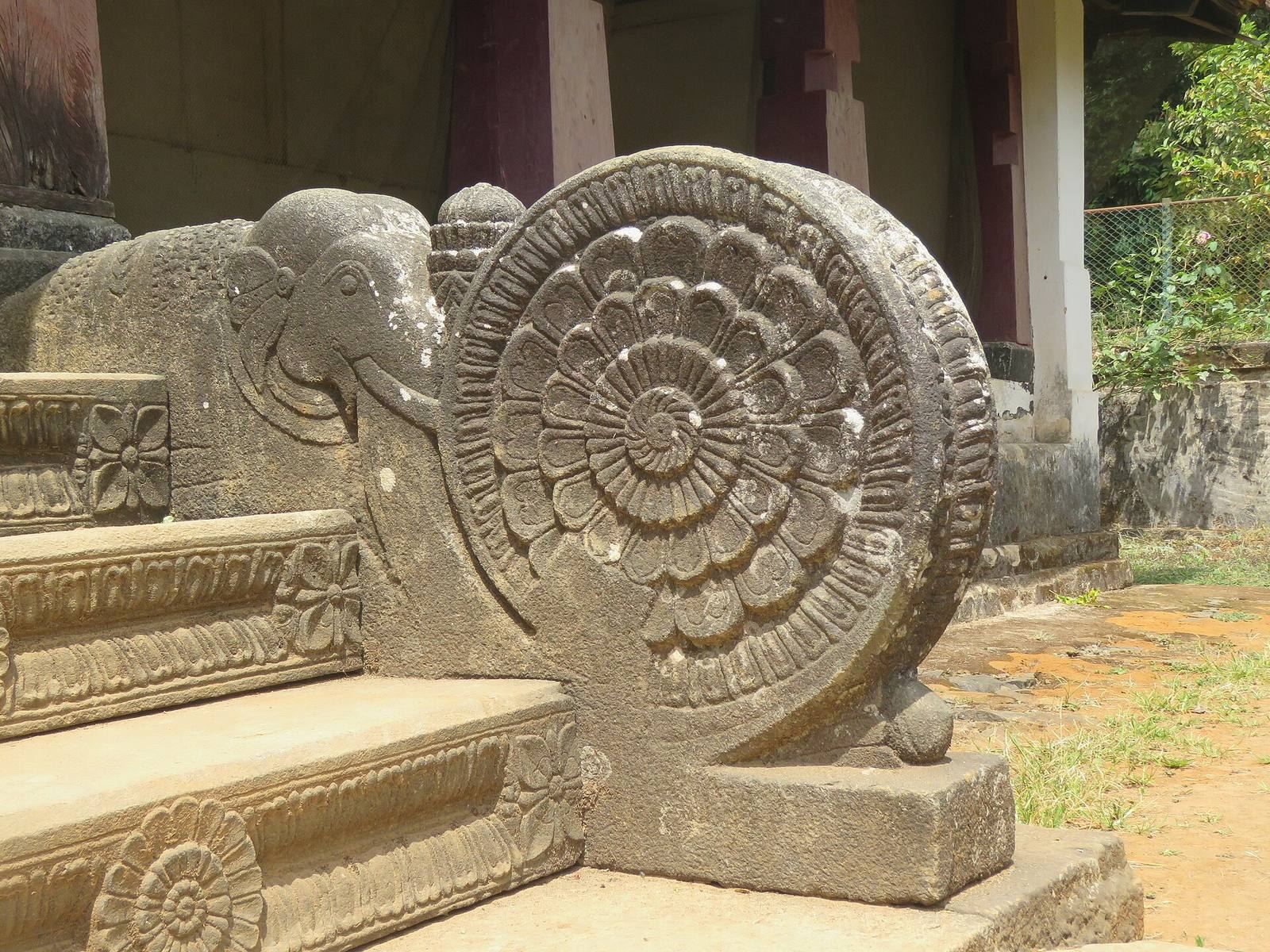
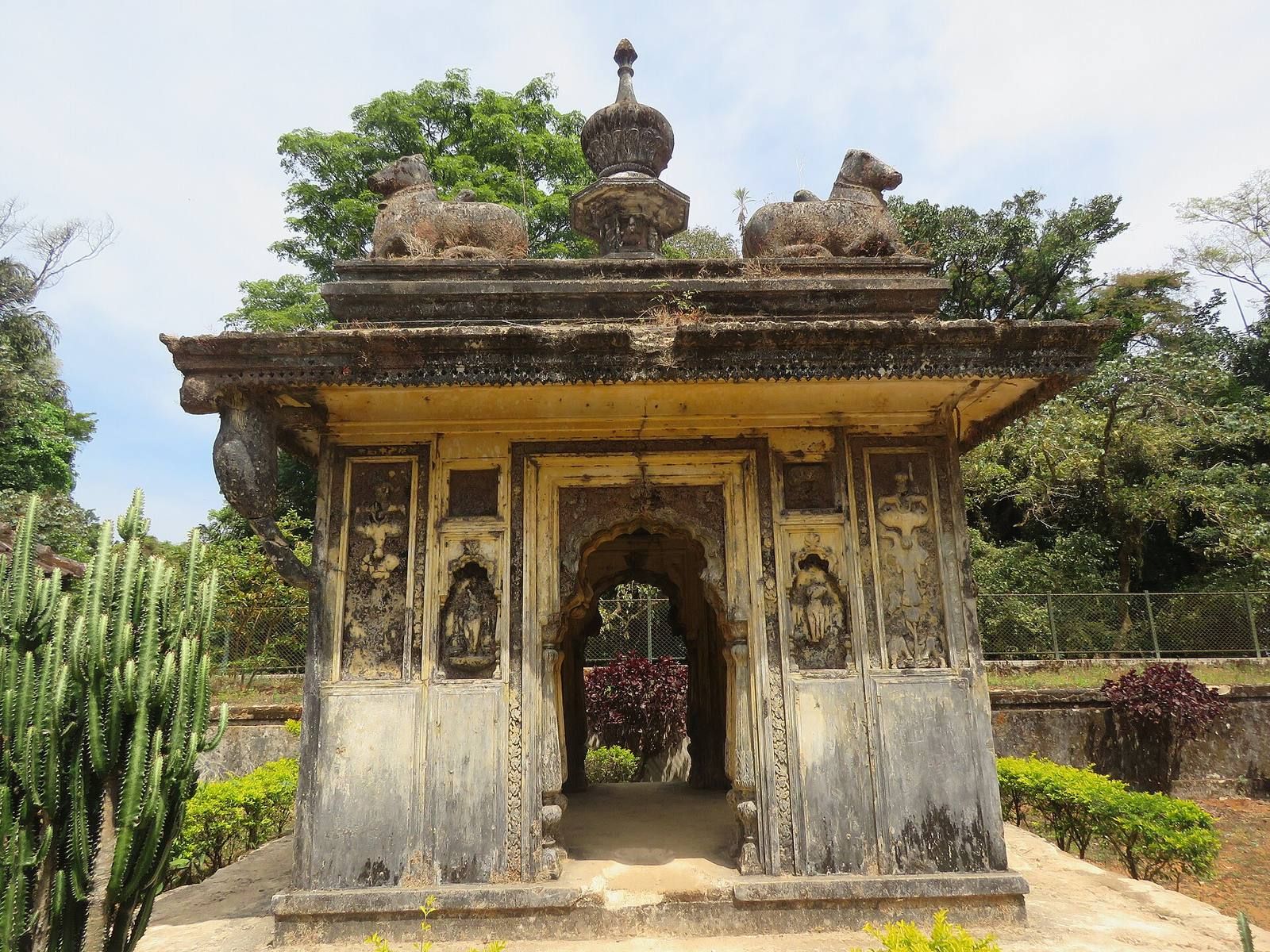
The palace survives as a two-storey building, described as having Kerala-style architecture characteristic of its region. INTACH, the Indian National Trust for Art and Cultural Heritage, has renovated it.