Yamamiya Sengen Shrine: The Former Sanctuary of Mount Fuji Worship

Site at a Glance
- Rating
- 4.4
- Popularity
- Low
- Country
- Japan
- Primary era
- Unclassified
- External website
- Open
- Eras represented
- Unclassified
- Civilizations
- Unclassified
- Site type
- Religious
- Remains
- Sanctuary
On this page11 sections
History
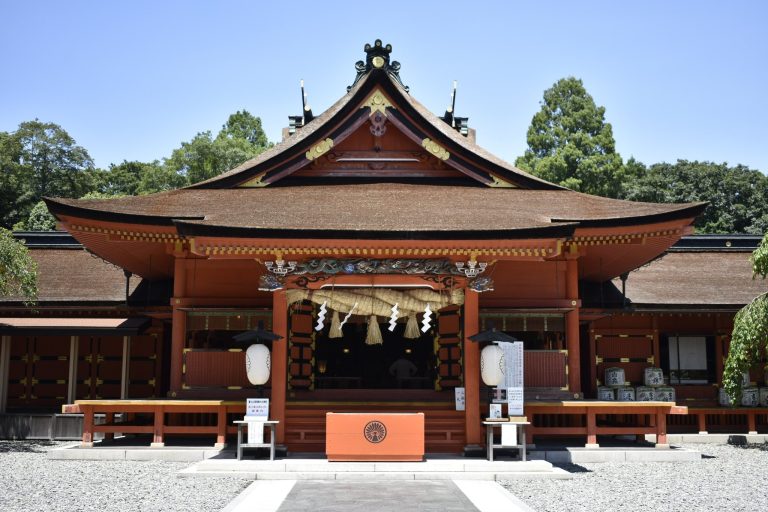
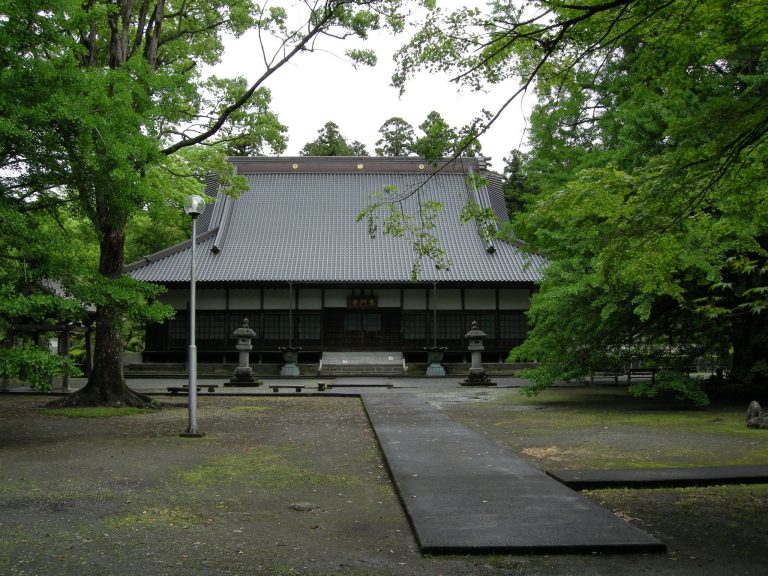
Yamamiya Sengen Shrine is a Shinto shrine in Fujinomiya, Japan, devoted to the worship of Mount Fuji and its associated deity. It is one of Japan’s Sengen shrines and is traditionally regarded as the former sanctuary and predecessor of Fujisan Hongu Sengen Taisha. Its principal deity is Konohanasakuya-hime, also known as Asama no Okami, a name for the deity of Mount Fuji.
Traditions of Early Worship
A foundation tradition places worship of Mount Fuji at its foot in the third year of Emperor Suinin’s reign. The tradition further relates that Yamato Takeru, a legendary imperial prince and warrior, escaped an attack by bandits in Suruga after praying to the deity of Mount Fuji. In gratitude, he established worship of the deity at Yamamiya, where a sacred stone enclosure was created.
Relocation to Fujisan Hongu Sengen Taisha
Shrine tradition holds that the sanctuary was transferred from Yamamiya to the present site of Fujisan Hongu Sengen Taisha in 806, on the order of Emperor Heizei, Japan’s sovereign in the early ninth-century imperial tradition. Yamamiya is consequently regarded as the place where the deity was first enshrined before the larger shrine was established at its present location.
Ritual Relationship and Procession
The relocation did not end Yamamiya’s ritual connection with Fujisan Hongu Sengen Taisha. During the Edo period, Yamamiya served as a subsidiary shrine of that institution, and in 1877 it was classified as a branch shrine. It is now an independent religious corporation, although its registered religious-corporation name is Sengen Shrine. Its annual festival takes place on October 19, and the mountain-opening ceremony for Mount Fuji is among its principal observances.
The Yamamiya Goshinko was a ritual procession between Fujisan Hongu Sengen Taisha and Yamamiya Sengen Shrine. It symbolically returned the deity to the former sacred site along a route called the Goshinkomichi. The procession was discontinued in 1873, but elements of its route remain marked by stones associated with the ritual. Fujisan Hongu Sengen Taisha continues to visit Yamamiya for the First-Monkey Festival, held on the first day of the Monkey in April. The historical route passed through six shrines connected with either Fujisan Hongu Sengen Taisha or Yamamiya Sengen Shrine.
Archaeology and Heritage Status
A stone monument beside Wakutama Pond marked the beginning of the Goshinkomichi. Dedicated in 1691, it was found buried within the grounds of Fujisan Hongu Sengen Taisha in 1984. Excavation carried out in fiscal year 2008 recovered Haji earthenware vessels dating to the twelfth century. Haji ware is unglazed earthenware made in Japan from ancient times, and these vessels are considered to have served ritual purposes.
On June 22, 2013, Yamamiya Sengen Shrine became part of the UNESCO World Heritage property Fujisan, sacred place and source of artistic inspiration. Its inclusion represents Mount Fuji’s role as an object of worship. The shrine’s view of Mount Fuji was also selected for the Ministry of the Environment’s “100 Landscapes with Mount Fuji.”
Remains
The shrine preserves an archaic form of worship organized around an altar facing Mount Fuji rather than around a honden, the principal sanctuary building normally associated with the enshrined deity in a Shinto shrine. The worship area contains a rectangular arrangement of lava stones, and the layout follows an axis intended to provide a view toward the mountain.
Worship Area
The altar stands in the direction of Mount Fuji and forms the physical focus of the sacred space. Facing the altar, designated seats on the left are assigned to the chief priest of Fujisan Hongu Sengen Taisha, the Fuji family’s administrative officials, the Fuji family’s ritual organizers, and the food-offering station. Seats for the deputy administrator and shrine monks occupy the right side.
Processional Features
Spear-Resting Stones
Near the shrine’s basket house and stone-step area are stones associated with the Yamamiya Goshinko. They served as resting places for the ritual spear carried during the procession between Fujisan Hongu Sengen Taisha and Yamamiya.
Goshinkomichi Marker
The starting point of the processional route is represented by a stone monument beside Wakutama Pond. Dedicated in 1691 and later recovered from buried ground within the precinct of Fujisan Hongu Sengen Taisha, it preserves a physical link with the route that connected the two shrines.
Archaeological Remains
The twelfth-century Haji vessels recovered during the 2008 fiscal-year excavation form archaeological remains associated with ritual activity at Yamamiya. Their simple earthenware construction provides material evidence for the shrine’s religious use during the medieval period.