Terado Ōtsuka Kofun: A Keyhole-Shaped Burial Mound in Japan

Site at a Glance
- Rating
- 3.6
- Popularity
- Very Low
- Country
- Japan
- Primary era
- Classical
- External website
- Open
- Eras represented
- Classical
- Civilizations
- Yamato
- Site type
- Burial
- Remains
- Burial Mound
On this page9 sections
History
Terado Ōtsuka Kofun is a keyhole-shaped burial mound in Mukō, Kyoto, Japan, built during the middle of the Early Kofun period, probably in the fourth century. A kofun is a monumental Japanese burial mound, and the keyhole form combines a rectangular front section with a circular rear section. Terado Ōtsuka Kofun forms part of the Mukō Hills Kofun Cluster and may have belonged to a person under the control of the occupant of Tsubai Ōtsukayama Kofun.
The Early Kofun Period
The relationship with Tsubai Ōtsukayama Kofun is associated with a triangular-rimmed bronze mirror from Terado Ōtsuka Kofun. This mirror has the same-mould relationship as a mirror from Tsubai Ōtsukayama Kofun, meaning that the two objects may have been cast using the same mould. The connection supports an interpretation of Terado Ōtsuka Kofun as the burial place of someone subordinate to the person buried at Tsubai Ōtsukayama Kofun.
Excavation and Protection
Eleven archaeological excavations have taken place at the mound. Investigations examined the anterior, or front, section in 1923 and 1942, while the posterior section was also investigated in 1942. Excavation in 1967 established that both parts contained pit-style stone burial chambers. These chambers were built in pits and lined and covered with stone slabs. Grave goods remained in both, although the posterior chamber also showed evidence of grave robbery.
Terado Ōtsuka Kofun became a National Historic Site of Japan in 2015. In 2016 it was incorporated into the Otokuni Kofun Cluster, together with eight additional kofun and the previously designated sites of Tennō-no-Mori Kofun and Egeyama Kofun.
Remains
Mound Layout and Surface
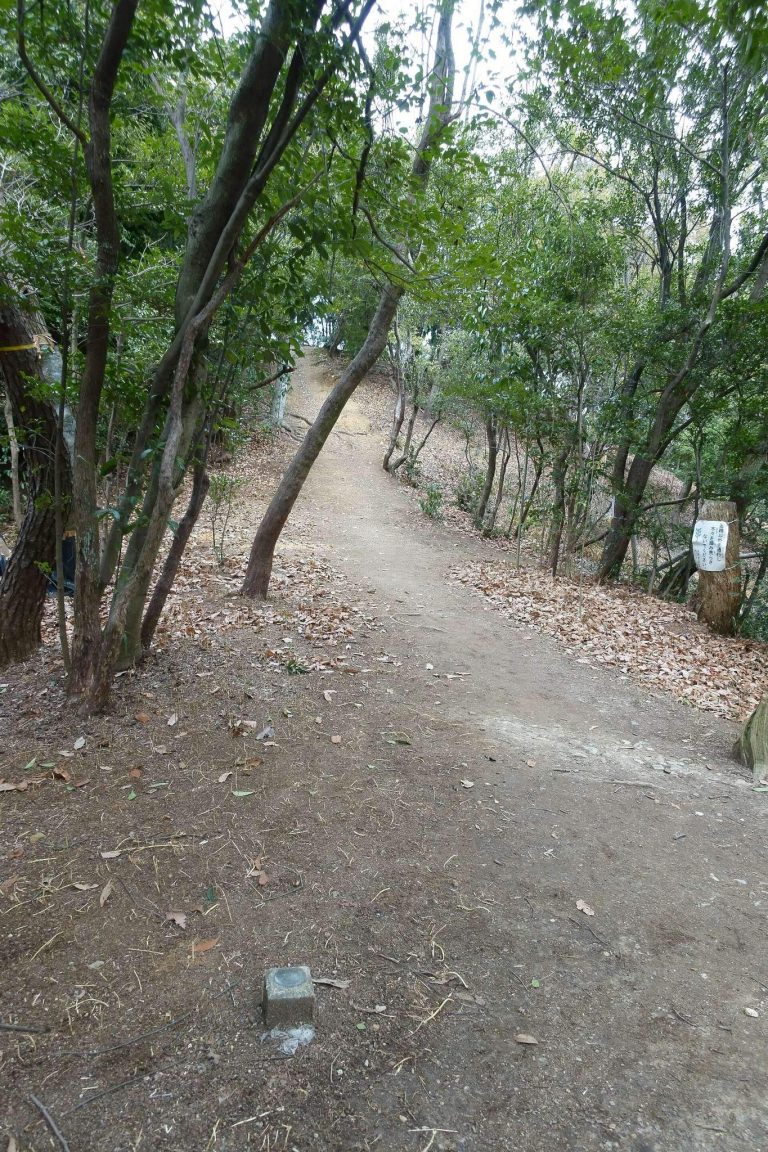
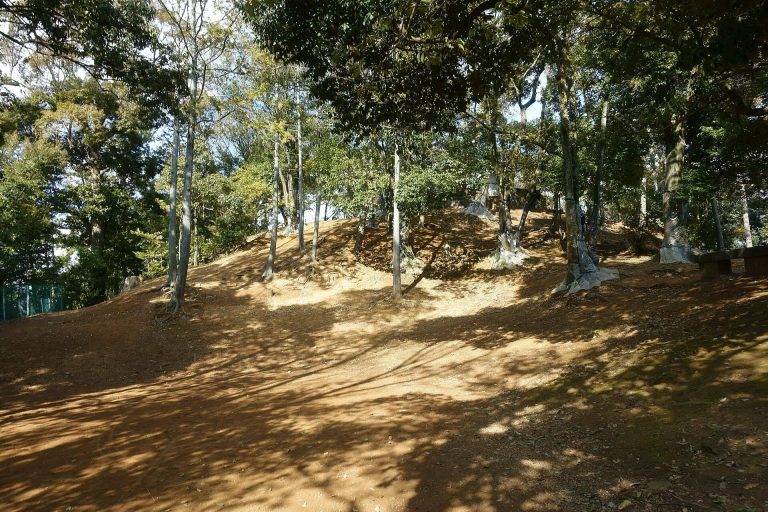
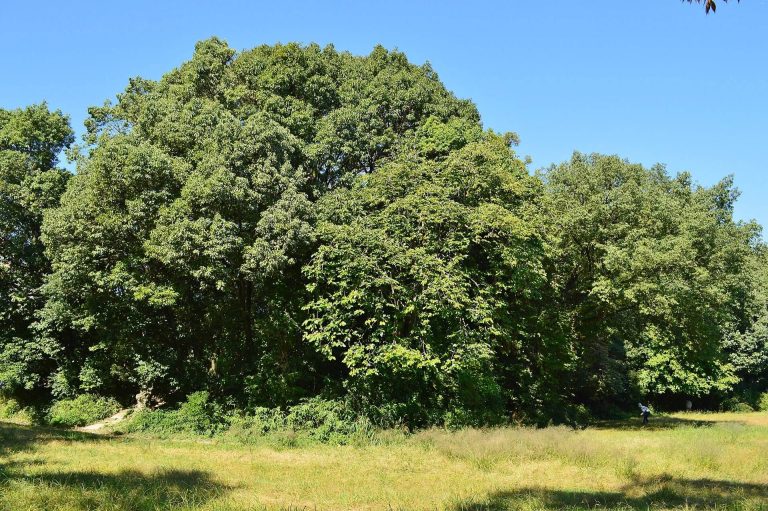
The mound stands in the Shibayama area of Terado, at the northern end of the southern part of the Mukō Hills, at an elevation of about 80 metres. It is oriented toward the south-southeast and inclines slightly toward the west. The complete mound is about 98 metres long, with a square anterior section about 45 metres wide and a circular posterior section about 57 metres in diameter. The posterior section rises approximately 9 to 10 metres.
The anterior section has two tiers, while the posterior section has three. Its surface was covered with fukiishi, stones laid over an earthen mound to cover and stabilize its slopes. Cylindrical haniwa, clay funerary objects placed on or around burial mounds, were arranged along the surface. Cylindrical and morning-glory-shaped haniwa are associated with the mound. The posterior circular section remains intact, while most of the anterior section has been lost or severely damaged after soil was deposited in a bamboo grove.
Stone Burial Chambers
Posterior Burial Chamber
The posterior circular mound contains a pit-style stone burial chamber made from stone slabs and furnished with a clay floor. It measures approximately 6.45 to 6.5 metres in length, about 0.8 to 0.85 metres in width, and 1.6 metres in height. Grave goods included Chinese bronze mirrors, stone bracelets, beads, iron swords, axes, sickles, knives, and clay containers.
The mirrors included a triangular-rimmed mirror showing three Buddhas and three animals, as well as a fragment of a triangular-rimmed mirror showing four gods and four animals. The triangular-rimmed god-and-beast mirror is considered identical to one from Tsubai Ōtsukayama Kofun and may have been cast from the same mould.
Anterior Burial Chamber
The anterior mound contains a second pit-style stone burial chamber, also constructed from stone slabs with a clay floor. It is approximately 5.3 metres long and about 0.9 to 1 metre wide. Objects from the chamber included a bronze mirror, beads, stone objects, iron swords, bronze and iron arrowheads, axes, and sickles.
The mirrors included a Chinese animal-pattern belt mirror, an imitation triangular-rimmed mirror showing three gods and three animals, a square-grid four-gods mirror, and a relief-style animal-pattern belt mirror. The imitation mirror was made in the triangular-rimmed three-gods-and-three-beasts form.
Summit Features and Offerings
A square enclosure measuring approximately 8 metres on each side was marked by haniwa on the summit, directly above the stone burial chamber. The mound also contained a place for offerings of Haji ware, an unglazed ancient Japanese earthenware used for vessels and offerings.