Władysław Reymont Palace in Kołaczkowo: A Classicist Residence
Site at a Glance
- Popularity
- Medium
- Country
- Poland
- Primary era
- Modern
- Eras represented
- Modern
- Civilizations
- Unclassified
- Site type
- Domestic
- Remains
- Elite Residence
On this page6 sections
History
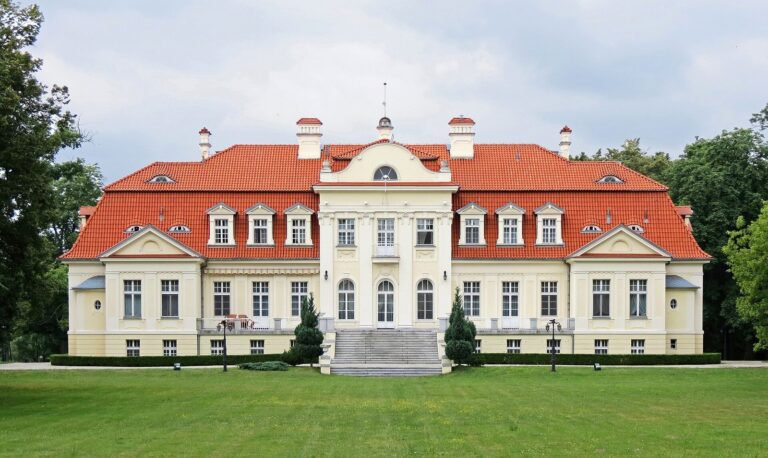
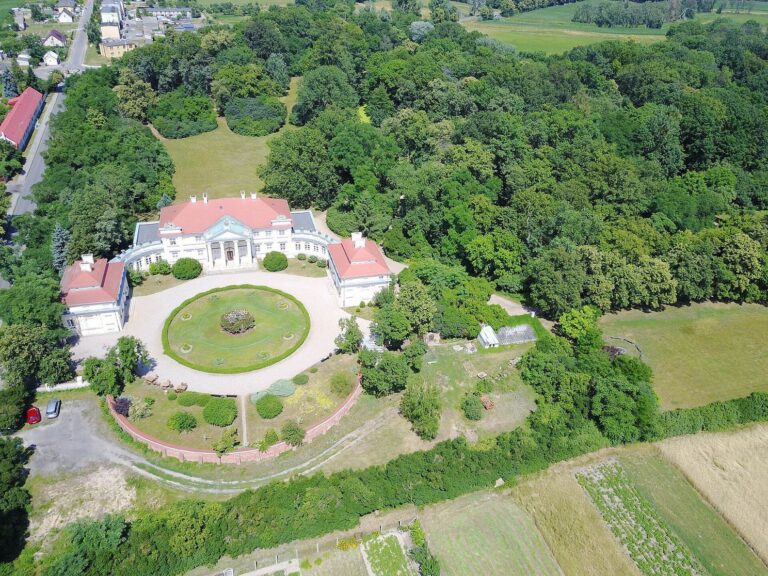
Władysław Reymont Palace in Kołaczkowo is an early nineteenth-century Classicist residence in Poland, built for the Stablewski family. Its patronage is also attributed to Tadeusz Grabski. Classicist architecture draws on forms from ancient Greek and Roman art and building.
Polish writer Władysław Reymont lived and worked at the palace from 1920 to 1925. Stories probably written there include The Condemned, The Princess, Revolt, and Legend.
The palace interiors were remodelled after 1945. It now houses the Municipal Cultural Centre, the Władysław Reymont Memorial Room, and the Regional Chamber of Banking Cooperatives, associated with the District Cooperative Bank in Września.
Remains
Palace and grounds
The palace
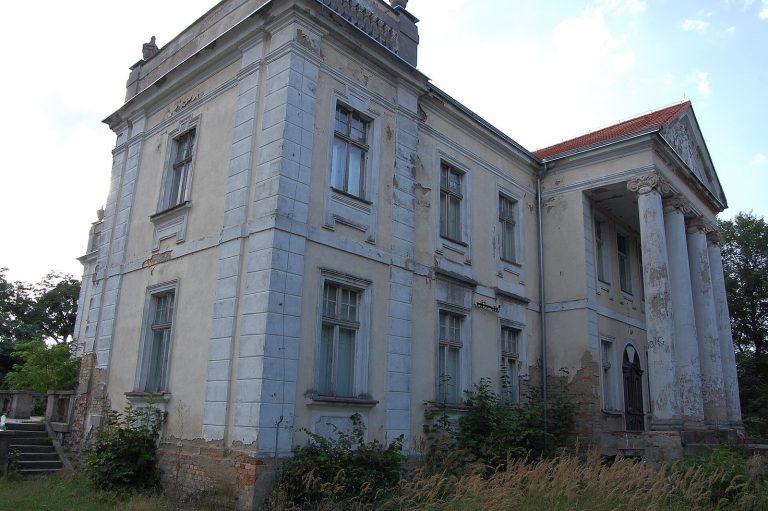
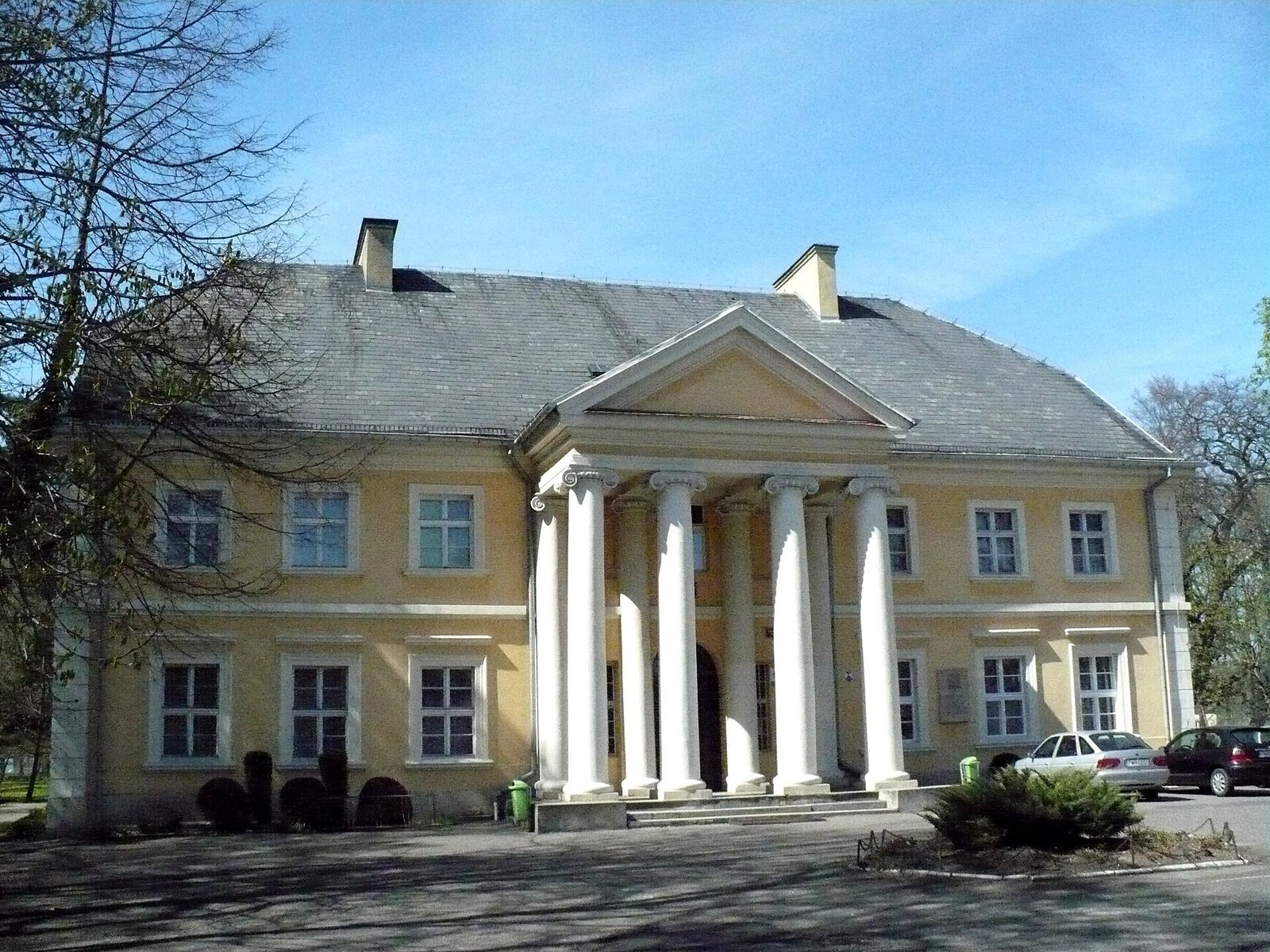
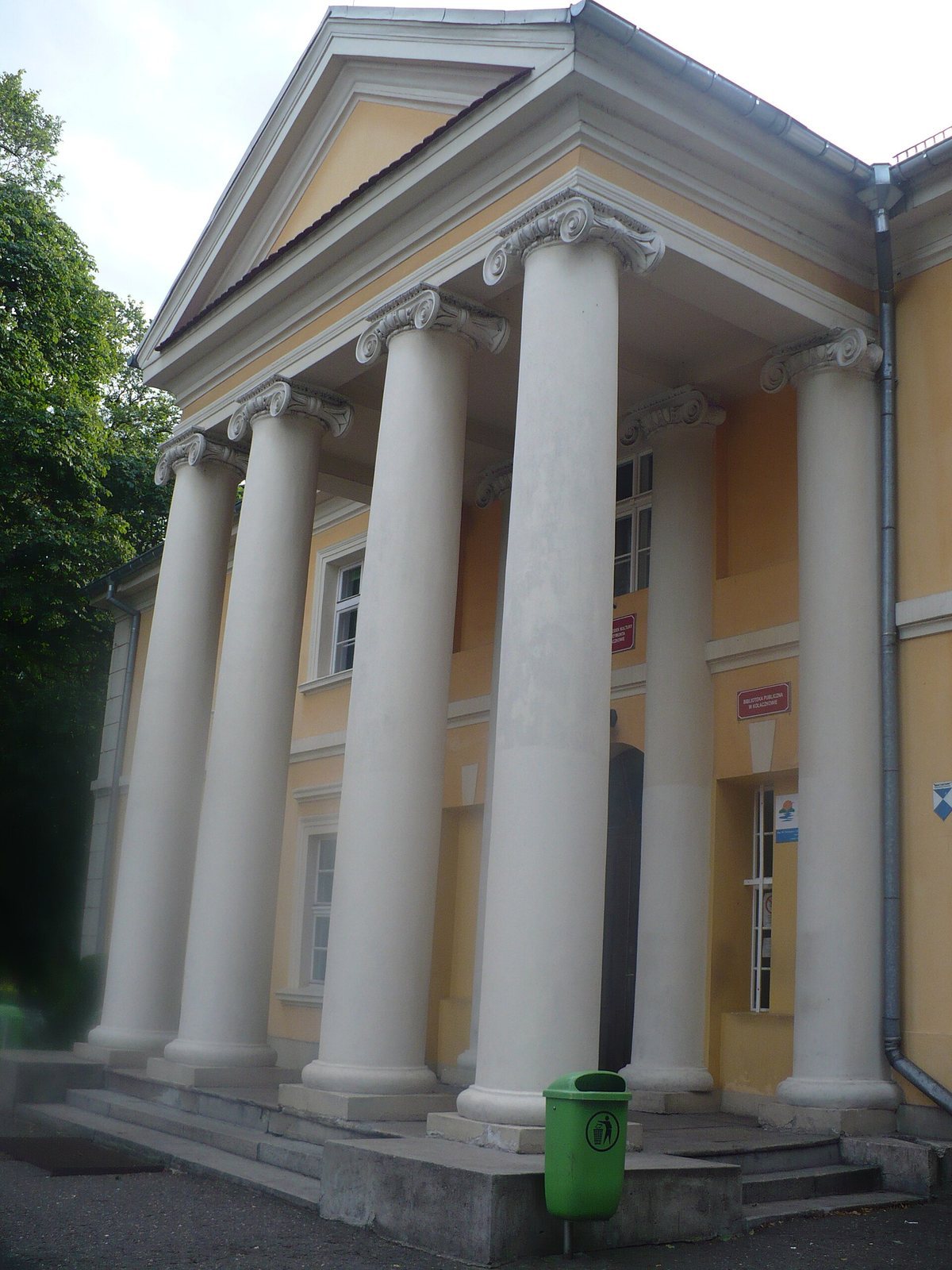
The palace has a rectangular plan and a front façade with an Ionic portico, a roofed entrance supported by eight columns with scroll-shaped capitals. Some art historians classify the building as a manor as well as a palace.
Park and outbuildings
A park beside the palace contains a Classicist outbuilding dating to the first half of the nineteenth century, along with farm buildings.
Reymont’s furniture
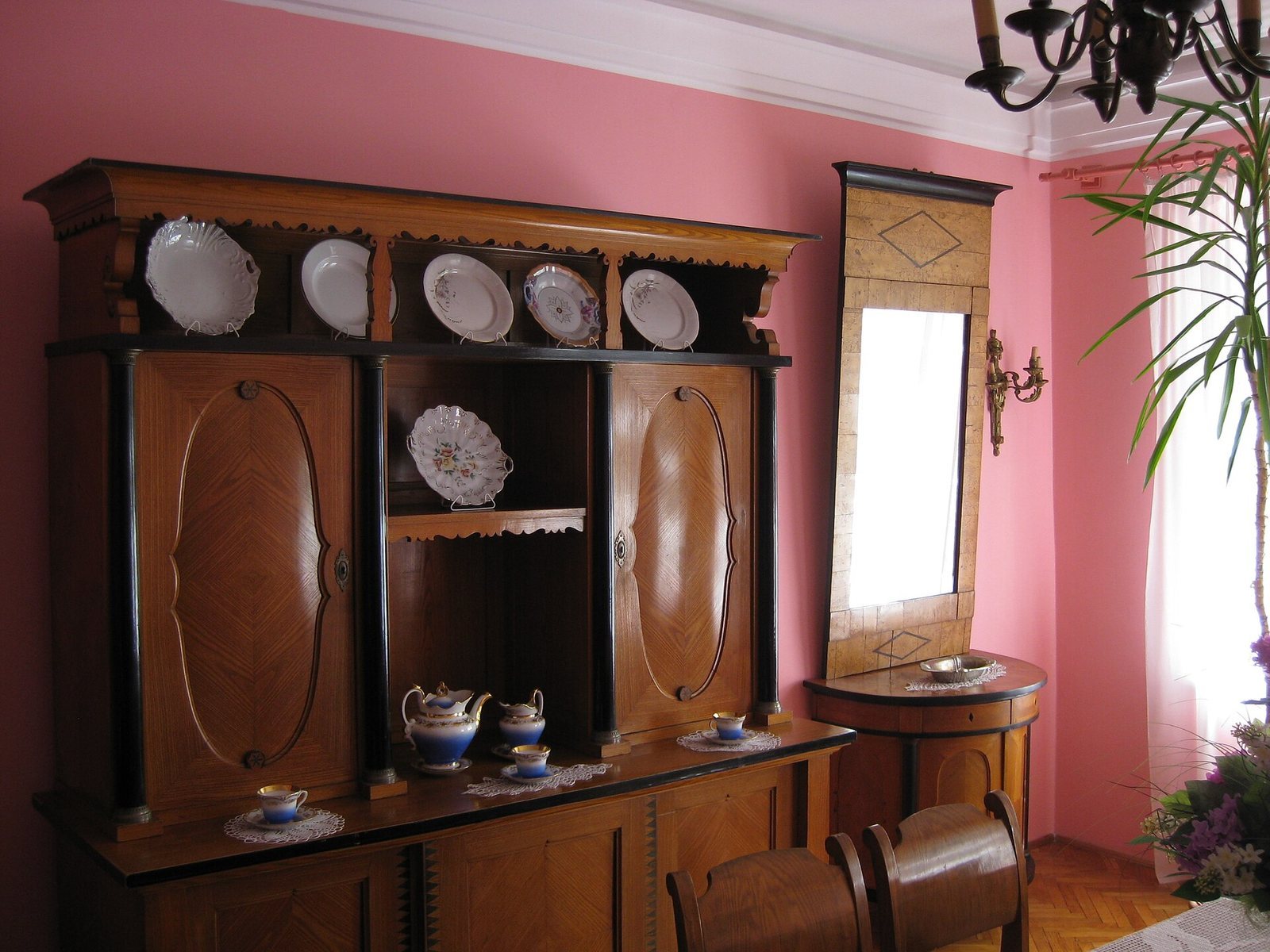
Furniture used by Reymont has survived.