Wanborough Manor: An Elizabethan House and SOE Training School
Site at a Glance
- Popularity
- Medium
- Country
- United Kingdom
- Primary era
- Early Modern
- Eras represented
- Early Modern, Modern
- Civilizations
- British, English
- Site type
- Domestic
- Remains
- Elite Residence
On this page11 sections
History
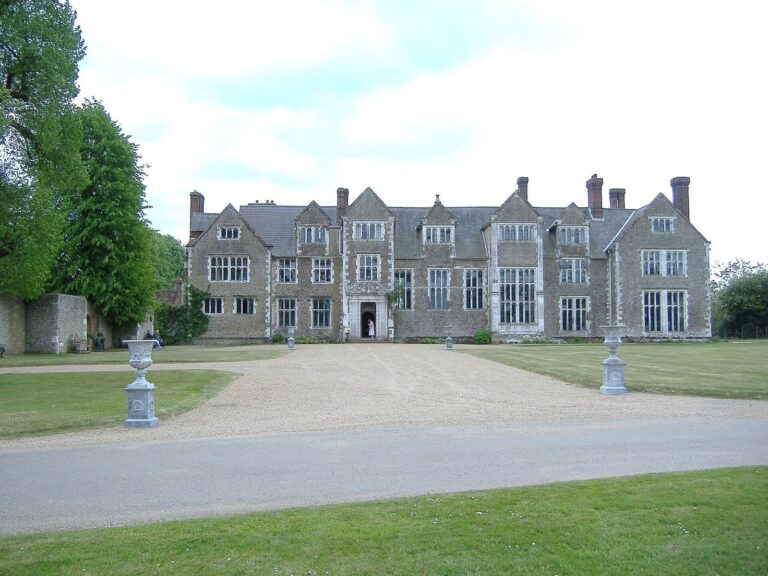
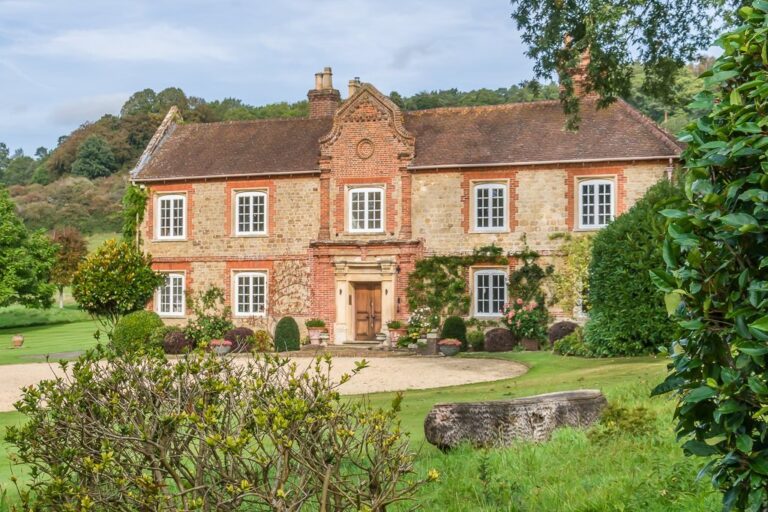
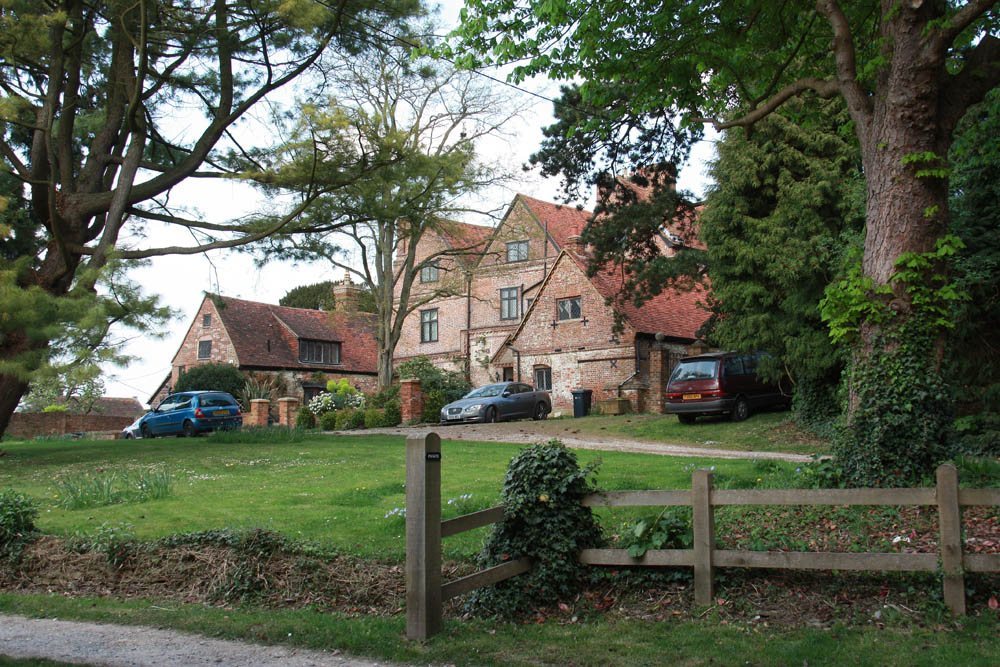
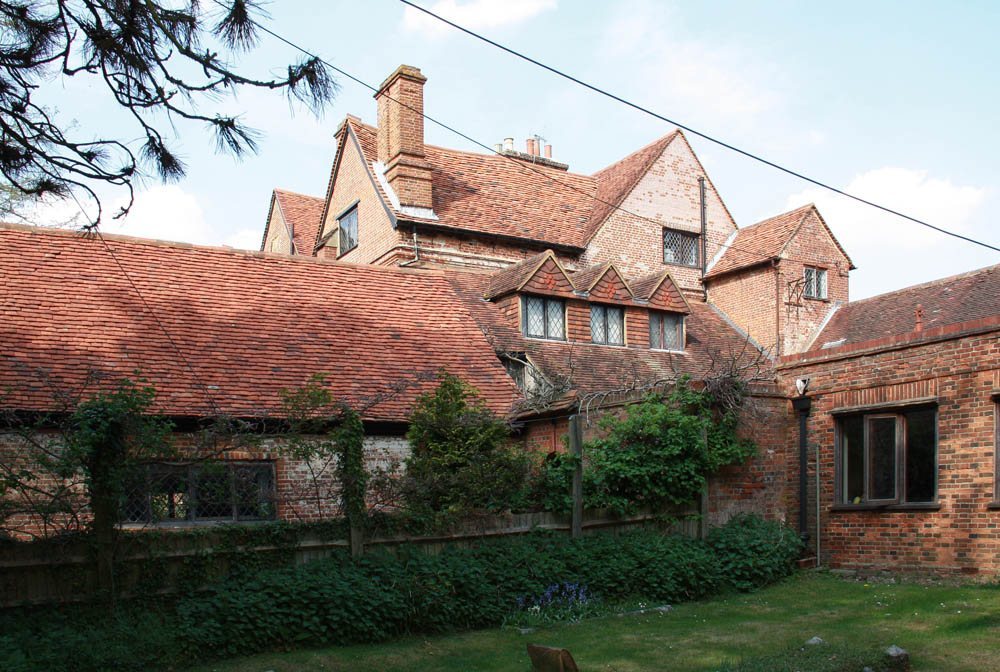
Wanborough Manor is an Elizabethan house on the Hog’s Back in the Borough of Guildford, Surrey, United Kingdom. Dating to the sixteenth century, it was enlarged in the seventeenth century and later served as a screening and training school for the Special Operations Executive (SOE), the British wartime organization that carried out clandestine operations and supported resistance in enemy-occupied territory.
Dalmahoy and the enlargement
Builders working for Thomas Dalmahoy substantially enlarged the manor. Dalmahoy, an English parliamentary politician representing Guildford, owned it through his marriage to the widowed Duchess of Hamilton, an heiress of the Earl of Dirletoun. The Hamilton estates had been confiscated, and a portion passed to the Duchess’s daughters. Dalmahoy died in 1682.
Political visitors and tenants
Sir Algernon West, a senior civil servant and principal private secretary to Prime Minister William Gladstone, lived at the manor. During this period, Queen Victoria visited and planted a tree in the grounds. Gladstone held Cabinet meetings at the house during his second premiership, and the Prussian statesman Otto von Bismarck also visited.
H. H. Asquith leased the manor until he became prime minister in 1908. He held the office until 1916.
The SOE training school
During the Second World War, the manor was requisitioned as Special Training School 5 (STS 5), one of six such SOE schools in the United Kingdom. It was directed by Major Roger de Wesselow, an officer in the Coldstream Guards, a British Army regiment. The first trainees arrived in February 1941. Enrolment continued until March 1943, when new selection procedures were established at Winterfold House near Cranleigh. Wanborough’s main purpose was to identify candidates unsuitable for undercover work and give those selected their initial training.
After preliminary interviews in London, recruits spent three or four weeks at Wanborough learning skills that included unarmed combat and silent killing. Those who passed received clothing and identity documents, were briefed on developments in France, and improved their French when needed. Some then continued to arms and explosives training at Arisaig House in Inverness-shire. Candidates needing specialist instruction, including radio operators, went to other schools before parachute training.
The SOE’s French branch, known as F Section, drew heavily on Wanborough. Around 400 British agents were sent to France, and about 130 had trained at the manor. Fifty of those trained there failed to return, including 12 women. Diana Rowden, who worked in France under the codename Paulette, was captured and executed in 1943 after four months undercover.
Noreen Riols, then a teenage student at a French school, was among those sent to Wanborough to help with training and vetting. In Of Their Own Choice, Peter Churchill recalled a three-part course at the manor that included firearms, explosive sabotage, map-reading, and Morse-code communication. After the war, the manor returned to private ownership.
Remains
The surviving site comprises the manor house and its grounds on the Hog’s Back, a ridge in Surrey. The grounds retain physical traces of the property’s wartime use as an SOE training school.
House and grounds
The manor house
Wanborough Manor is an Elizabethan house set on the ridge. Its sixteenth-century origins and later enlargement form the main architectural history described for the building.
Wartime training traces
The grounds contain a bullet-riddled wall and holes used for testing explosives. These features are physical evidence of the manor’s wartime training role.
Commemorative memorials
Wanborough Church
A plaque in Wanborough Church commemorates agents trained at the manor who died.
Tilford Church
Tilford Church has a separate memorial to Diana Rowden.