Wallace Monument: A Victorian Memorial to William Wallace and Scottish Heroes
Site at a Glance
- Popularity
- Very High
- Country
- United Kingdom
- Primary era
- Modern
- Eras represented
- Modern
- Civilizations
- British
- Site type
- Civic
- Remains
- Monument
On this page12 sections
History
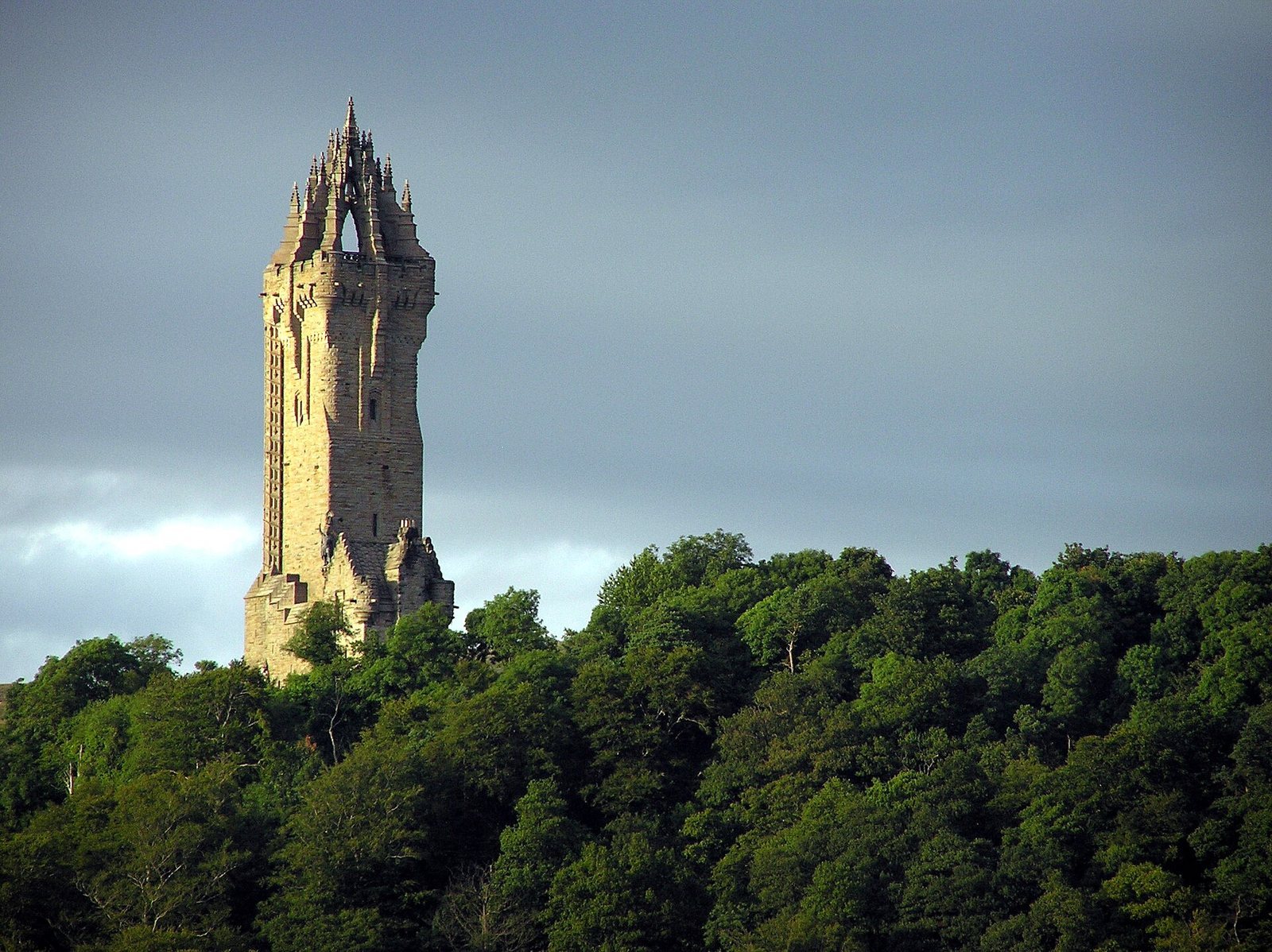
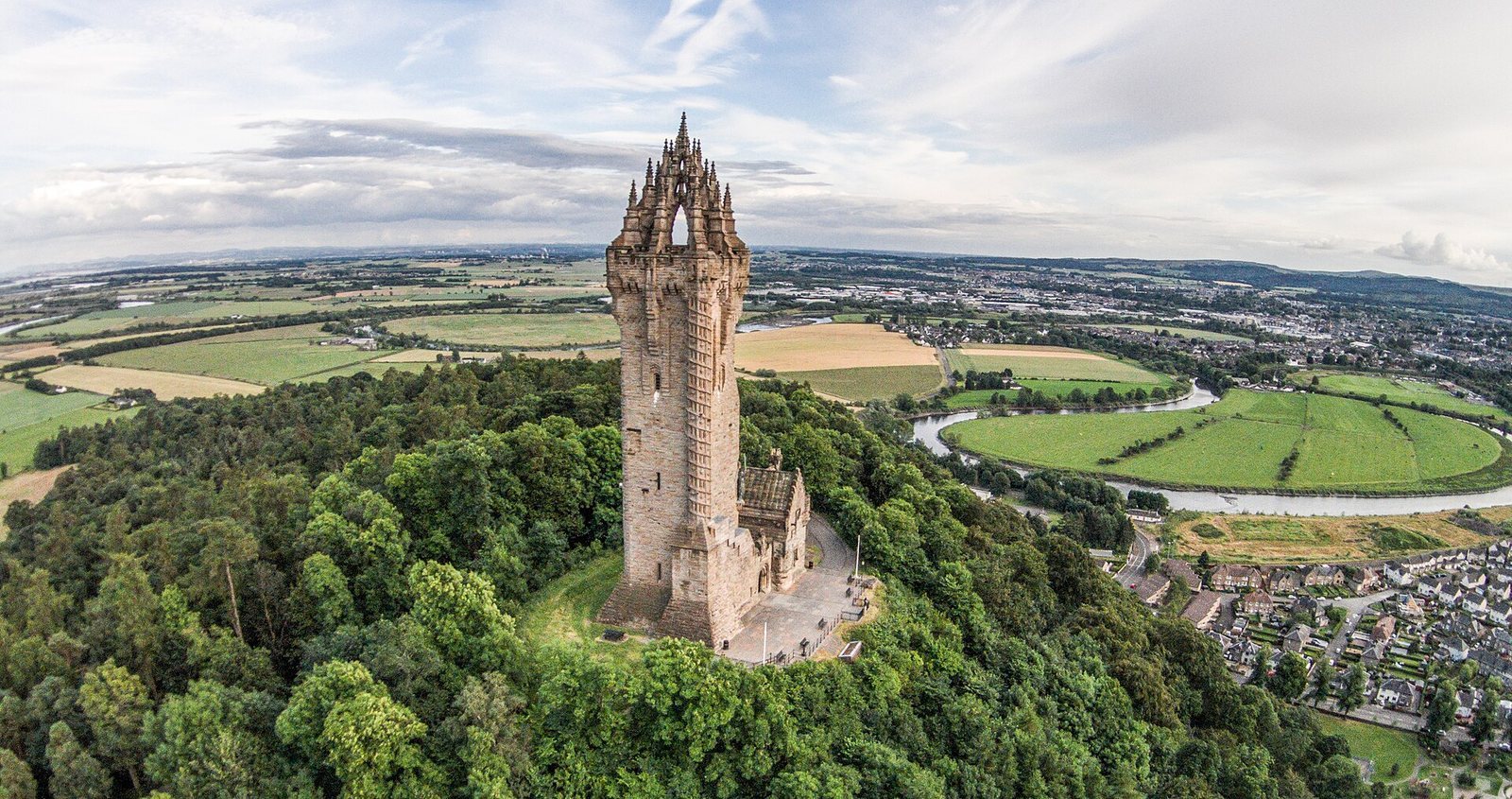
The Wallace Monument is a Victorian Gothic and Scottish Baronial memorial tower on Abbey Craig, more than three kilometres north of Stirling in Scotland, United Kingdom. Built to commemorate Sir William Wallace and other Scottish heroes, it arose during a resurgence of Scottish national identity and was intended to express Scottish unity and freedom. Tradition holds that Wallace watched the forces of Edward I, king of England, gather from the crag before the Battle of Stirling Bridge in 1297. The battle was a major Scottish victory in the Wars of Scottish Independence, conflicts between Scotland and England over Scotland’s independence.
The nineteenth-century campaign
A fundraising campaign began in Glasgow in 1851 under the Reverend Charles Rogers. William Burns joined the effort and took sole charge around 1855, after Rogers resigned. Public subscriptions supported the project, along with donations from abroad, including one from Italian nationalist and military leader Giuseppe Garibaldi.
The Duke of Atholl laid the foundation stone in 1861 as Grand Master Mason of Scotland, the senior officeholder in Scottish Freemasonry. Designed by Scottish architect John Thomas Rochead, the tower was completed and opened in 1869 after eight years of construction. The project cost £18,000.
Recognition and later commemoration
Scotland designated the monument a Category A listed building on 4 November 1965. Category A is the highest grade in the Scottish system, reserved for buildings considered nationally or internationally important.
A separate Wallace sculpture called Freedom, carved by Tom Church and inspired by the film Braveheart, was installed near the visitor centre in 1997. Its Wallace figure has the face of actor Mel Gibson. The sculpture drew widespread dislike and was repeatedly vandalized before being enclosed in a protective cage. Removed in 2008 and returned to Church, it later left his garden, where it had been incorporated into a replica castle. A possible move to Ardrossan was considered in 2016; in September 2021 the sculpture was moved to Glebe Park stadium in Brechin.
Remains
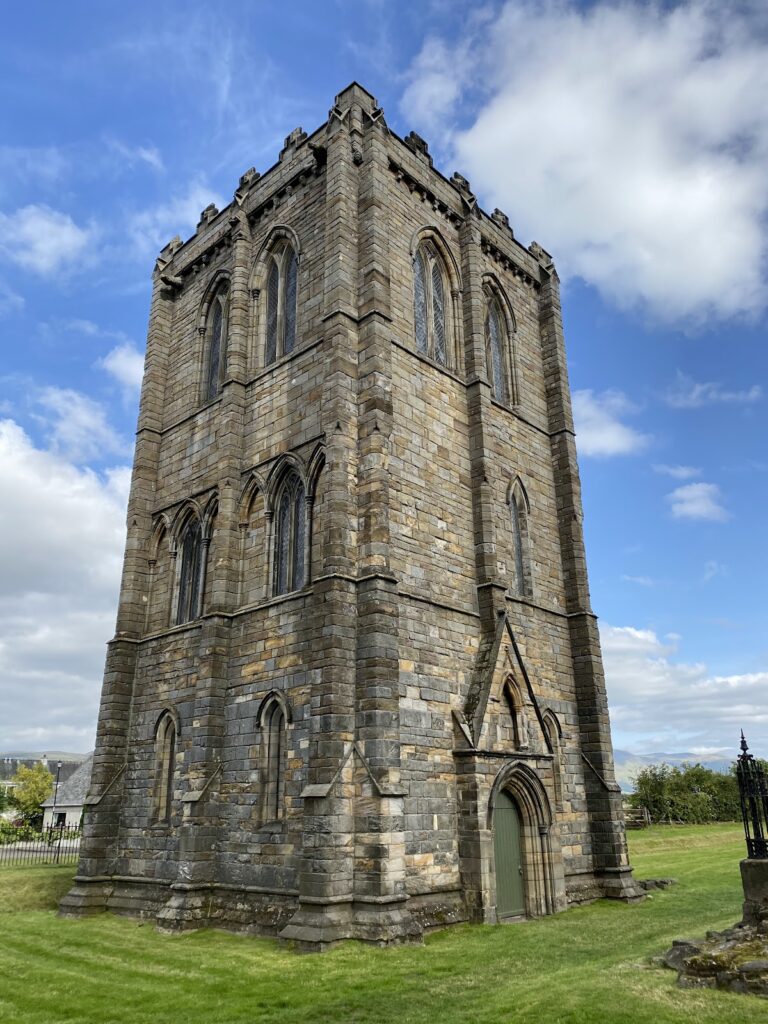
The monument stands on the shoulder of volcanic Abbey Craig, overlooking Stirling and above Cambuskenneth Abbey. Its principal feature is a square sandstone tower, accompanied by a two-storey keeper’s building. The buildings combine Victorian Gothic design, which revives medieval Gothic forms, with Scottish Baronial features inspired by Scottish castles and historic houses.
The tower and its associated features
The tower
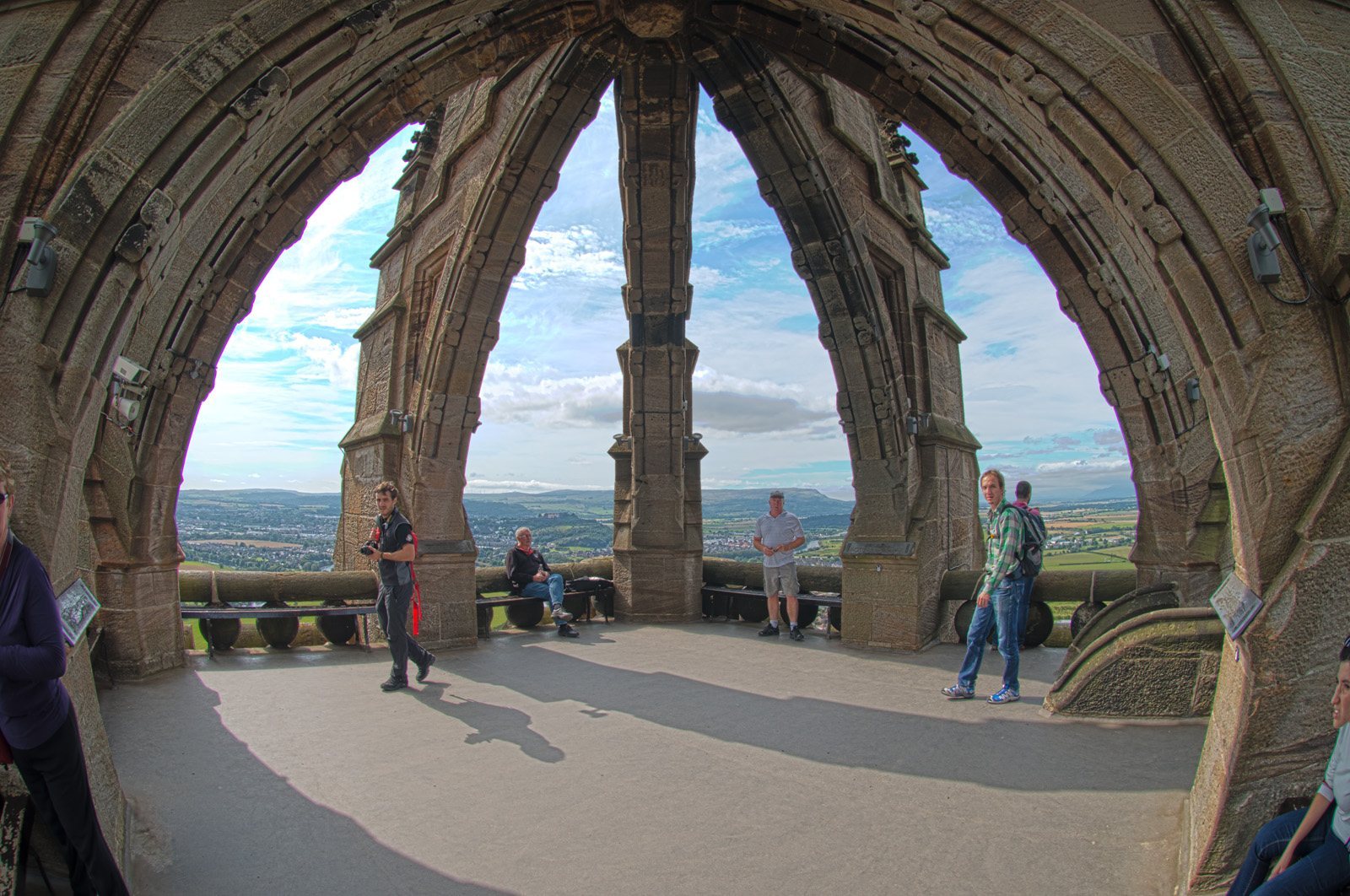
The tower rises 67 metres and has four storeys, with a stone lantern at its crown. A spiral staircase of 246 steps runs up its north-west side to a viewing gallery, which looks across the Ochil Hills and the Forth Valley. Three exhibition rooms occupy the tower, and its floors present Scottish history.
Keeper’s building and entrance
A two-storey keeper’s building stands beside the tower. The space between the two buildings is covered by a glass roof and serves as a reception hall. Above its entrance are the Wallace family coat of arms and the motto Esperance, meaning “hope.”
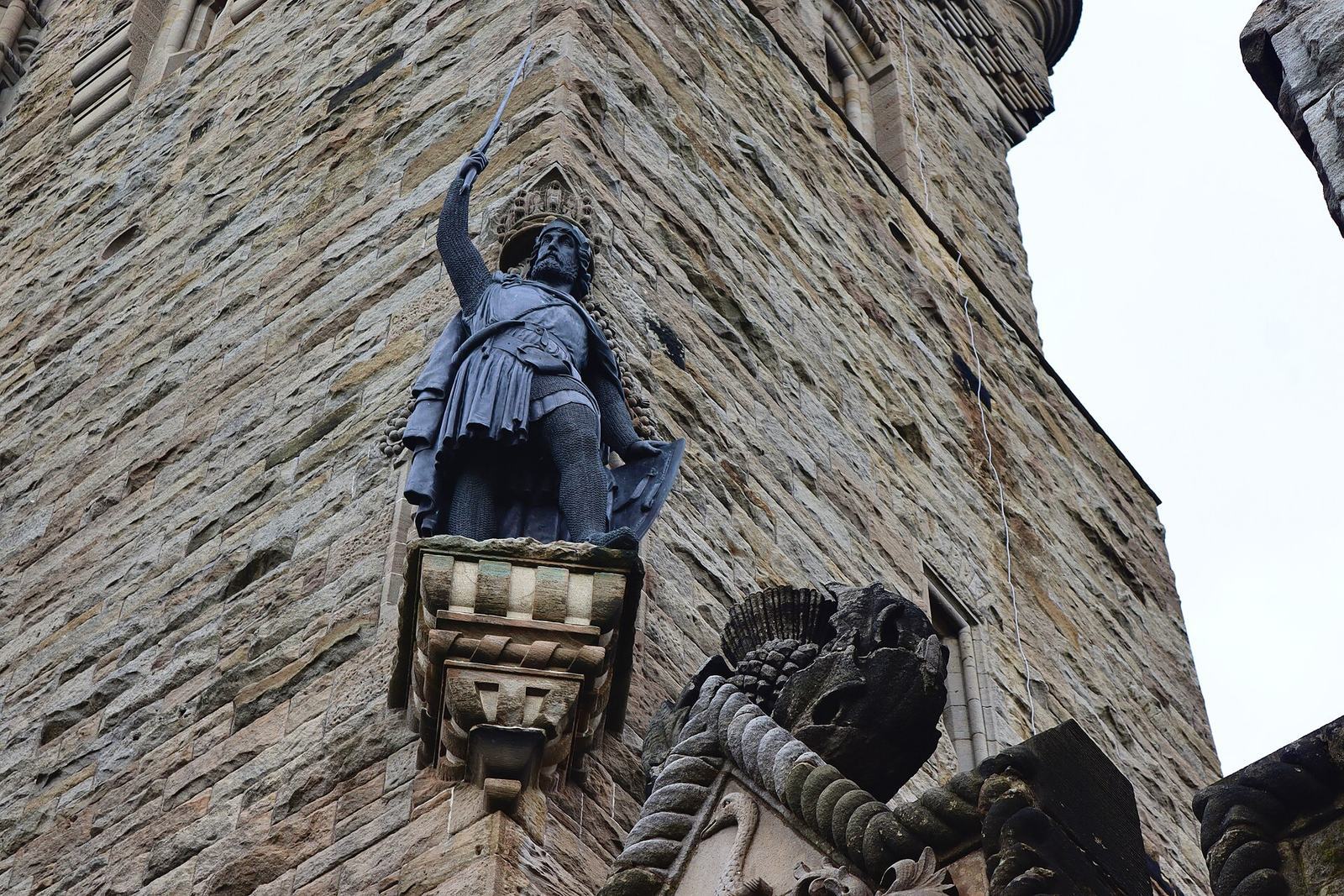
Wallace statue
A Victorian bronze statue by David Watson Stevenson stands on the tower’s south-west side. It depicts Wallace in mail armour, holding a two-handed sword.
Interior displays
Hall of Heroes
The Hall of Heroes contains sixteen busts, fifteen marble and one bronze, most sculpted by D. W. Stevenson. They represent Robert the Bruce, king of Scots; scholar George Buchanan; reformer John Knox; poets Allan Ramsay, Robert Burns and Robert Tannahill; economist Adam Smith; inventor James Watt; novelist Sir Walter Scott; engineer and inventor William Murdoch; physicist David Brewster; writer and historian Thomas Carlyle; geologist Hugh Miller; minister Thomas Chalmers; explorer and missionary David Livingstone; and British statesman William Ewart Gladstone.
Stained-glass windows
Stained-glass windows appear in every room of the tower. Four images in the Hall of Heroes show a medieval archer, a medieval spearman, Robert the Bruce in full armour and William Wallace leaning on his sword.
Wallace’s sword
Objects believed to have belonged to Wallace are displayed inside the monument. Among them is a 1.63-metre sword weighing 2.35 kilograms, described as a claymore, a large Scottish two-handed sword. It is shown in the room devoted to Wallace’s life. The sword may have been secured after the Battle of Stirling Bridge and kept at Dumbarton Castle until 1888.