Wakehurst: Historic Estate and Botanical Garden in West Sussex
Site at a Glance
- Popularity
- Medium
- Country
- United Kingdom
- Primary era
- Early Modern
- Eras represented
- Early Modern, Modern
- Civilizations
- British, English
- Site type
- Domestic
- Remains
- Park
On this page12 sections
History
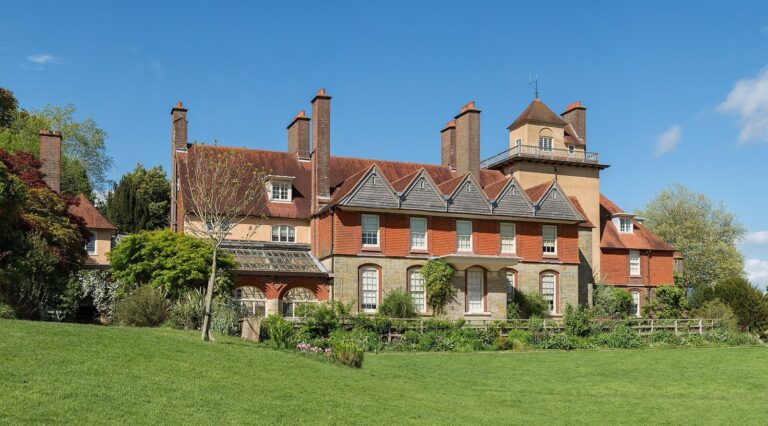
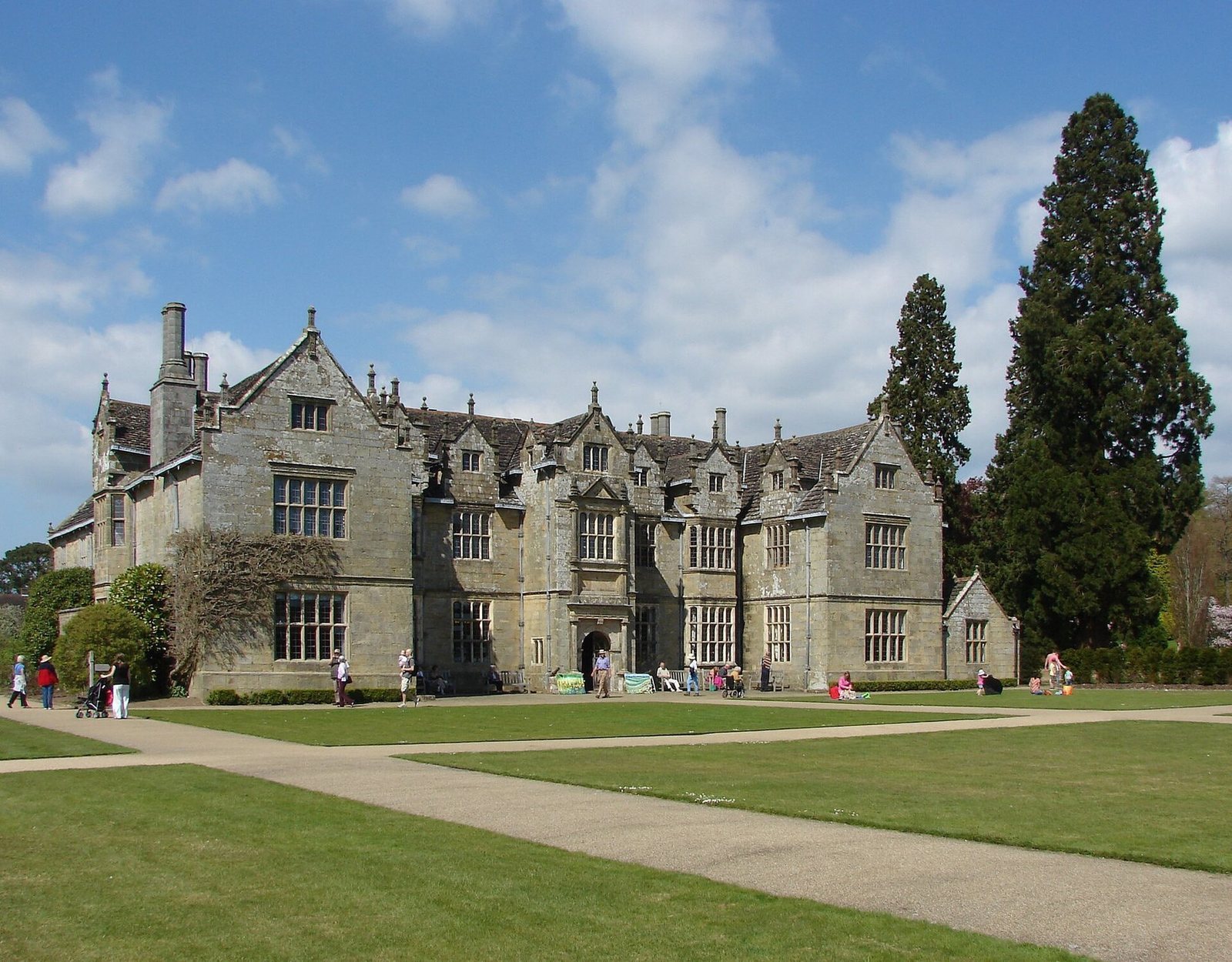
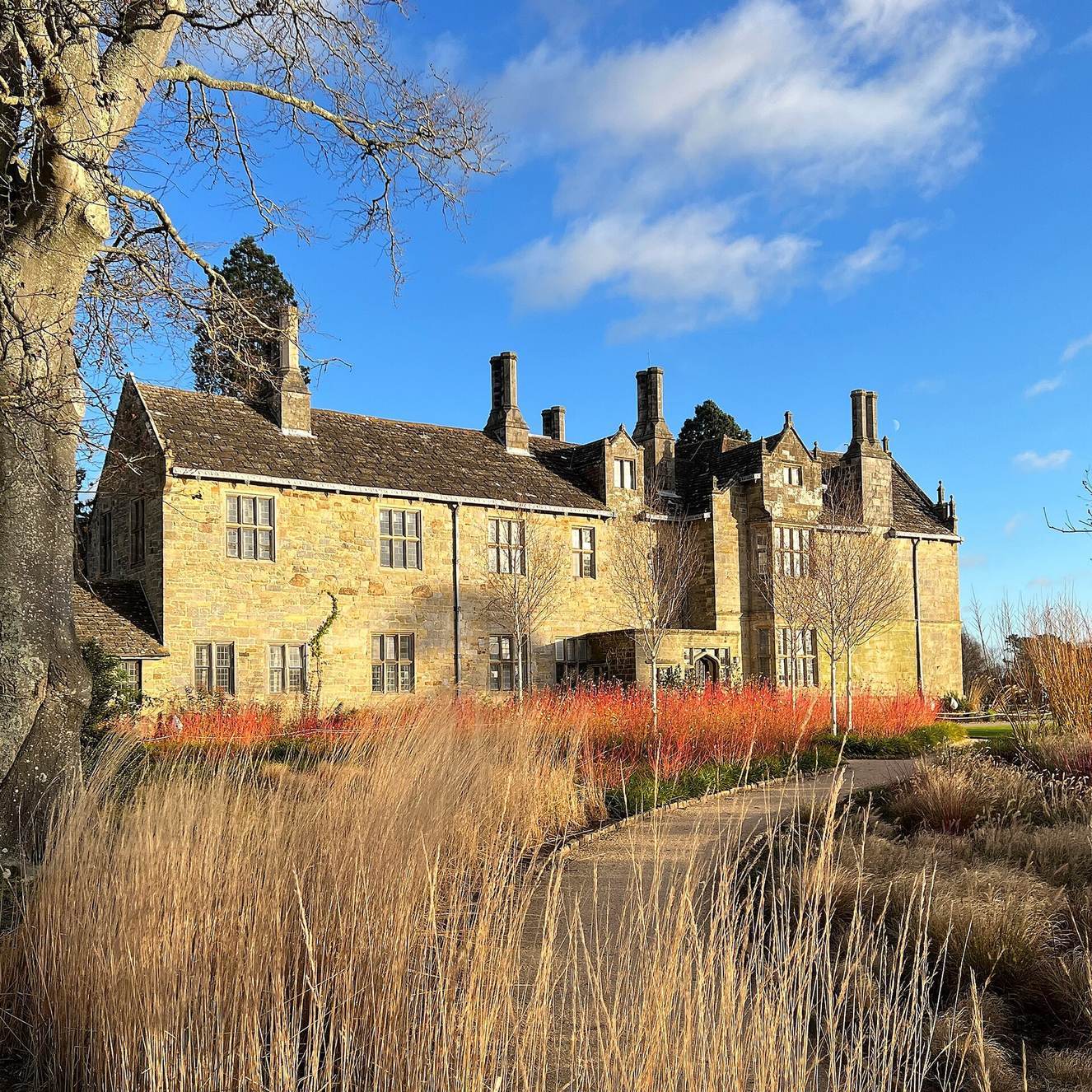
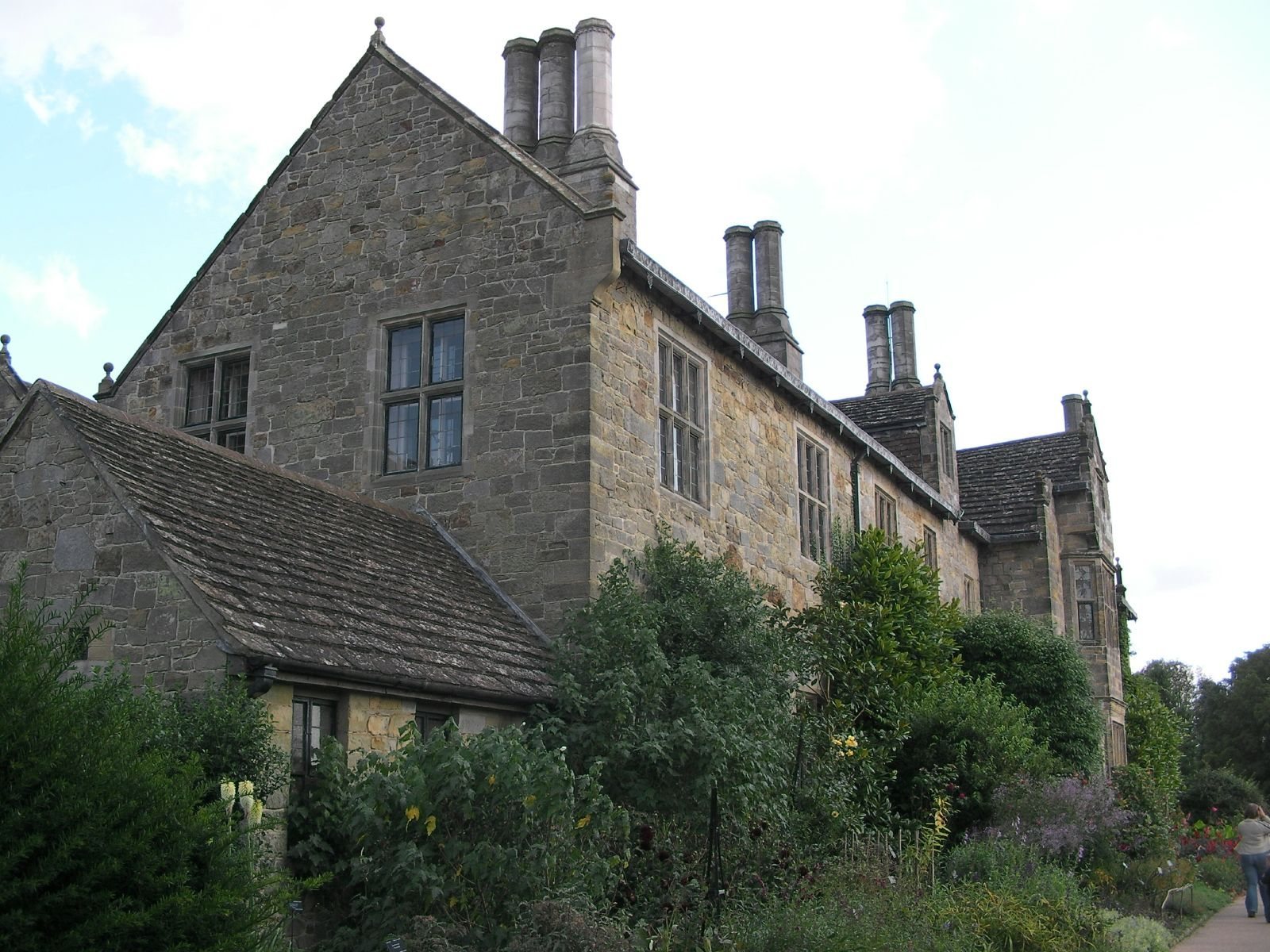
Wakehurst, near Ardingly in West Sussex, United Kingdom, is a historic estate centered on a mansion built in 1590 by Sir Edward Culpeper. The National Trust, a UK conservation organization, owns the estate, while the Royal Botanic Gardens, Kew, a botanical research and conservation institution, manages it.
Foundation and changing ownership
Dennis Lyddell bought Wakehurst in 1694. His son Richard became involved in a costly legal dispute after an affair with Lady Bergavenny, the wife of William Nevill, 16th Baron Bergavenny. Rather than pay £10,000 in damages, Richard transferred the estate to his younger brother Charles and went abroad. He later represented Bossiney as an opposition Whig member of Parliament, or MP, and briefly held the senior government post of Chief Secretary for Ireland.
In 1869, the mansion was sold to Caroline, Dowager Marchioness of Downshire, the widow of Arthur Hill, Marquess of Downshire. The estate subsequently passed to the Boord baronets.
Gardens and botanical conservation
Gerald Loder, later Lord Wakehurst, purchased the estate in 1903 and devoted 33 years to developing its gardens. Sir Henry Price succeeded him; the plantings matured under Price’s care, and he left Wakehurst to the nation in 1963. Kew began leasing the estate from the National Trust in 1965 and expanded the gardens while establishing the Loder Valley and Francis Rose nature reserves. Tony Schilling served as curator, responsible for managing the site, from 1967 to 1991.
The Great Storm of 1987 toppled about 20,000 trees and devastated plantings created by Loder. Kew later redesigned the gardens.
Kew’s Wellcome Trust Millennium Building opened in 2000 to house the Millennium Seed Bank. Its aims included collecting seeds from all native UK flora and conserving seeds from a quarter of the world’s flora by 2020, an estimated 75,000 plant species. By 2025, the bank held seeds from nearly all UK plant species suitable for storage and from around 40,000 species worldwide. Working with partner organizations, it became the world’s largest project for ex-situ conservation, which protects species outside their natural habitats.
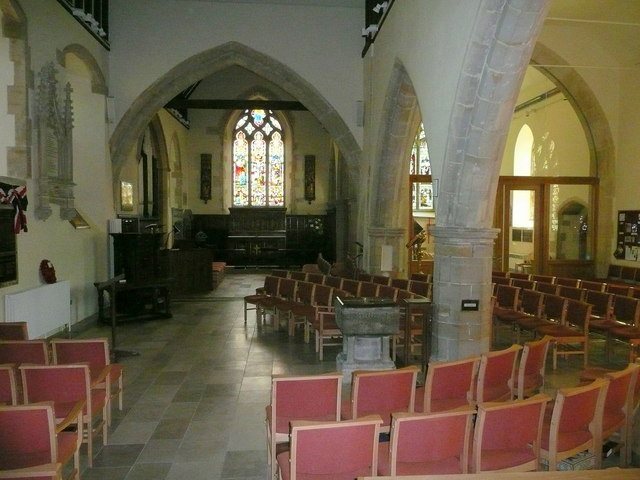
Wakehurst is Grade I listed, England’s highest listed-building category. Its gardens and stables are Grade II*, a category for particularly important buildings or gardens, while South Lodge and the gateway are Grade II listed. The mansion closed in 2022 for extensive renovation.
Remains
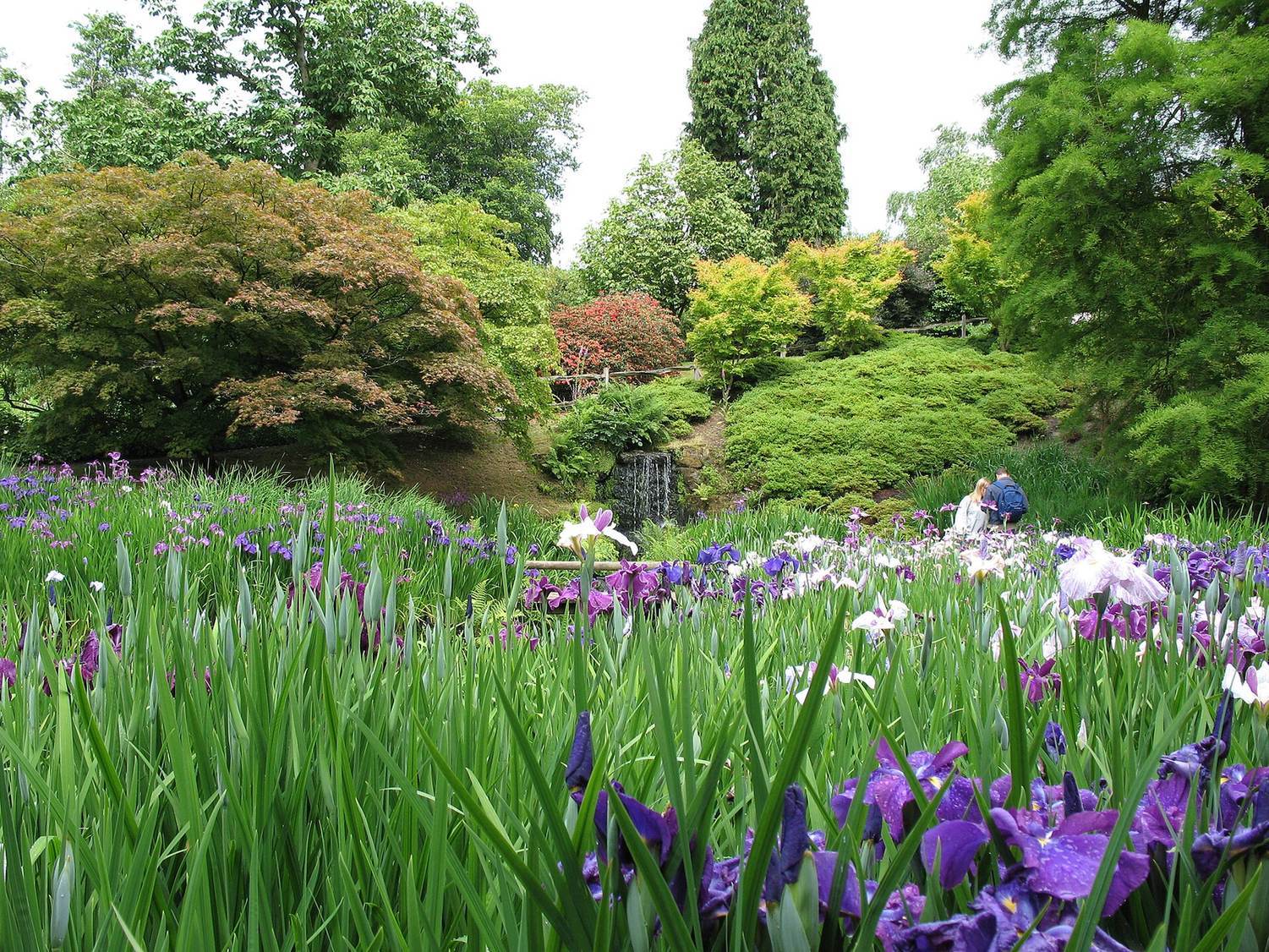
The estate covers about 2 square kilometres (490 acres) within the High Weald. Its grounds include the mansion, gardens, woodland and wetland conservation areas, as well as a modern building for seed storage. The historic buildings and varied planted and natural areas form the principal parts of the site.
Mansion and estate buildings
Wakehurst mansion
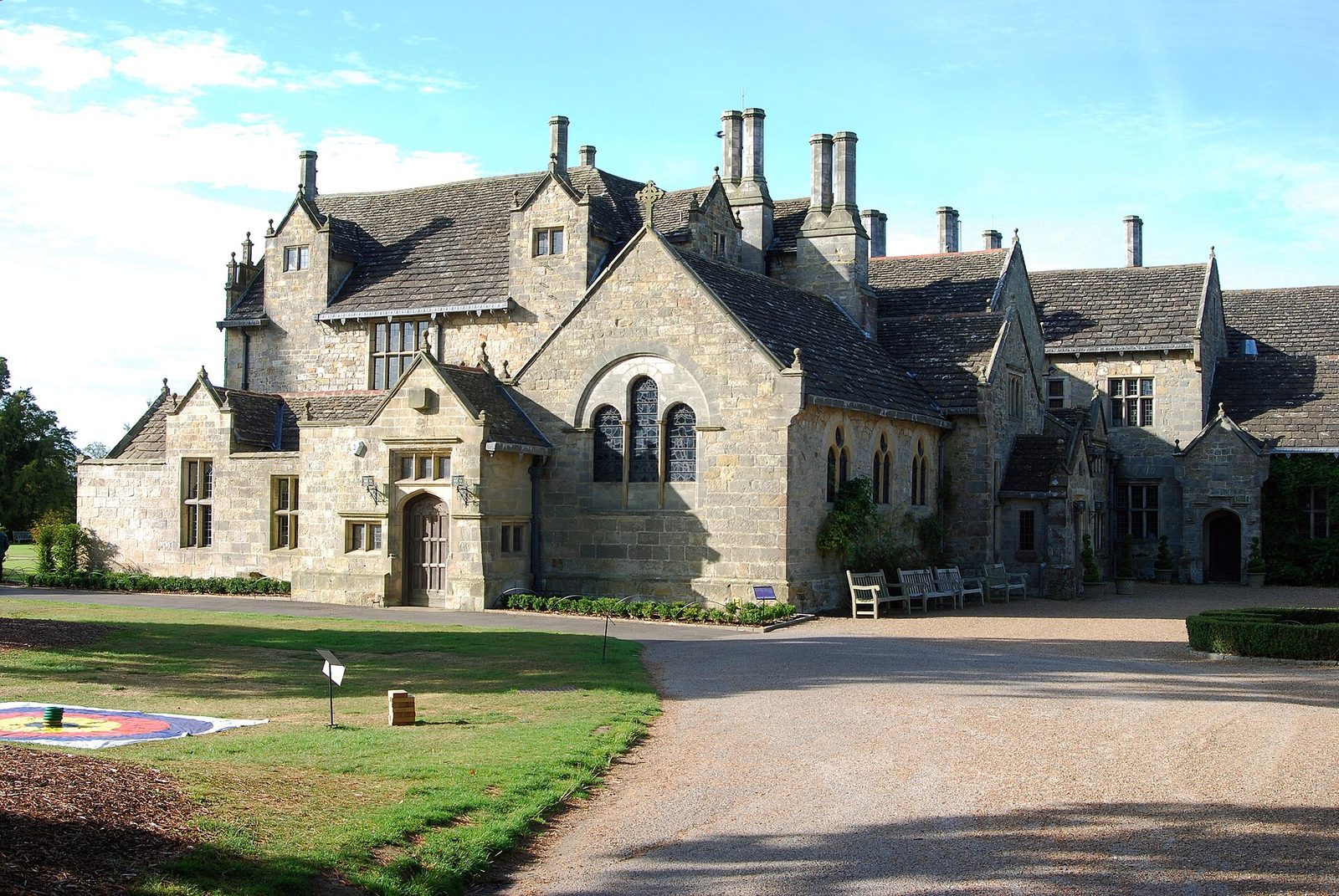
The mansion’s present plan is E-shaped. Culpeper’s original house formed a complete courtyard, and the building underwent several later alterations. An illustration of the mansion appeared in Joseph Nash’s 1839 book The Mansions of England in the Olden Time.
Stables, lodge, and gateway
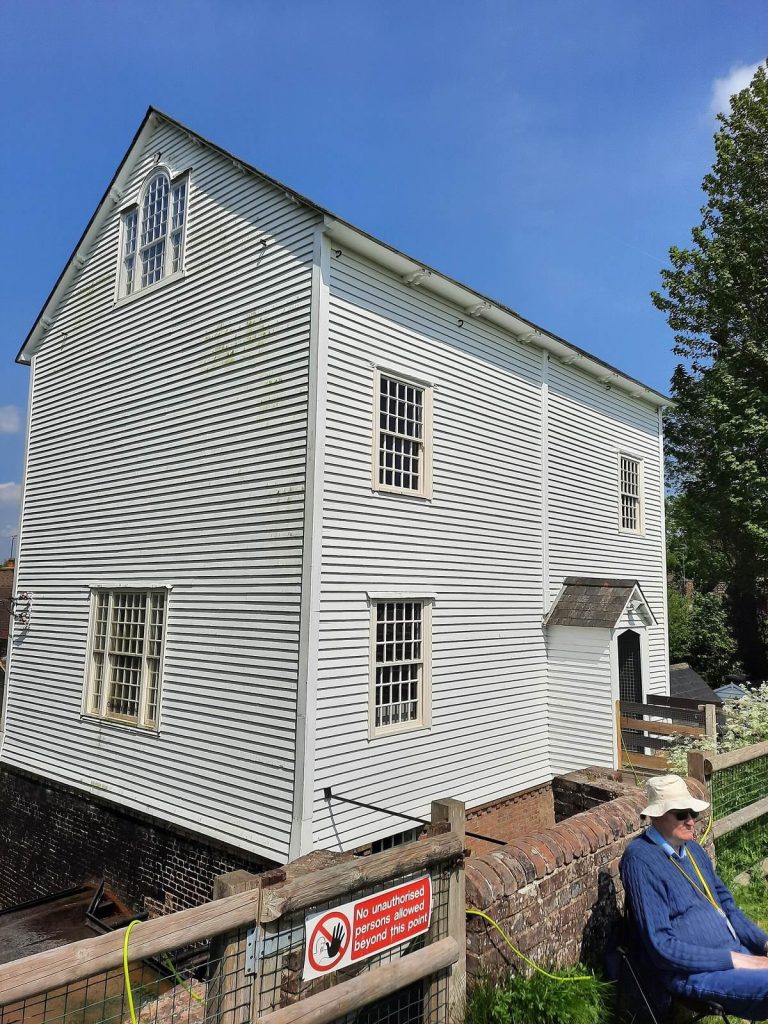
The estate also includes the stables, South Lodge, and a gateway. The stables are listed Grade II*, while South Lodge and the gateway are Grade II listed.
Gardens and conservation areas
Botanical gardens
The gardens include walled and water gardens, alongside National Collections, specialist plant collections, of Betula (birches), Hypericum, Nothofagus (Southern Hemisphere beeches), and Skimmia. Kew’s botanical work at Wakehurst focuses on collecting and studying wild plants worldwide, particularly woody plants.
Nature reserves
The Loder Valley Nature Reserve contains woodland, meadowland, and wetland habitats. The Francis Rose Reserve is devoted to mosses, lichens, and ferns and was the first reserve dedicated to these plant groups.
Giant redwood
A 35-metre (115-foot) giant redwood is identified as England’s largest growing Christmas tree. It is illuminated annually with about 1,800 lights. In 2006, energy-saving bulbs replaced the earlier lights, reducing energy use but also making the display less bright.
Millennium Seed Bank
The seed bank occupies a largely underground building. Refrigerated storage rooms preserve seeds for the long term.