Vršovice Castle: An Estate and Administrative Seat in Czechia
Site at a Glance
- Rating
- 3.9
- Popularity
- Very Low
- Country
- Czechia
- Primary era
- Early Modern
- Eras represented
- Medieval, Early Modern
- Civilizations
- Habsburg, Holy Roman Empire, Kingdom of Bohemia
- Site type
- Domestic
- Remains
- Castle
On this page9 sections
History
Medieval Origins and Renaissance Transformation
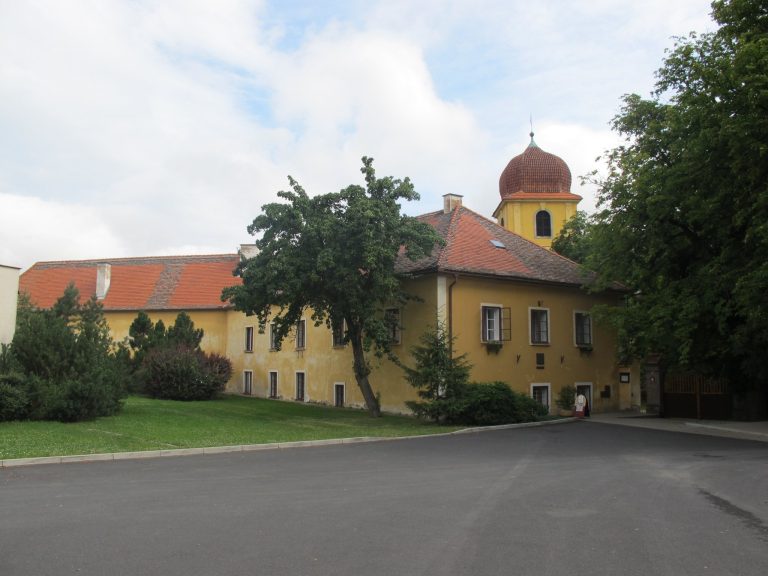
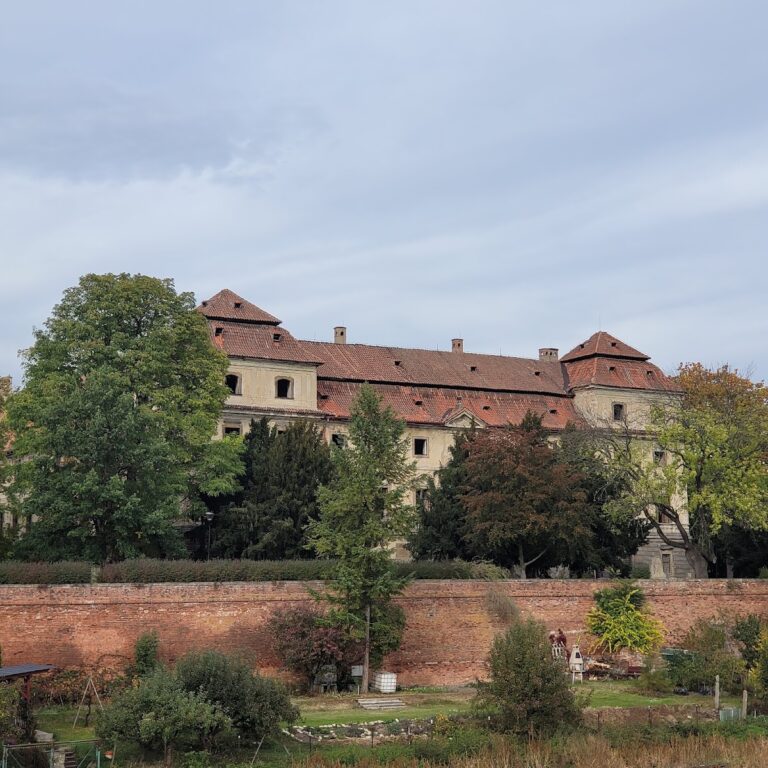
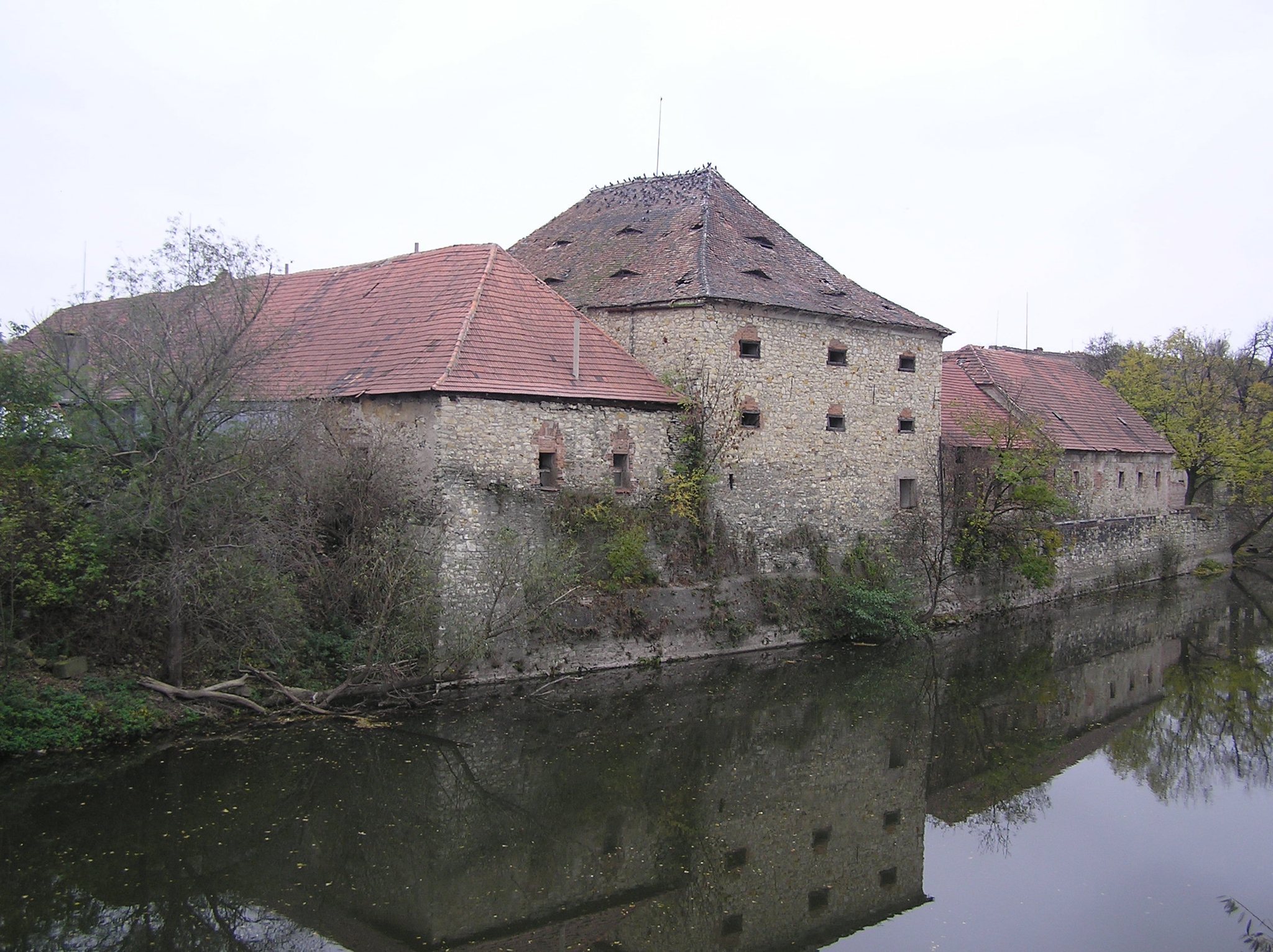
Vršovice Castle is a late Renaissance and Baroque castle in Czechia, in the southern part of Vršovice. Its completion is probably marked by the date 1628 above the main portal. The castle developed from an earlier fortified manor that served as the residence of the owners of the Vršovice estate.
The predecessor fortress is first mentioned in 1419, although a noble residence may have existed there earlier. The Rydkéř family of Polensko acquired the estate in 1396 and held it until 1474. During the sixteenth century, ownership passed from the Sokol family of Mor, recorded as owners from 1517, to the Zákostelský family of Bílejov in 1598. The medieval fortress was probably adapted into a small rural residence during this period.
The Seventeenth-Century Castle
Prokop Dvořecký of Olbramovice, an imperial councillor and provincial judge, bought Vršovice in 1615. He was executed in 1621 for taking part in the Bohemian Estates’ Revolt, an uprising of Bohemian Protestant estates against Habsburg rule that began in 1618 and opened the Thirty Years’ War. His property then passed to the Crown.
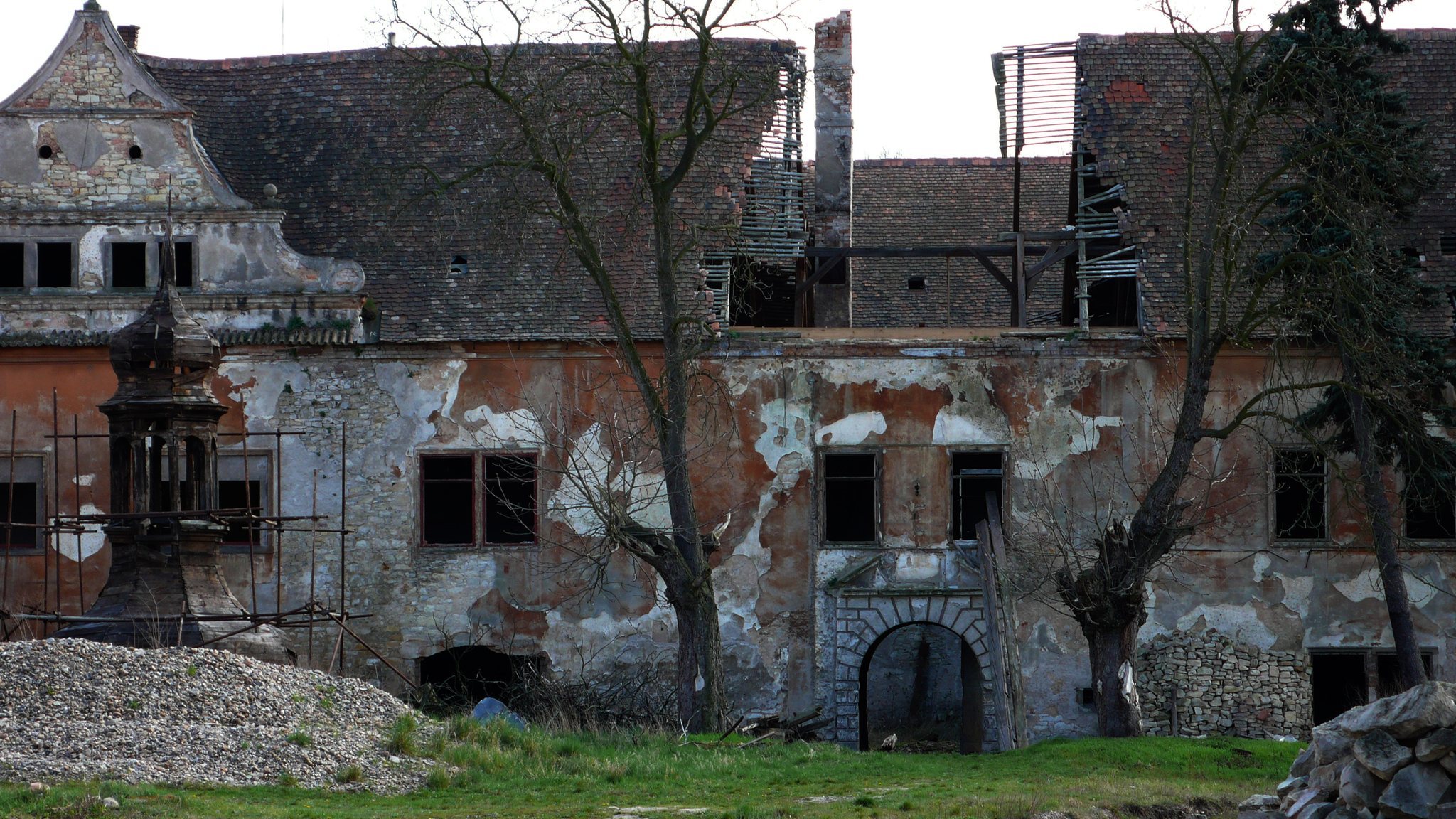
Volf Ilburk of Vřesovice acquired the estate in 1622. An alliance coat of arms associated with him and his wife, Alžběta née Berková of Dubá, appears above the main portal with the date 1628, probably indicating the completion of the castle. Several owners followed before Sylvie Kateřina Černínová purchased Vršovice in 1663. She had married into the Baden margravial house, a German ruling family whose members held the rank of margrave, and the castle remained with the Baden family until 1783.
Estate Administration and Later Ownership
Ludvík Jiří of Baden altered the castle between 1735 and 1736, although the extent of the work is unknown. The building was not the residential seat of the Baden family or of its later owners. Administration of the Vršovice estate was conducted from the Baden estates at Lovosice, while estate officials lived at the castle. The Baden family and the later Schwarzenberg owners, a major Central European princely family, mainly used the property for pheasant shooting and the adjoining land as a hunting ground.
During the Seven Years’ War and the War of the Bavarian Succession, Prussian troops occupied the castle on several occasions, damaging its interior furnishings. In 1783, Alžběta Augusta of Baden sold the estate to her relative Jan, Prince of Schwarzenberg. The Schwarzenbergs retained it until 1924, when land reform converted the estate into a residual estate, a reduced holding created from a larger aristocratic estate during the interwar reorganization of landownership.
Twentieth-Century Decline
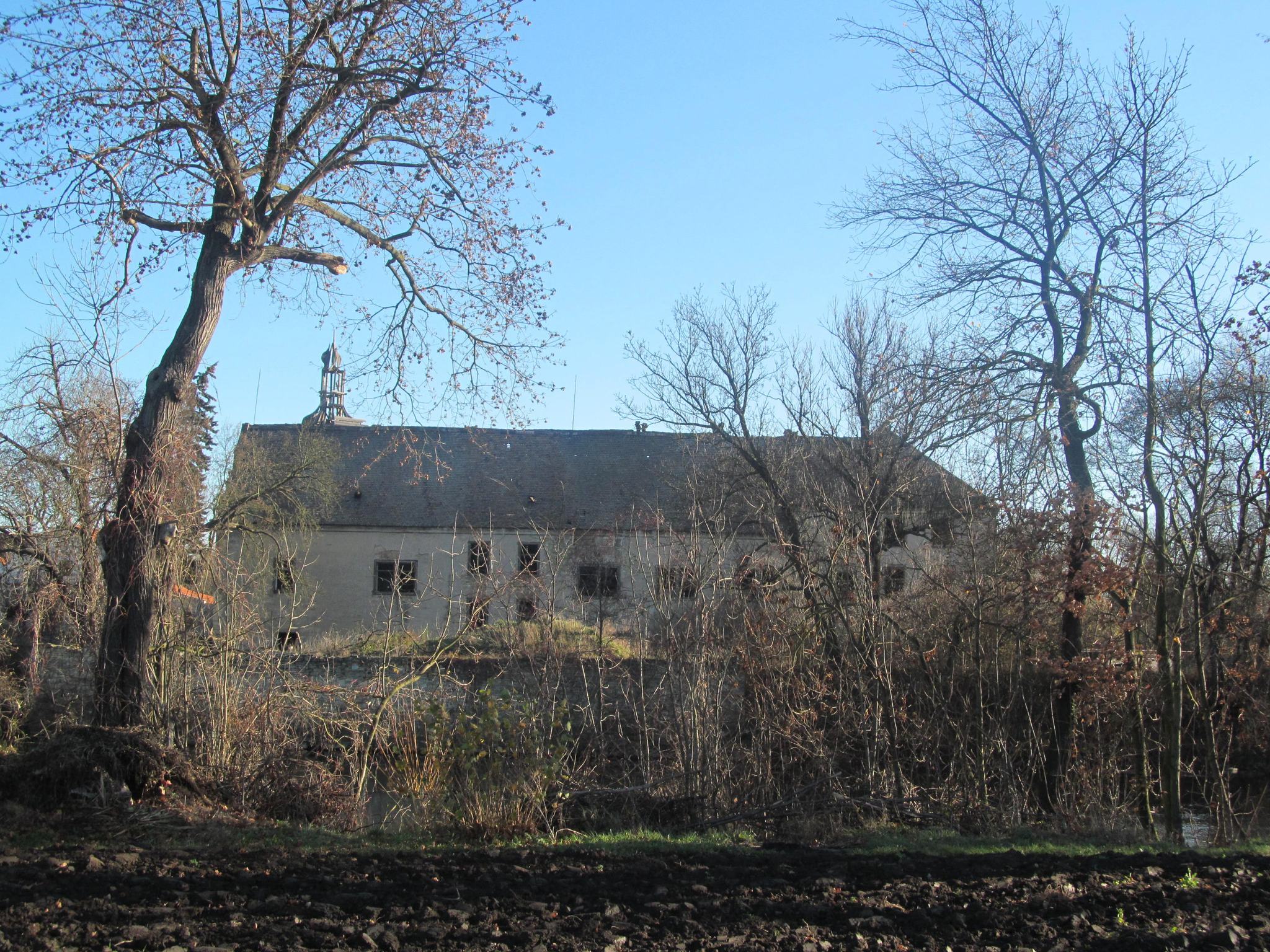
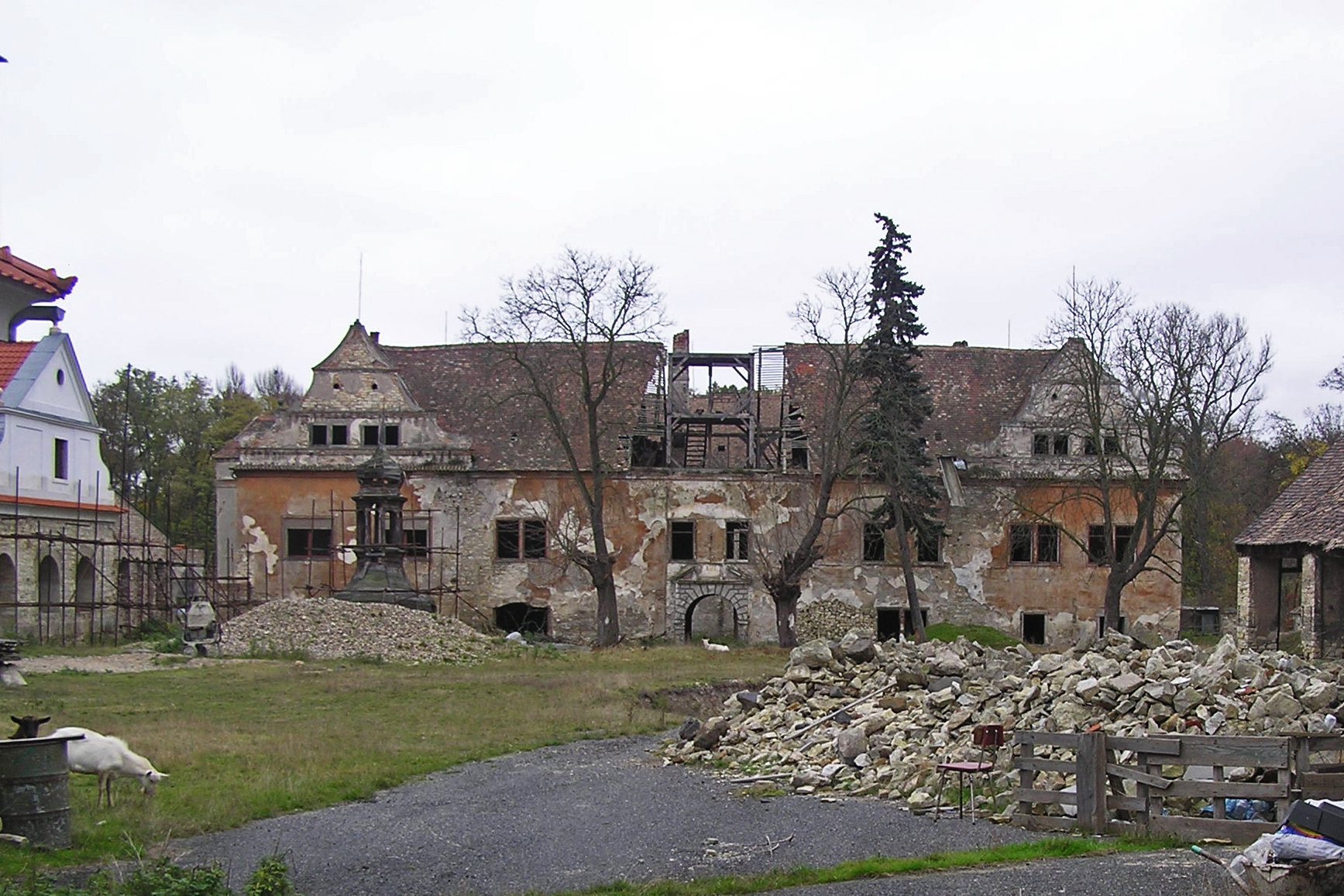
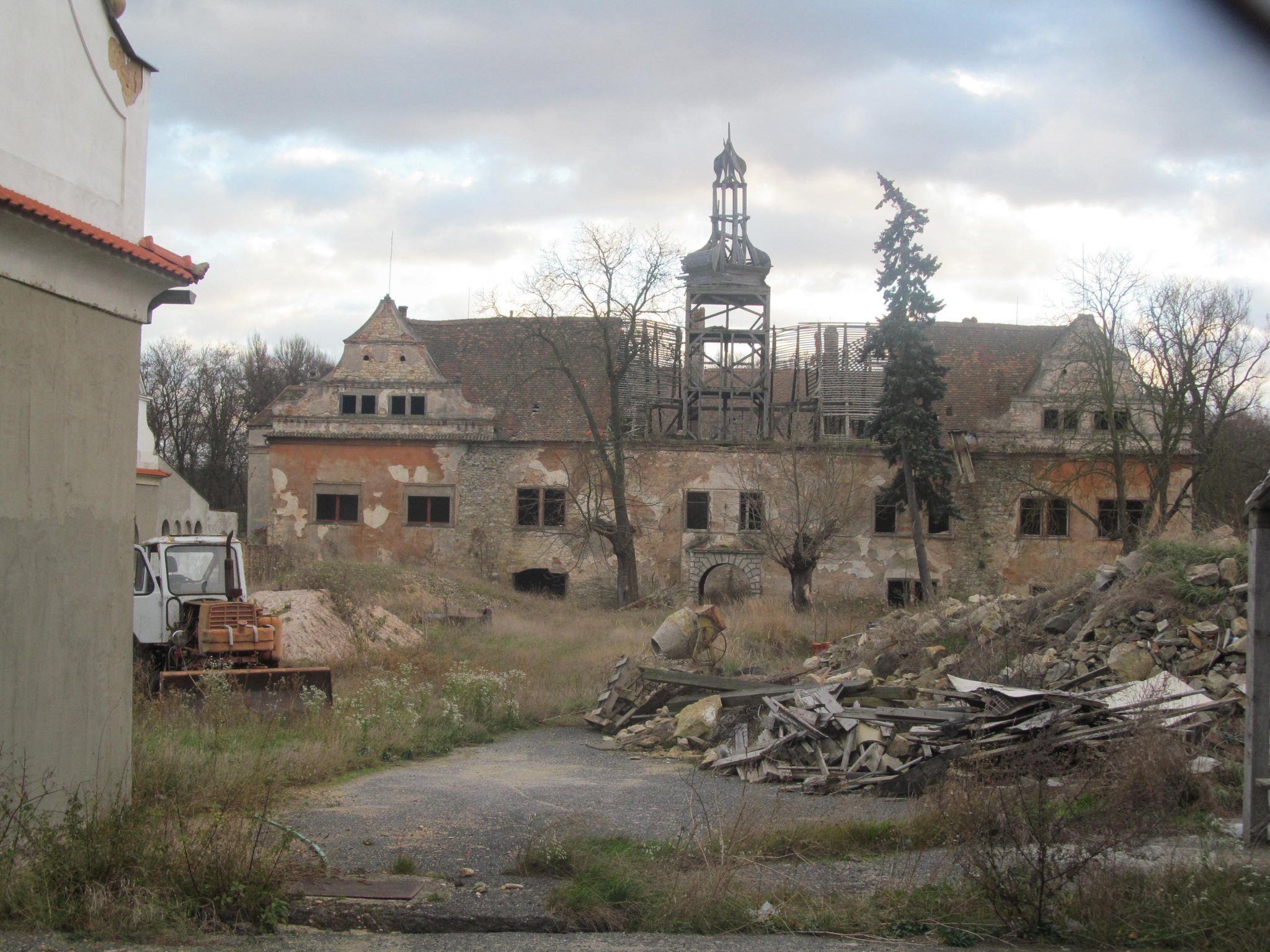
After 1945, the Local National Committee in Vršovice took ownership and converted the castle into apartments. By the late 1980s, it was almost without tenants, freely accessible, and in poor condition because it had not been maintained. After 1989, the castle passed into private ownership, but its deterioration continued. It is protected as a cultural monument of the Czech Republic and is currently unused and inaccessible. In May 2024, the castle tower collapsed.
Remains
Castle Layout and Exterior
The castle stands in a bend of the Ohře River and consists of four wings arranged around a square courtyard. Its architectural character combines late Renaissance and Baroque elements. The façades are plain and have rectangular windows. A courtyard with adjoining farm buildings extends to the north, and the farm buildings have Baroque gables.
Chapel and Arcades
The eastern wing has a projecting Chapel of the Holy Cross. Arcades, rows of arches supported by columns or piers, run along the northern wing, while the upper floor of the western wing also contains arcades. The ground-floor arcades are covered by shallow saucer vaults, and the upper arcades have barrel vaults, which are continuous tunnel-shaped vaults. The entrance passage and the ground-floor rooms of the northern wing also have barrel vaults.
Tower and Estate Buildings
At the time of the 1663 purchase, the tower facing the front already contained a clock. The estate also included hop gardens, vineyards with a wine press, a vegetable garden, a pheasantry, and a brewery. The tower collapsed in May 2024, altering the surviving form of the castle complex.