Vřísek Castle: The Vítkovec Hunting Lodge in Czechia
Site at a Glance
- Popularity
- Medium
- Country
- Czechia
- Primary era
- Early Modern
- Eras represented
- Early Modern
- Civilizations
- Habsburg, Habsburg Austria, Holy Roman Empire, Kingdom of Bohemia
- Site type
- Domestic
- Remains
- Elite Residence
On this page5 sections
History
Vřísek Castle, a hunting lodge correctly known as Vítkovec, stands above the village of Šváby in Czechia. Jan of Vartemberk, a Bohemian nobleman of the Wartenberg family, had it built around 1570 for short stays. Its architectural character is Renaissance and late Gothic.
Possible predecessor
An earlier castle may have occupied the site, but its date is uncertain. Recent archaeological research has not confirmed a 14th-century date, and the predecessor was described as abandoned by the 16th century.
The lodge and its names
The site is mentioned in 1546 and again in 1575. In 1594, the lodge was called Žižkenberg or Schischkenschloss. From 1597, the name Vřísek was used for it, borrowed from an earlier local fortification; Vítkovec is the correct name for the lodge.
Ruin and restoration
The building fell into ruin after 1945. It was secured and restored in the late 1990s.
Remains
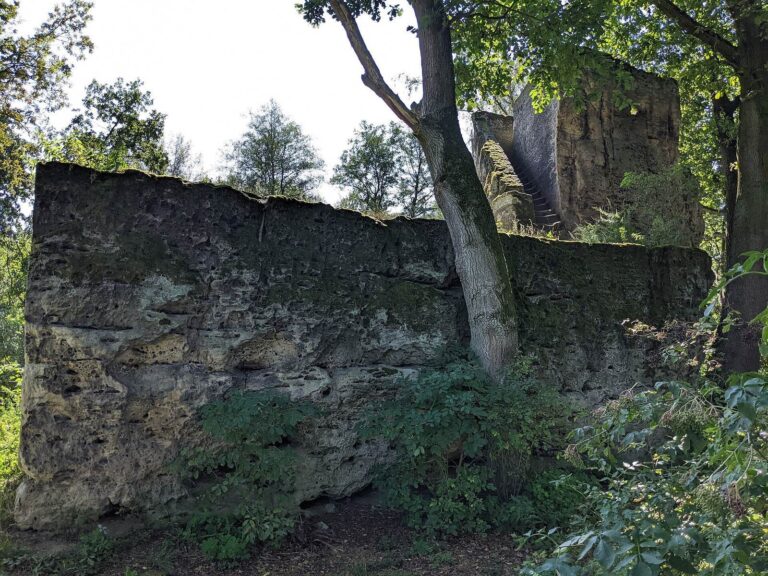
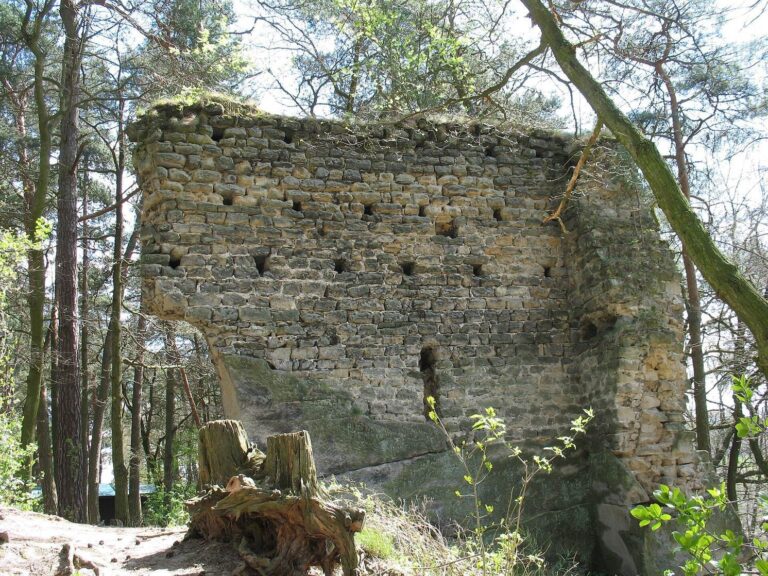
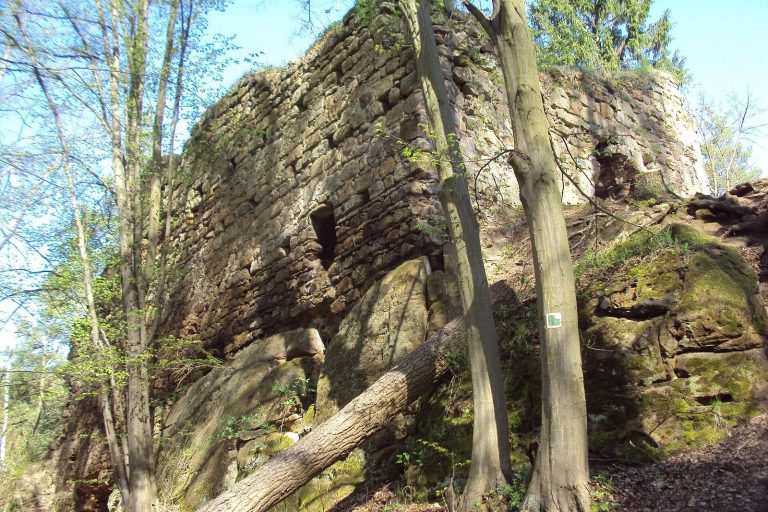
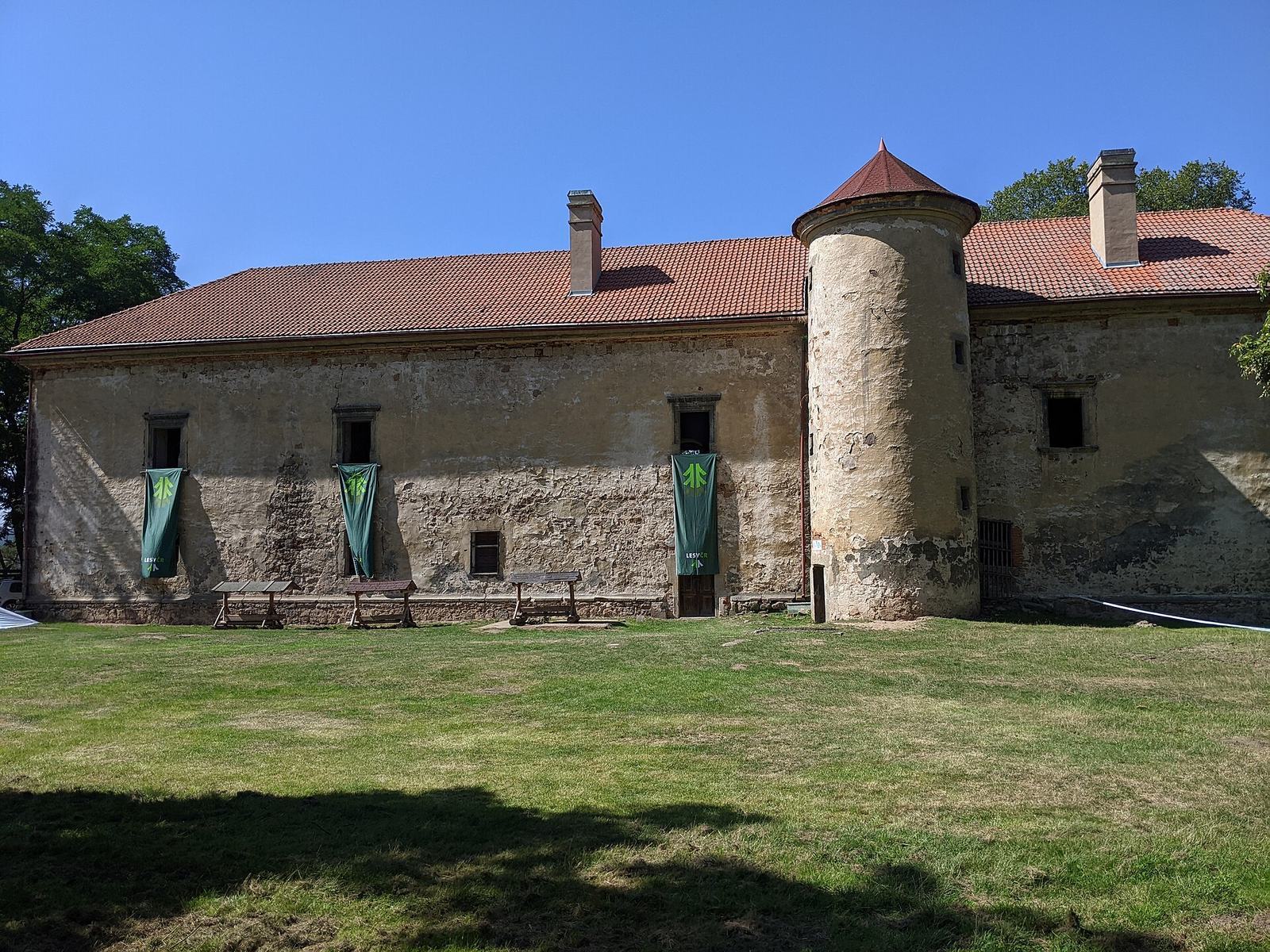
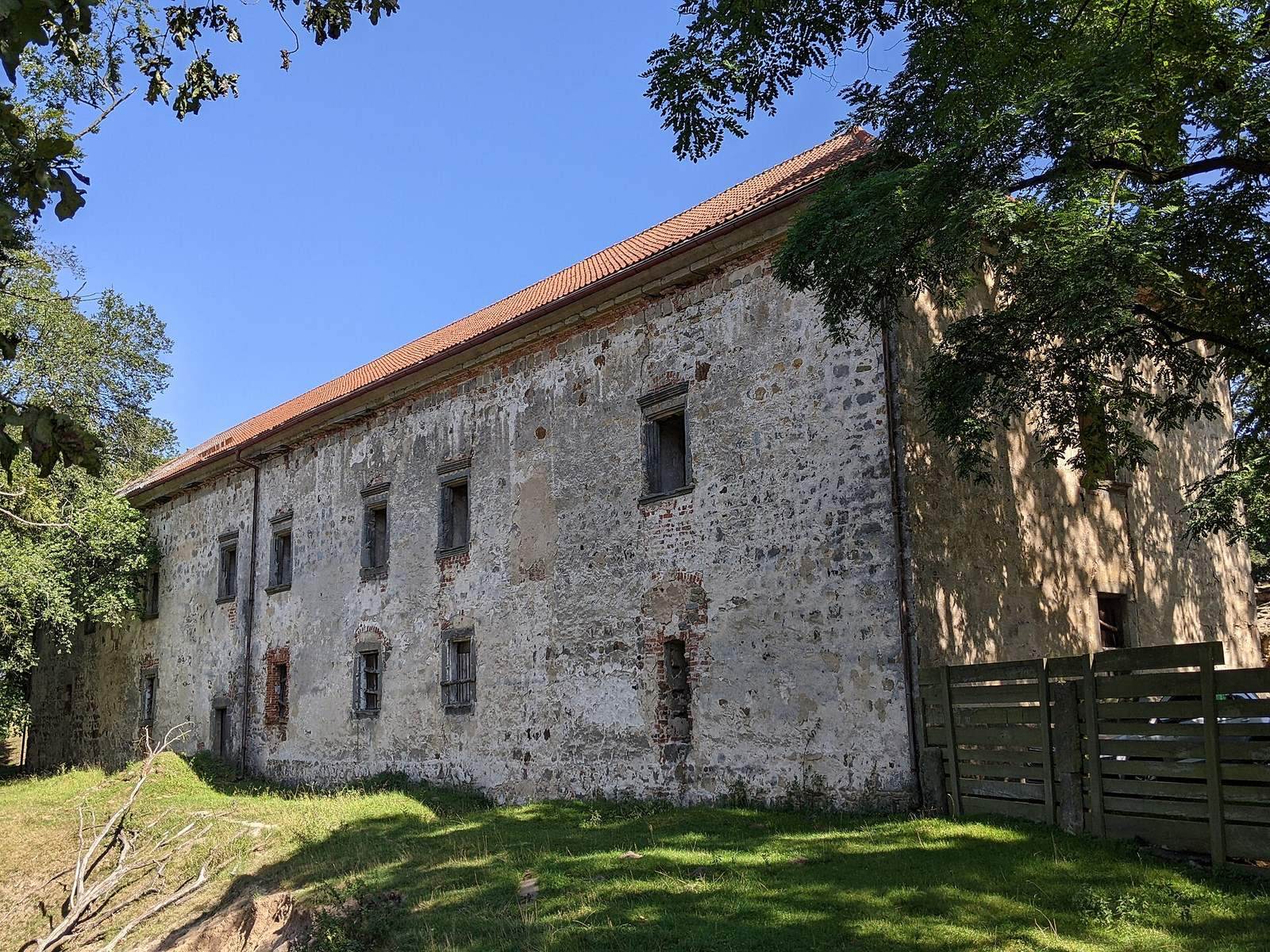
The lodge stands on a broad promontory above Šváby, within a wooded reserve and a large fenced park or game enclosure. The simple building is about 50 metres long and has two storeys, with Renaissance and late Gothic features.
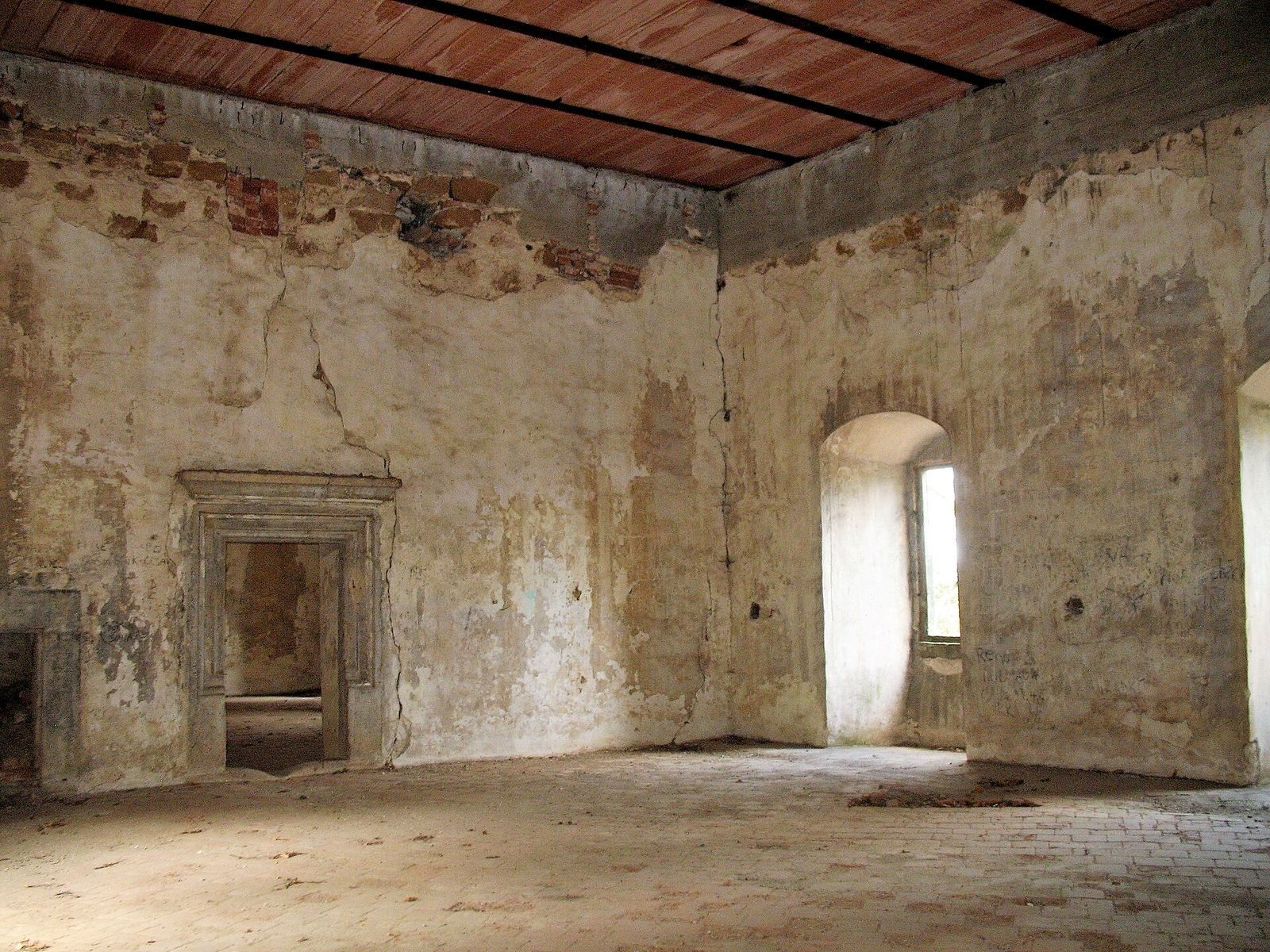
A cylindrical tower on one side contains a sandstone spiral staircase, formerly the only way to reach the upper floor and attic. Partitions divide the ground floor into five rooms of nearly equal size; its original ceiling was a brick barrel vault, a continuous arched ceiling. The upper floor originally had a different arrangement, including a large hall. A hipped roof was added in 1848 and later demolished.