Vilavella Castle: A Medieval Stronghold in Spain
Site at a Glance
- Rating
- 4.4
- Popularity
- Very Low
- Country
- Spain
- Primary era
- Medieval
- External website
- Open
- Eras represented
- Medieval
- Civilizations
- Crown of Aragon, Umayyad
- Site type
- Military
- Remains
- Castle
On this page11 sections
History
Vilavella Castle is a medieval stronghold in Spain above La Vilavella, a town associated with the Roman settlement of Nubles or Noulas. Built by Muslims around the tenth century on earlier Iberian and Roman structures, it later became the territorial centre of the barony of Nules.
Earlier settlements and Muslim foundations
La Vilavella is regarded as the origin of the present-day town of Nules and occupies an area mentioned in itineraries of Roman roads. The castle was established on the summit of San Sebastián hill, where earlier Iberian and Roman constructions already stood. A Hispano-Roman sanctuary also survives within the municipality. Numerous local farmsteads depended on the fortress, and some eventually developed into independent settlements. The area later became associated with the Kingdom of Tortosa.
Christian conquest and seigneurial control
Christian forces conquered the castle during Lent in 1238, following the conquest of Burriana from Muslim rule. In 1251, James I of Aragon granted the locality to Guillem de Montcada. After Guillem’s death, the castle passed to his son Guillem Ramon and then to his grandson Ramon. During Ramon’s tenure, at least ten men lived at the stronghold and maintained and cleaned it.
On 18 November 1314, the king authorized Ramon de Montcada to sell Nules, its castle, and its territory to the nobleman Gilabert de Centelles. In 1316, Gilabert paid homage to the king as lord of the castle and received authorization to recover its former possessions and rights. Once these rights were restored, the castle became the territorial reference for four settlements forming the barony: La Vilavella, Moncofa, La Pobla de Nules, and Mascarell. A barony was a territorial lordship governed by a noble authority. In 1321, Guillem Ros again held the office of castle bailiff by order of James II of Aragon. A castle bailiff administered the stronghold and its associated rights or territory.
Destruction, rebuilding, and abandonment
During the fourteenth century, the castle contained residential rooms for its lords and a chapel dedicated to Saint Mary and Saint James. In 1364, Peter I of Castile devastated the stronghold, leaving part of it unusable and destroying the chapel. The castle was later rebuilt, and a new chapel was installed in the central tower during the fifteenth century.
A decorated ceramic floor bearing the Centelles coat of arms was laid during the fifteenth century. Its inscriptions read “A hundred sorrows for one pleasure” and “Old counts, new quarrel.” By 1481, the castle was recorded as uninhabited, with its doors open. This marked the beginning of its abandonment and eventual ruin. The property is privately owned and protected in the Valencian and Spanish heritage registers as a cultural-interest property, with identification number RI-51-0011002 and a ministerial entry dated 18 March 2003.
Remains
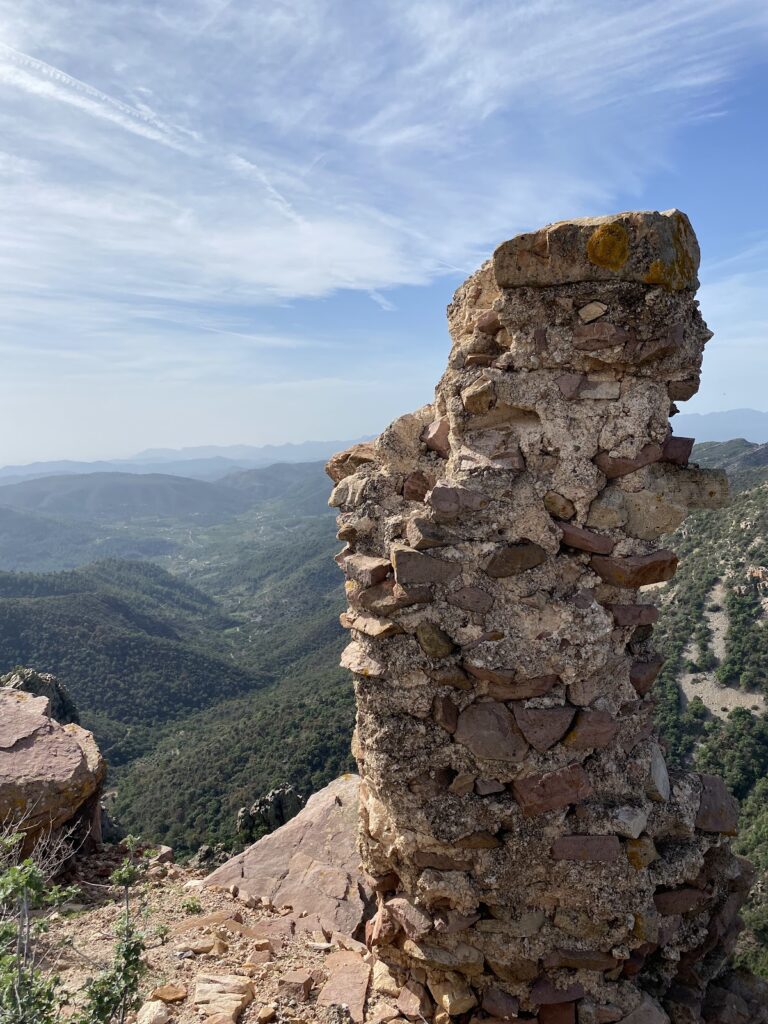
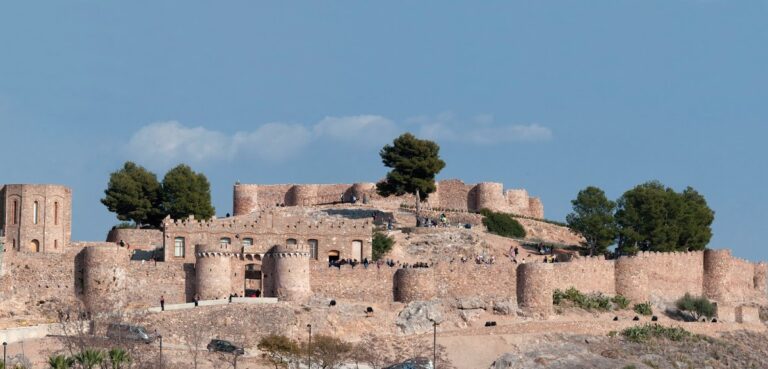
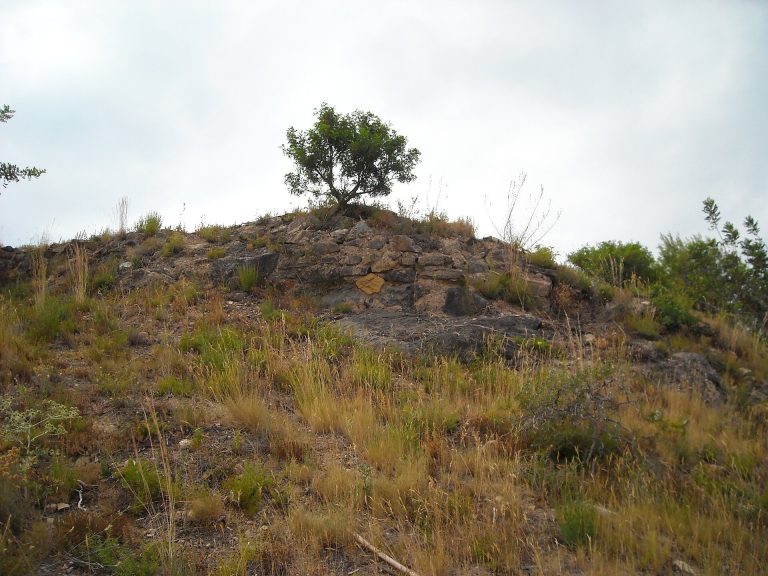
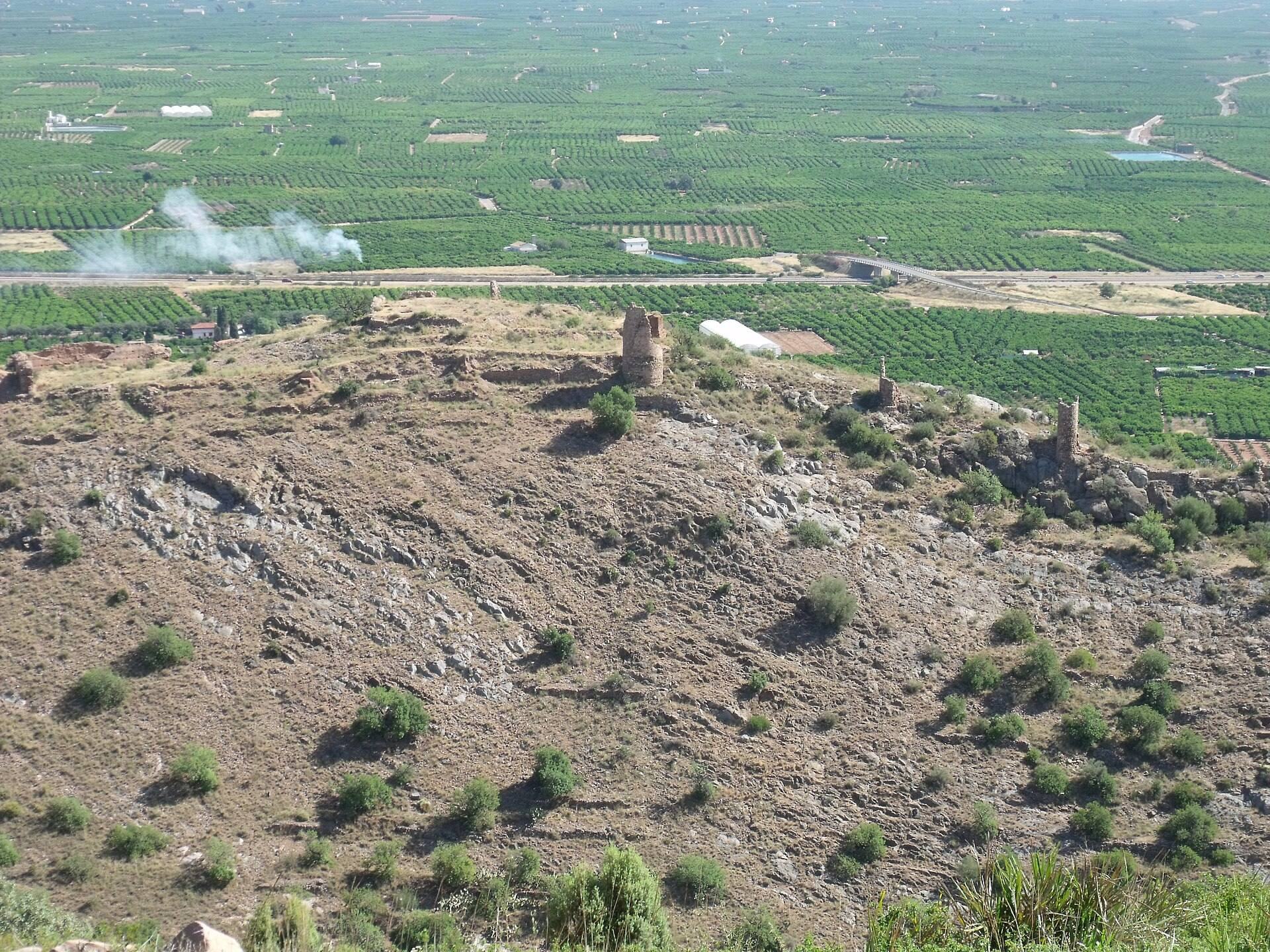
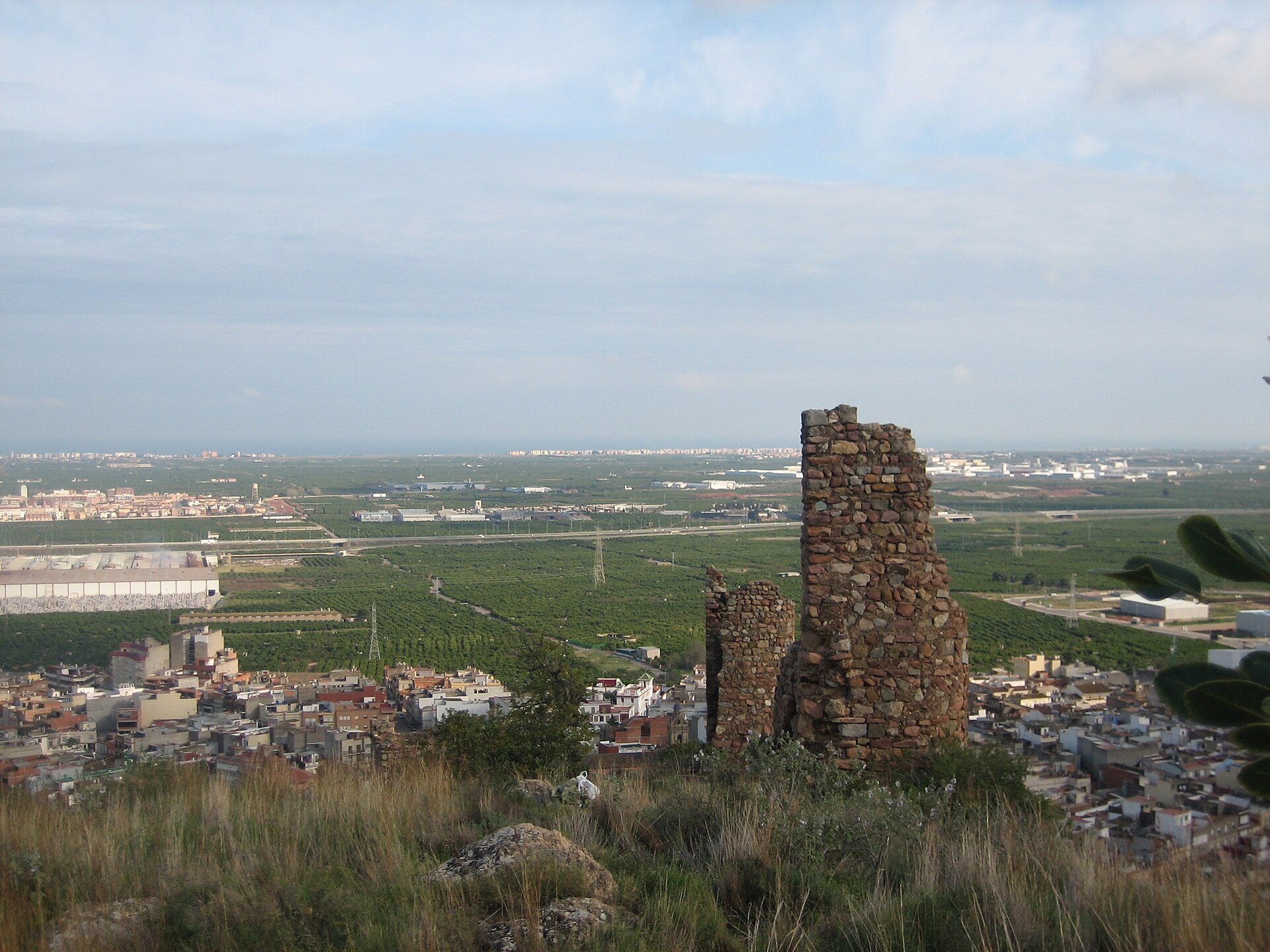
Vilavella Castle occupies the summit of San Sebastián hill at an elevation of 146 metres, outside the built-up area of La Vilavella and along the Camí de les Coves. Its plan is irregular and markedly elongated, following the shape of the hill. The fortress was built over earlier Iberian and Roman structures, and visible sections of its walls and towers survive despite the site’s total abandonment and ruin.
Central stronghold and water system
Keep and cistern
A square-plan keep stood at the centre of the fortress above an Arab cistern. Remains of the cistern survive beneath the central stronghold, preserving part of the castle’s earlier water infrastructure.
Residential and sacred spaces
The castle included residential rooms for its lords. Its fourteenth-century chapel was dedicated to Saint Mary and Saint James, while the later chapel installed in the central tower belonged to the fifteenth-century rebuilding after the destruction of 1364.
Decorated floor and defensive fabric
Centelles ceramic pavement
Fragments of the fifteenth-century floor remain. Made with alfardons and manisetes, historic forms of decorative ceramic floor tile, the pavement carried the Centelles coat of arms and the legends “A hundred sorrows for one pleasure” and “Old counts, new quarrel.”
Walls and towers
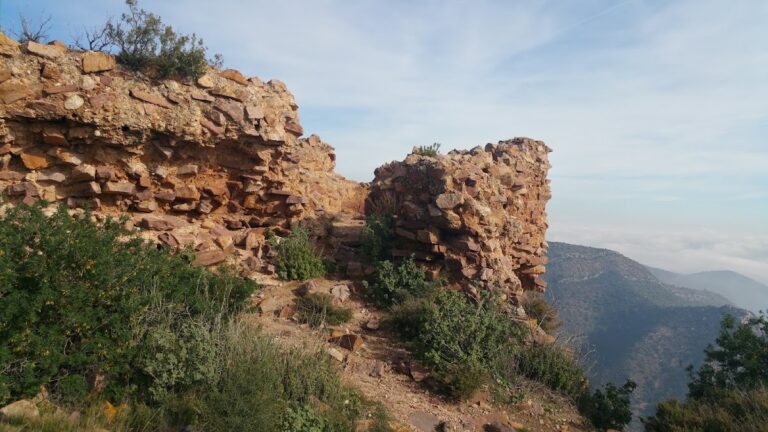
Sections of the castle walls and towers remain visible across the irregular hilltop plan. Their surviving fabric forms the principal visible evidence of the stronghold’s defensive enclosure and its adaptation to the summit.