Uixó Castle: A Muslim-Origin Fortress in Spain



Site at a Glance
- Rating
- 4.6
- Popularity
- Low
- Country
- Spain
- Primary era
- Medieval
- Eras represented
- Medieval
- Civilizations
- Crown of Aragon
- Site type
- Military
- Remains
- Castle
On this page12 sections
History
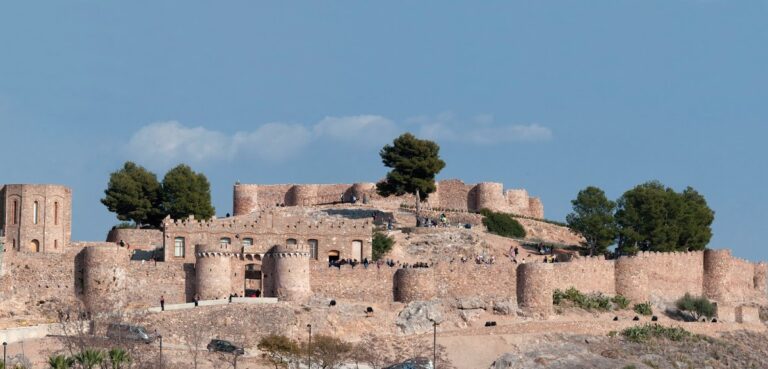
Uixó Castle, also known as El Castell, is a Muslim-origin fortress in Spain, standing about 3 km north of Vall de Uixó in Castellón. Its construction is generally placed between the 12th and 13th centuries, although ceramic remains in its walls suggest that building began between the 10th and 12th centuries. The settlement in the Vall de Uixó area originated in the Roman period, while its present name refers to the valley containing the former villages of Castro and their castle.
Muslim Foundation and Christian Conquest
The castle formed part of the Muslim settlement of the valley. When the forces of James I of Aragon, the 13th-century king who led the Christian conquest of much of Valencia, occupied the valley in 1238, its Muslim inhabitants made a stand at Uixó Castle. The surrender followed in 1350. A settlement charter then preserved Islamic religion, customs, and usages, allowing the valley’s established way of life to continue under Christian rule.
Medieval Reconstruction
The fortress underwent reconstruction at the end of the 13th century. The work was carried out by Guillermo de Barcelona, a medieval master builder associated with the castle. A royal document issued in 1287 also ordered a covered house to be built beside the more heavily fortified storage areas, providing accommodation near those parts of the stronghold.
Expulsion and Repopulation
The settlement arrangements continued with only minor changes until the expulsion of the Moriscos in 1609. Moriscos were Muslims who had been converted, formally or nominally, to Christianity in Spain. Their expulsion left the valley almost depopulated and caused most of its former settlements to disappear.
A repopulation program followed under a deed of 1612. New settlers came from the Maestrazgo of Montesa, a historical territory associated with the military Order of Montesa in the Valencian region. They became vassals of the Cardona family, whose members held the title of Dukes of Segorbe.
Twentieth-Century Military Use and Protection
Uixó Castle regained military importance during the Spanish Civil War. It was occupied and used as an operations center, forming part of the XYZ Line, a major defensive system constructed during the conflict.
The castle has protected status as a Spanish monument of cultural interest. It was declared a monument in 1985 and has carried the ministerial heritage-register annotation R-I-51-0011336 since 2005. It is also associated with the national designation of historic-artistic monuments established in 1931.
Remains
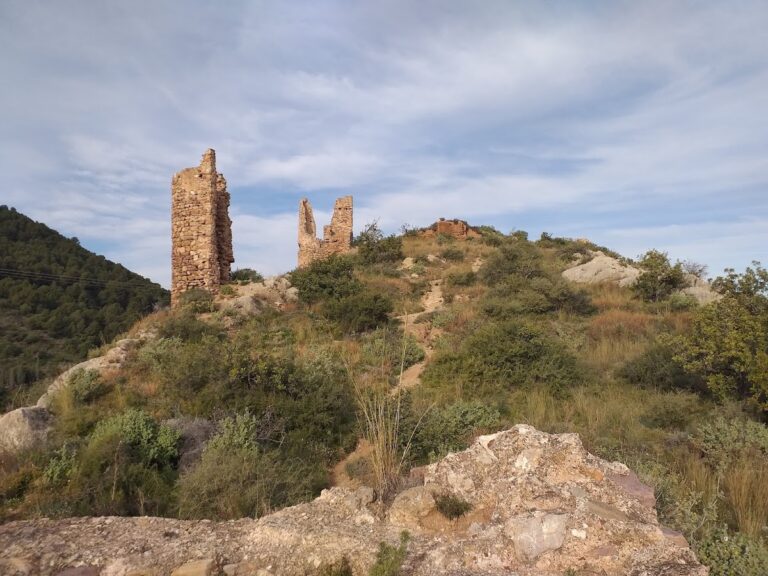
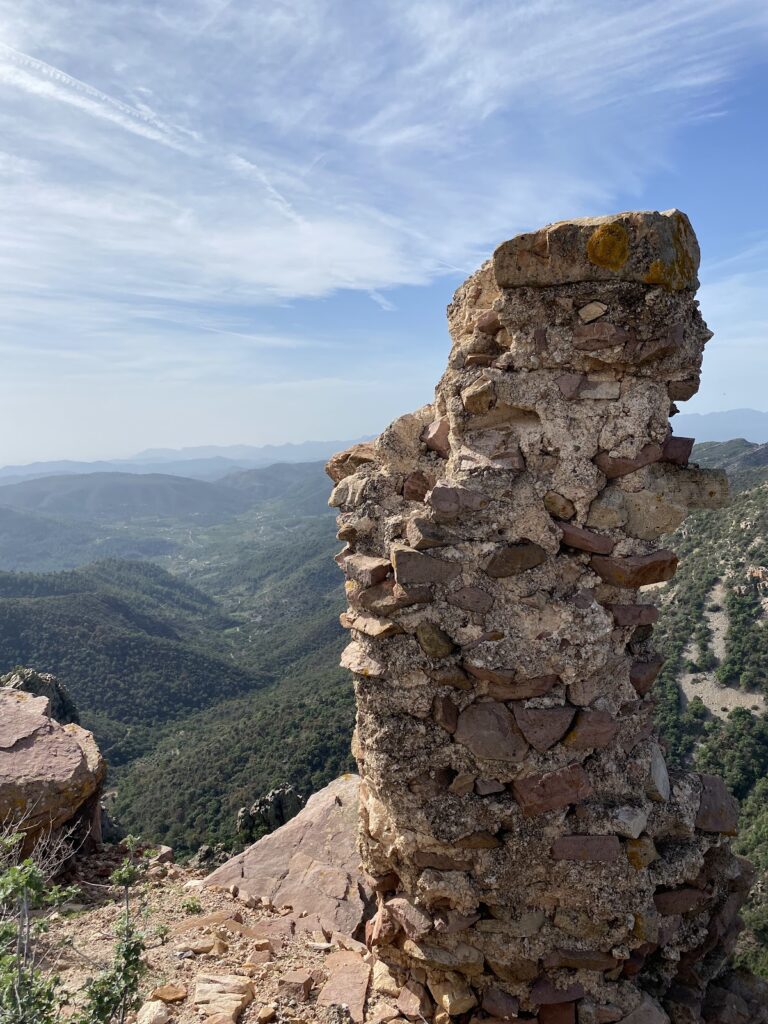
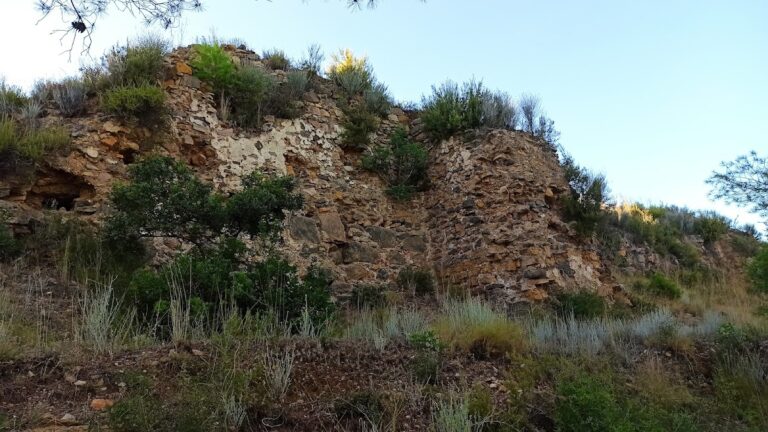
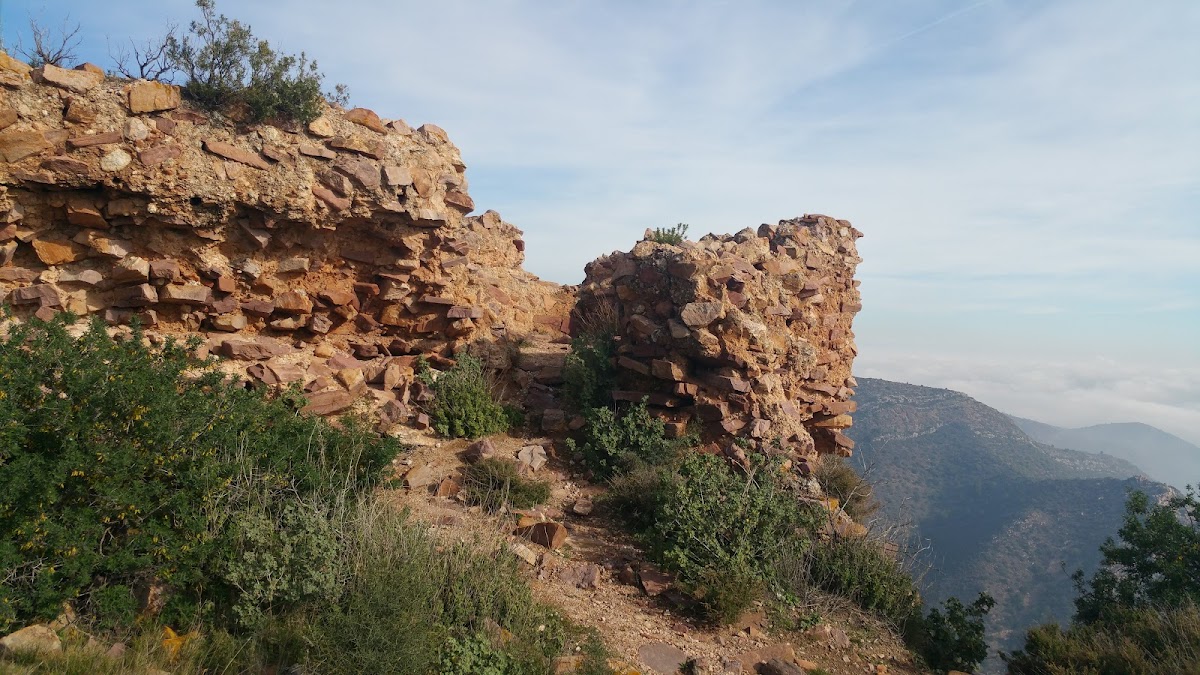
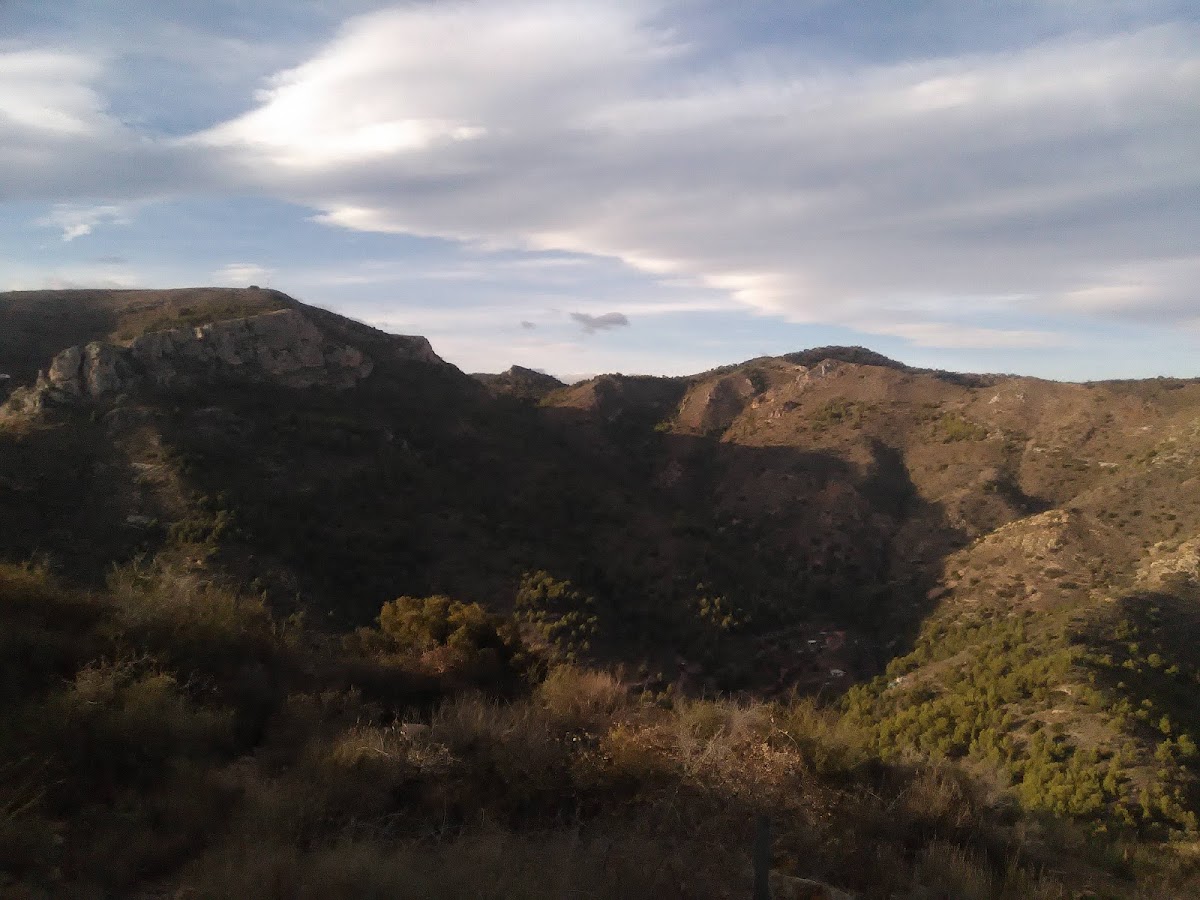
Uixó Castle occupies the summit of an isolated mountain behind a hill that is now urbanized. Its principal enclosure measures approximately 90 m by 60 m and contains a smaller concentration of buildings. The wider fortified area includes a third stone enclosure, about 250 m by 110 m, with remains of houses inside and outside its boundaries. The surviving walls were built of rammed earth on a stone base, using damp earth compacted within temporary formwork.
Principal Enclosure
Buildings and Storage Areas
The main enclosure contains cisterns and storage areas. The storage section received heavier fortification than the surrounding parts of the interior, and a covered house was situated nearby. A cistern, a constructed tank for storing water, formed part of the castle’s internal facilities.
Outer Enclosures and Settlement
Third Stone Enclosure
Vestiges of a third enclosure extend around the castle for approximately 250 m by 110 m. This outer stone boundary incorporates the remains of houses, which survive both within and beyond the enclosure. Together, these features show that the fortified site included a settled area extending beyond the principal group of buildings.
Walls and Construction
Surviving Fortifications
The surviving walls enclose almost the entire perimeter of the castle. On the north side, a walkable wall-walk, meaning a passage along the top of a fortification wall, remains in place, with the parapet preserved in some sections. The wall panels contain ceramic remains, which support the broad dating of the construction’s beginnings to the 10th through 12th centuries.
Nearby sites