Värmdö Church: A Medieval Parish Church in Sweden
Site at a Glance
- Popularity
- Medium
- Country
- Sweden
- Primary era
- Medieval
- Eras represented
- Medieval, Early Modern, Modern
- Civilizations
- Swedish
- Site type
- Religious
- Remains
- Church
On this page15 sections
History
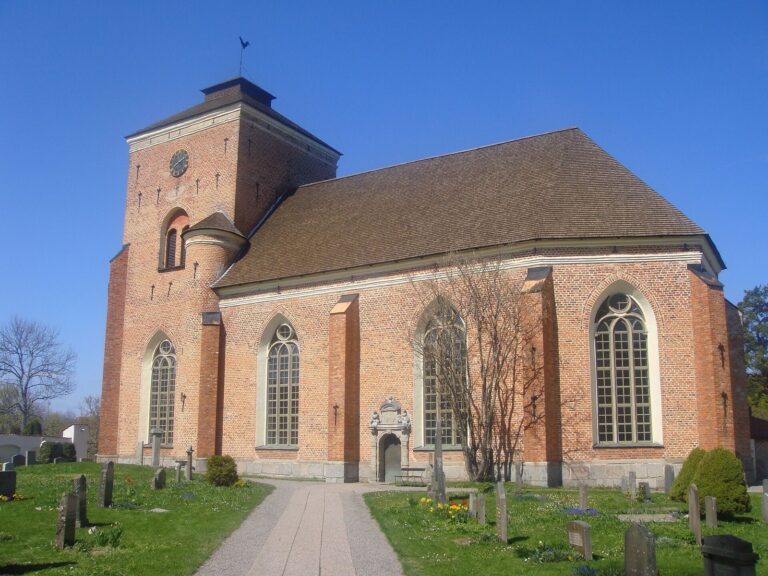
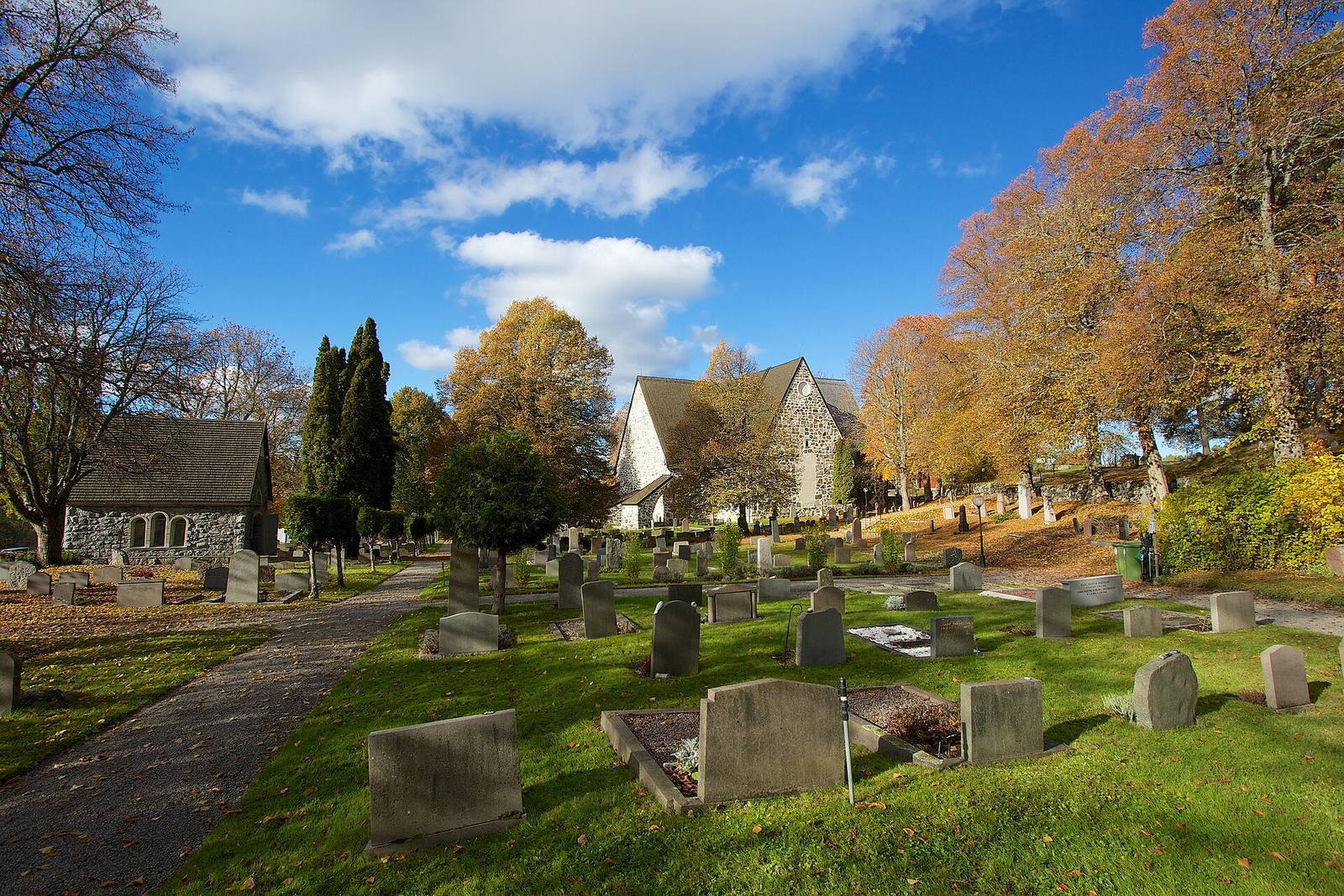
Värmdö Church is a medieval parish church on Värmdölandet in Värmdö Municipality, Sweden. Consecrated in the 14th century, it was first dedicated to Saint Olof, the Swedish form of Saint Olaf, commonly identified with Olaf II of Norway, a medieval king revered as a Christian saint. Today, it belongs to Värmdö Parish in the Church of Sweden’s Diocese of Stockholm.
Parish and first church
Written records mention the parish in 1314 and the church in 1322; an episcopal visitation followed in 1339. The earliest church was probably wooden. Around the middle of the 14th century, it was replaced by the first stone version of the present building.
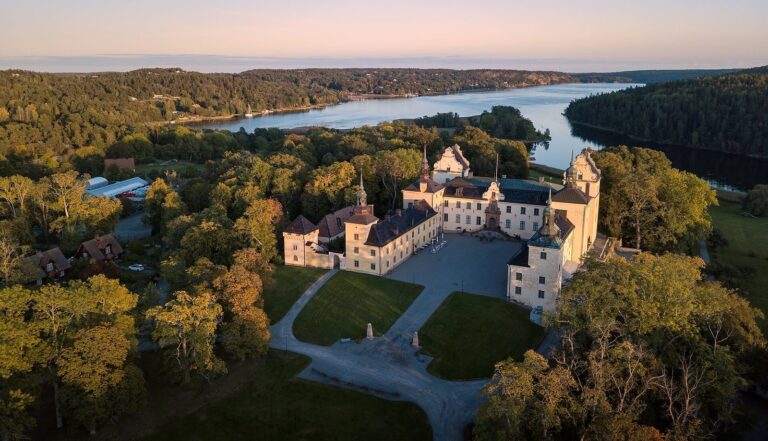
The Fleming family, based at the Norrnäs estate, probably helped establish the parish and build the church. The church stood beside a waterway that once connected the archipelago with Stockholm. Land uplift eventually silted up the route. Viking Age settlement, farm burial grounds, and pre-Christian place names in the surrounding area also point to a much older history of habitation.
Expansion and patronage
The church was enlarged in the 15th and 17th centuries. Its north and south side chapels became family burial places. The northern chapel served the Bagge family of Boo and Siggesta, as well as Olof Bure and his relatives; the southern chapel was used by the Fleming family.
The Norrnäs estate retained patronage rights over the church until 1922. Värmdö Church is sometimes called the “Cathedral of the Archipelago.”
Remains
Building and grounds
Plan and structural supports
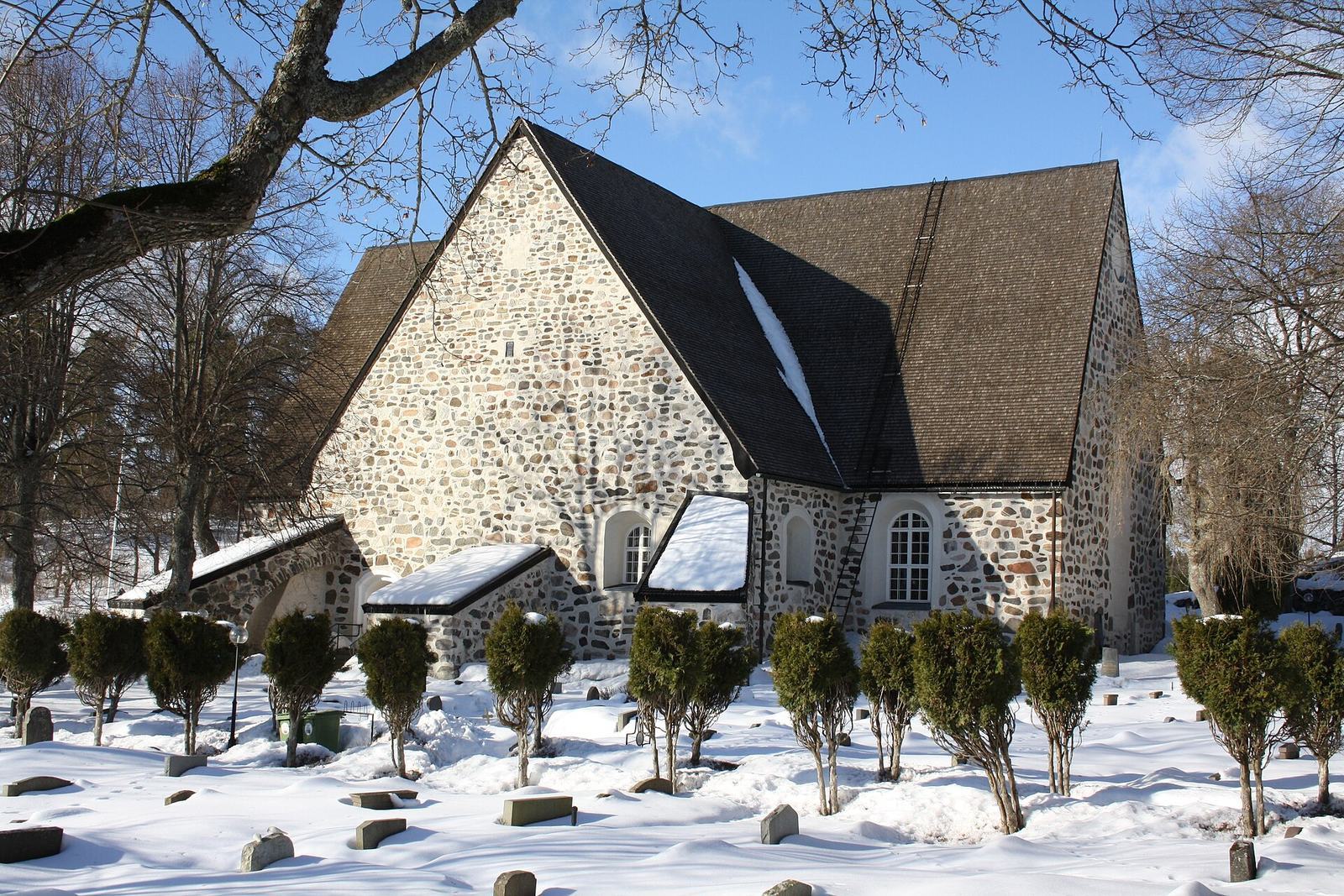
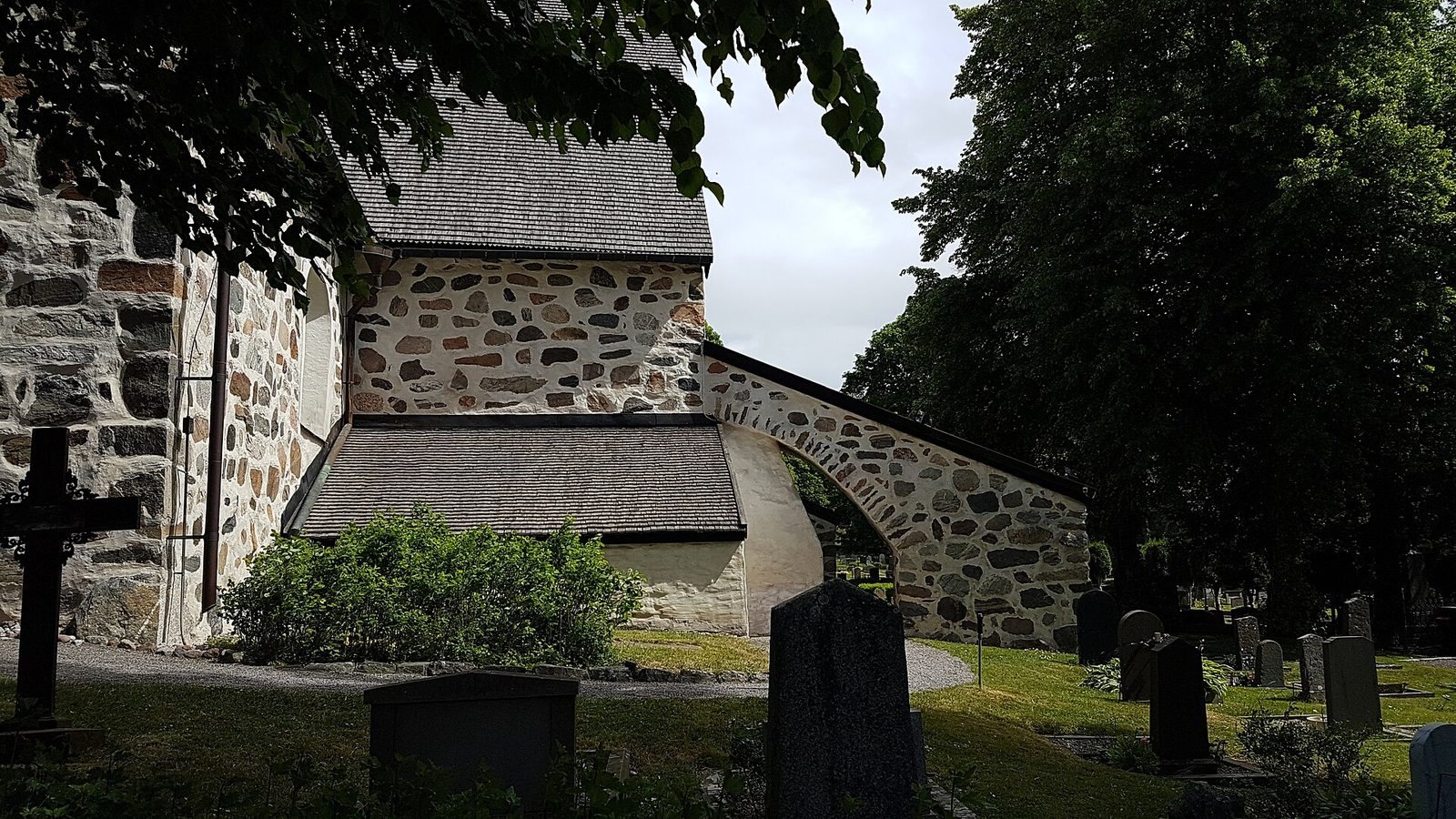
The stone church has an unusual plan that makes the nave’s lengthwise axis difficult to distinguish. Its layout includes side chapels to the north and south. The building stands on clay soil, which has contributed to stability problems. Three large buttresses, or projecting structural supports, brace the south gable against outward bulging and collapse. Two have vaulted forms, built with curved masonry, while the third is solid.
Belfry
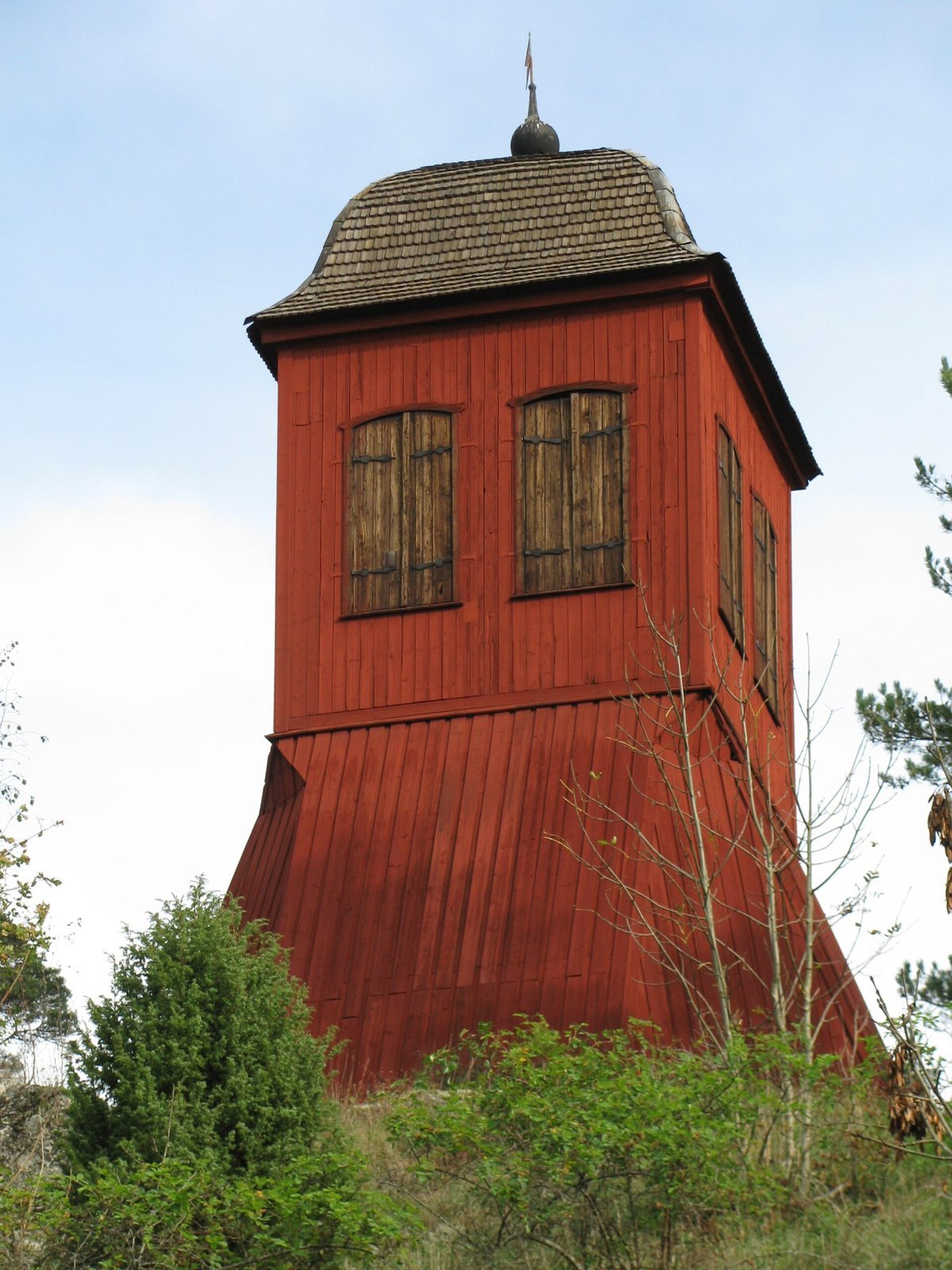
A freestanding belfry stands beside the church. Completed in 1809, it was the third belfry built on the site.
Ossuary
Near the church’s southwestern corner stands an ossuary, a building used to store human bones. It is one of the few surviving examples of its kind in Sweden.
Medieval furnishings
Crucifix and altarpiece
The church’s crucifix dates to the early 14th century and probably came from the earlier wooden church. Its richly decorated altarpiece was made in 1480. German carvers are credited with its sculpture, while its paintings are attributed to the workshop of Bernt Notke, a prominent late-medieval artist in northern Europe and the artists and craftspeople working under his direction.
Saints’ images
A cabinet made by Lars the Carpenter in 1514 stands to the right of the main sanctuary and contains an image of Saint Olof. A standing sculpture of Saint Bridget of Sweden, a medieval religious figure who founded the Bridgettine Order, dates to 1520 and is attributed to the unidentified artist known as the Master of the Immaculata. Another sculpture shows Mary seated on the knee of Saint Anne, while a 15th-century carving depicts Bartholomew.
Later furnishings and organs
Pulpit
The richly carved pulpit dates from 1658. Göran Fleming donated it, and it is attributed to Hans Hebel of Lübeck.
Earlier organs
A five-stop positive organ, a small instrument with five groups of pipes, was acquired in 1660 and was still in the church in 1773. Jacob Westervik of Stockholm built a nine-stop organ between 1763 and 1765. It was later sold to Djurö Church in 1860.
Söderling and choir organs
Johan Niklas Söderling of Gothenburg built the present mechanical-action organ in 1860. In this type of organ, keys connect mechanically to the pipes. It originally had 18 stops, or controls for sets of pipes. In 1945, Åkerman & Lund replaced its second keyboard with new second and third keyboards, bringing it to 31 stops. The firm renovated and rebuilt the instrument in 1975. It is one of the few Söderling organs still in Sweden. Åkerman & Lund also built a mechanical-action choir organ in 1975.