Unkoku-ji Temple: A Soto Zen Temple in Numata, Japan


Site at a Glance
- Rating
- 3.7
- Popularity
- Very Low
- Country
- Japan
- Primary era
- Medieval
- Eras represented
- Medieval
- Civilizations
- Ashikaga shogunate
- Site type
- Religious
- Remains
- Monastery
On this page9 sections
History
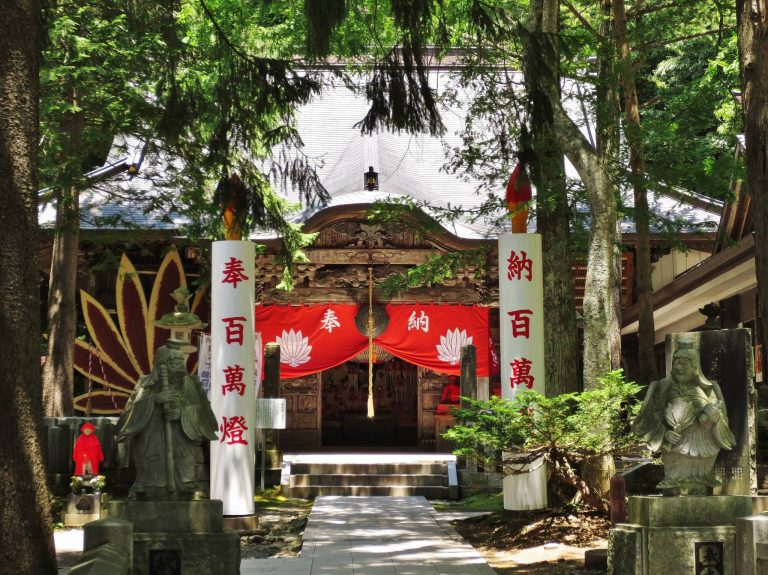
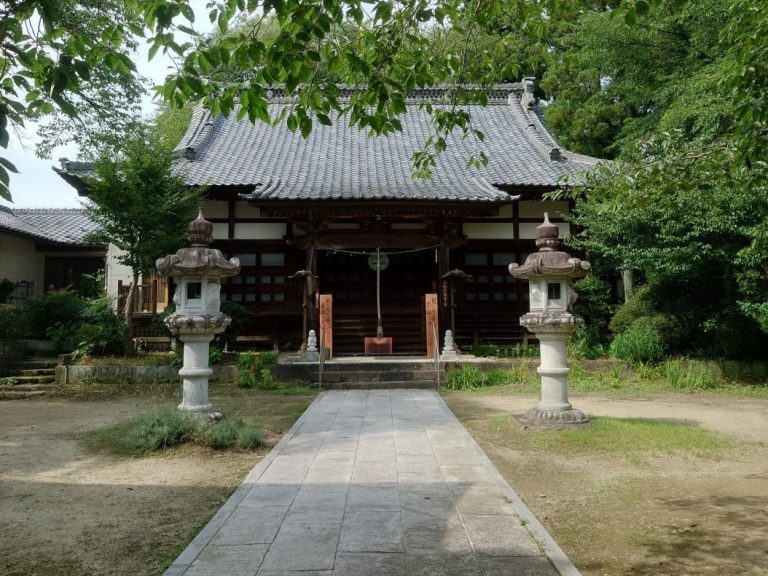
Unkoku-ji Temple is a Soto Zen temple in Numata, Japan, traditionally founded in 1330. Soto Zen is a major Japanese school of Zen Buddhism centered on seated meditation and disciplined monastic practice. The temple’s formal name is Mount Buko Unkoku-ji, and its principal image is Jizo Bosatsu, a Buddhist bodhisattva associated with protecting travelers, children, and the dead.
Foundation and medieval associations
The temple was founded by the monk Ten’in Huyu. A 1698 document names Ten’in as its founding abbot and identifies the Otomo family, local estate stewards, as its founding patrons. Another tradition names Nitta Yoshimune as the founder. The temple was first associated with Mount Takahira and later with Mount Hoyo, while its original location was said to have been at Mount Amagoi. It was also a branch temple of Unkoku-ji in Satsuma.
Numata is traditionally identified as the place where Nitta Yoshimune, a fourteenth-century military figure of the Nitta family, was killed. A group of stone memorial towers on the hill behind the temple is traditionally connected with Yoshimune, his wife, and Funada Nagatonokami Tsunemasa, a steward of the Nitta family.
The Kazawa Record states that Uesugi Norimasa temporarily took refuge at Unkoku-ji. Norimasa held the office of Kanto kanrei, which represented the Ashikaga shogunate in the Kanto region. After he could no longer remain in Kozuke Province, he fled to Echigo Province, where Nagao Kagetora protected him. Kagetora later became known as Uesugi Kenshin.
Decline and revival
A copy of a bell inscription states that a senior Zen monk had the temple bell recast in 1473 as a memorial for his deceased father, who may have been Numata Noriyoshi. The bell was later removed and appears to have been taken to Raigakuji Temple in Chino, Nagano.
Unkoku-ji became vacant around the middle of the sixteenth century. The 1698 document says that the retired monk Teian of Shurinji later lived there in retirement, after which Unkoku-ji became a branch temple of Shurinji. Sanada Masayuki, a sixteenth-century warlord of the Sanada family, is regarded as the temple’s restorer and revival founder because he brought it back into active use.
The group of five-ring towers was designated a Numata municipal Important Cultural Property on February 3, 1982. The temple’s giant cedar has also been designated a Numata municipal natural monument.
Remains
The surviving physical features include the temple precinct, three andesite five-ring stone towers behind the temple, and the remembered site of a former bell. A five-ring tower is a Buddhist memorial monument made of five stacked elements representing earth, water, fire, air, and space. The towers were found several hundred metres from the temple during the early twentieth century and moved to their present position.
Five-ring memorial towers
Left tower
The left tower is made of andesite, but its upper three rings and lower two rings came from different original structures. Its earth ring carries inscriptions referring to a Zen nun aged twenty-eight and recording her death on the thirteenth day of the tenth month in 1354, at the hour of the monkey.
Central tower
The central tower is uninscribed. Tradition identifies it as the tomb of Nitta Yoshimune, linking the monument with the medieval military figure associated with Numata.
Right tower
The right tower is also assembled from parts of different original structures, with its upper two rings and lower three rings not belonging together originally. Its inscriptions name Choshu Zenmon Eisho, aged sixty-one, and include a record dated 1370 commemorating a memorial rite performed in advance. Tradition identifies the tower as the tomb of Funada Nagatonokami Tsunemasa.
Former temple bell
The former bell is represented at Unkoku-ji by a surviving copy of its inscription. The bell was recast in 1473 for a memorial purpose and was apparently later located at Raigakuji Temple in Chino, Nagano.