Tvrdoš Monastery: A Serbian Orthodox Monastery in Bosnia and Herzegovina
Site at a Glance
- Popularity
- High
- Country
- Bosnia and Herzegovina
- Primary era
- Early Modern
- Eras represented
- Classical, Medieval, Early Modern
- Civilizations
- Ottoman, Roman
- Site type
- Religious
- Remains
- Fortified Monastery
On this page8 sections
History
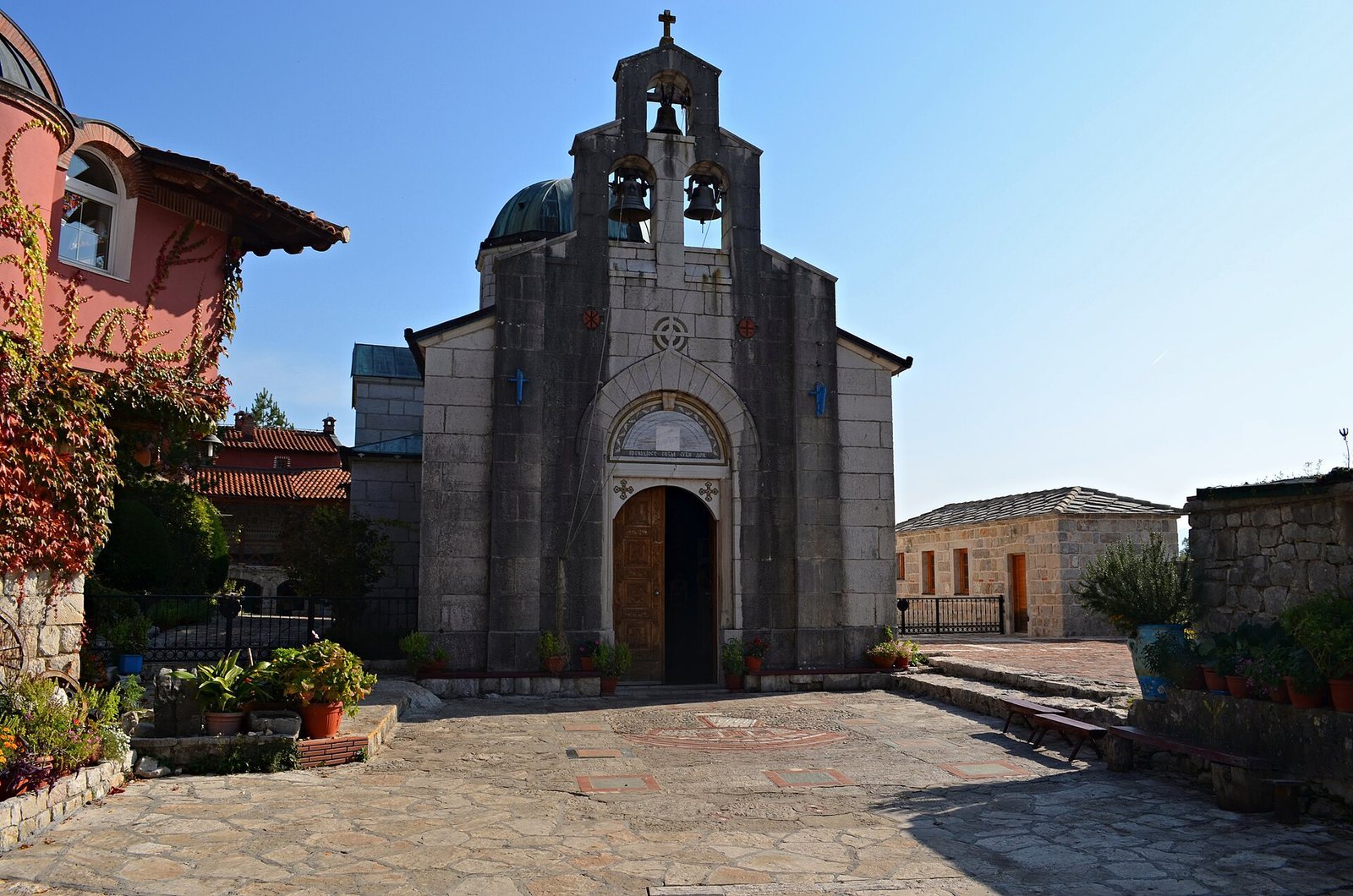
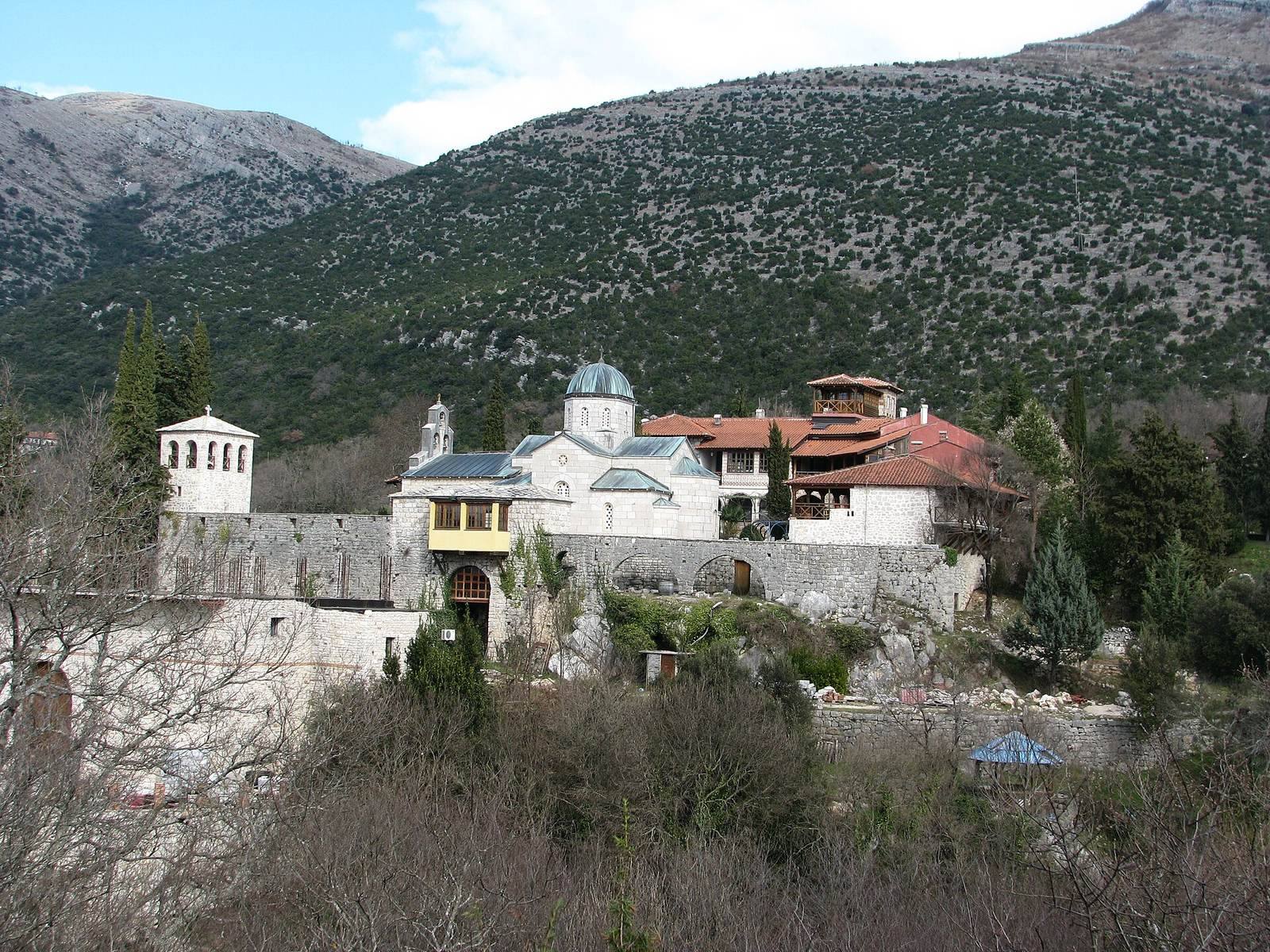
Tvrdoš Monastery is a Serbian Orthodox monastery dedicated to the Dormition of the Mother of God, near the village of Tvrdoš, about four kilometres west of Trebinje in Bosnia and Herzegovina. The Dormition is the Eastern Christian observance of the Virgin Mary’s death and assumption into heaven. The monastery is dated to the 13th century and later became the center of the Trebinje Eparchy, an Orthodox bishop’s administrative territory.
Early foundations and medieval monastery
A tradition credits the Roman emperor Constantine the Great and his mother Helena with founding the monastery in the fourth century. The monastery itself is dated to the 13th century and is associated with restoration by the Serbian king Stefan Uroš II Milutin in the late 13th or early 14th century. A building phase at Tvrdoš is dated to around 1509.
Monastic center and destruction
During the second half of the 16th century and the 17th century, Herzegovinian metropolitans, senior Orthodox bishops, lived at Tvrdoš. For nearly 200 years, it served as the center of the Trebinje Eparchy, whose name derives from the monastery.
An earthquake badly damaged Tvrdoš in 1667. Basil of Ostrog, a Serbian Orthodox bishop and saint who had lived there as a monk and taken his vows at the monastery, restored it. In 1694, during the Great Turkish War and the conflict with the Ottoman Empire, Venetian forces set the monastery ablaze and used gunpowder to destroy its church.
Efforts to restore the ruined monastery followed in the early 18th century. Among those involved were Metropolitan Nektarije and Abbot Isaija, the head of the monastery.
Rebuilding and episcopal role
In 1928, Trebinje native Nikola Runjevac, who had prospered in America, financed the rebuilding of the monastery church. Bishops Jovan of Zahumlje-Herzegovina and Nektarije of Zahumlje-Raška consecrated it on May 12, the feast day of Saint Basil of Ostrog. A renewed period of monastic life began in 1955.
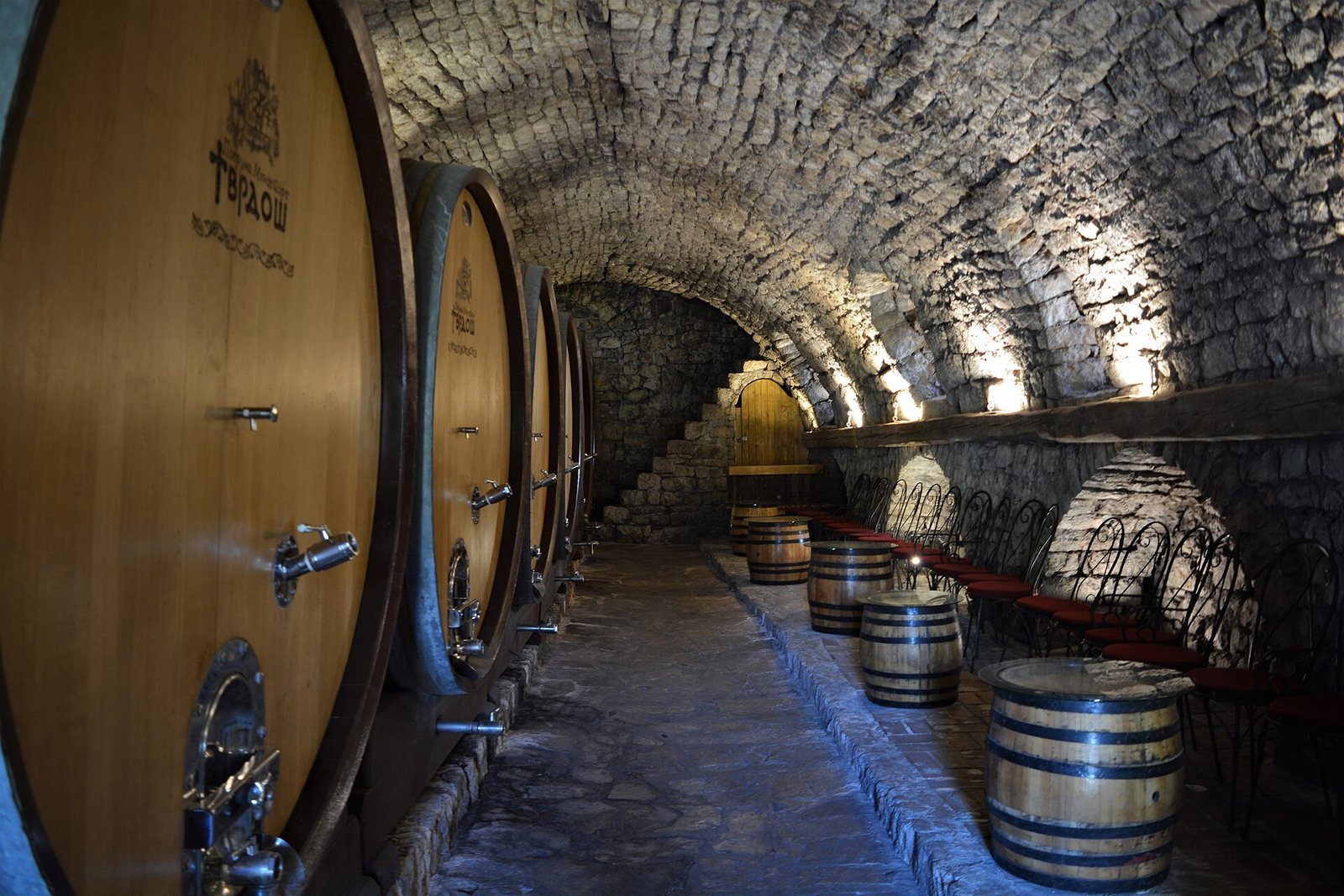
After the Holy Trinity Cathedral in Mostar was destroyed in 1992, the episcopal see, a bishop’s official seat, moved to Tvrdoš. The monastery is now the seat of the Serbian Orthodox Eparchy of Zahumlje-Herzegovina and the Littoral and one of its two episcopal deaneries. It is also a center of winemaking: monks tend vineyards, including newer plantings in Popovo Field, and make wine in the monastery cellars.
Remains
The monastery stands on rocky high ground on the right bank of the Trebišnjica River, beside the road between Trebinje and Ljubinje. Its remains include church foundations, an enclosing wall, and buildings associated with winemaking.
Church remains
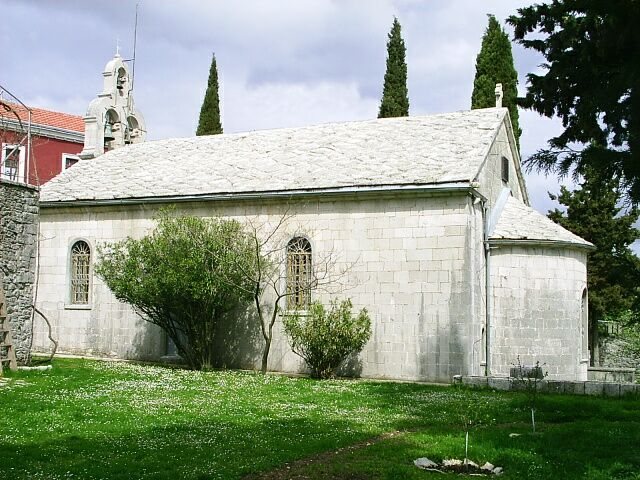
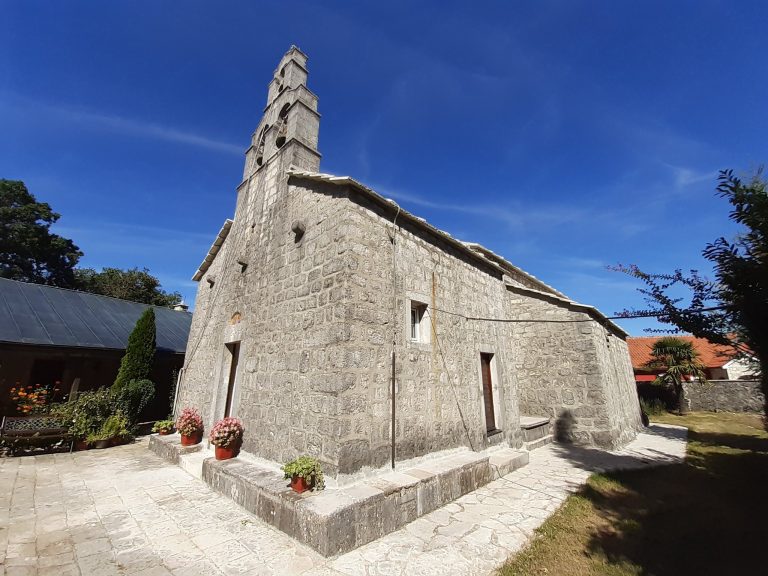
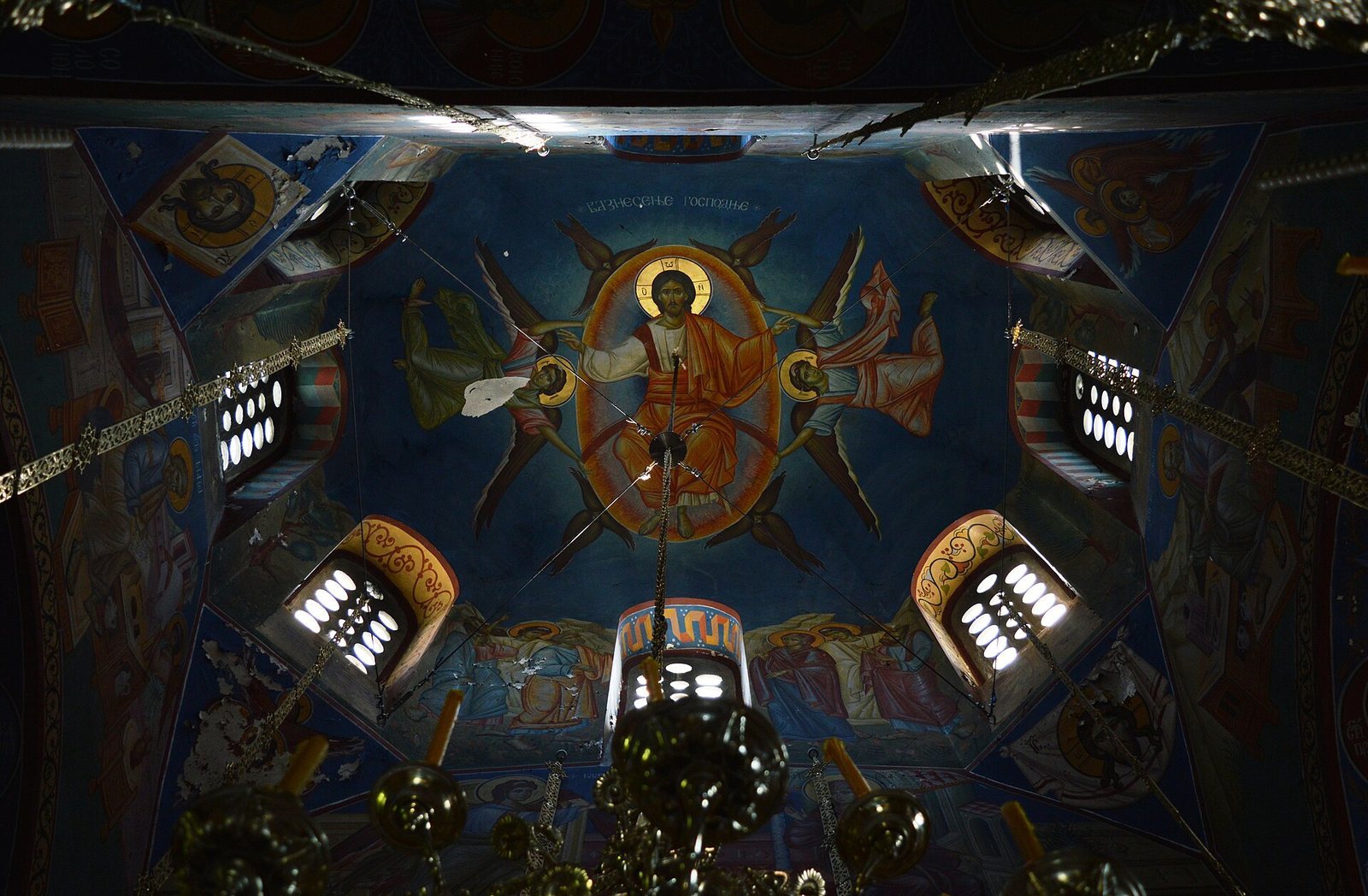
Glazed sections in the monastery floor reveal foundations of a small church dating to the fourth century. Nearby are the foundations of an older basilica with three naves, or long interior divisions. Its side naves were shorter than the central one, which continued west into a narthex, the vestibule at a church’s western entrance. A church built around 1509 was decorated with frescoes in 1517 by the Dubrovnik painter Vice Lovrov. The present monastery church is the rebuilt church.
Enclosing wall
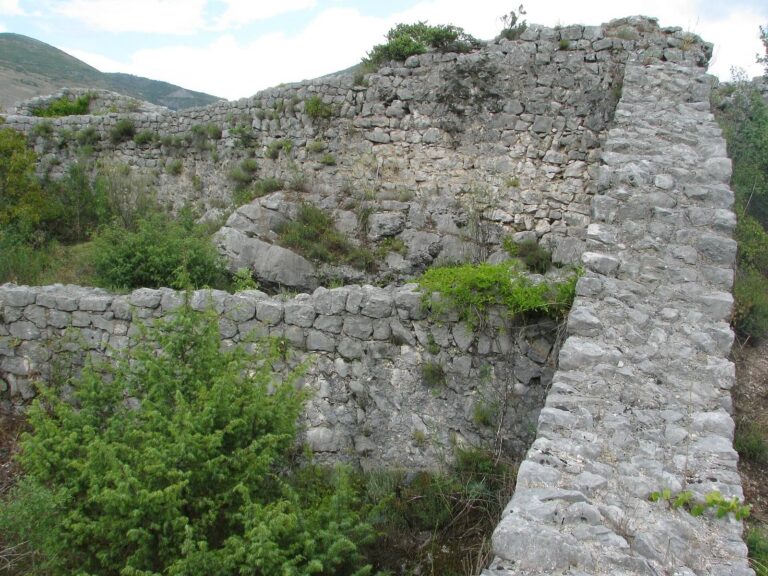
A substantial wall enclosed the monastery and was built to help protect it from attackers.
Wine-making buildings
A stone wine cellar dating to the 15th century is part of the complex. It is used to mature Vranac, a dark-skinned grape variety used for red wine. A newer building a few metres away contains modern winemaking equipment and was designed to fit its surroundings.