Corbera Castle: An Islamic Fortress in Spain
Site at a Glance
- Rating
- 4
- Popularity
- Medium
- Country
- Spain
- Primary era
- Medieval
- Eras represented
- Classical, Medieval
- Civilizations
- Crown of Aragon, Roman, Taifa Kingdoms
- Site type
- Military
- Remains
- Castle
On this page6 sections
History
Corbera Castle is an Islamic fortress in Spain, built in the 11th century as part of a Valencian defensive network. The name Corbera means “crow’s nest.”
Islamic rule and conquest
The fortress’s first recorded mention dates to 1229, when the Andalusi historian and writer Ibn al-Jatib described it as dependent on Alzira. Corbera formed part of a line of defences, with Alzira to the west and Cullera to the east.
The castle remained under Muslim rule until James I, a medieval king of Aragon, conquered it in 1248.
The Revolt of the Brotherhoods and abandonment
In June 1521, during the Revolt of the Brotherhoods, an uprising by guilds and other urban groups in Valencia against royal authority, rebels led by municipal financial officer Joan Caro arrived from Alzira. They besieged and occupied the fortress, which was held by the royal guards of Charles I of Spain, also known as Charles V, Holy Roman Emperor. The siege badly damaged the castle and left it in ruins. The rebels withdrew at the end of June as royal troops approached under Diego Hurtado de Mendoza, Count of Mélito, a Spanish nobleman serving as viceroy.
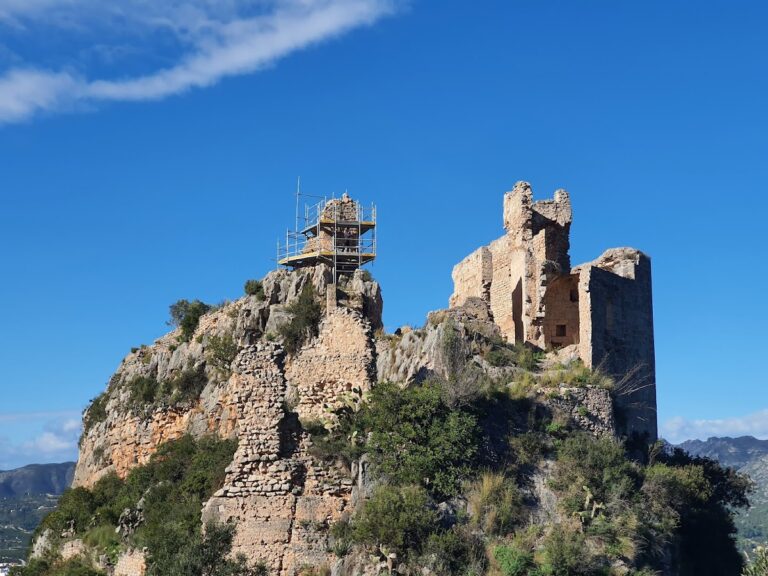
Rebuilding efforts in 1580 and 1597 were left unfinished. In 1640, Philip IV of Spain authorized Corbera’s residents to take stone and other materials from the ruins for construction of Sant Vicent Mártir Street, leaving the castle definitively ruined. It is designated an Asset of Cultural Interest and included on the Heritage Red List.
Remains
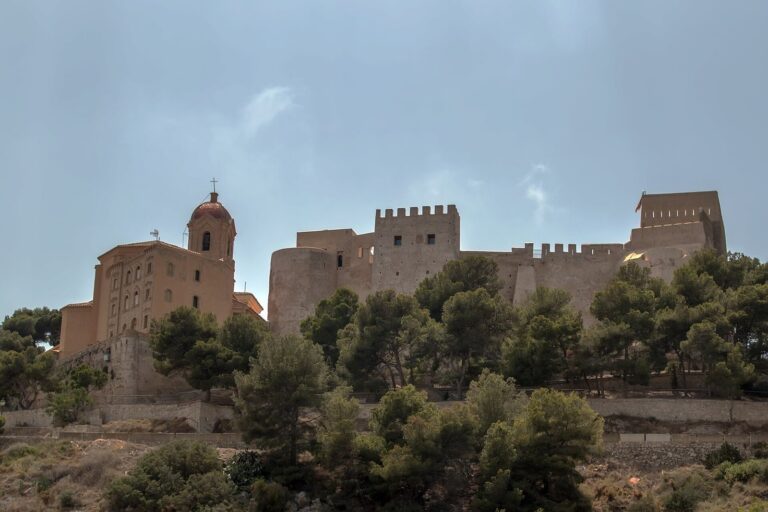
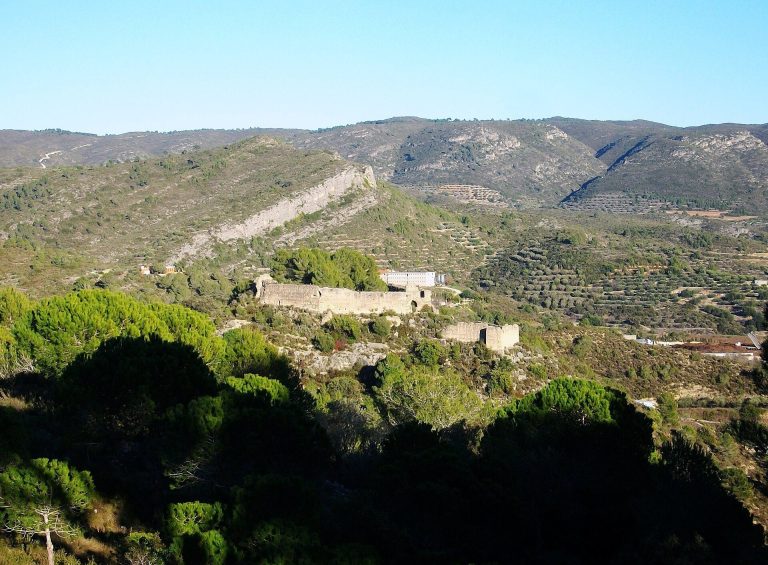
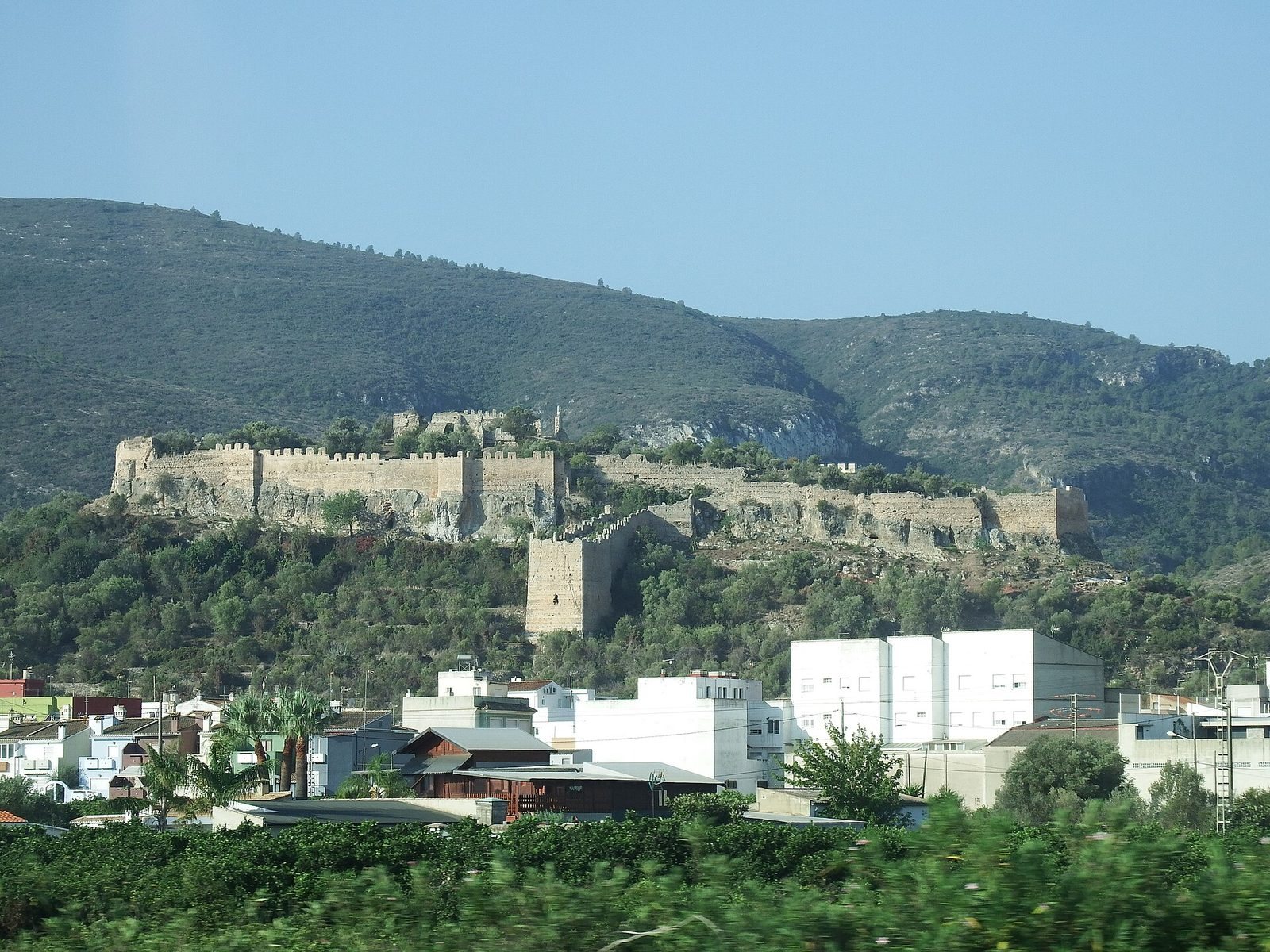
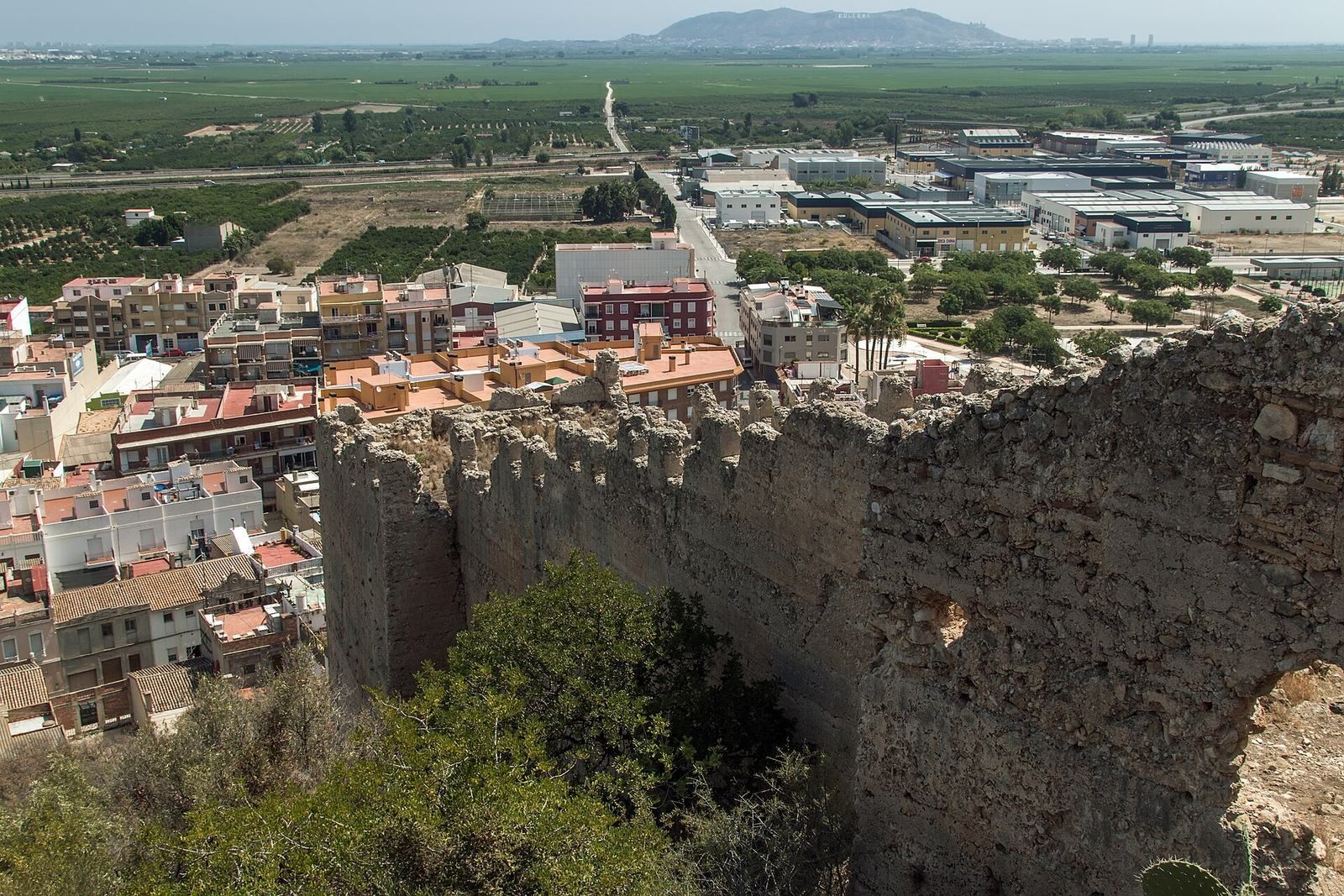
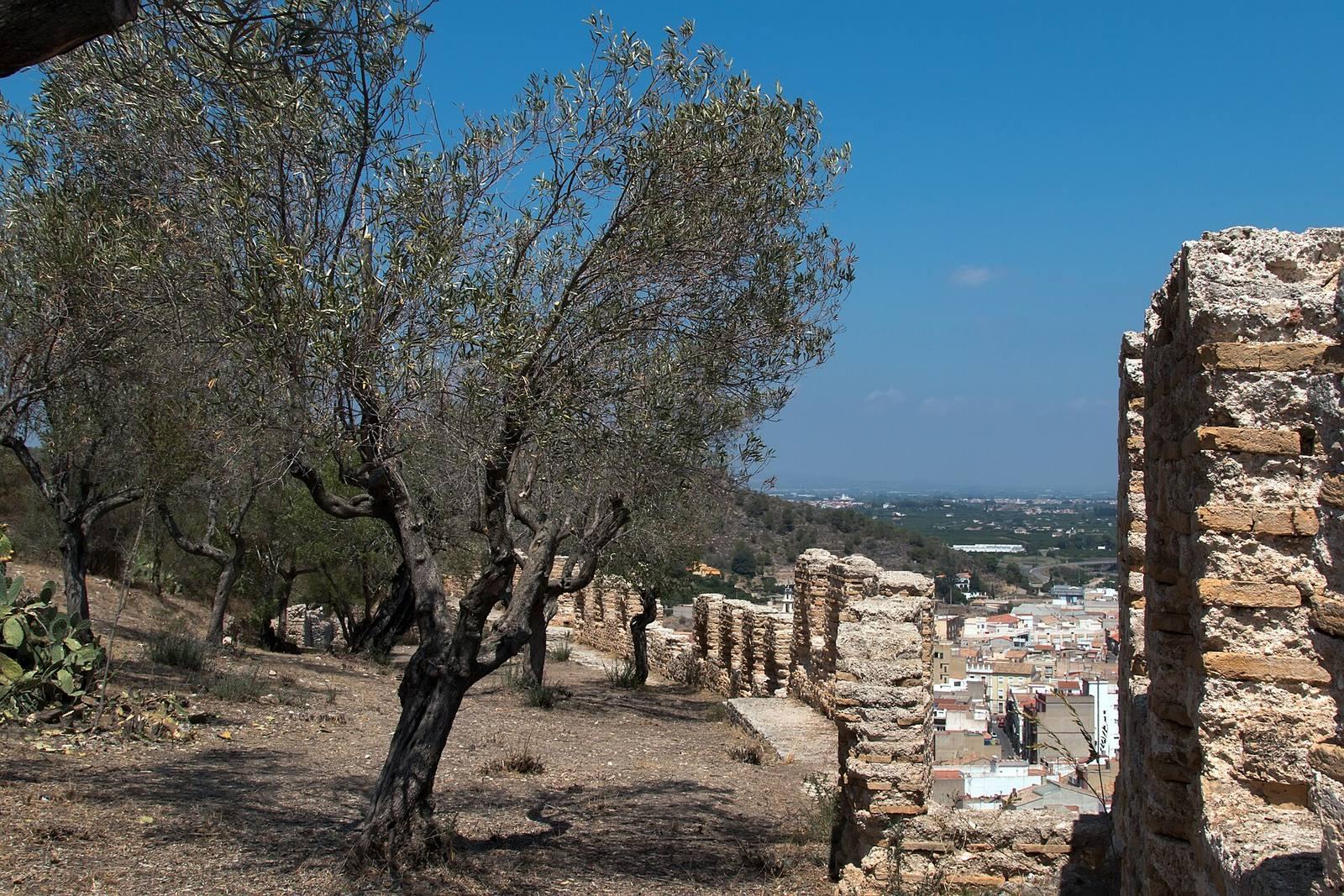
The elongated fortress occupies a promontory overlooking the Ribera Baja and the coast. Its remains include Roman structures beneath the castle and two defensive enclosures.
Defensive layout and walls
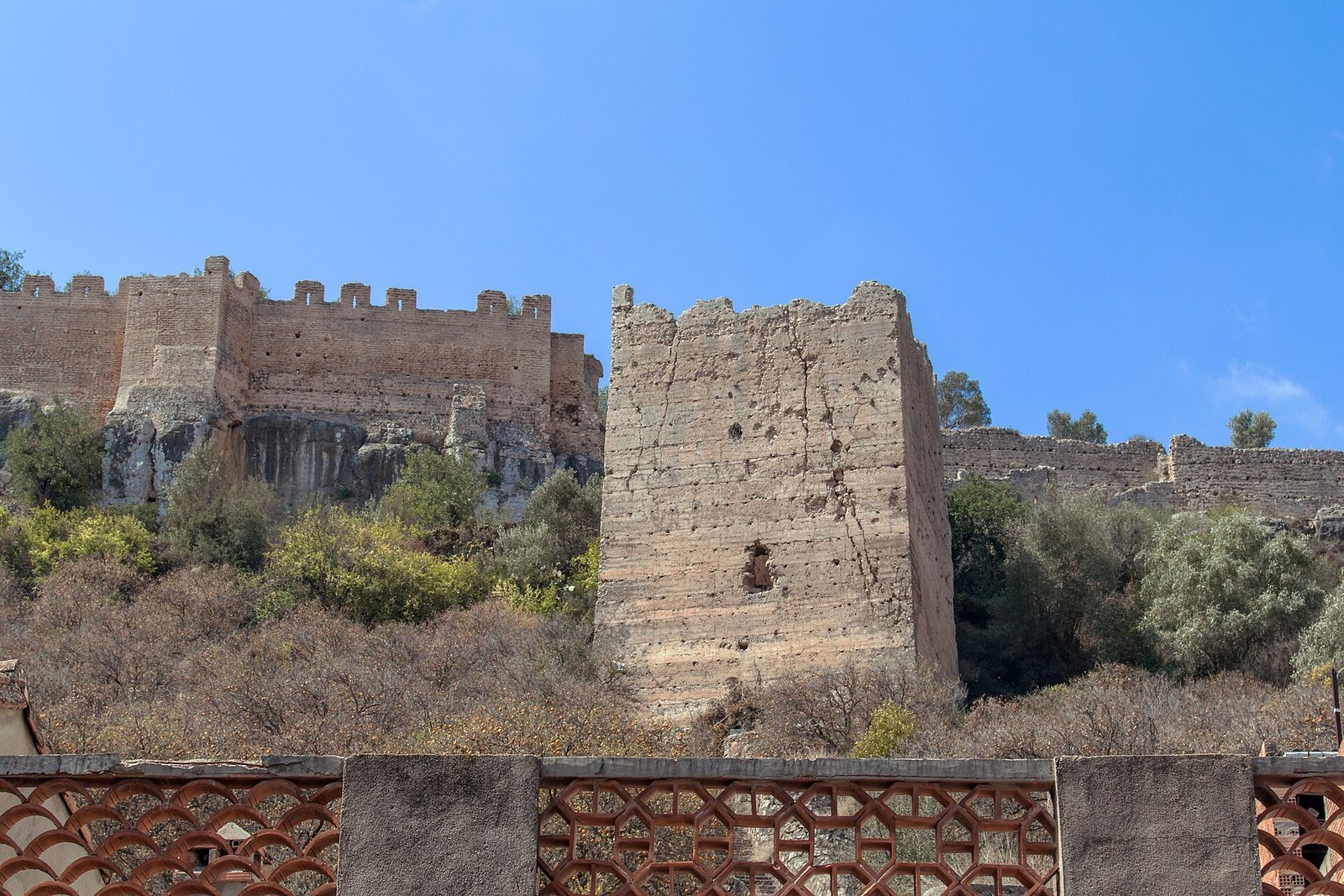
The outer enclosure follows a zigzag plan, with walls made by compacting earth within forms. Christian-period battlements were later added along their tops. One wall bears an inscription praising Allah, written in Kufic, an angular style of Arabic script. An upper enclosure contained the fortress’s internal buildings.
Entrance and surviving structures
The entrance remains in good condition. It consists of an arch and a covered passage with a barrel vault, a continuous arched ceiling. A 16-metre-high albarrana tower, a defensive tower set apart from or projecting beyond a fortification, also survives. Among the remaining interior features are a cistern, one face of the keep, the castle’s principal fortified tower, and the discernible outline of the courtyard.