Dobrićevo Monastery: A Serbian Orthodox Monastery in Bosnia and Herzegovina
Site at a Glance
- Rating
- 5
- Popularity
- Very Low
- Country
- Bosnia and Herzegovina
- Primary era
- Medieval
- Eras represented
- Medieval, Early Modern
- Civilizations
- Serbian
- Site type
- Religious
- Remains
- Monastery
On this page10 sections
History
Origins and construction
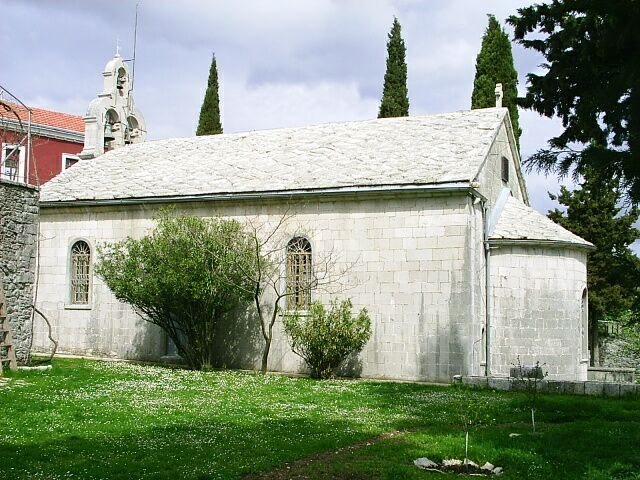
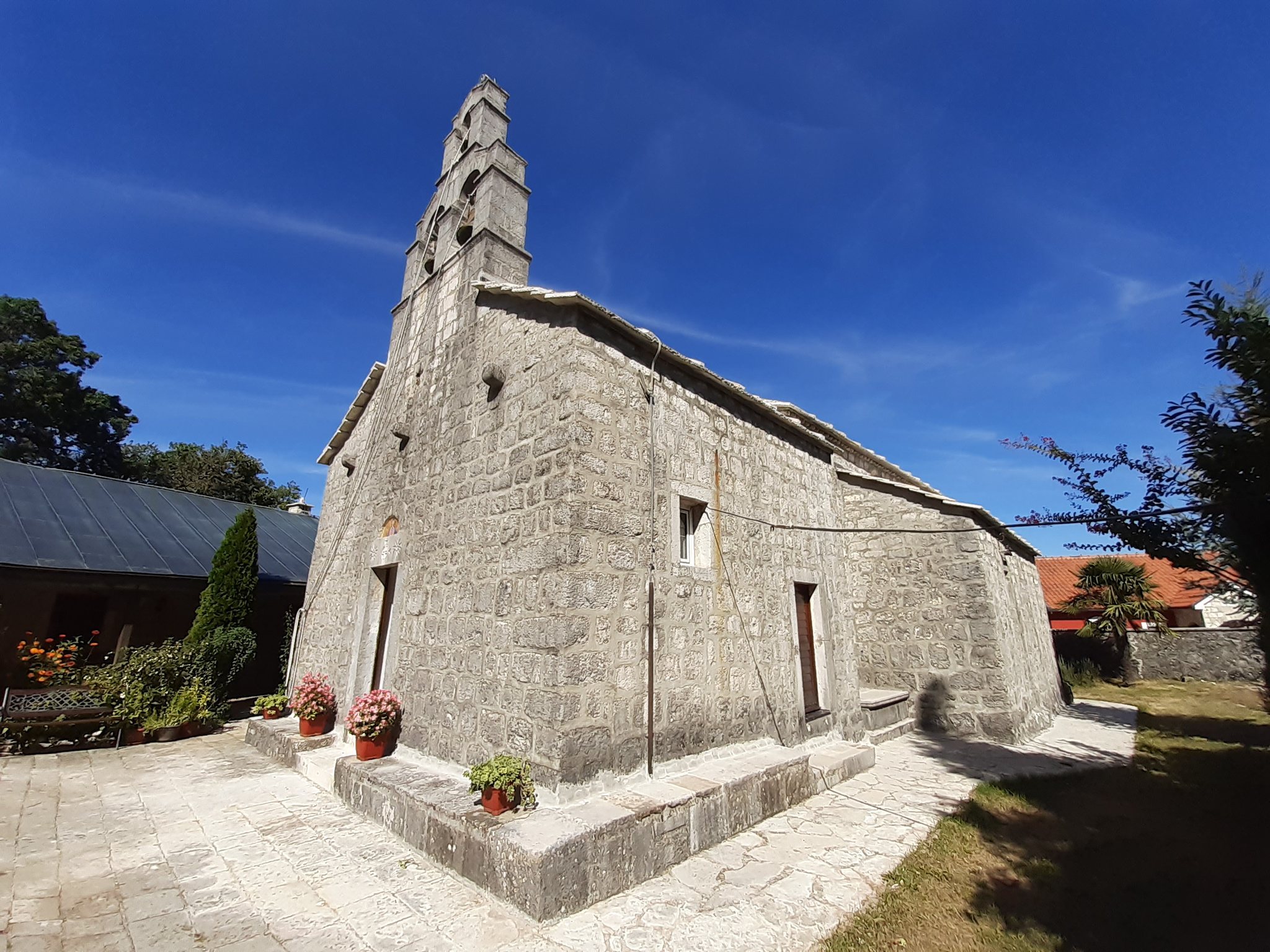
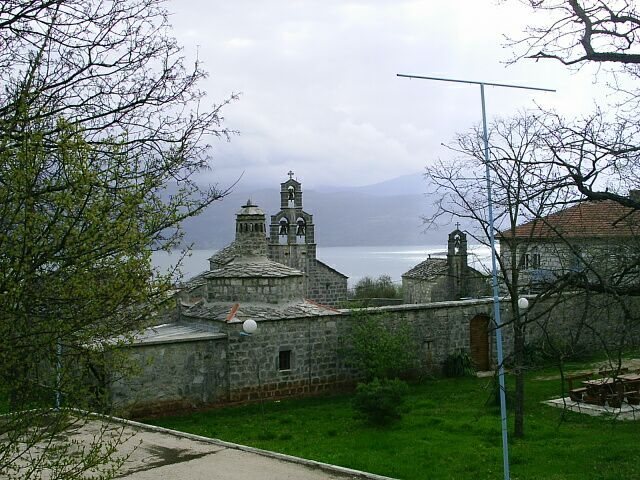
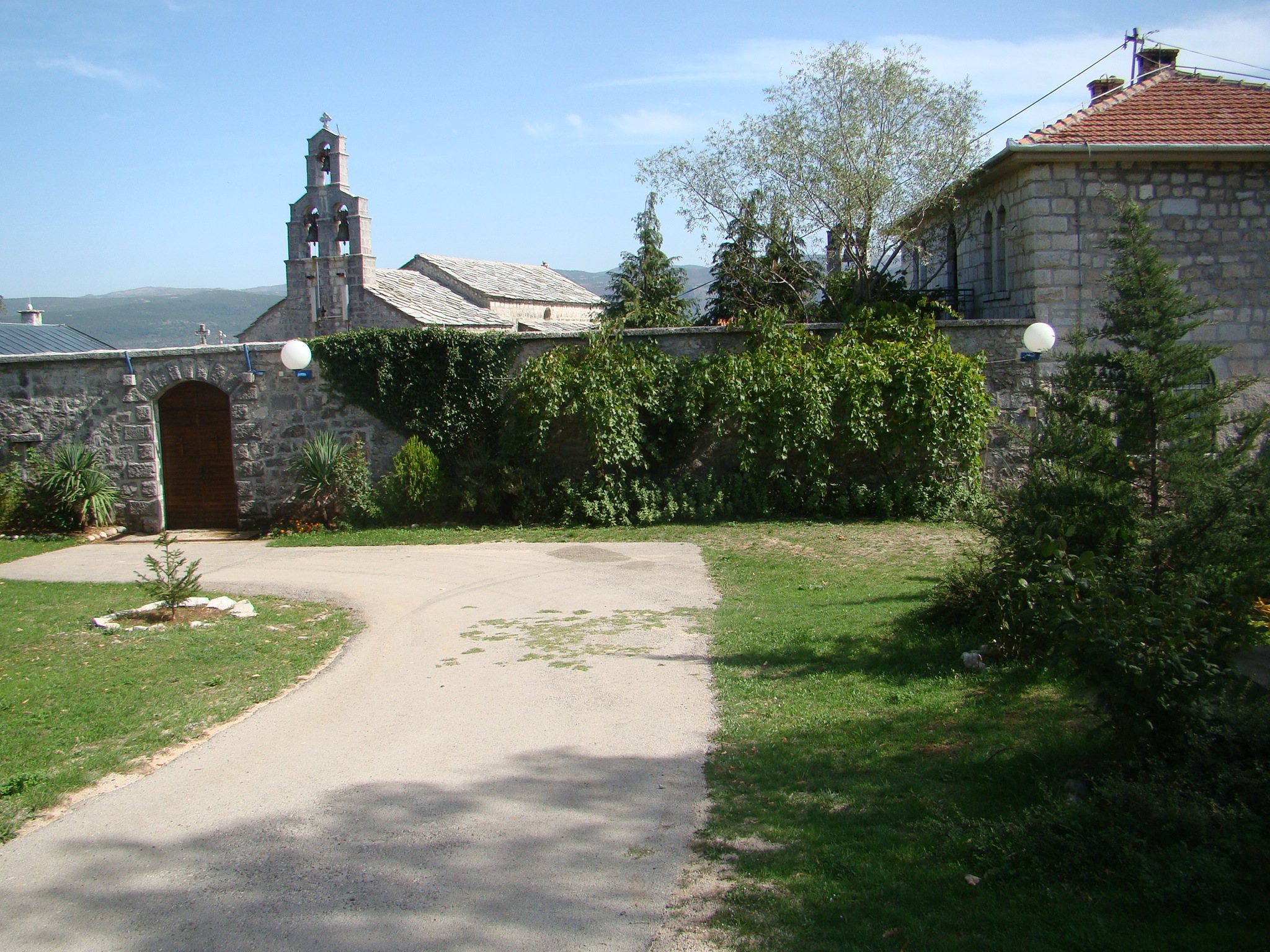
Dobrićevo Monastery is a Serbian Orthodox monastery at Orah in Bosnia and Herzegovina, in the municipality of Bileća. Dedicated to the Presentation of the Virgin, it belongs to the Eparchy of Zahumlje, Herzegovina, and the Littoral, an ecclesiastical diocese governed by a bishop. The exact date of its foundation is uncertain, while the present church is generally placed between the first half of the fifteenth century and the beginning of the sixteenth.
Tradition attributes the monastery’s foundation to Rastko, the medieval Serbian prince who became Saint Sava, and connects it with the Nemanjić dynasty, a medieval Serbian ruling family. Another tradition associates the site with Constantine the Great and his mother Helena. A seal dated 1232 has been used to link the monastery with the thirteenth century, although the surviving church belongs to a later period.
Damage, renewal, and relocation
The monastery originally stood beside the Trebišnjica River at Manastirska Greda above Dubočani, about 20 kilometres upstream from Trebinje. Looting took place in 1649 and 1680, and a fire damaged the church in 1672. The monastery was subsequently abandoned and remained unattended until renovation around 1730, traditionally attributed to monks from Montenegro.
Further violence affected the monastery during the 1875–78 Herzegovina uprising, an insurrection against Austro-Hungarian rule in the region. Local Muslim strongmen also threatened and attacked the monks during the nineteenth century, and Musa Šeović killed the monk-priest Spiridon in 1856. On 5 August 1914, Austro-Hungarian troops set the church on fire. The blaze destroyed the iconostasis, heavily damaged the murals, and caused the loss or confiscation of books, relics, and other valuable objects. Monks managed to save only part of them. The monastery was looted again in 1941.
In 1964–65, construction of the Grančarevo Dam and its reservoir flooded the original location. The monastery was moved as part of an operation to rescue monuments and works of art from the area. Specialists from the Institute for the Protection of Monuments of the Socialist Republic of Bosnia and Herzegovina and Stanford University carried out the conservation work. The church, auxiliary buildings, cemetery monuments, and the Church of Saint Nicholas from Nistihalj were transferred to Orah. The church was reconsecrated in 1968. On 17 May 2006, the Monastery of the Presentation of the Virgin in Dobrićevo, including its architectural ensemble, became a National Monument of Bosnia and Herzegovina.
Remains
Monastery church
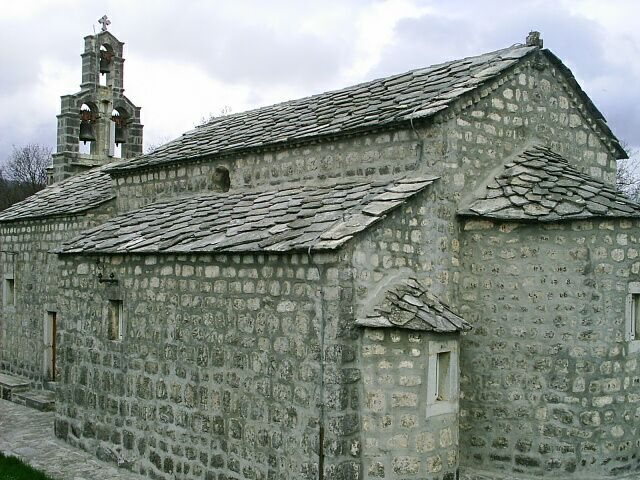
The church is built from local limestone and measures approximately 15.5 metres in length, 8 metres in width, and 8 metres at its highest point. Its ground plan follows the Raška architectural school, a medieval Serbian tradition combining Byzantine-influenced plans with western elements, while the superstructure includes features associated with late Gothic architecture in Dubrovnik.
The present church stands on the foundations of an earlier Early Christian basilica, a large type of church building. Local tradition attributes the basilica to Constantine the Great and Helena. Another tradition says that the narthex, an entrance or vestibule adjoining the main church, was added later by members of the Aleksić family.
Murals
The interior contains a mural ensemble created by several painters. Georgije Mitrofanović painted over older frescoes in the late sixteenth and early seventeenth centuries, and the painter Teodosije also worked on the murals. During the 1965 relocation, earlier layers of fresco painting were found beneath the visible paintings. Art historians regard the ensemble as an important example of Serbian fresco painting from its period.
Iconostasis and relic
The church’s iconostasis, the screen of icons separating the sanctuary from the nave, was painted in 1745 by Rafailo Dimitrijević of Risan. A relic consisting of the hand of an unidentified saint is preserved at the monastery in a single-piece gilded silver bracelet.
Transferred buildings and monuments
Auxiliary buildings and cemetery monuments
The present ensemble includes the monastery’s transferred auxiliary buildings and monuments from its cemetery. These elements were moved from the flooded site together with the church during the 1964–65 relocation.
Church of Saint Nicholas
The Church of Saint Nicholas from Nistihalj was also transferred to Orah. It now forms part of Dobrićevo Monastery’s architectural complex.