Turnul Dulgherilor: A Medieval Defensive Tower in Sibiu


Site at a Glance
- Rating
- 4.7
- Popularity
- Low
- Country
- Romania
- Primary era
- Medieval
- External website
- Open
- Eras represented
- Medieval, Early Modern
- Civilizations
- Hungarian
- Site type
- Military
- Remains
- Tower
On this page7 sections
History
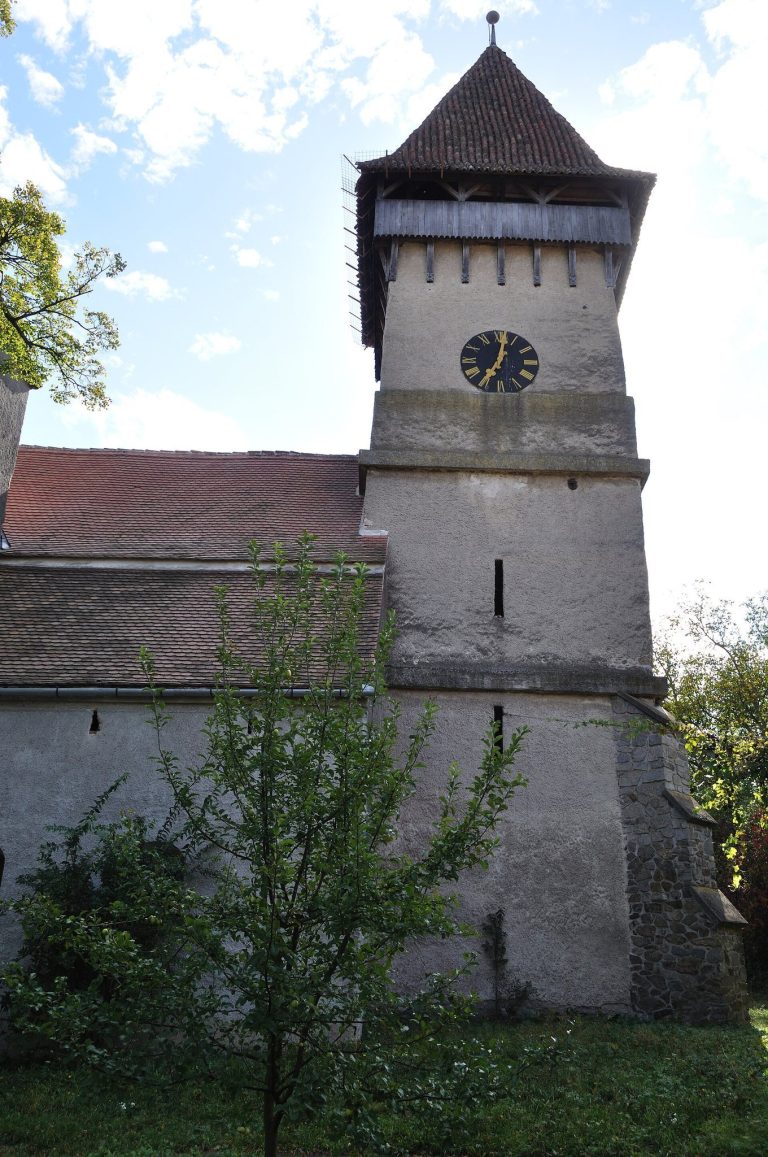
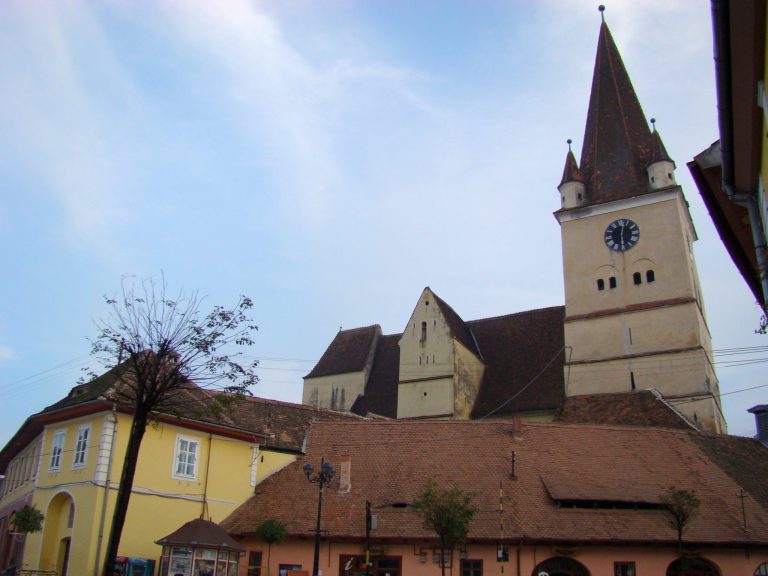
Turnul Dulgherilor is a medieval defensive tower in Sibiu, Romania, built by the Transylvanian Saxons, a German-speaking settler community with distinctive medieval urban institutions and fortifications. It formed part of the city’s third fortified enclosure, constructed during 1357–1366, and was built by the carpenters’ guild to help defend the walls, particularly against Turkish attacks.
The third fortified enclosure
In a medieval fortified town, a guild was an association of people practising the same craft. Such associations could also receive responsibility for defending assigned sections of the walls and towers. Sibiu’s defensive towers took their names from the guilds entrusted with their defense, and Turnul Dulgherilor was associated with the carpenters. The city was recorded as having twelve towers in 1492, including this one.
The tower’s precise construction date cannot be fixed with certainty from the surviving evidence. Fortification work on the third enclosure continued through the second half of the fifteenth century and into the opening decades of the sixteenth century. Its present form probably belongs to the beginning of the sixteenth century, reflecting the continued development of the city’s defenses after the enclosure’s initial construction.
Repairs and protection
Turnul Dulgherilor was repaired and altered over successive periods. The first known restoration took place in the seventeenth century, followed by further work during 1967–1972 and another restoration in the late 2000s. In 2004, the third fortified enclosure, including its defensive towers, gate tower, and curtain walls, was placed on the Historical Monuments List of Sibiu County under classification code SB-II-m-A-12010.03.
Remains
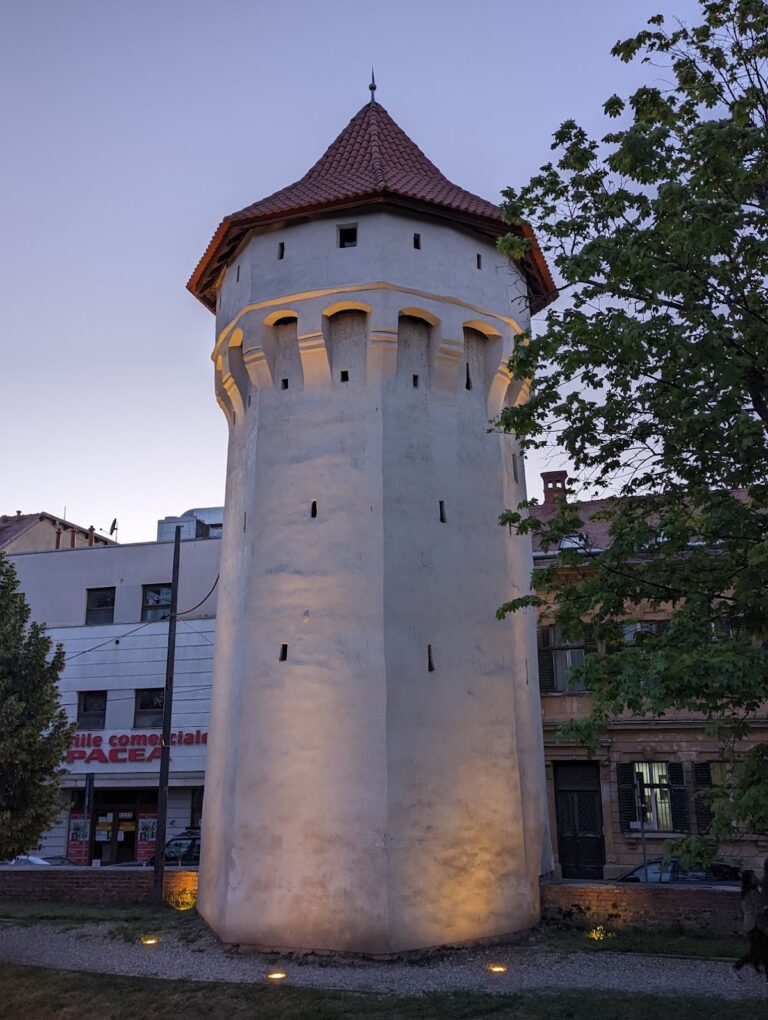
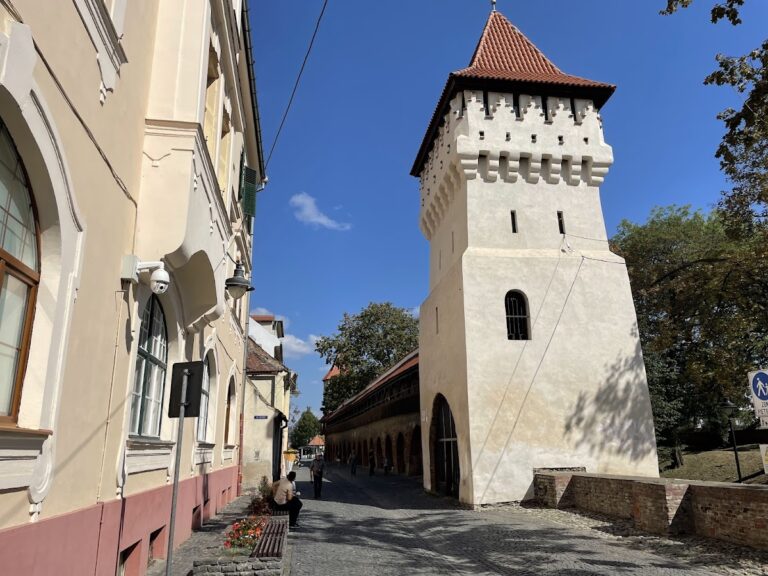
Turnul Dulgherilor is the northernmost of the three surviving defensive towers on Strada Cetății, alongside the Potter Tower and the Arquebusiers’ Tower. Together, these towers preserve a relatively intact group from the third enclosure. Turnul Dulgherilor rises 21.65 metres and combines stone and brick construction with a lower circular section and an upper octagonal form.
Structure and defensive layout
The lower part has a cylindrical plan aligned with the curtain wall. Above a pronounced cornice, the building changes into an octagonal prism, creating the tower’s projecting upper section. Consoles support this upper structure, while the roof forms an octagonal pyramid. Access was provided from the fighting gallery along the ring wall, which continued on the city-facing side of the tower.
Fighting gallery and firearms
The tower originally carried a crenellated fighting platform. Around 1450, this arrangement was replaced by a semi-open wooden fighting gallery supported by the octagonal upper structure and linked to the Potter Tower. The connecting arches contain openings through which projectiles could be dropped. Keyhole-shaped loopholes at the first level allowed defenders to fire arquebuses, early shoulder-fired firearms, at attackers who reached the base of the walls.
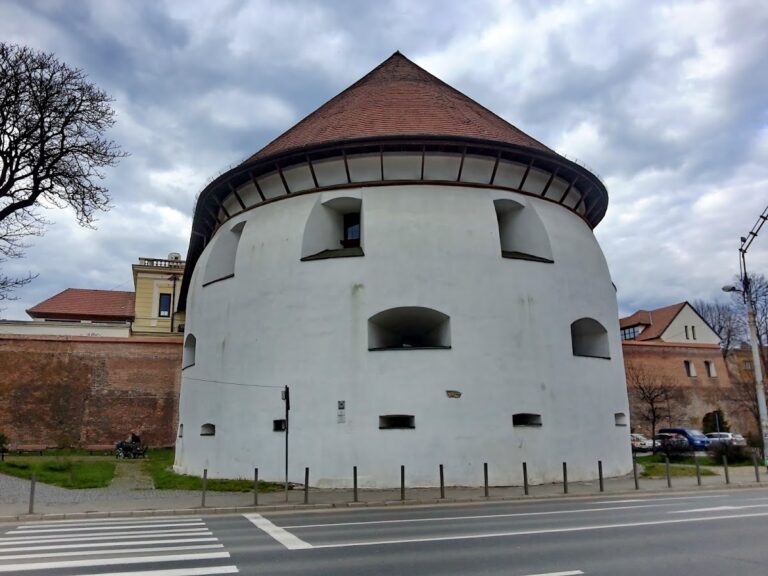
The adaptation for firearms altered the tower’s defensive function, although its prismatic upper form offered relatively limited protection against increasingly effective artillery. A large gate in the inner city wall stood between the Castle Tower and Turnul Dulgherilor. It led into the theatre courtyard of the Thick Tower. The curtain wall between Turnul Dulgherilor and the Potter Tower is a recent reconstruction of the former wall.
Hermann statue
A statue of Hermann stands in front of the tower beside the wall and fighting gallery, near the main entrance to the Sibiu Philharmonic. Hermann is depicted holding a flute and represents the development of poetry, music, and theatre in Sibiu. He is presented as a medieval minnesinger, a German-speaking poet and musician who composed and performed courtly songs.