Trolle-Ljungby Castle: A Renaissance Castle Complex in Sweden


Site at a Glance
- Rating
- 4.4
- Popularity
- Low
- Country
- Sweden
- Primary era
- Early Modern
- External website
- Open
- Eras represented
- Early Modern
- Civilizations
- Danish
- Site type
- Domestic
- Remains
- Castle
On this page8 sections
History
Medieval origins and Danish ownership
Trolle-Ljungby Castle is a Renaissance castle complex in Sweden, with medieval origins and a present form associated with reconstruction around 1621. During the fourteenth and fifteenth centuries, the estate belonged to the Danish noble Bille family. In the 1460s, it was sold to Jens Holgersen Ulfstand, a Danish politician, admiral, and county governor.
Little is known about the castle’s earliest history, but its connection with Ulfstand places it within the political and military world of medieval Denmark. Ulfstand was also associated with the construction of Glimmingehus, a well-preserved medieval manor in Scandinavia.
Fire and Renaissance rebuilding
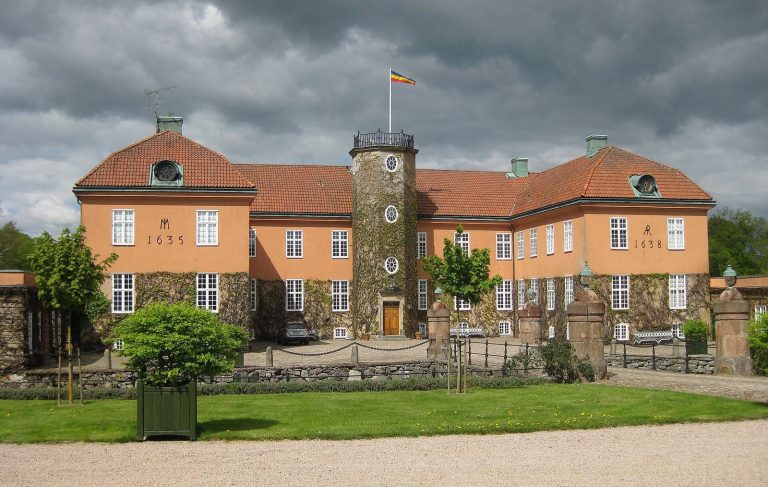
The castle burned during Søren Norby’s failed rebellion of 1525. Norby was a Danish admiral who led an unsuccessful uprising, and the fire later became part of the tradition surrounding a curse on the estate. Major reconstruction took place after 1621, when the castle’s present Renaissance exterior was conceived. Its architectural character is an accomplished form of Danish Renaissance, a regional tradition that combined Renaissance forms with local building practices.
By 1680, a drawing shows the castle with approximately its present shape. After Sweden conquered Scania from Denmark, the region was affected by the Scanian War, a late-seventeenth-century conflict between Sweden and Denmark-Norway. Trolle-Ljungby Castle became involved in the fighting and was damaged by Snapphanar, guerrilla fighters who opposed Swedish rule in the former Danish provinces of southern Scandinavia. The castle was subsequently repaired, and a defensive gatehouse was built.
Later ownership and restoration
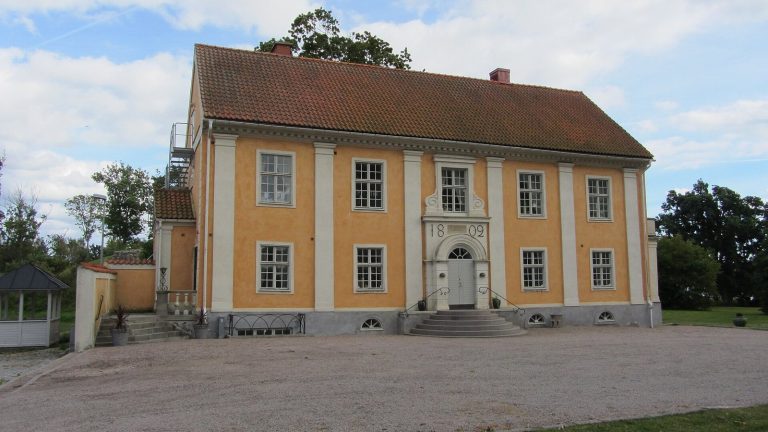
Carl Linnaeus visited the castle park in 1749. In 1850, the estate came into the possession of Hans Gabriel Trolle-Wachtmeister, an ancestor of the current owners. He initiated rebuilding work both inside and outside the castle. The present owner is Count Hans-Gabriel Trolle-Wachtmeister. His wife, Countess Alice Trolle-Wachtmeister, served as Sweden’s Mistress of the Robes until her death in 2017.
Remains
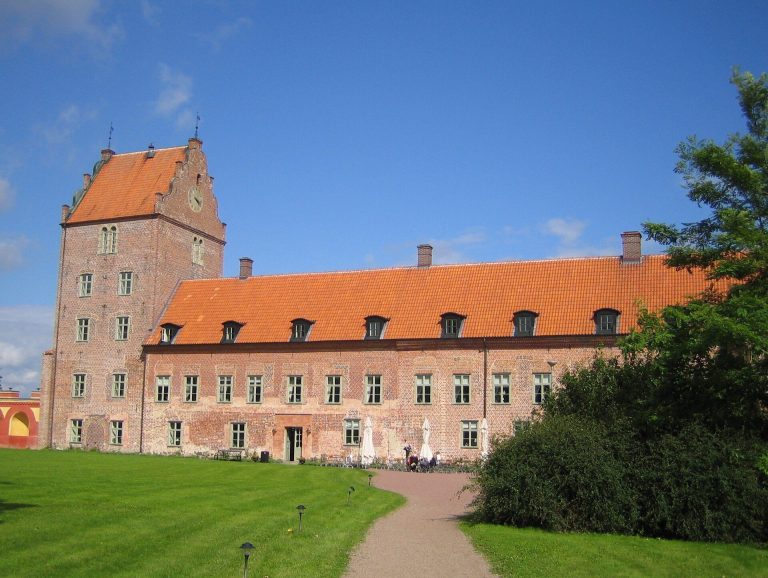
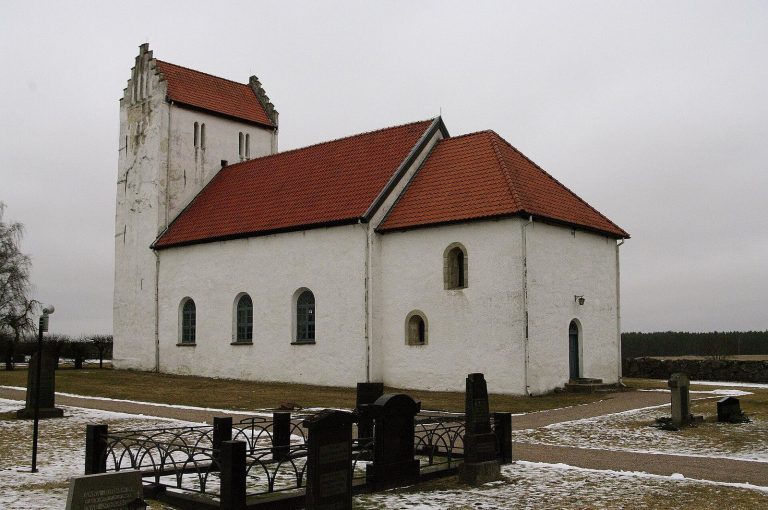
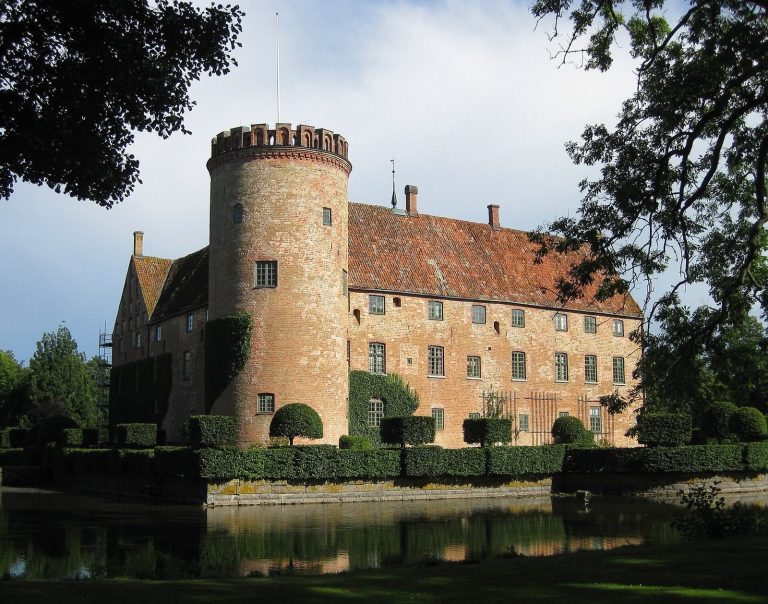
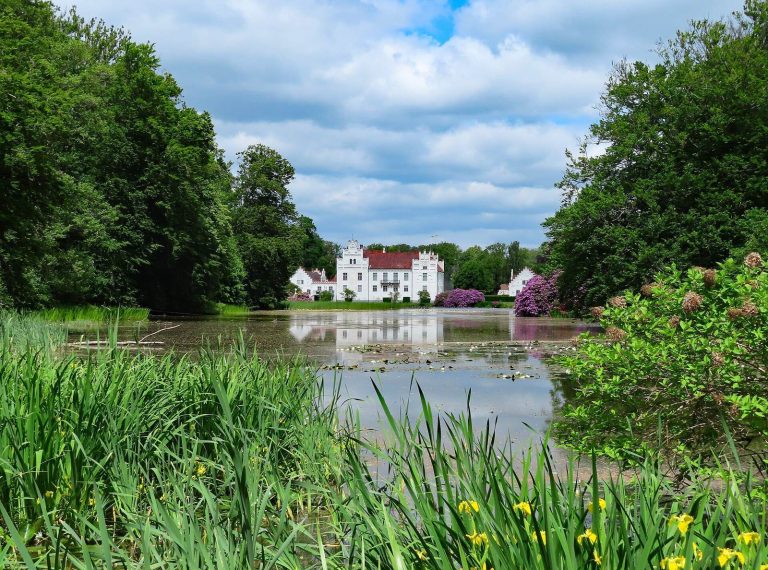
Trolle-Ljungby Castle is enclosed by a moat and stands on a small island surrounded by water. Three wings form the castle around a central courtyard. The western part is regarded as the oldest section. Trolle-Ljungby Church lies near the castle, placing the fortified residential complex within a wider historic estate landscape.
Castle layout and Renaissance architecture
The surviving complex combines a moated island setting with a three-wing plan and courtyard arrangement. Its exterior represents Danish Renaissance architecture, while the defensive gatehouse belongs to the later phase of repair and military adaptation following the damage associated with the Scanian War. The castle’s present outline was already largely established by about 1680.
Decorated rooms and library
The interiors include richly decorated Rococo and Neoclassical rooms. Rococo is a later European style known for delicate and elaborate ornament, while Neoclassicism draws on forms associated with classical antiquity. The castle also contains a private library described as one of the finest in Sweden.
Horn, flute, and the estate legend
The collections include a medieval drinking horn and a very old hunting flute or pipe. During the summer, these objects are displayed in a castle window. They are linked to a legend first recorded in 1620, which tells of trolls gathering beneath a large erratic boulder that still lies on the estate. An erratic boulder is a large stone moved from its original geological setting by natural forces, especially glacial movement.
According to the tradition, Sissela Ulfstand, the lady of the manor in the mid-sixteenth century, sent a man to investigate the gathering. Beneath the boulder he found a feast resting on a golden column and received the horn and flute. A maiden warned him not to drink from the horn. He escaped across the fields after pouring out its contents, which scorched the side of his horse, and carried the objects to the castle.
When Sissela refused to return the horn and flute, the trolls were said to curse her and the castle. The curse foretold that the castle would burn three times, that her family would die out, and that the objects must never leave the estate. The fire during Søren Norby’s failed rebellion, which occurred within Sissela’s lifetime, is treated as a historical event within this tradition.