Maltesholm Castle: A Renaissance Estate in Sweden
Site at a Glance
- Rating
- 4.4
- Popularity
- Low
- Country
- Sweden
- Primary era
- Early Modern
- External website
- Open
- Eras represented
- Early Modern
- Civilizations
- Danish, Swedish
- Site type
- Domestic
- Remains
- Castle
On this page14 sections
History
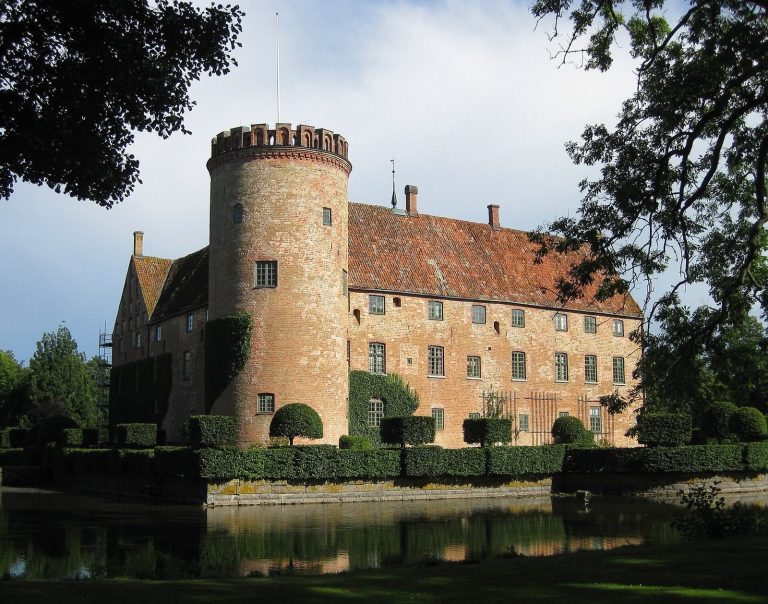
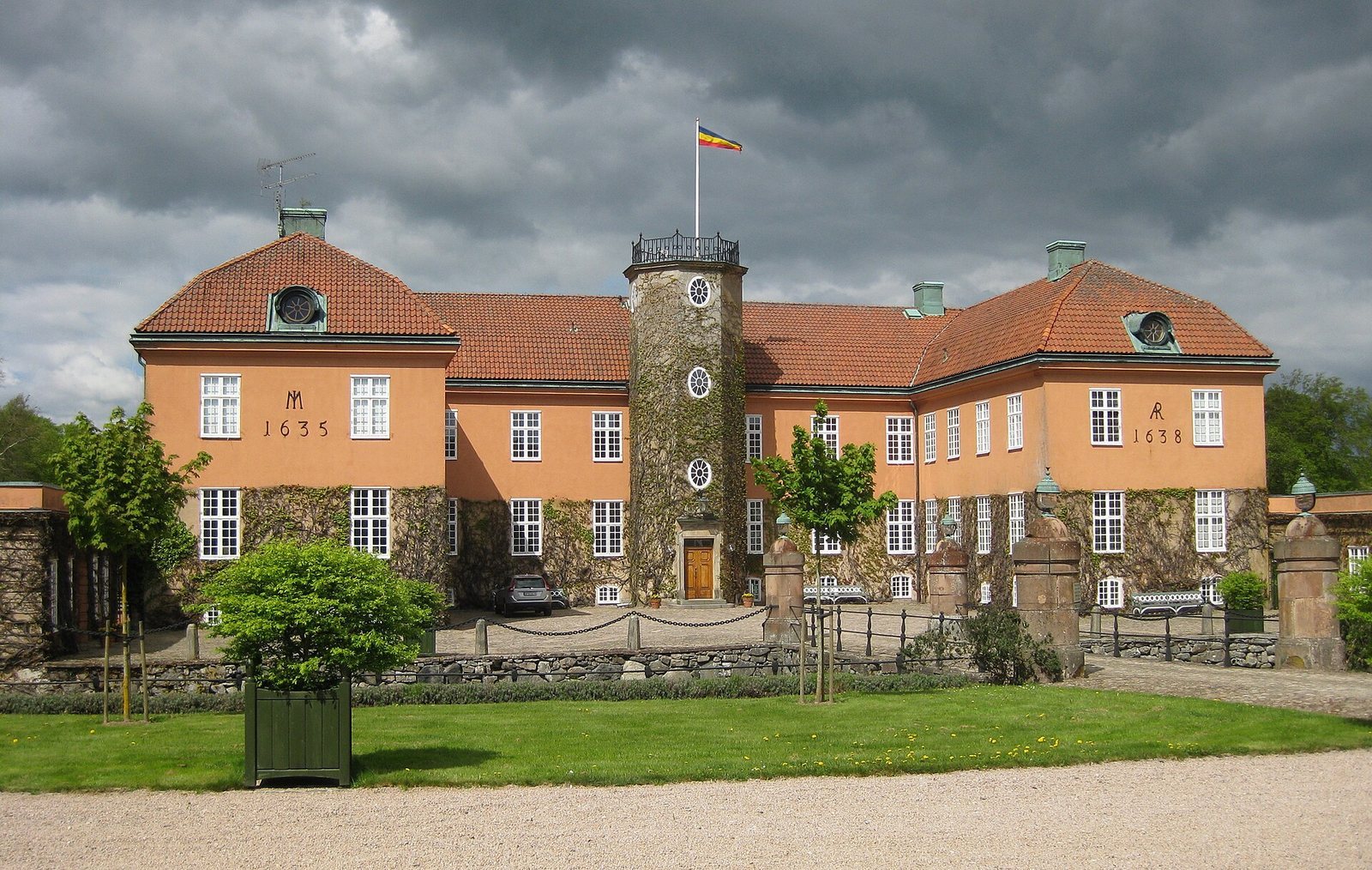
Maltesholm Castle is a Renaissance castle in Sweden, located at Sönnarslöv in Kristianstad Municipality on the edge of the Linderödsåsen, about 18 kilometres southwest of Kristianstad. Commissioned by Malte Juul, the Danish high constable in Kristianstad, it was built between 1635 and 1638 in the architectural style associated with Christian IV. The castle developed from a medieval estate into a major Scania property whose buildings, park, and approach still reflect several centuries of ownership and rebuilding.
From medieval estate to Maltesholm
The estate’s history reaches back to the Middle Ages, when it belonged to Vittskövle. During the period of Danish rule in Scania, the Brahe family held it. It was later separated from Vittskövle and became an outlying estate associated with Sönnarslöv.
Anne Ramel inherited the property and married Malte Juul in 1625. Juul enlarged the estate by buying land from neighbouring properties, and Maltesholm took its name from him. He commissioned the castle in 1635, creating a three-storey Renaissance residence in brick beside a broad moat.
Expansion and eighteenth-century reconstruction
The estate grew considerably during the lifetime of Malte Ramel, who was regarded as one of the wealthiest and largest landowners in Scania. His son Hans Ramel continued this programme of expansion and estate development. His extensive building activity earned him the nickname “Bygge-Hans,” meaning “Building Hans.”
In 1780 Hans Ramel reconstructed the castle according to late-eighteenth-century taste. The work removed one storey, replaced the earlier crow-stepped gables and elaborate spire, and gave the building the overall character it retains today. The drawbridge was replaced by a stone bridge, while the facade was plastered and the roof changed to a broken hipped form.
Later ownership and the historic landscape
Maltesholm passed in 1800 to Axel Gabriel De la Gardie, governor of Kristianstad County, who was married to Christina Gustava Ramel. The estate remained with the De la Gardie family for more than a century. In 1933 it passed by inheritance to the baronial Palmstierna family, which remains its owner. The castle is privately owned.
The surrounding park changed gradually over approximately 370 years. It began as a Renaissance garden combining ornamental and utilitarian plots before becoming a late-eighteenth-century landscape park arranged along two axes from the castle. A landscape park is a designed estate landscape intended to appear natural or gently picturesque rather than strictly geometric.
Carl Linnaeus visited Maltesholm on 25 May 1749. The Swedish botanist described the estate’s gardens, avenues, hedges, beech woodland, fields, and plant species. He also noted that grain sowing was under way while discussing suitable sowing times. A tradition connected with his visit holds that the orangery later cultivated Sweden’s first bananas.
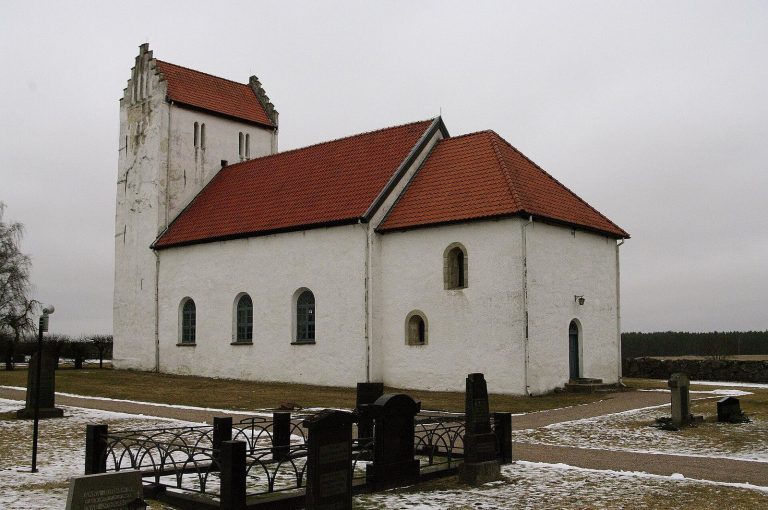
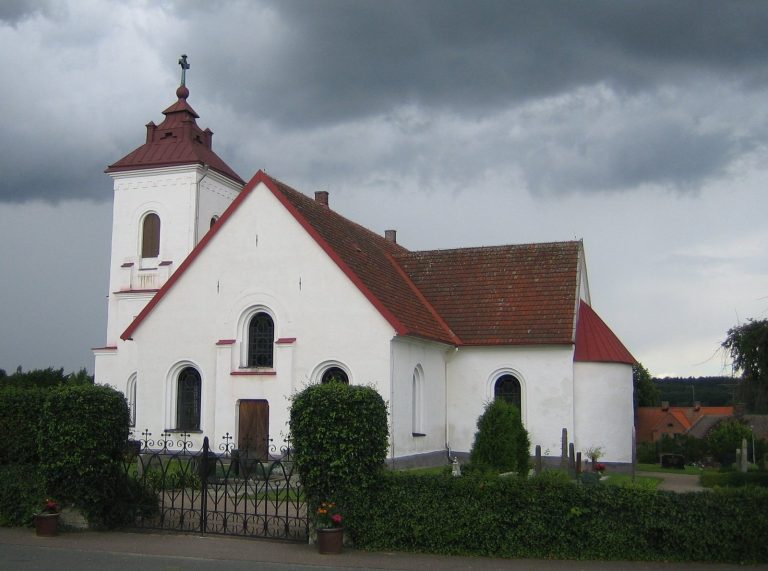
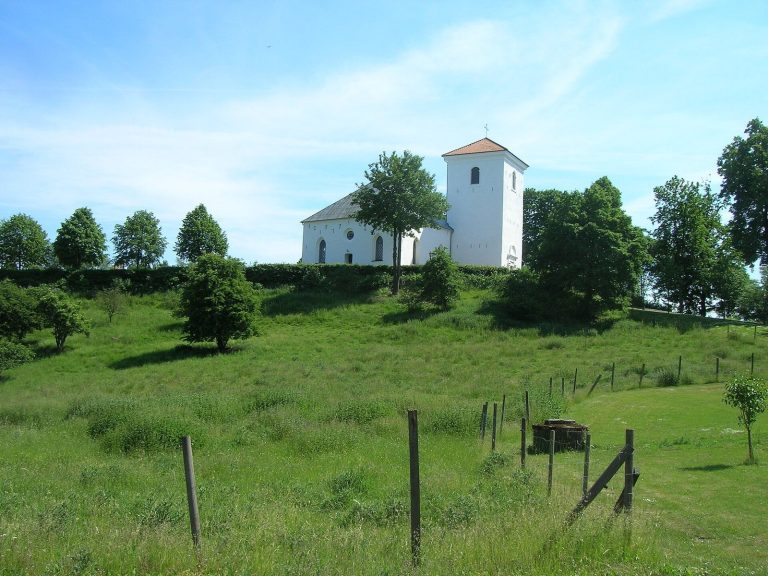
The Ramel family’s connection with the estate also continues at nearby Östra Sönnarslöv Church, where a crypt contains the remains of Malte Ramel and both of his wives. The church has parts dating from the twelfth century and fifteenth-century wall paintings commonly attributed to Nils Håkansson.
Remains
Castle and approach
The castle
The present castle preserves the form created by Hans Ramel’s reconstruction of 1780. The earlier building was a three-storey Renaissance brick structure surrounded by a broad moat, with two crow-stepped gables, a staircase tower carrying an elaborate spire, and a drawbridge. The reconstruction reduced the building by one storey, plastered its facade, added a broken hipped roof, removed the spire and gables, and replaced the drawbridge with a stone bridge.
The moat remains as a visible feature of the earlier Renaissance castle. The year “1680” is marked on the facade and is among the surviving elements associated with the building’s earlier history.
Höge väg
Höge väg is the monumental stone road leading through the undulating landscape toward the castle. It extends for approximately 1.3 kilometres, measures between 12 and 20 metres in width, and reaches about 6 metres in height in places. Its construction took almost 50 years. A tradition associated with the work states that workers were required to carry one stone to the road each day.
Park buildings and trees
The gazebo and orangery
A classical-style gazebo stands in the park. It was designed in 1770 by Carl Hårleman, an eighteenth-century Swedish architect associated with classical architecture and palace design. The park also contains an orangery dating from 1781. An orangery is a glazed or heated garden building used to grow and overwinter plants requiring warmer conditions. The tradition linked to Linnaeus’s visit associates this building with the cultivation of Sweden’s first bananas.
Notable park trees
The park contains what is described as Sweden’s largest yew. It also has a Douglas fir more than a century old, approximately 35 metres high, with a trunk circumference of 450 centimetres.
Östra Sönnarslöv Church
Church and wall paintings
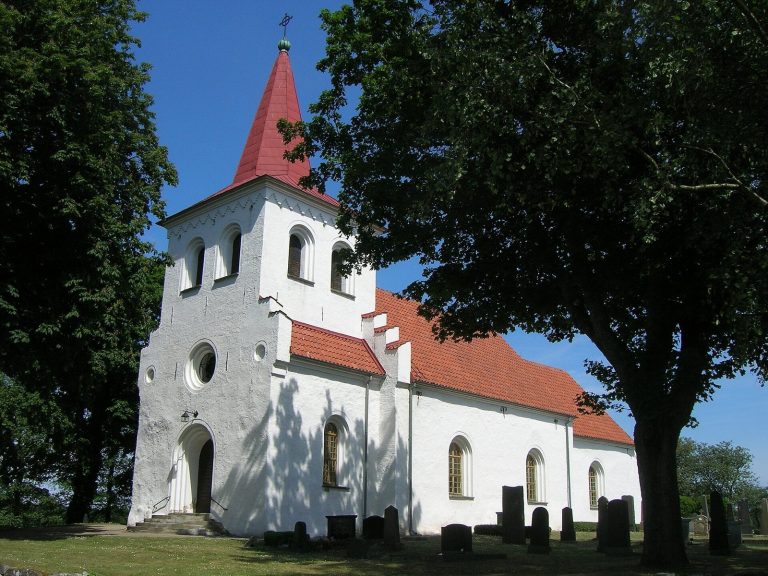
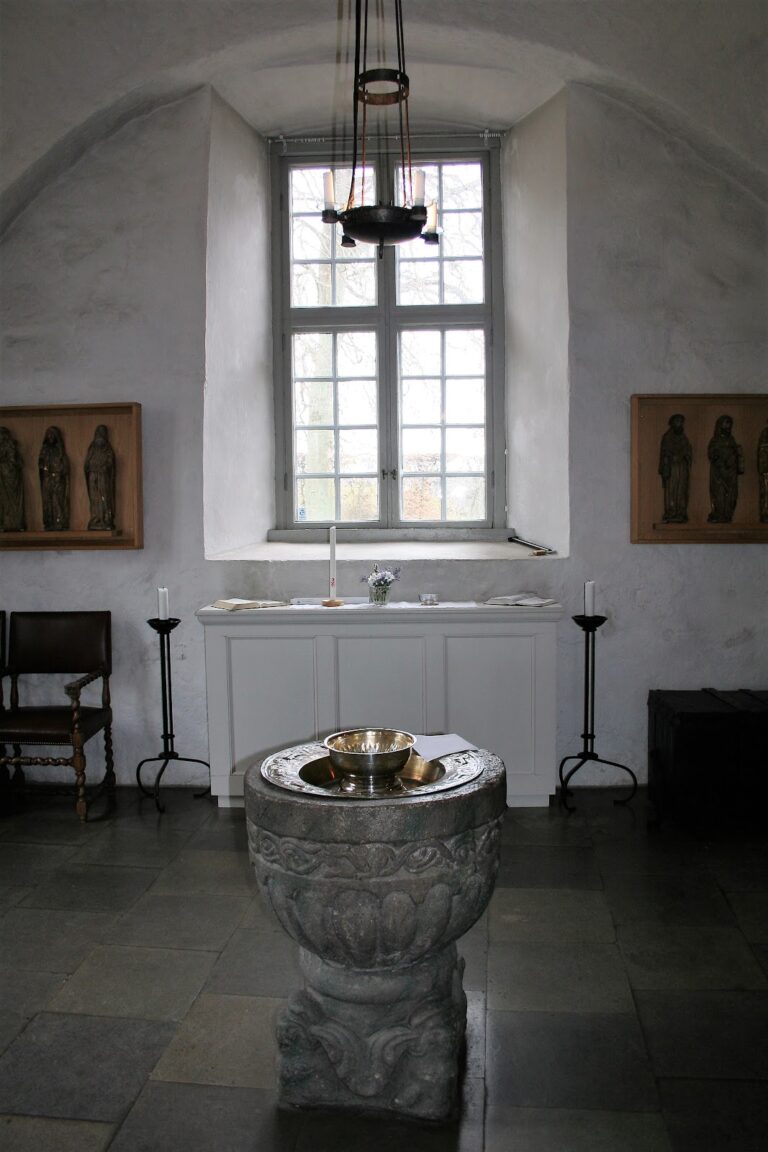
A few kilometres southeast of the castle, Östra Sönnarslöv Church includes parts dating from the twelfth century. Its interior is decorated with fifteenth-century wall paintings commonly attributed to Nils Håkansson.
The Ramel crypt
The church contains the Ramel family crypt, a burial chamber holding three stone sarcophagi. It contains the remains of Malte Ramel and both of his wives. A sarcophagus is a stone coffin or burial container, while a crypt is a chamber within or beneath a church used for burials.