Bäckaskog Castle: A Former Monastery and Royal Estate in Sweden
Site at a Glance
- Rating
- 4.4
- Popularity
- Medium
- Country
- Sweden
- Primary era
- Early Modern
- External website
- Open
- Eras represented
- Early Modern
- Civilizations
- Danish
- Site type
- Domestic
- Remains
- Castle
On this page7 sections
History
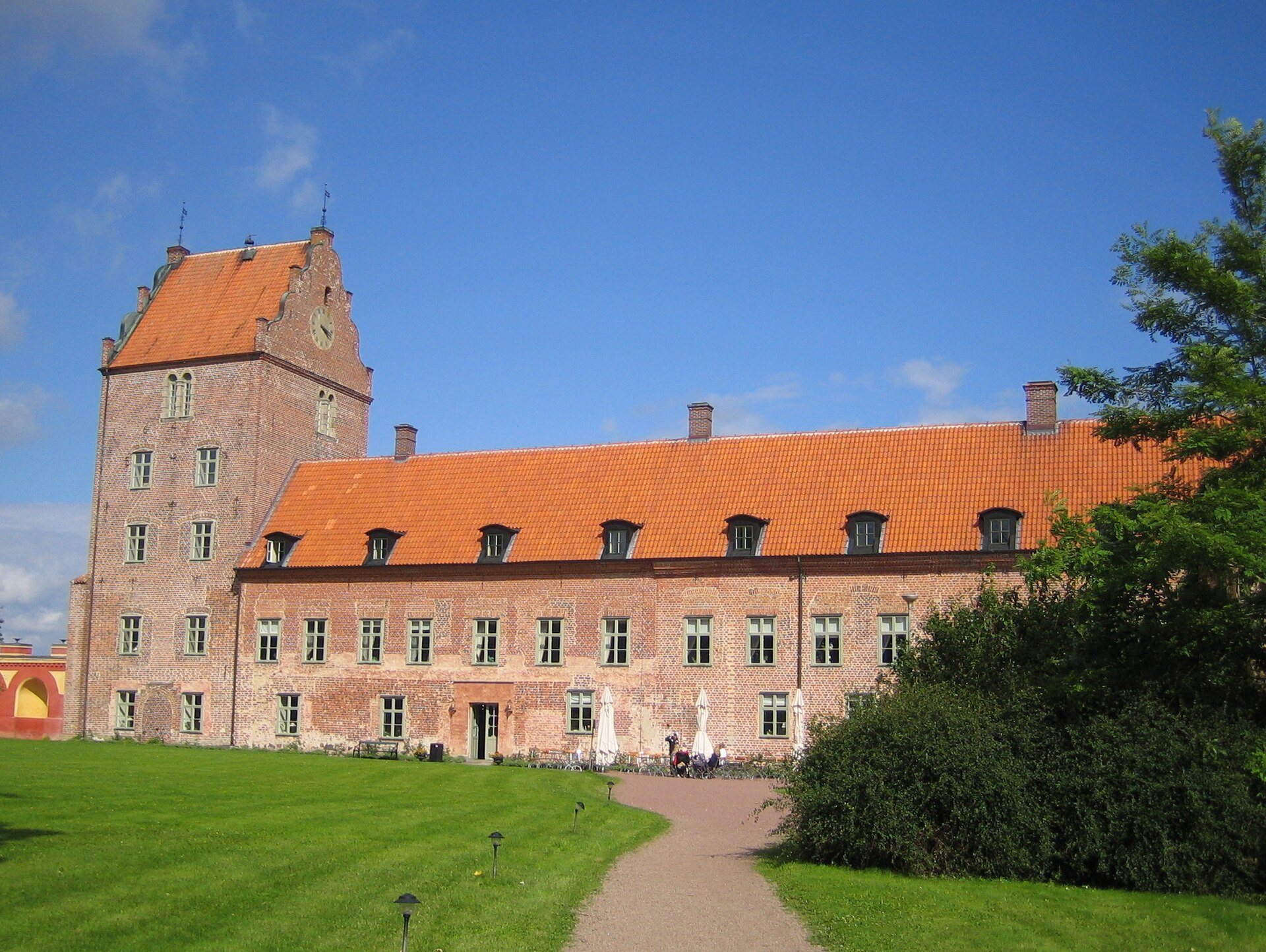
Bäckaskog Castle is a former monastery and royal estate in Sweden, situated between two lakes in Scania. It originated as a Premonstratensian monastery in the thirteenth century. The Premonstratensians were a Catholic religious order whose communities followed a form of the Augustinian rule. The site was transformed into a castle during the sixteenth century.
From monastery to Danish estate
Monastic activity ended in 1537 during the Reformation, the religious and political movement through which Denmark and Sweden established Protestant state churches and dissolved or confiscated many Catholic institutions. Bäckaskog was taken over by the Danish state and became a fief held successively by the Ulfstand, Brahe, Bille, and Parsberg families. It later passed into the ownership of the Ramel family.
Between 1584 and 1653, Henrik Ramel and his son, Henrik Ramel the Younger, shaped the castle into its present form. Their work established the character of the former monastery as a residence and estate.
Swedish Crown and royal tenancy
In 1684, King Charles XI confiscated Bäckaskog for the Swedish Crown. Charles XI, who ruled Sweden from 1660 to 1697, thereby transferred the estate into royal ownership. Bäckaskog became the residence of the colonel or commander of the Southern Scanian Cavalry Regiment, although the estate was often leased.
Field Marshal Johan Christopher Toll and Charles XV were among the holders who improved the castle and its surroundings. Oscar I leased the estate in 1845 and transferred the contract in 1853 to Crown Prince Charles, later King Charles XV. Charles XV, who was king of Sweden and Norway from 1859 to 1872, held Bäckaskog until his death in 1872.
Later leases and public use
Crown Prince Frederick of Denmark, later King Frederick VIII, took over the property in 1885. In 1900, he transferred the lease contract to Chamberlain Filip Stjernswärd. Around 1924, Bäckaskog was leased by Per Åkers Nilsson, a director of a Swedish-owned telephone company in Poland and formerly a director of a telephone company in Moscow that was partly owned by LM Ericsson. He was the last lessee to manage both the castle and the agricultural estate and lived at Bäckaskog for many years. A relative later assumed the agricultural lease.
In 1956, the castle was separated from the adjoining agricultural property. Lessee Gustav Ferlenius subsequently developed Bäckaskog into a popular tourist destination, after which the site was used for conferences and courses and opened to the public. The Swedish National Property Board purchased Bäckaskog in 1996. The Swedish government agency manages state-owned properties, while Bäckaskog itself has been a protected historic building since 1935. It is now used as a hotel, restaurant, and conference facility.
Remains
Castle complex and setting
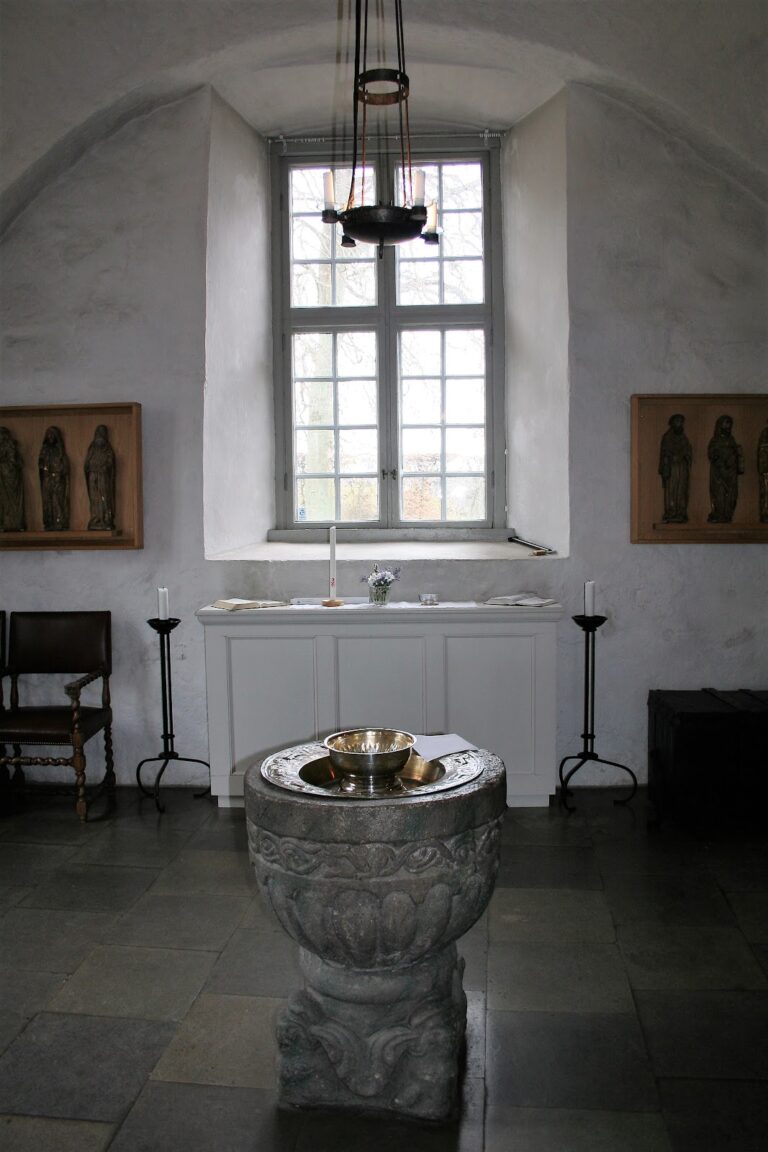
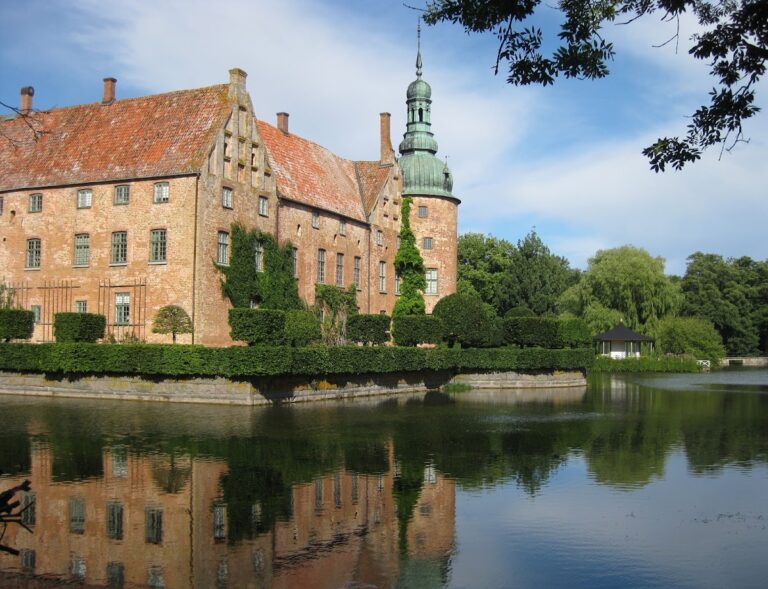
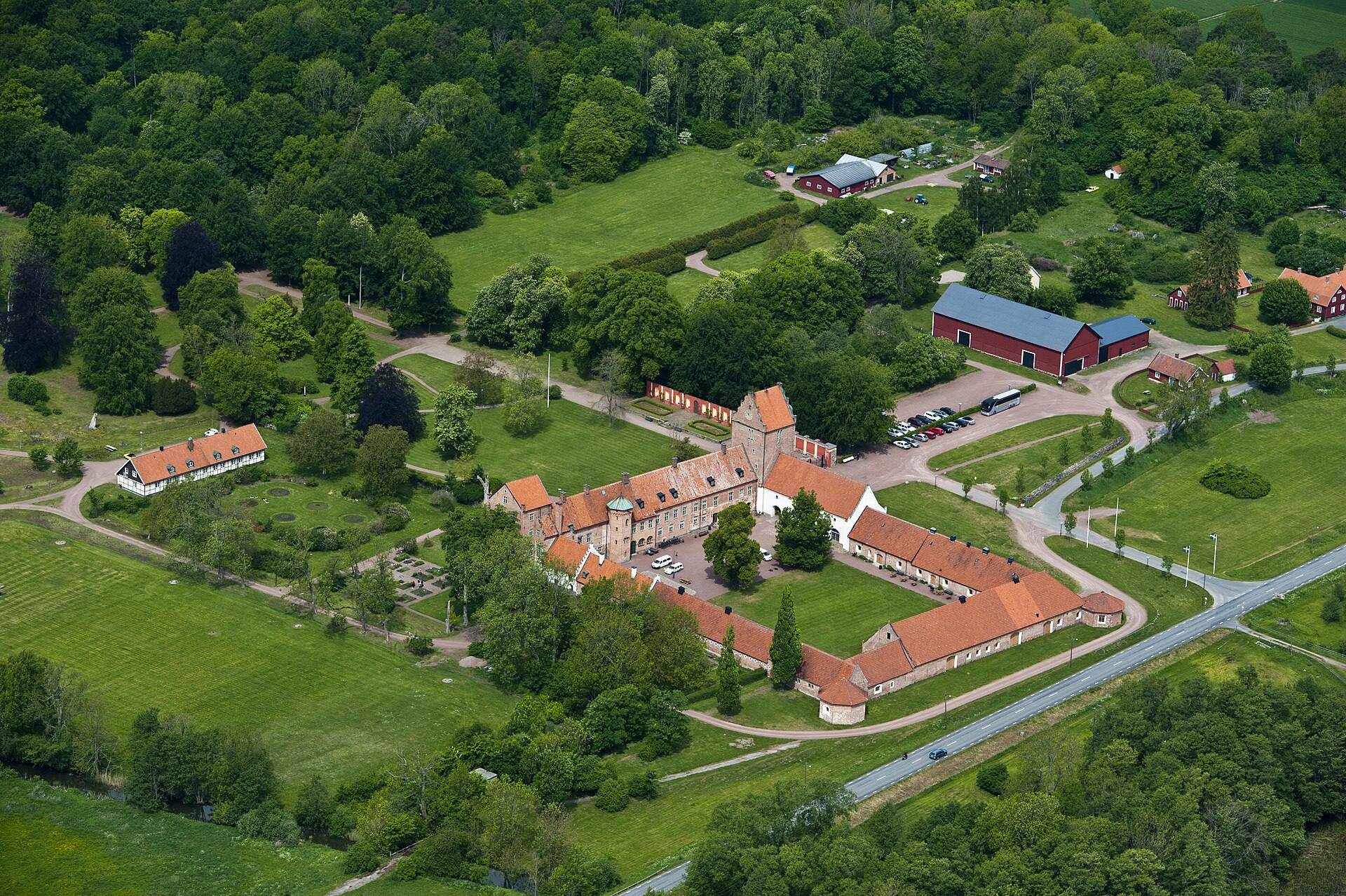
Bäckaskog Castle stands on a narrow strip of land between Lake Ivösjön and Lake Oppmannasjön in Kristianstad Municipality, Scania. The surviving complex includes Bäckaskog Castle Chapel. Its physical setting reflects the site’s earlier development as a monastery and its later use as a castle estate.
Park and gardens
A garden probably existed beside the monastery before the castle was established. Between 1820 and 1840, a landscape-style park was created for Bäckaskog. The surviving part is known as the wild park. An orangery and other decorative elements were demolished during the early twentieth century.
Further sections of the park were created around 1950 to 1960 to introduce earlier garden ideals and plant names. These included a herb garden with culinary and medicinal plants and a biblical garden. Successful rose cultivation gave Bäckaskog the nickname “the castle of roses.”