Tossal del Mortòrum: A Prehistoric Settlement and Burial Site in Spain
Site at a Glance
- Rating
- 4.6
- Popularity
- Medium
- Country
- Spain
- Primary era
- Iron Age
- Eras represented
- Bronze Age, Iron Age
- Civilizations
- Unclassified
- Site type
- Settlement
On this page6 sections
History
Tossal del Mortòrum is an archaeological settlement and burial site in Cabanes, Spain, occupied from about 1950 to 550 BC, from the Bronze Age into the Early Iron Age.
Bronze Age occupation
The earliest settlement began in the early second millennium BC. A fire around the middle of that millennium brought this first phase to an end. People returned between about 1400 and 1130 BC, using different building practices and arranging their settlement differently. Their pottery also differed from that of the earlier inhabitants, and some fragments point to contact with communities in central Iberia. This occupation ended toward the close of the second millennium BC.
A burial monument near the settlement was used at several points during the Bronze Age, probably for the community’s dead. The name Mortòrum derives from Latin and suggests a connection with the dead; it may indicate that people knew of the burials by the Middle Ages.
Early Iron Age settlement
After nearly five centuries without settlement, a new community built over the earlier remains in the second half of the seventh century BC. The steep slopes and views over the surrounding land and sea made the hill useful for observation and defense. Proximity to Torre la Sal, on the coast opposite, may also have influenced the choice of location. The settlement was abandoned in the first half of the sixth century BC, apparently in haste, with valuable objects left in some rooms.
Finds from this phase point to trade with the Phoenicians, maritime traders whose communities were based along the eastern Mediterranean coast. Imported goods included wine in amphorae, large vessels used to store and transport goods, as well as other pottery and metal objects unfamiliar in the region. The settlement’s inhabitants appear to have played an important part in access to these goods and may have controlled or redistributed them. Exchanges seem to have focused on raw materials, especially metal, and may have included other goods. Iron and lead ores were available nearby, though their use in these particular exchanges is uncertain. Building methods and settlement planning also show innovations that may reflect ideas brought through contact with the Phoenician world.
Torre la Sal had a coastal landing place linked to maritime trade from the seventh century BC, with Phoenician amphorae and some metal objects among the evidence of those contacts. Human presence on the surrounding coastal plain reaches back more than 300,000 years, and settled communities lived there from the Neolithic onward, with occupations at different times through the Neolithic and Bronze Age. Maritime trade intensified in the second and first centuries BC, when Torre la Sal became one of the most important Iberian settlements in the Castellón area. Iberians were ancient peoples of the peninsula, especially its eastern and southern regions.
Excavations in the settlement area began in 1925, but the methods used at the time led to the loss of most results and recovered materials. Regular excavations have taken place since 2002 through cooperation between Cabanes Town Council and the Archaeology Service of the Castellón Provincial Council. The burial remains were identified in 2006.
Remains
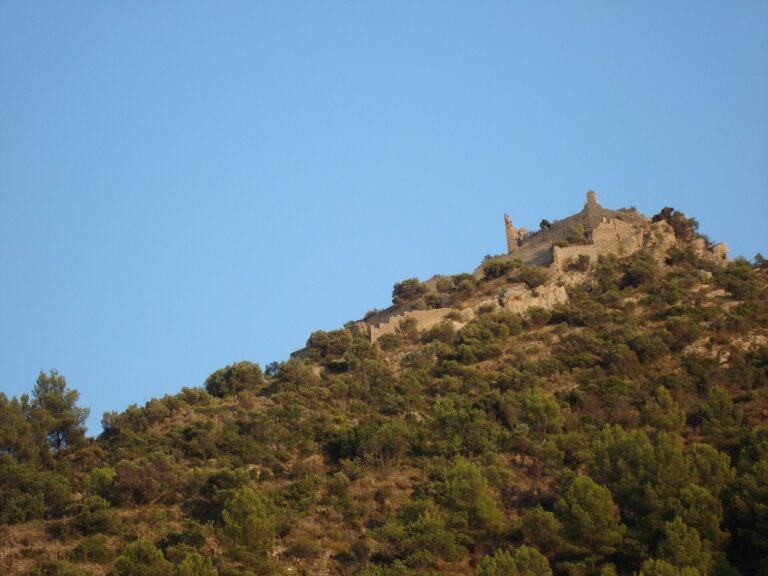
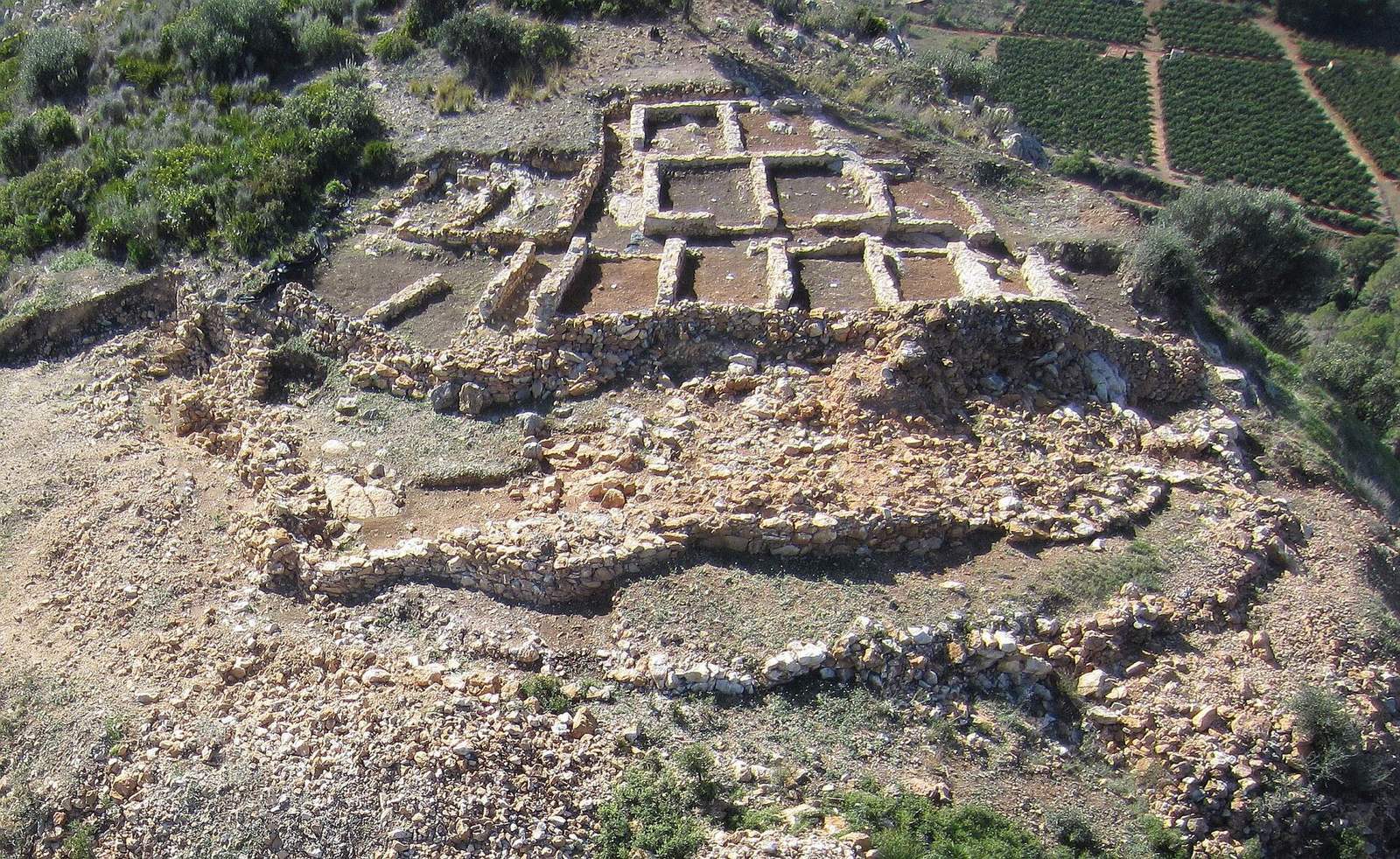
The archaeological site occupies a steep hill overlooking the coastal plain of Ribera de Cabanes, Torreblanca, and Orpesa, as well as the sea. The settlement remains lie on the hill, while the burial monument stands about 300 metres away.
Settlement remains
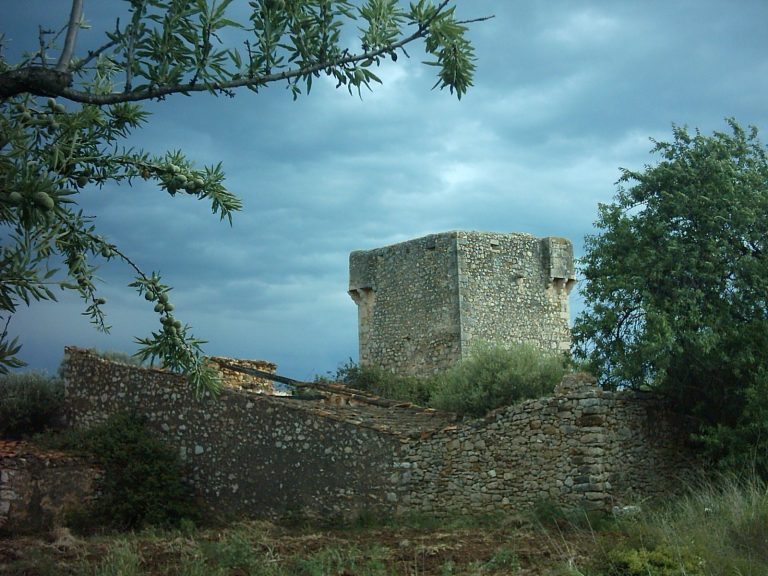
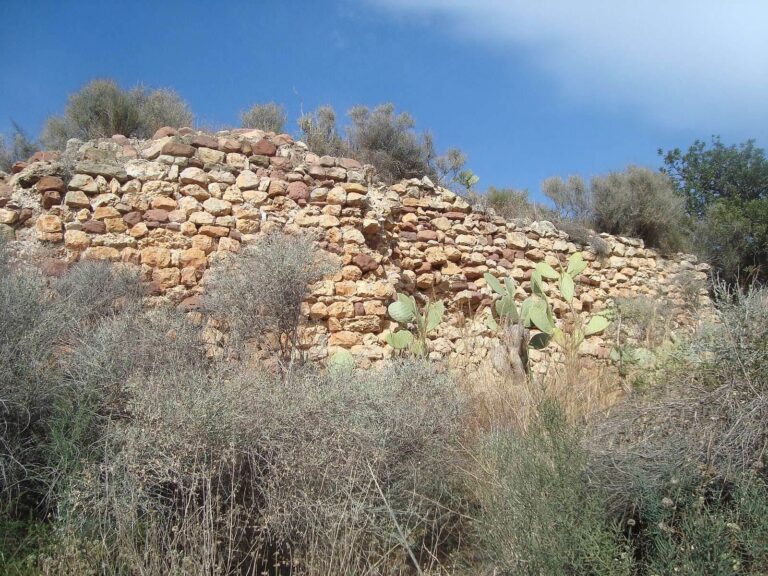
Bronze Age remains include sections of wall and hearths, together with numerous pottery fragments and other objects. The later settlement had a thick defensive wall, probably with a tower, and most of its rooms served for storage. Finds from this phase include pottery made on a wheel and metal objects not previously known in the region.
Burial monument
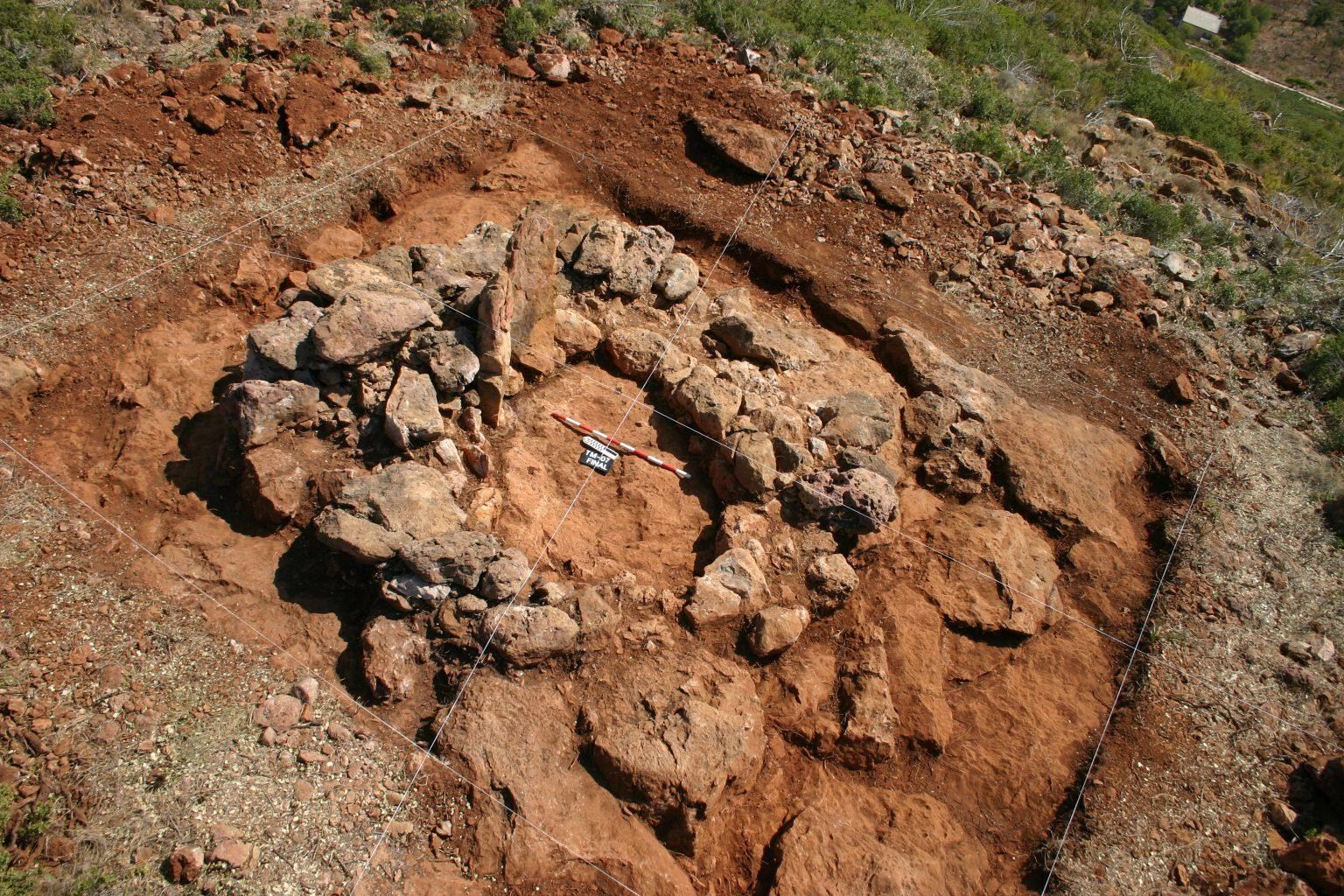
Dated broadly to 1740–1020 BC, the monument has a central burial chamber bounded by upright slabs and a roughly quadrangular perimeter built from large stone blocks. Although the tomb was pillaged in antiquity, excavations recovered human remains from at least five people. Estimates of their ages are about 7.5, 12, and 20 years, 25 to 30 years, and over 60 years. Its form belongs to a megalithic burial tradition, one involving large stones, known elsewhere on the Iberian Peninsula but not typical of the Castellón area.