Benicàssim Castle: A Medieval Fortification in Spain
Site at a Glance
- Popularity
- Low
- Country
- Spain
- Primary era
- Medieval
- Eras represented
- Medieval
- Civilizations
- Unclassified
- Site type
- Military
- Remains
- Castle
On this page8 sections
History
Benicàssim Castle is a medieval fortification in Benicàssim, Spain, dating to the twelfth century, when Muslim coastal fortifications were also being built. It belonged to the Montornés lordship and may have served as a forward outpost of Montornés Castle.
Origins and the Montornés lordship
The wider Montornés territory had been under Aragonese control since the reign of Peter I, king of Aragon, in the late eleventh century. The presence of the Almoravids, a North African Muslim dynasty that ruled parts of the Iberian Peninsula, and the death in 1099 of the Cid, the Castilian military leader Rodrigo Díaz de Vivar, threatened that control. The Almoravids took the castle in 1103, and it passed definitively into Christian hands in 1234.
The Montornés lordship included Benicàssim Castle, Puebla Tornesa, and Burriana, which was held as a fief, land granted under feudal obligations. After 1234, the barony of Benicàssim and Montornés took shape. A barony was a territorial lordship held by a baron. On 29 November 1242, James I, king of Aragon, granted it to his royal notary Pedro Sanz de Martell. Montornés was granted as a fief to the church of San Vicente de la Roqueta in Valencia in 1268. Alfonso III, king of Aragon, transferred it to Poblet, a Cistercian monastery in Catalonia, on 12 December 1287.
Medieval holders
During a pastoral visit to the Diocese of Tortosa between August 1314 and March 1316, Bishop Paholac’s records included information about the castle’s population. Juan Ximénez, son of Pedro Ximénez de Arenós, held the castle in 1333. In 1416, a royal grant transferred jurisdiction over the lordship to Alfonso de Thous, bishop of Vic. After Alfonso’s death in late 1420, Gilberto de Centelles, lord of Nules, acquired it. In 1467, John II, king of Aragon, granted the lordship to Juan Pagés, whose family retained it for about half a century.
The Casalduch barony and later succession
Nicolás de Casalduch, a citizen of Castellón and lord of Sierra d’En Galcerán, bought the lordship in 1515. On 8 December 1589, Violante de Casalduch issued a settlement charter at the castle, setting terms for ten settlers. On 22 September 1593, she granted another charter for sixteen more settlers at a tower in the territory of Benicàssim and Montornés.
The Casalduch family held the baronies until 1620. That year, the heir’s father and administrator sold and divided the entail Nicolás de Casalduch had established in 1534, separating the Montornés lordship from the barony of Benicàssim. On 24 February, the barony and the Torre del Señor were sold to Claudi Luperc Ferrer. The barony stayed in his family until its last baron died without issue; it then passed to Francisco Giner Feliu, his wife’s nephew. Benicàssim Castle was declared an Asset of Cultural Interest on 25 June 1985, with a ministerial entry recorded on 14 March 2006.
Remains
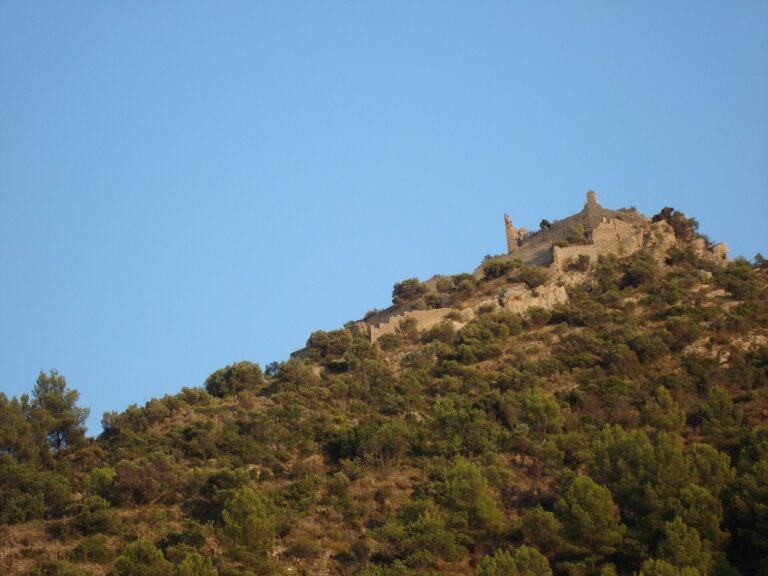
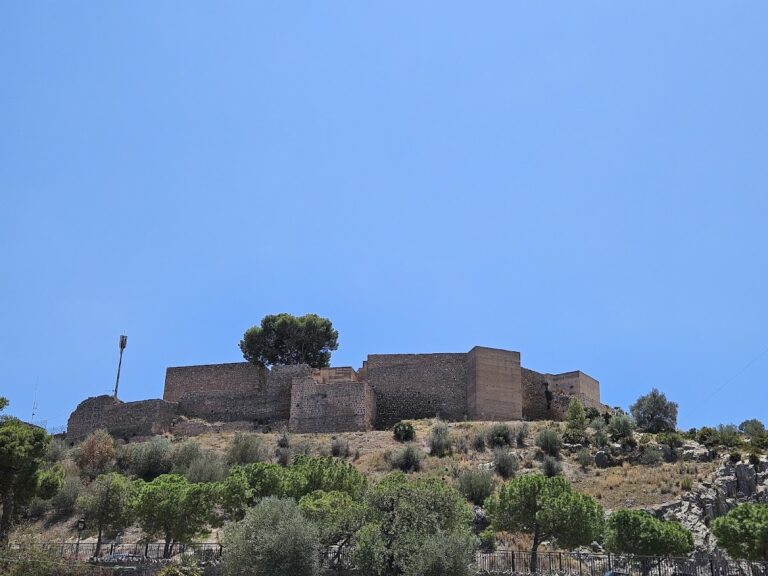
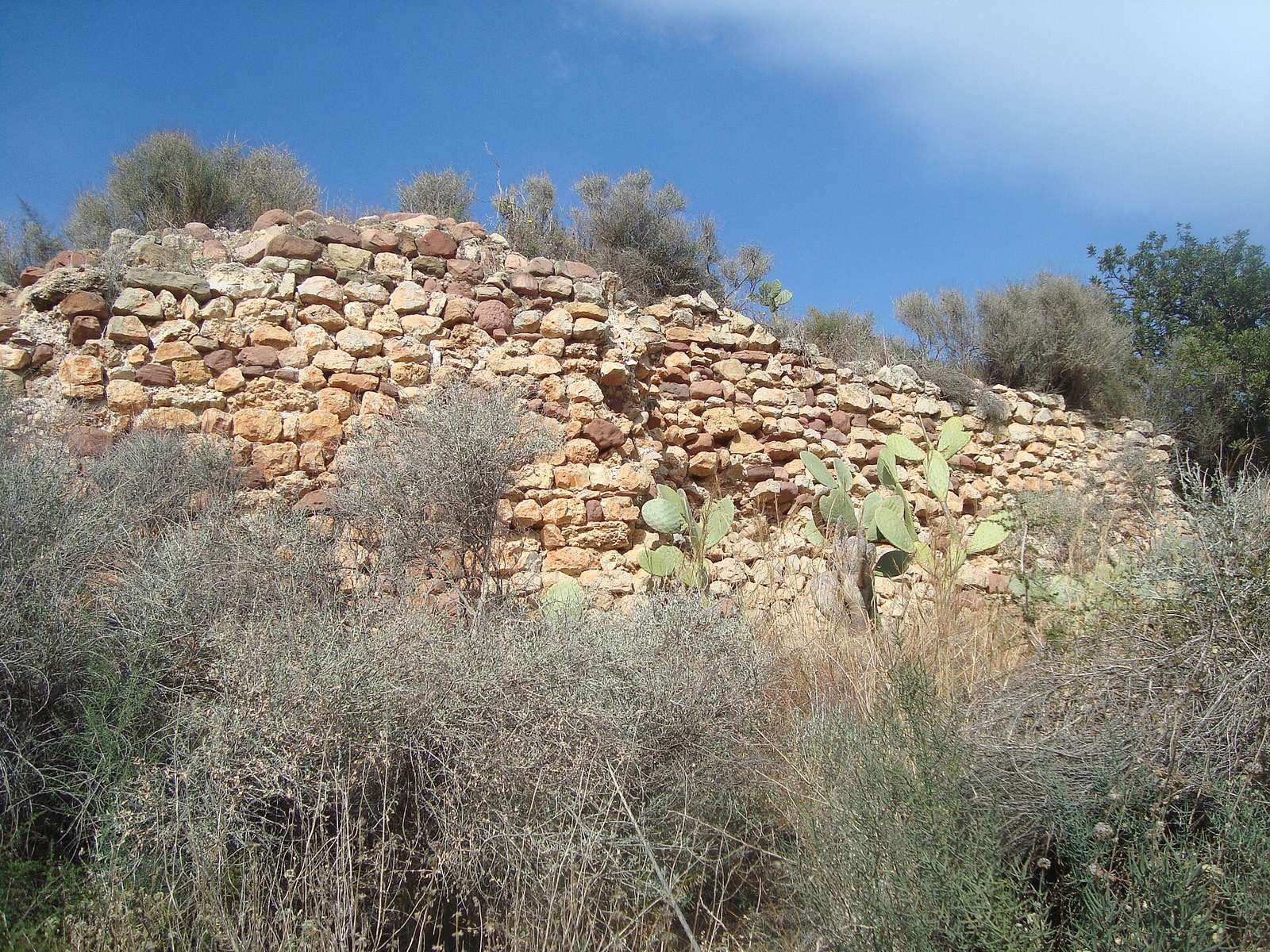
The castle stands on a mound in Benicàssim’s urban centre, behind the town hall. When built, it occupied a low rise beside the settlement, overlooking it and linked by sight with Montornés Castle and the coastal watchtower of San Julián, which has since disappeared. Construction of the town hall at the mound’s foot, at nearly the same height, now conceals most of the castle and has affected access. Work on the N-340 highway to the west also cut away part of the mound. A profile drawing from Bishop Paholac’s visit in 1314–1316 shows an upper keep, the castle’s principal fortified tower, and two lower towers that may have formed part of the surrounding wall.
Surviving structures
Towers and south wall
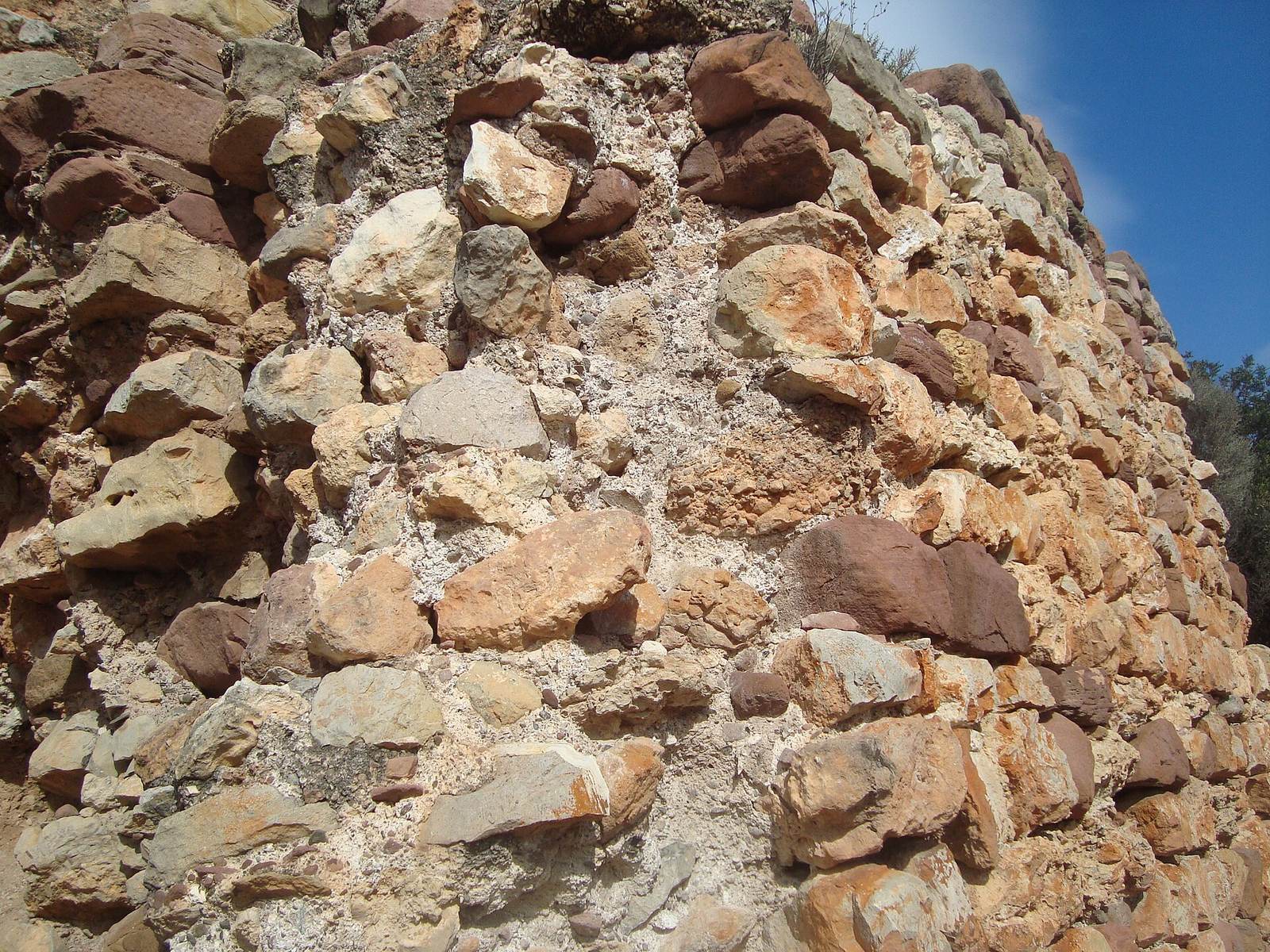
Two towers and a section of wall on the south side survive. The drawing’s two lower towers may have belonged to the wall around the castle, although their relationship to the surviving towers is not established by the available description.
Cistern and earlier church
Part of a cistern remains. The site also preserves traces of an earlier church, which later became part of a Franciscan convent. The convent was subsequently converted into a barracks.