Castle and Walls in Oropesa del Mar: A Medieval Defensive Complex in Spain


Site at a Glance
- Rating
- 3.9
- Popularity
- Medium
- Country
- Spain
- Primary era
- Medieval
- External website
- Open
- Eras represented
- Medieval
- Civilizations
- Crown of Aragon
- Site type
- Military
- Remains
- Castle
On this page9 sections
History
The Castle and Walls in Oropesa del Mar, Spain, are the remains of a fortified complex whose origins lie in the Muslim period and whose later phases protected the settlement below. Oropesa had already experienced human activity from prehistoric times, with archaeological materials associated with the Bronze Age, Iberian, Roman, medieval, early-modern, and contemporary periods.
Muslim and Christian Reconquest
By 1090, the castle belonged to Rodrigo Díaz de Vivar, known as El Cid, a Castilian military leader and lord active in the late eleventh century. It later passed to Peter I of Aragon, a medieval king of Aragon and Navarre. After returning to Almoravid control, the castle was reconquered and placed under the Order of Malta in 1149. This Catholic military order maintained religious and military institutions in the Mediterranean. In 1169, control passed to the Knights Templar, another medieval Catholic military order active during the Crusading period. The area did not become fully Christian until approximately 1233.
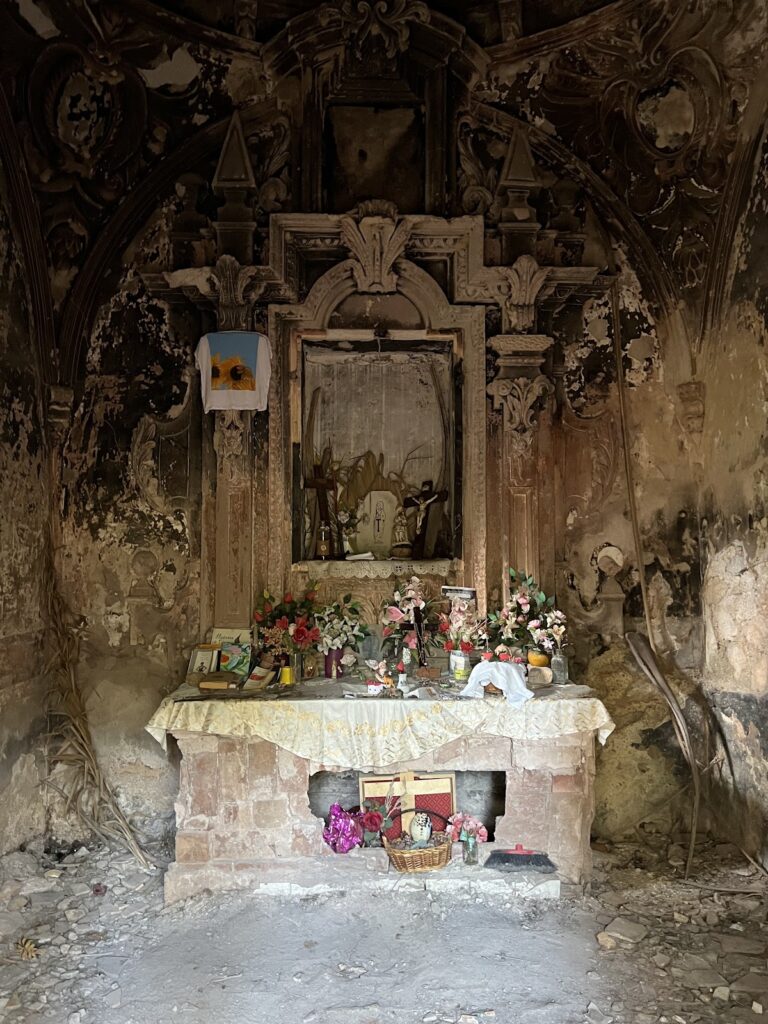
The castle was reconstructed in the fourteenth century. During the fifteenth century, a period of depopulation came to an end, and a defensive wall was built around the grid-like settlement that had developed at the foot of the castle. The fortified complex also included a church dating from the early period of the Christian reconquest. That building was later reduced to a chapel, now known as the Chapel of the Virgin of Patience.
Later Military History and Preservation
Artillery was installed in the castle during the sixteenth century. The fortifications became militarily important again during the Carlist Wars, nineteenth-century Spanish civil wars fought by supporters of competing claims to the Spanish throne. They were left almost completely ruined, particularly after the siege led by Marshal Suchet, a French military commander and marshal of the Napoleonic Empire.
The castle and walls are now the remains of the defensive bastions that protected Oropesa. Their abandoned and ruinous condition makes restoration difficult and would require a total restoration. Original plans survive, but French troops took them during the Spanish War of Independence, and they are currently held by the French government. The complex has been designated an Asset of Cultural Interest and classified as a historic monument in the Valencian and Spanish heritage registers since 22 April 1949.
Remains
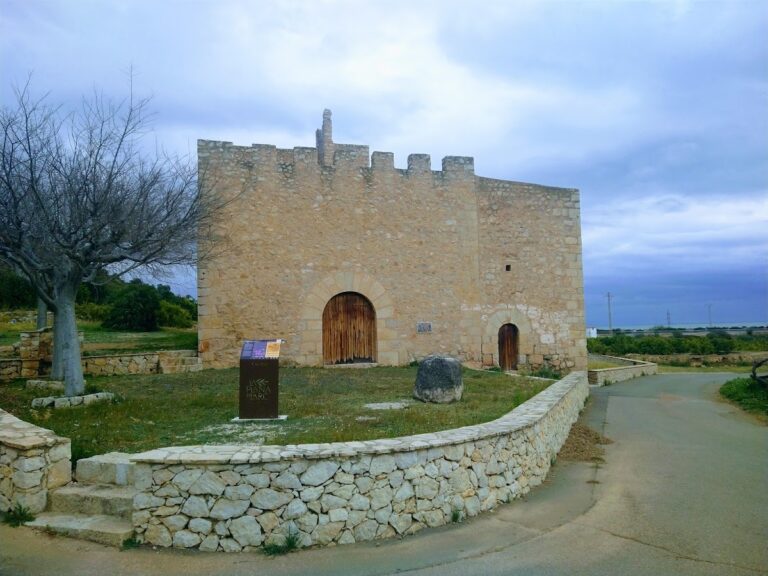
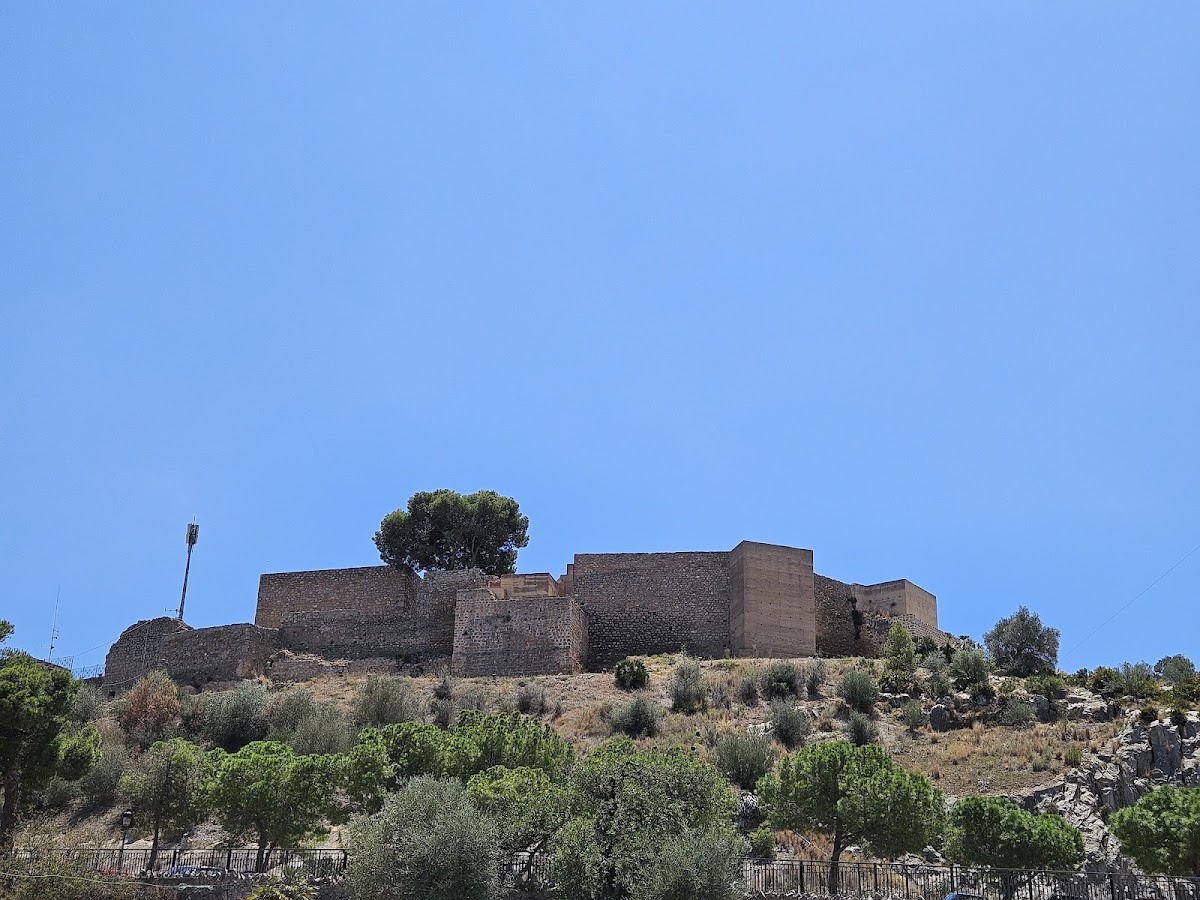
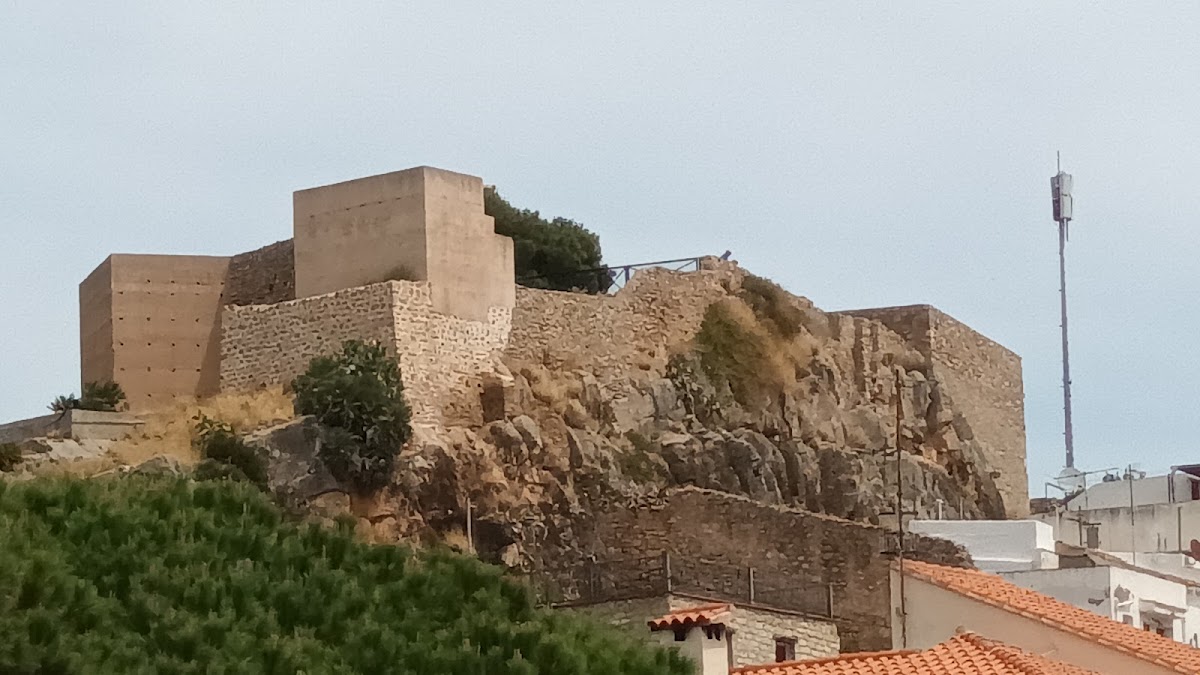
The complex occupies a rocky spur above Oropesa, with the castle positioned on elevated ground over the settlement. Its defensive system combined the small hilltop castle with walls around the grid-like town and nearby coastal watchtowers. The position allowed the castle to protect the settlement below, while the coast and the nearby Torre del Rei, a coastal watchtower, could be seen from the elevated site. Only a few remains survive, and the fortifications are substantially ruined.
Hilltop Castle
Polygonal Castle and Keep
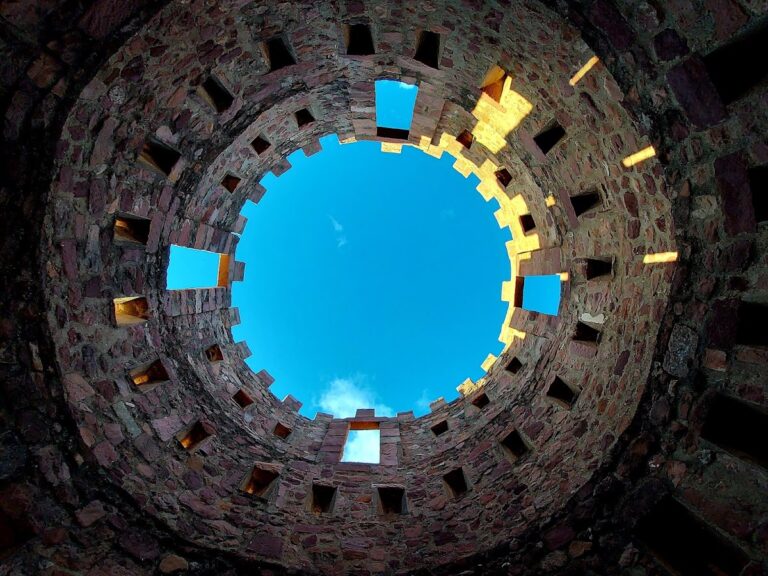
The castle appears to have followed a regular polygonal plan, with six towers arranged in a fan. Its trapezoidal keep, the principal fortified tower of a castle, formed part of this compact defensive arrangement. The surviving fabric includes old rammed-earth walls, made by compacting earth into wall forms, and a two-bay cistern, a structure for storing water. The cistern is considered possibly Muslim-period.
Town Walls and Fortified Church
Fifteenth-Century Settlement Wall
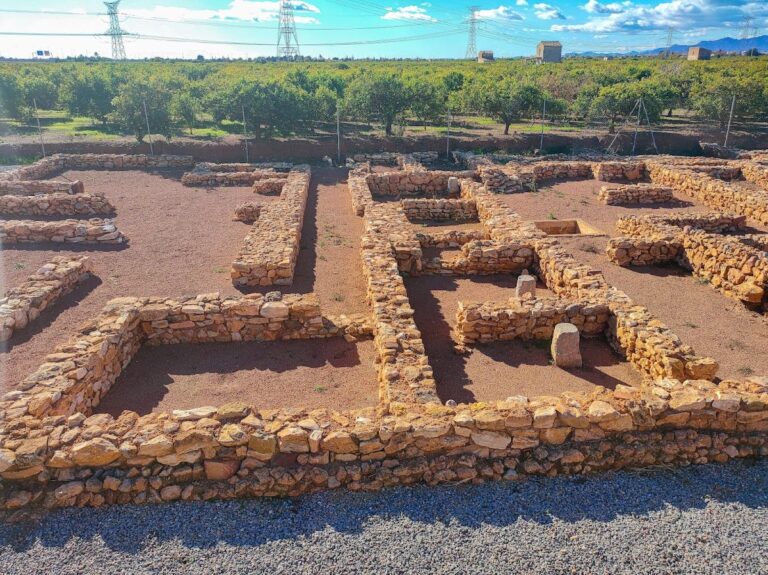
The fifteenth-century wall enclosed the grid-like settlement established at the foot of the castle. Its surviving remains belong to the wider defensive system that protected Oropesa, although the fortifications now survive only in a substantially ruined condition.
Chapel of the Virgin of Patience
The fortified church associated with the complex dates from the early period of the Christian reconquest. It was later reduced to a chapel, now called the Chapel of the Virgin of Patience, linking the surviving religious building to the settlement’s earlier defensive and Christian phases.