Torre Gorgot: A Fortified Tower and Dalí Museum Building in Figueres
Site at a Glance
- Popularity
- Medium
- Country
- Spain
- Primary era
- Early Modern
- Eras represented
- Medieval, Early Modern, Modern
- Civilizations
- Crown of Aragon, Spanish
- Site type
- Military
- Remains
- Tower
On this page8 sections
History
Defense and water supply
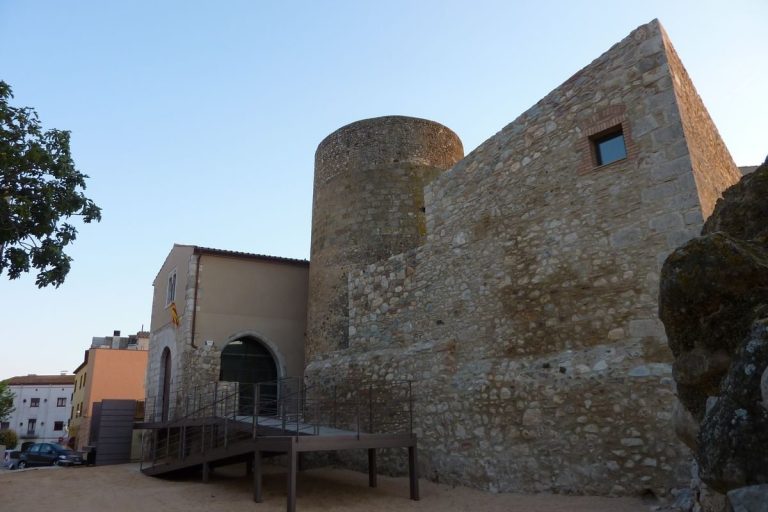
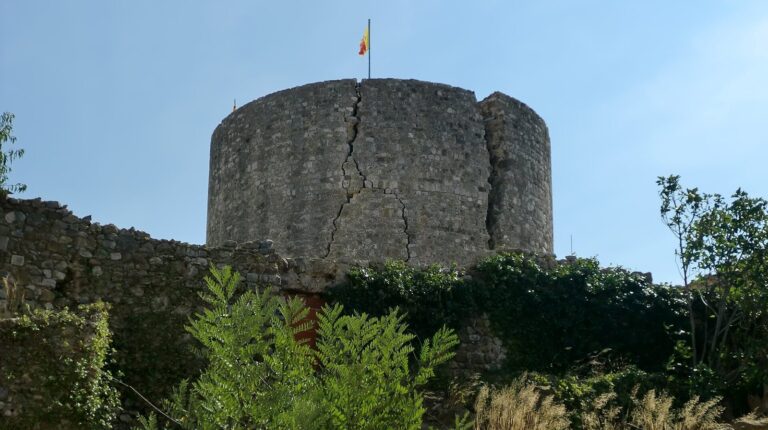
Torre Gorgot is a seventeenth-century fortified tower in Figueres, Spain, built as part of the city’s walled defenses.
In the nineteenth century, the tower was converted into a municipal water reservoir. It collected surplus water from San Fernando Castle and distributed it around Figueres through the city’s first piped-water network.
Twentieth-century transformation
At the Gorgot family’s request, the tower and its attached building were restored in 1931. A French architect designed the project, and Pelayo Martínez Paricio directed the work. From 1980 to 1985, architects Jordi Bonet Armengol and Enric Fita developed a plan to adapt the tower for reuse.
Catalonia’s government and Figueres City Council acquired the tower in 1983 to allow the neighboring Dalí Theatre-Museum to expand. That year, it became known as Torre Galatea, a name Salvador Dalí chose in honor of his wife and muse, Gala Éluard Dalí. Dalí lived in the tower from October 1984 until his death in 1989.
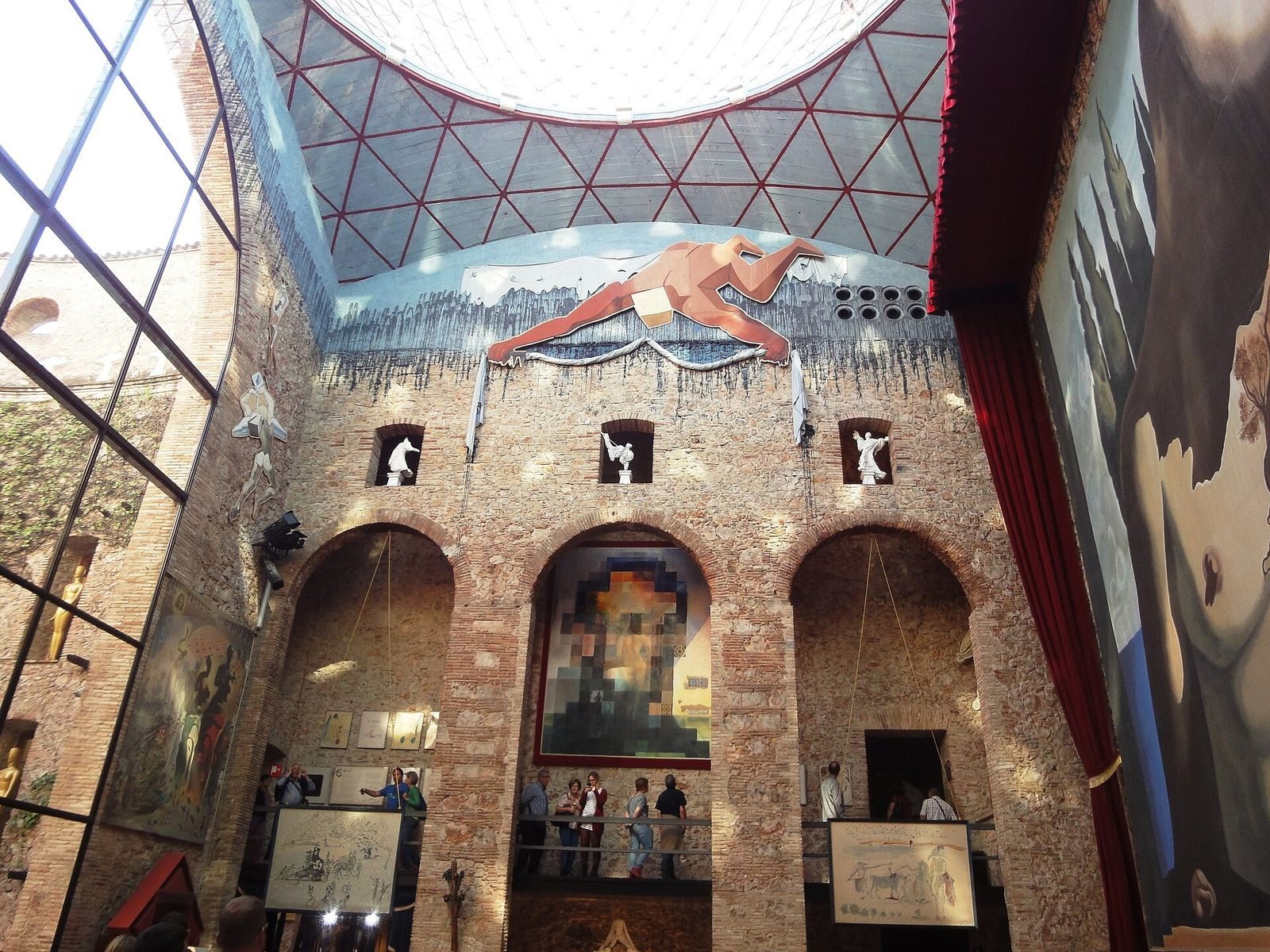
The building is part of the Dalí Theatre-Museum and houses offices of the Gala-Salvador Dalí Foundation. In 1988 it received Spain’s Bien de Interés Cultural designation in the monument category, a legal protection for cultural heritage.
Remains
Layout and fabric
Setting and surviving wall
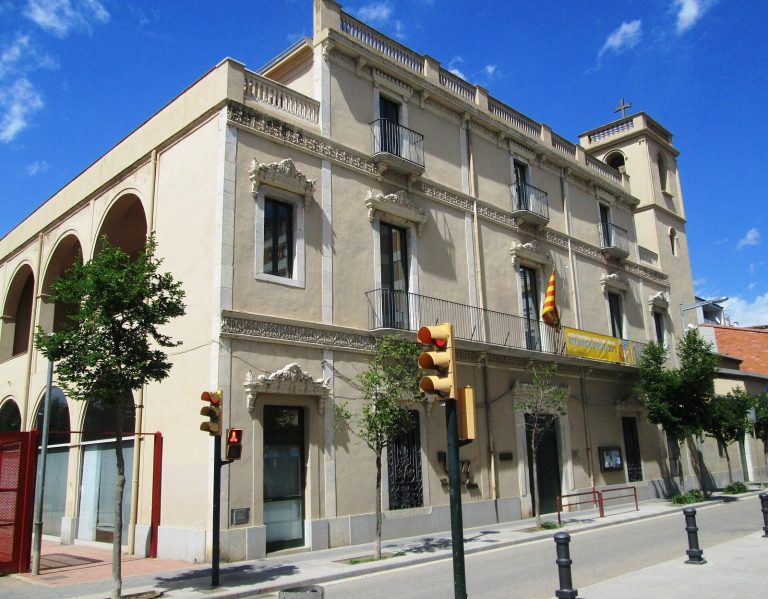
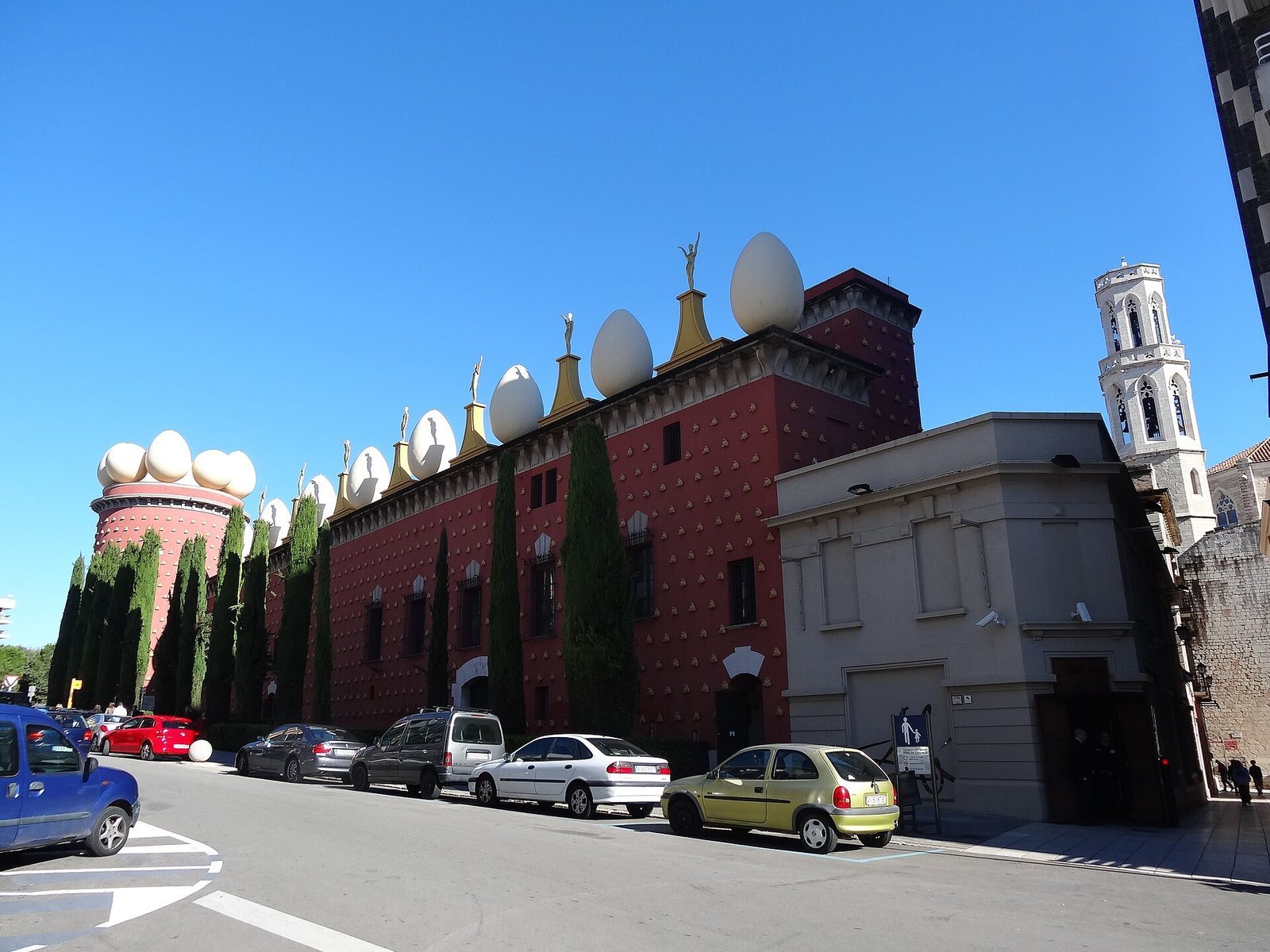
The tower and attached building stand on Subida del Castillo in Figueres’s historic center, between the Rambla and San Fernando Castle. The broad tower addresses its corner position, while the attached building has a local architectural character. Visible remains of Figueres’s medieval city wall survive within the complex.
Openings and upper storey
A large central entrance on the ground floor is flanked by two smaller portals, with stone blocks framing each opening. On the first floor, balconies and windows alternate beneath large stone lintels, and the decorative features above them are deteriorated. Projecting supports carry the upper ledge. The tower’s walls were originally 2 metres thick and were reduced to 80 centimetres during restoration.
Dalí’s exterior decoration
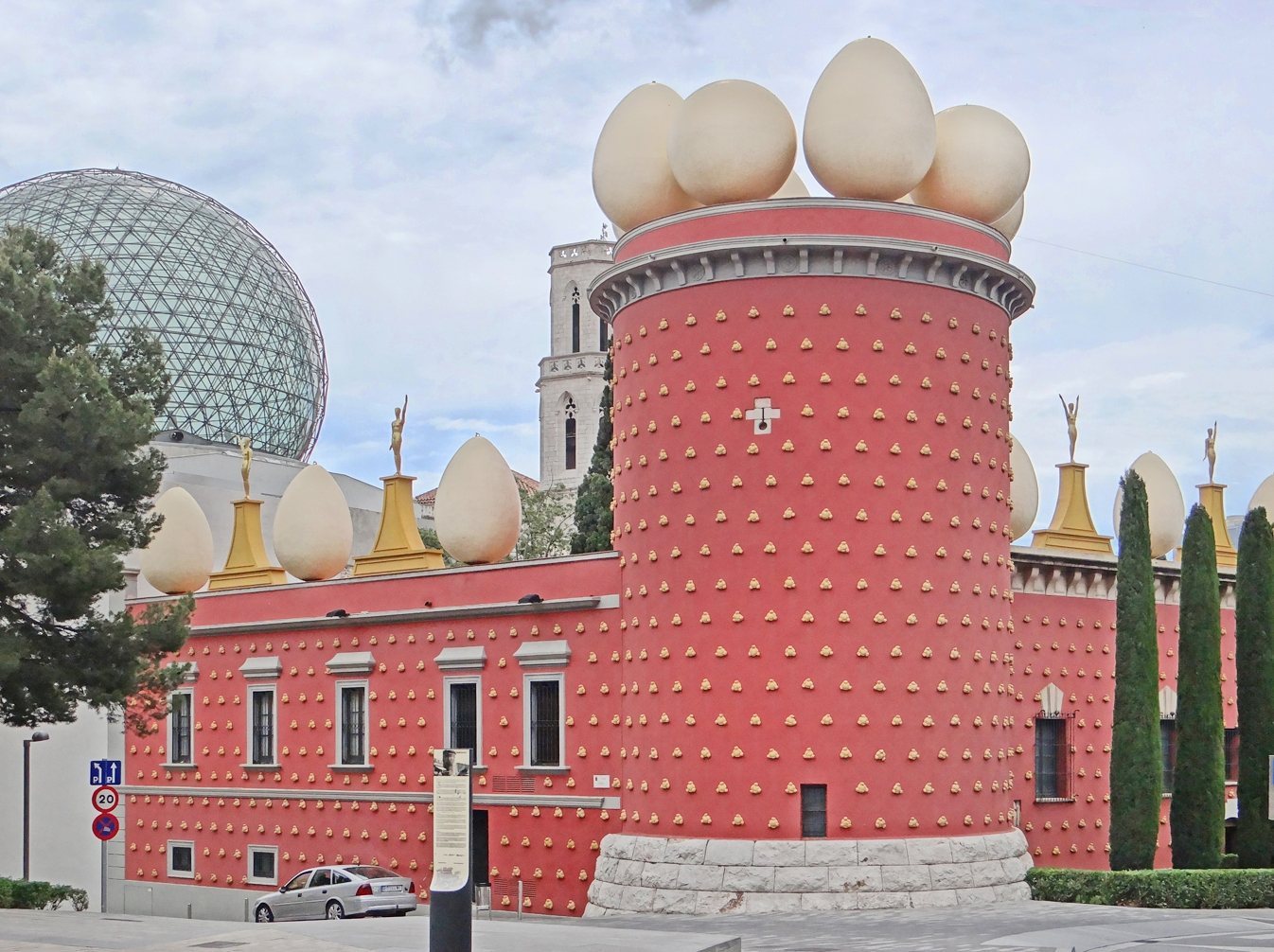
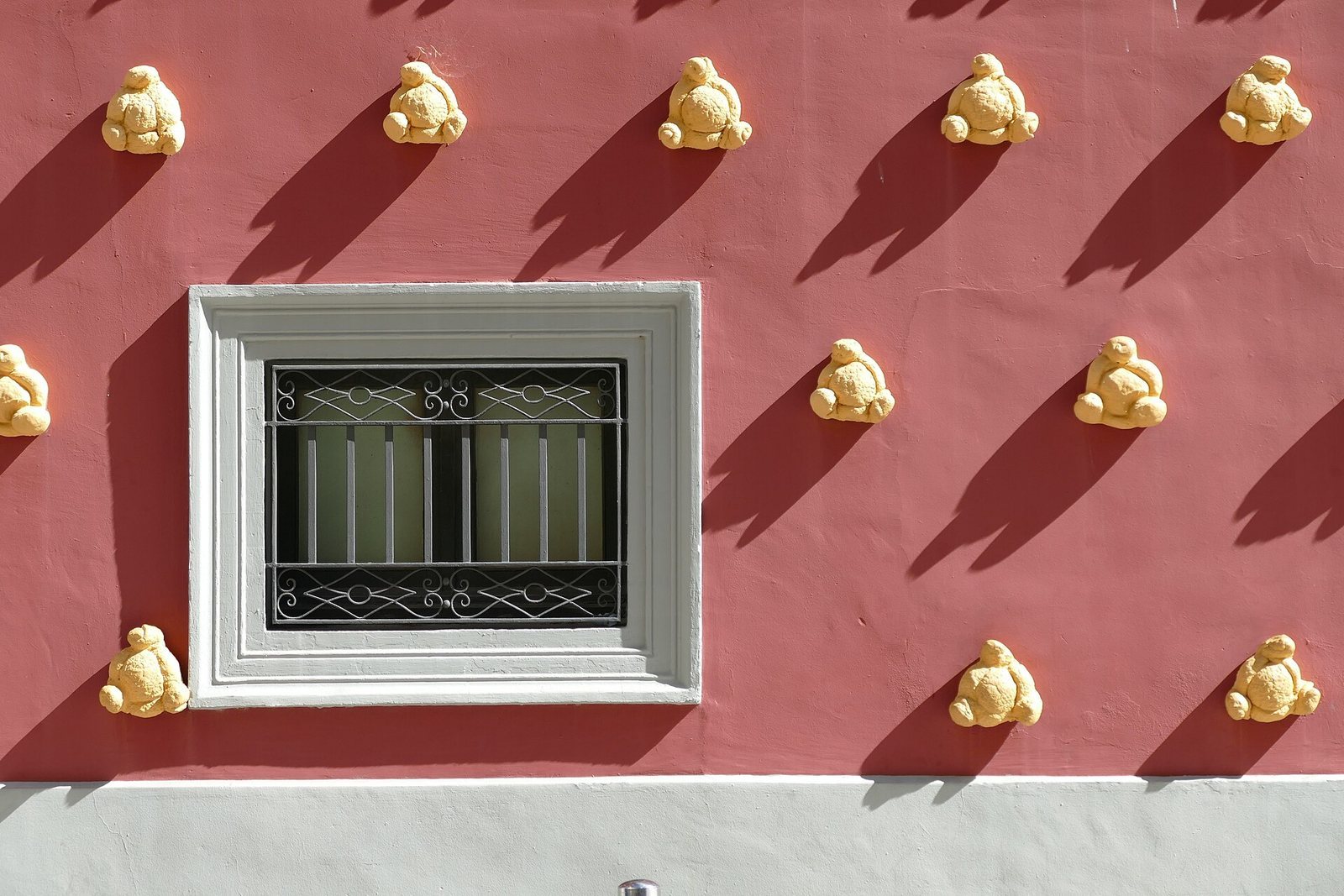
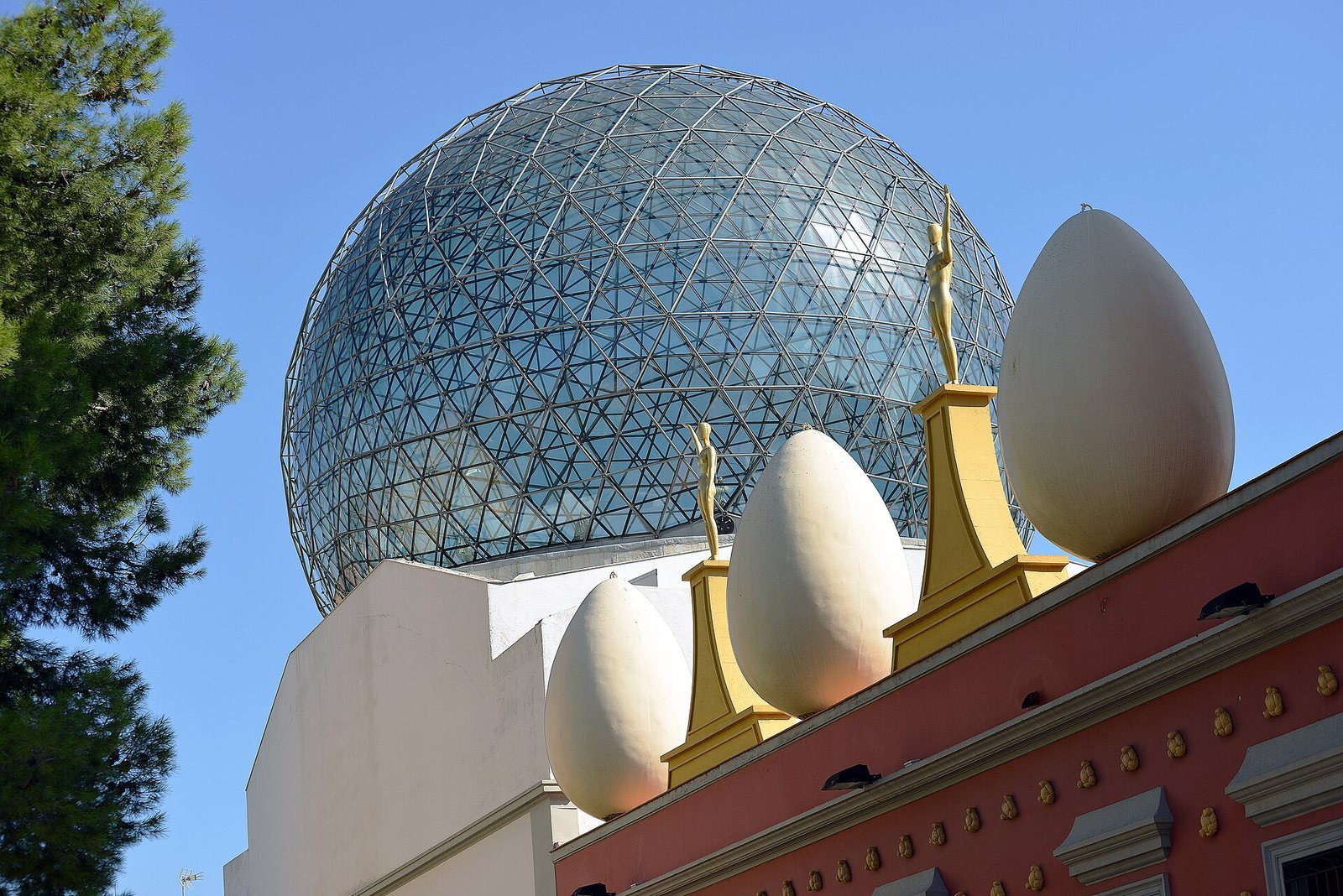
Dalí altered the exterior with color and sculptural decorations shaped like bread loaves and eggs. The tower is bright red, with eggs on its roof. In late June 2019, the building and its surrealist ornaments were repainted after some of their color had faded.