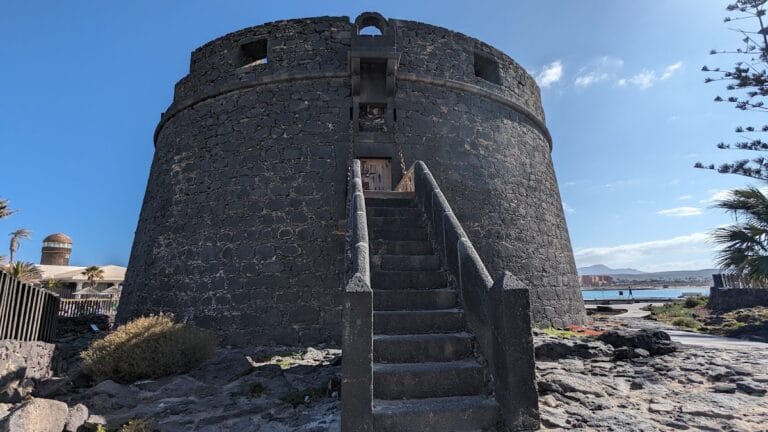
Torre del Tostón: An 18th-Century Coastal Watchtower in Fuerteventura, Spain
Visitor Information
Google Rating: 4.3
Popularity: Medium
Country: Spain
Civilization: Early Modern
Site type: Military
Remains: Tower
History
Torre del Tostón is situated in the municipality of La Oliva in present-day Spain. This military watchtower was constructed by Spanish authorities during the 18th century as part of coastal defenses on the island of Fuerteventura in the Canary Islands.
The tower was built between 1740 and 1743 following a pirate attack by British forces in 1740 that exposed vulnerabilities along the northern coast of Fuerteventura. In response, Andrés Bonito y Pignatelli, the Spanish General Captain of the Canary Islands, ordered the construction of two defensive towers to safeguard key harbors. Military engineer Claudio de L’Isle was commissioned to design and oversee these fortifications, which included the Torre del Tostón protecting the harbor of Tostón, as well as another in Caleta de Fuste.
Dedicated to Our Lady of the Pillar and Saint Michael, the Torre del Tostón was established with the intent to defend against raids from Berber, French, and British pirates. Despite its defensive purpose and armaments, the tower never engaged in combat as pirate incursions largely ceased around the time of its completion. Earlier beliefs that the tower was erected atop the ruins of a 15th-century fortress known as Rico Roque, originally constructed by the French admiral Jean de Béthencourt, have been disproven. The true location of Rico Roque lies nearly five kilometers away on Fuerteventura’s east coast, near Pozo Negro.
In the decades following its construction, Torre del Tostón influenced the design of coastal watchtowers across the region. Spanish towers built in Menorca during the late 18th century, such as Torre d’Alcalfar and Torre de Son Ganxo, drew inspiration from its structure. This architectural model also served as a precedent for the British Martello towers erected in the late 1700s and early 1800s.
Since 1949, the tower has been recognized as a protected cultural heritage site under Spain’s Bien de Interés Cultural designation. It retains historical significance as a well-preserved example of 18th-century coastal defense architecture on the Canarian archipelago.
Remains
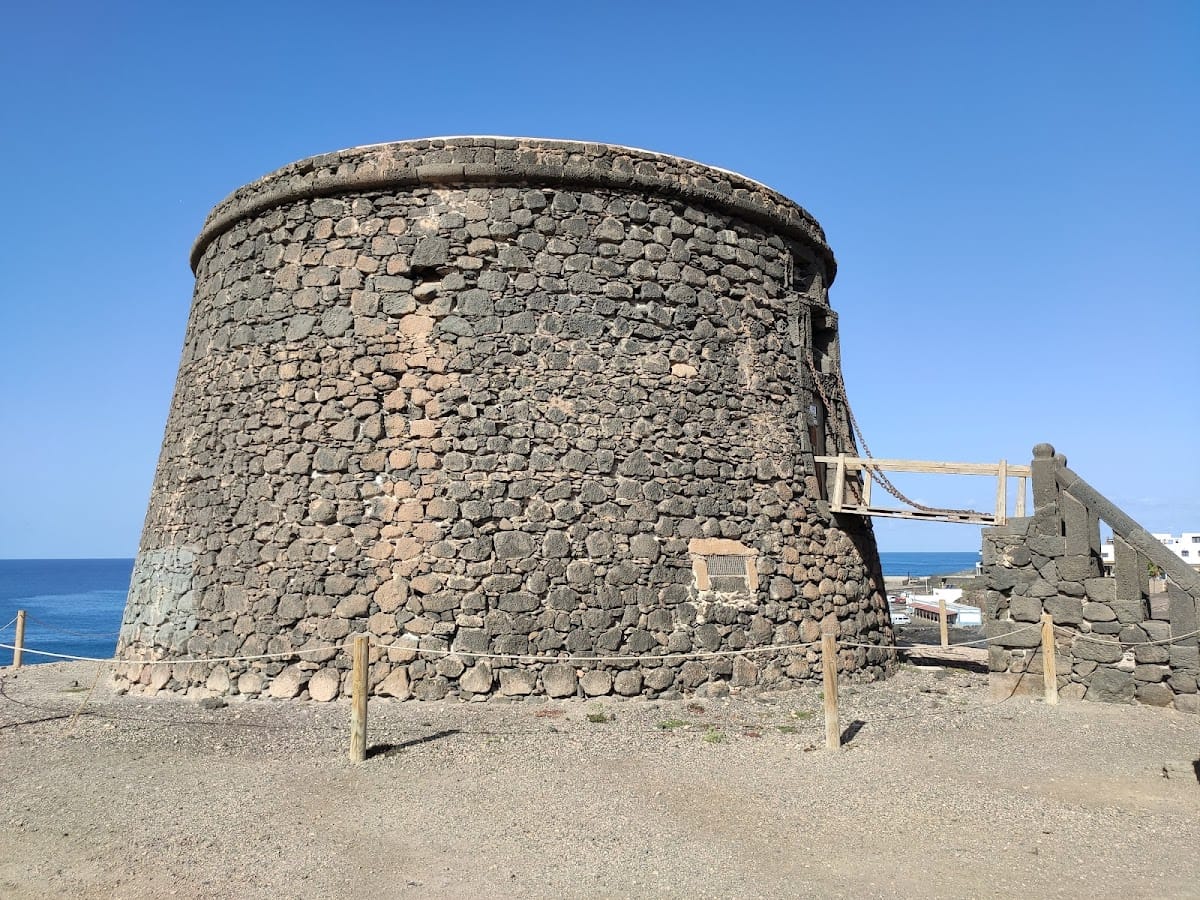
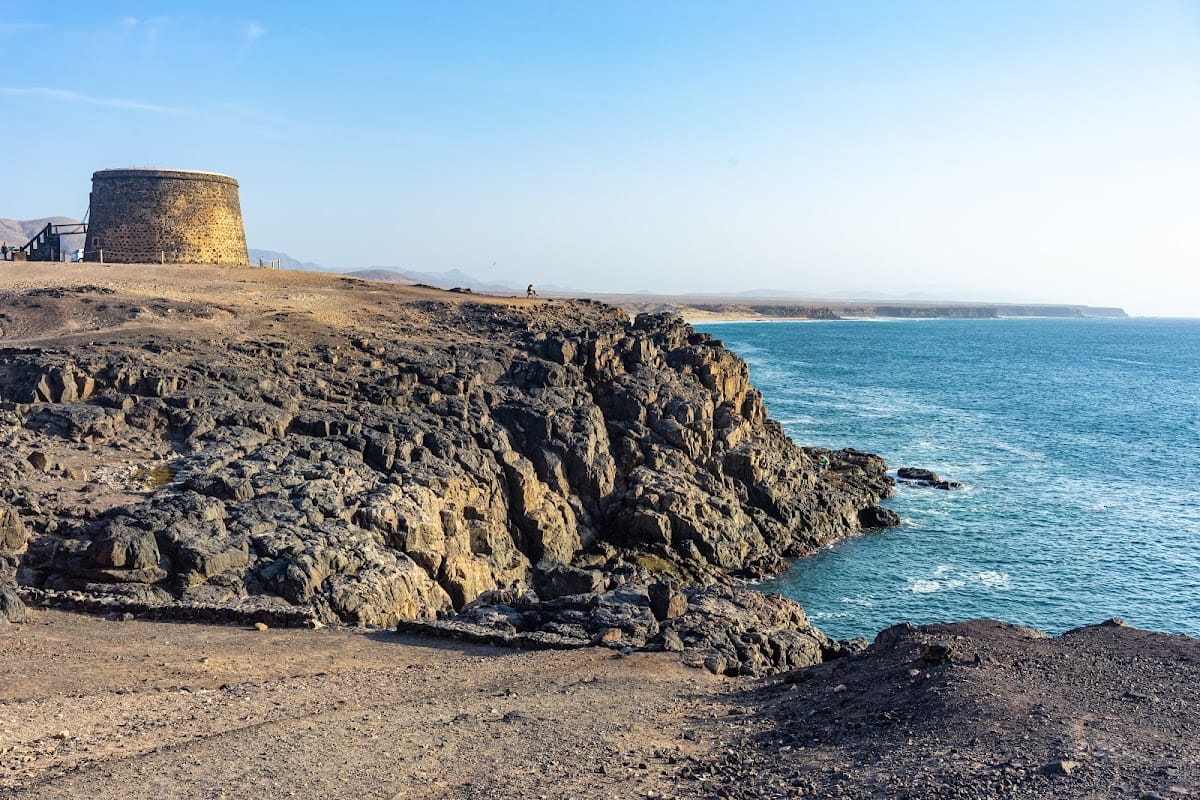
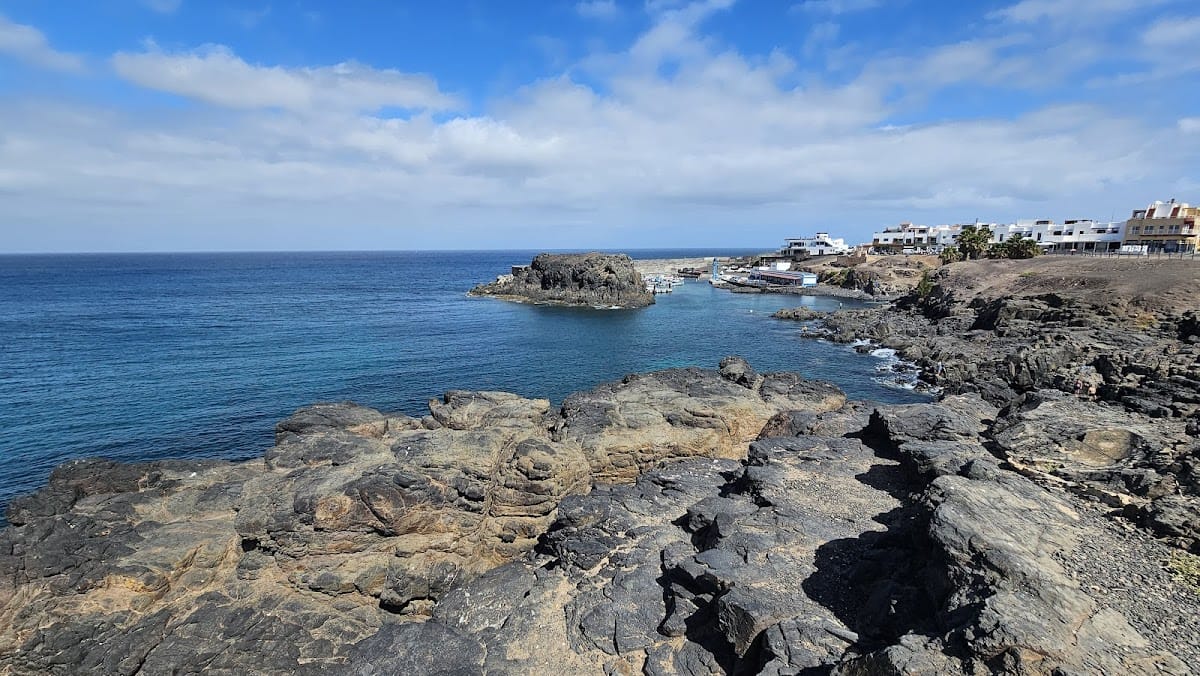
Torre del Tostón stands prominently on a cliff southeast of El Cotillo, constructed primarily from dark volcanic stones sourced near the local church. The tower’s truncated conical form features a circular base with a diameter of 14.5 meters that tapers slightly to 12.5 meters at the top. Its thick walls, exceeding 1.5 meters, enclose two main floors and a rooftop platform.
The lower floor contains a powder magazine for storing gunpowder and an adjacent storage room, both integral components for maintaining the tower’s defensive readiness. Above, the upper floor served as living quarters for a garrison of up to twelve men. Access to this level is gained by a landward entrance reached via a stone staircase and a wooden drawbridge suspended by iron chains. A defensive loophole above this entrance provided protection against attackers.
Within the tower, a staircase to the left descends to the lower floor while another to the right leads to the rooftop platform. This platform was equipped with three iron cannons positioned to defend the nearby coast and harbor. A cistern built into the rooftop collected rainwater, ensuring a necessary supply for the stationed soldiers.
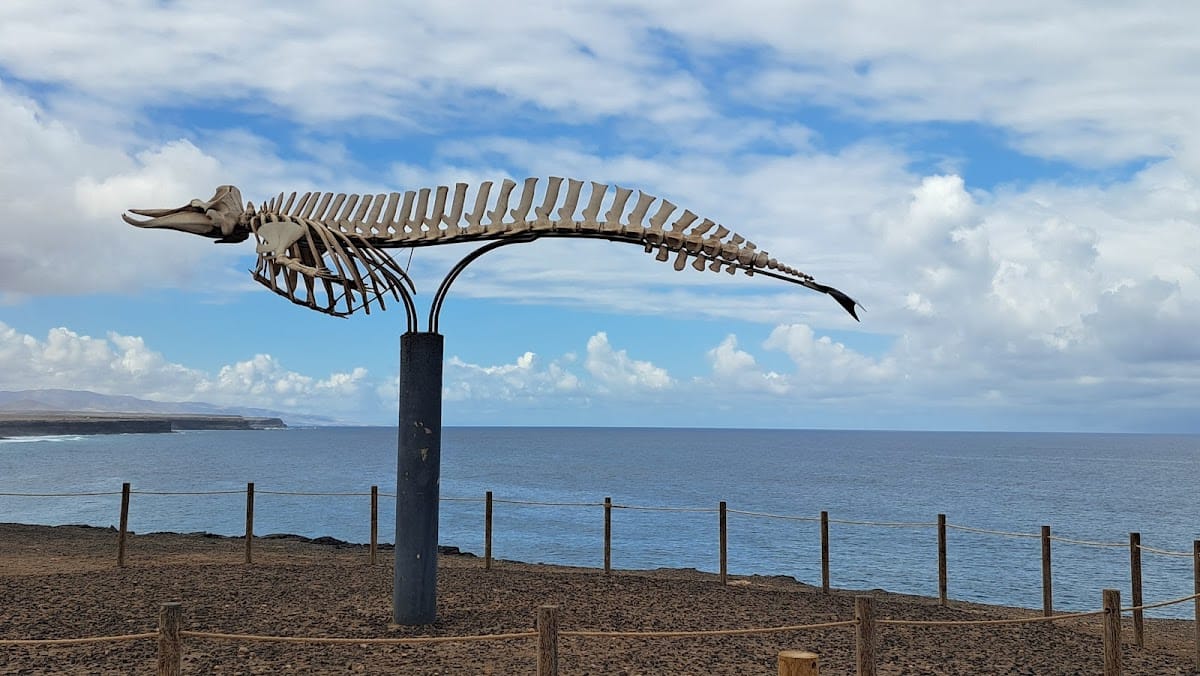
Although original plans included a surrounding defensive moat, this feature was never constructed. Nearby the tower, two lime kilns dating from the 19th century have been restored, adding historical context to the site’s industrial past. Additionally, the skeletal remains of a Cuvier’s beaked whale stranded in 2004 lie close to the tower, linking local natural history to the coastal setting.