Torre de la Plata: An Almohad Military Tower in Seville
Site at a Glance
- Country
- Spain
- Primary era
- Medieval
- Eras represented
- Medieval, Early Modern
- Civilizations
- Almohad, Crown of Castile, Spanish
- Site type
- Military
- Remains
- Tower
On this page6 sections
History
Almohad rule and the tower
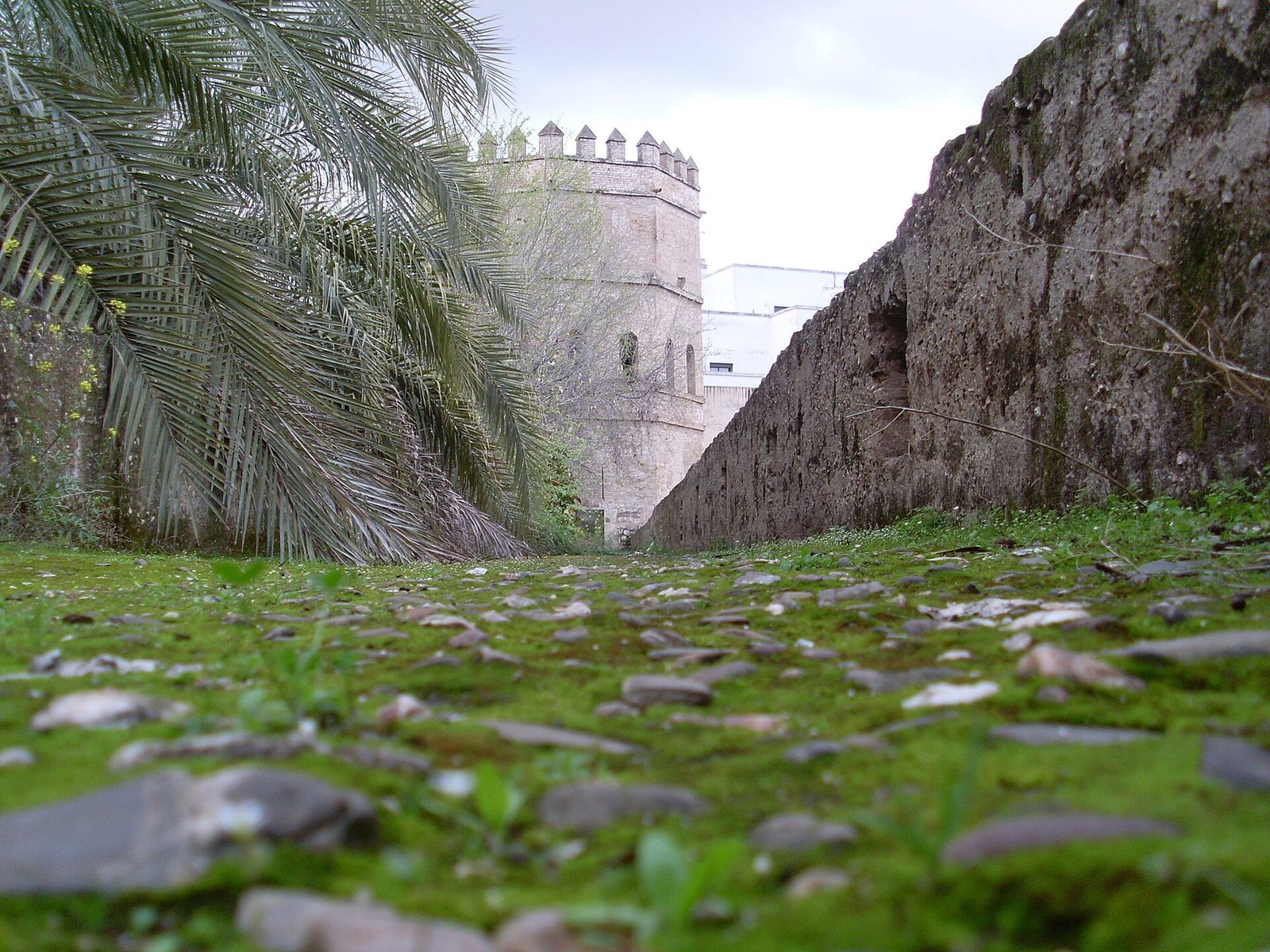
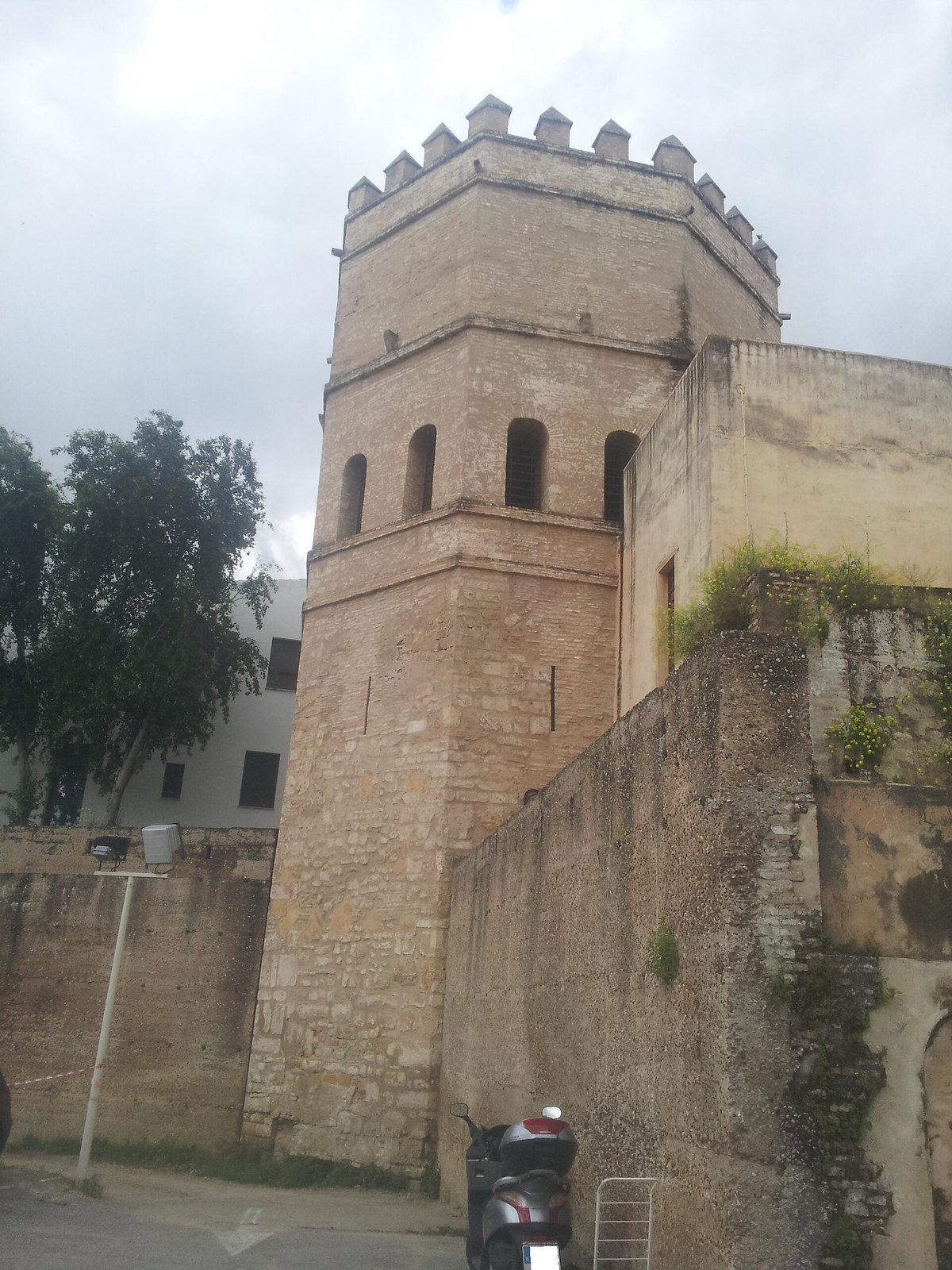
Torre de la Plata is an Almohad military tower in Seville, Spain, built around 1220 as part of the city’s defenses. The Almoravids and the Almohads, successive Muslim dynasties that ruled parts of North Africa and the Iberian Peninsula, built and strengthened Seville’s fortifications between the 11th and 13th centuries. The Almohads reinforced the defenses against the forces of Alfonso VI and Alfonso VII, medieval kings of León and Castile.
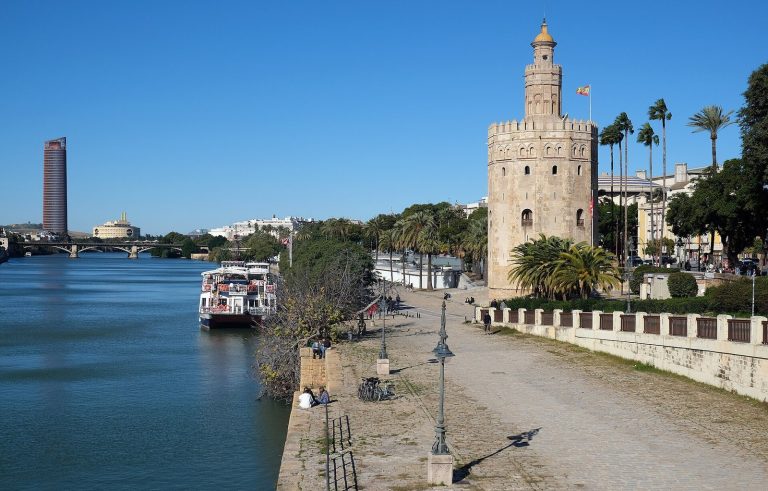
During the reign of Alfonso X, a 13th-century king of Castile and León, the tower was also called the Tower of the Water Carriers. A later legend links its current name to silver arriving from the Americas in the 16th century. It claims that silver shipped through the Carrera de Indias, Spain’s transatlantic trade and shipping system, was stored in the tower. The same tale is also associated with the name Torre del Oro.
Demolition and preservation
In 1821, part of the wall connecting Torre de la Plata with Torre del Oro was demolished. From 1859, the deteriorating city walls became the subject of debate among the municipal council, the Commission of Monuments, the Academy of Fine Arts, and the Economic Society of Friends of the Country. The council favored demolition, and plans for partial removal of the walls and several gates were approved. After the 1868 revolution, the new government sought to remove the walls. Extensive demolition followed, but four of the city’s original 19 gates, three sections of wall, and seven towers, including Torre de la Plata, survived.
The tower underwent partial restoration and was made more visible between 1989 and 1992. It has Spain’s Bien de Interés Cultural status, a designation that protects cultural property for its heritage value.
Remains
The tower and its setting
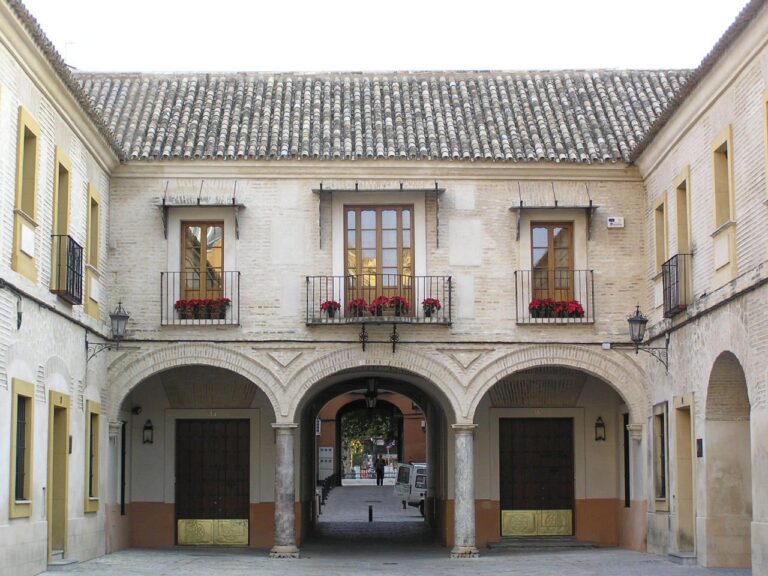
Torre de la Plata has a massive octagonal base, unlike most towers in Seville’s fortifications, which were rectangular. It stood outside the main city-wall enclosure, on a separate defensive wall that branched from the main defenses, surrounded the Alcazar, a fortified palace, passed the tower, and continued to Torre del Oro beside the Guadalquivir River. This projecting wall ran at right angles to the main enclosure. The tower is on Santander Street in the Santa Cruz district and lies within the enclosure of the Casa de la Moneda, Seville’s Royal Mint. In the early modern period, it became part of a building complex designed by the Italian architect Vermondo Resta, which left it largely concealed. It is visible from within the complex. The tower is in poor condition, with vegetation covering a substantial part of it.
Wall fragments and courtyard
A few stones from the former Coal Gate remain on the wall section where the tower stands, and part of the wall that linked Torre de la Plata and Torre del Oro also survives. A modern wall separates an adjoining courtyard from a parking area built on the site of a forge courtyard that existed in the 17th century.