Torre de Don Lucas: A Fortified Rural Tower in Córdoba
Site at a Glance
- Popularity
- Very Low
- Country
- Spain
- Primary era
- Medieval
- Eras represented
- Medieval, Modern
- Civilizations
- Almohad, Spanish
- Site type
- Military
- Remains
- Tower
On this page7 sections
History
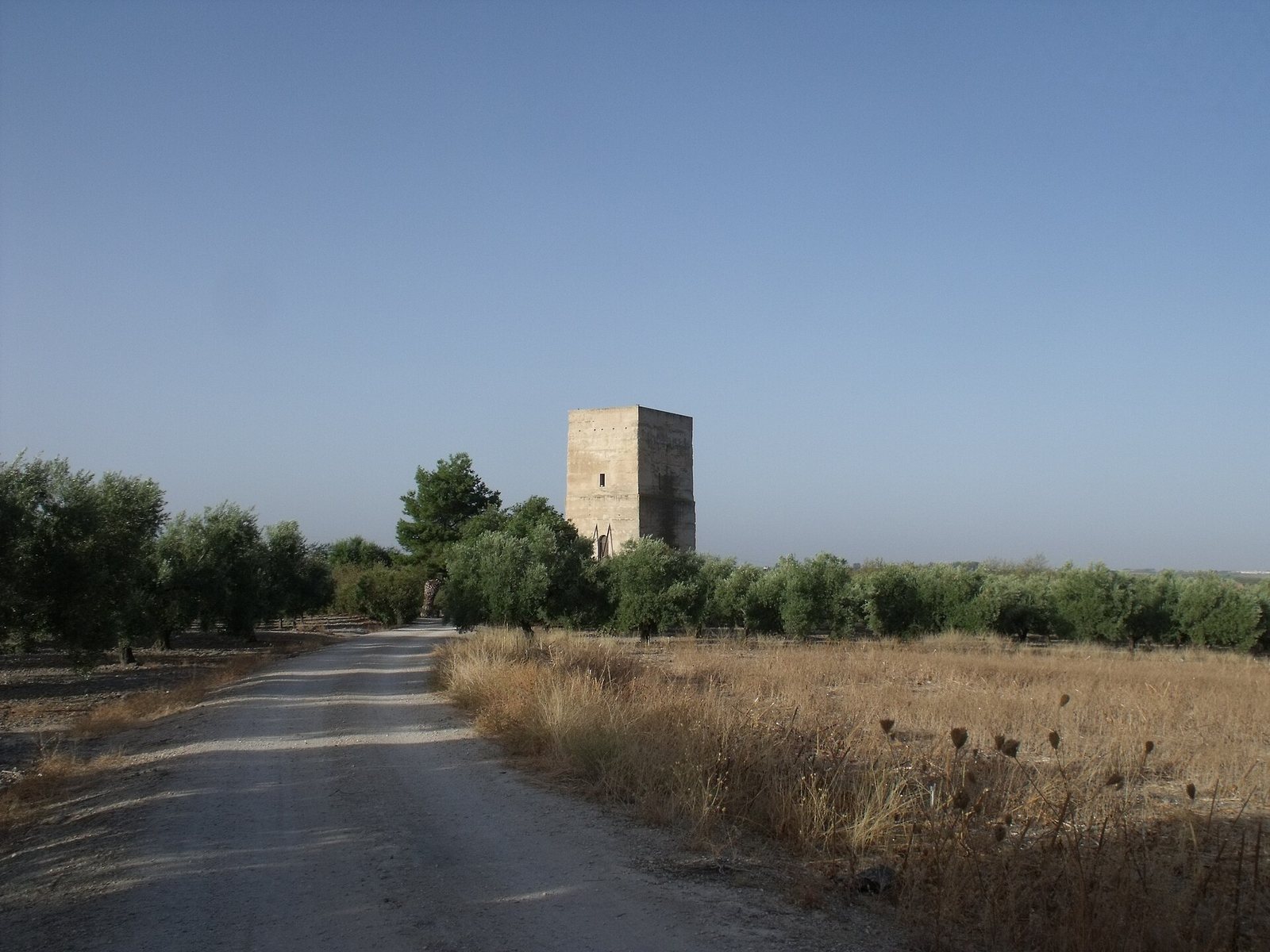
Torre de Don Lucas is a fortified tower outside La Victoria in Córdoba province, Spain, probably built in the twelfth century under Almohad rule as part of a rural settlement. The Almohads were a North African Muslim dynasty that ruled parts of Iberia.
Origins and Castilian conquest
The settlement may have existed before the tower was built. The tower’s name during the Islamic period is unknown; “Tower of Abenhance” has been proposed, but the identification is uncertain. The origin of the name Don Lucas is also unclear. Proposed identifications include a canon, prior, or treasurer of Córdoba’s Mosque-Cathedral, none of which is confirmed.
After Fernando III of Castile conquered the Córdoba countryside in 1241, a document defining the territory of the newly conquered city named the tower Torre de Don Lucas. It records the king’s grant of half the tower to the Order of Saint John, a medieval Catholic religious and military order. By 1308, the property was also described as the Don Lucas farmstead. The transfer to Christian ownership was followed by the settlement’s abandonment, and the area became rural land.
Lordship and later ownership
Around 1370, Córdoba’s cathedral chapter, the body of clergy associated with the cathedral, sold the tower to Alfonso Fernández de Montemayor, a senior royal frontier official and lord of Montemayor and Alcaudete. The sale established the lordship of Torre de Don Lucas. The property later passed to the House of the Ríos for about three centuries, after Inés de Montemayor, Alfonso’s granddaughter, married Alonso de los Ríos y Bocanegra, eighth lord of Fernán Núñez.
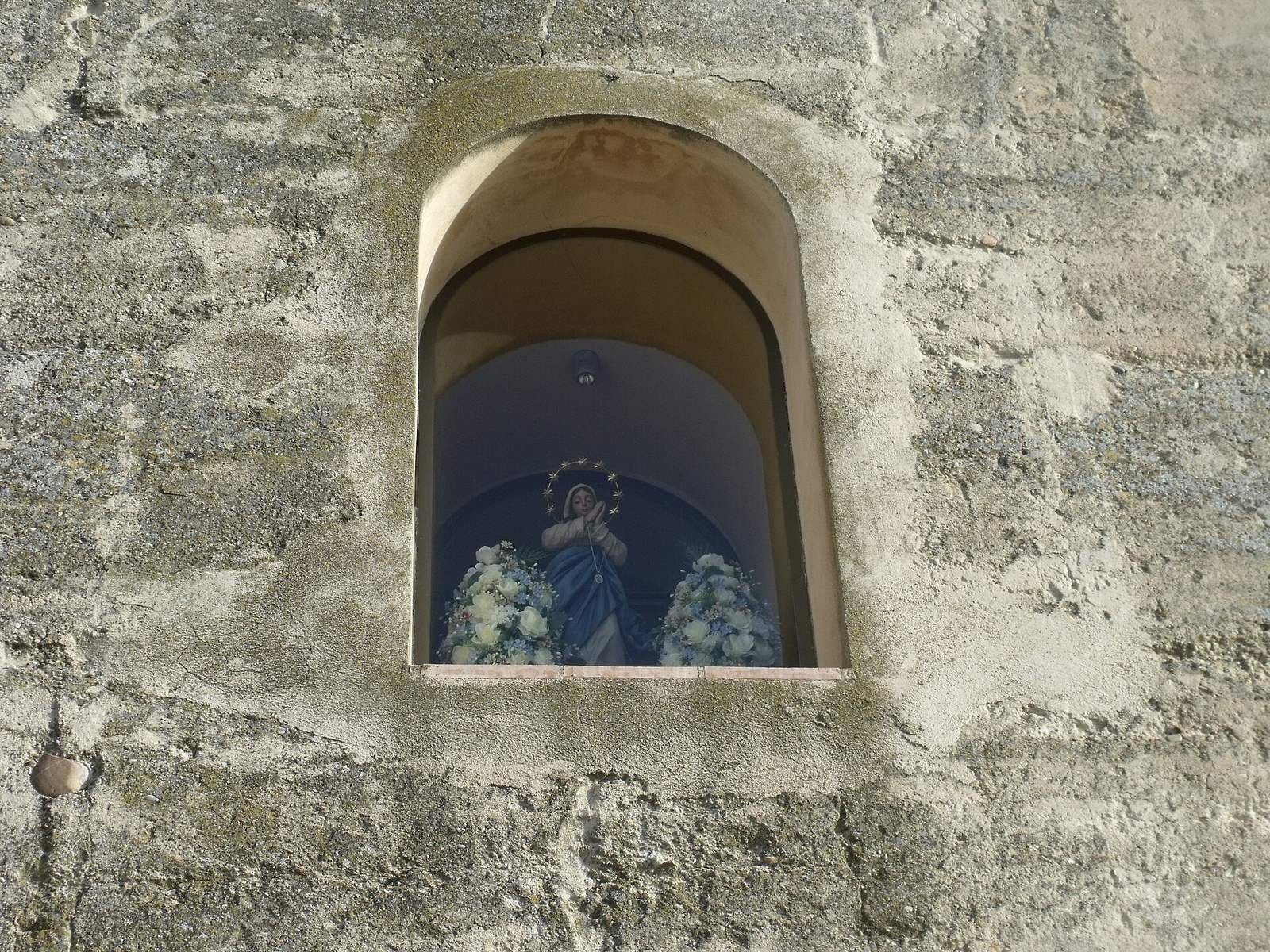
One of the tower’s last lords divided his lands among his four children. The tower went to his daughter, a nun at the former Convent of the Conception in Córdoba. In 1834, she placed an image of the Immaculate Conception, the Catholic belief that Mary was conceived without original sin, in an opening in the tower. Bishop of Córdoba Juan José Bonel encouraged devotion to the image. An effort to rename the tower for the Immaculate Conception did not displace its established local name.
The property was later sold during the Spanish disentailment, the transfer and sale of property held by the Church and other institutions, and its land was divided into parcels. In 1985, the tower was declared an Asset of Cultural Interest, Spain’s protected-cultural-property status, in the monument category. Castles were entered in the register at its highest protection level. The Andalusian regional government restored and substantially consolidated the tower in 2005.
Remains
Tower and settlement
The surviving remains include a fortified tower built of rammed earth, soil compacted into walls in place, and archaeological evidence associated with its rural settlement. The tower is considered the only surviving Islamic rural-settlement tower in the Córdoba countryside; at Albaén, only the foundations of a tower remain.
Archaeological finds
Finds associated with the settlement include green-and-manganese ceramics and a coin dated 808–809, during the reign of al-Hakam I in the Emirate of Córdoba, an early Islamic state in Iberia. A second coin may indicate an eleventh-century phase under the Almoravids, another North African Muslim dynasty that ruled parts of Iberia. That coin is now held in the archaeological collections of the municipality of La Carlota.
Shrine and inscriptions
The image of the Immaculate Conception remains in the tower opening where it was placed. Two inscriptions from 1834 record its devotional use and the attempted renaming. One grants a 40-day indulgence, understood in Catholic teaching as a remission of temporal punishment for sin, for reciting a Hail, Holy Queen, a Hail Mary, or a verse from the litany before the image. The other announces that from 1 May 1834 the tower would be called the Tower of the Immaculate Conception. The 2005 restoration sealed the first-floor doorway; stairs led to the small chamber housing the shrine.