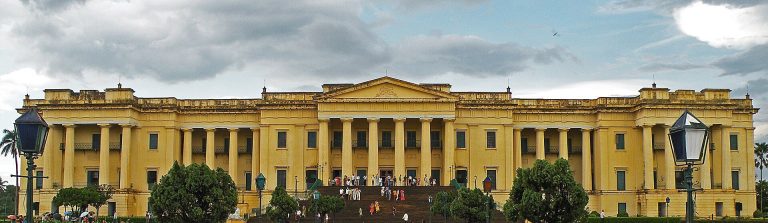
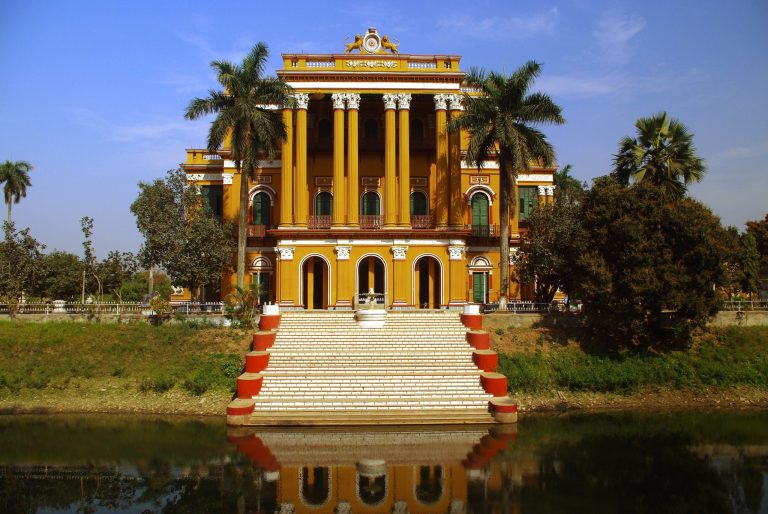
Karnasuvarna: Capital of the Gauda Kingdom
Site at a Glance
- Rating
- 4.2
- Popularity
- Low
- Country
- India
- Primary era
- Medieval
- Eras represented
- Medieval
- Civilizations
- Unclassified
- Site type
- City
On this page9 sections
History
Capital of Shashanka’s Gauda
Karnasuvarna was an ancient city in present-day Murshidabad district, West Bengal, India, and the capital of the Gauda Kingdom during the seventh-century rule of Shashanka. Also known as Karnasubarna and locally as Kanasona, it became the political centre of one of the first major independent kingdoms of ancient Bengal. Shashanka’s reign brought the city particular prominence, and Karnasuvarna functioned as a political, administrative, military, and religious urban centre.
After Shashanka’s death, Karnasuvarna probably served briefly as the jayaskandhavara, or victory camp, of Bhaskaravarman, the ruler of Kamarupa. Kamarupa was a major kingdom based in the Brahmaputra valley and neighbouring parts of northeastern India. Bhaskaravarman’s Nidhanpur copper-plate grant, a metal inscription recording a royal grant, was issued from his victory camp at Karnasuvarna. In the middle of the seventh century, the city again briefly served as an administrative centre or capital, this time for Jayanaga, whose Vappa Ghoshavata copper-plate grant indicates his association with the place.
Local tradition connects Karnasuvarna with Karna, the legendary king of Anga in the Mahabharata, and identifies the city as his capital. This traditional association is separate from the historical evidence linking Karnasuvarna with Shashanka. The city’s political prominence was relatively brief. It rose with Shashanka in the early seventh century and had largely faded by the end of that century, while later records of the Pala and Sena dynasties do not identify it as a major capital.
Religion, society, and regional connections
The seventh-century account of the Buddhist monk and scholar Xuanzang described Karnasuvarna and its surrounding country as densely settled, prosperous, and well cultivated. He noted its abundance of flowers and fruit, its low-lying and damp terrain, and its temperate climate. He also characterized the inhabitants as educated and of good character. These observations place the city within a productive and populous landscape rather than as an isolated royal foundation.
Different religious communities lived in the region during Xuanzang’s visit. Ten monasteries housed mainly Buddhists of the Sammatiya school, an early Buddhist monastic tradition, while approximately fifty temples were dedicated to deities. Xuanzang also mentioned Raktamrittika Mahavihara, a large Buddhist institution combining residential, educational, and ritual functions. It was an important centre of Vajrayana learning, a Buddhist tradition associated with distinctive tantric teachings and practices.
Archaeological discoveries at Rajbaridanga strongly support the identification of that site with Raktamrittika Mahavihara. Karnasuvarna also appears to have maintained commercial connections with Southeast Asia. A fifth-century inscription from the Wellesley area of the Malay Peninsula mentions Buddagupta, described as a great seafarer from Raktamrittika. Another tradition refers to the captain of a large ship from Raktamrittika reaching the Malay Peninsula. The Bhagirathi River near Chiruti may have provided a route for this maritime commerce.
Archaeological investigation
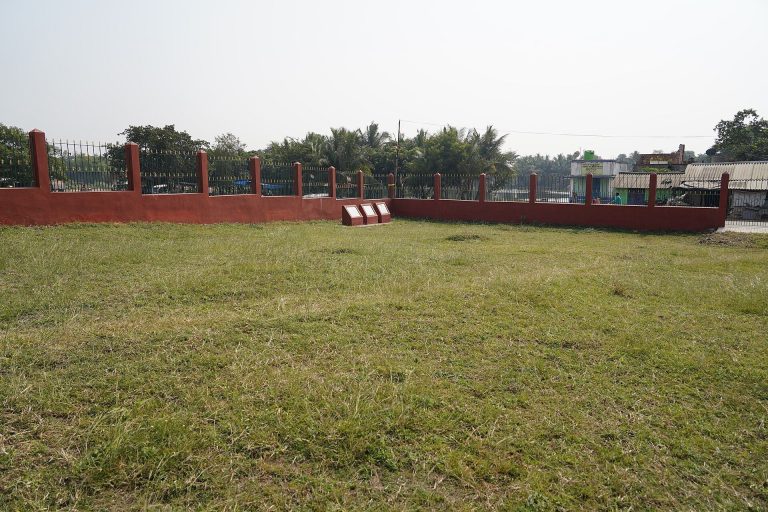
The wider archaeological area contains remains dating from the second century to the fifteenth or sixteenth century. Excavations at Rakshashidanga in 1929–30 were conducted by K. N. Dixit of the Archaeological Survey of India. In 1962, the Department of Archaeology of the University of Calcutta, under S. R. Das, excavated at Rajbaridanga. Investigations also took place at Nil Kuthi. The Archaeological Survey of India’s national-monument listings include Devil’s Mound and Raja Karna’s Palace at Rangamati, as well as Nil Kuthi Mound at Mouza Chowk, Chandpara, among the remains associated with Karnasuvarna.
Remains
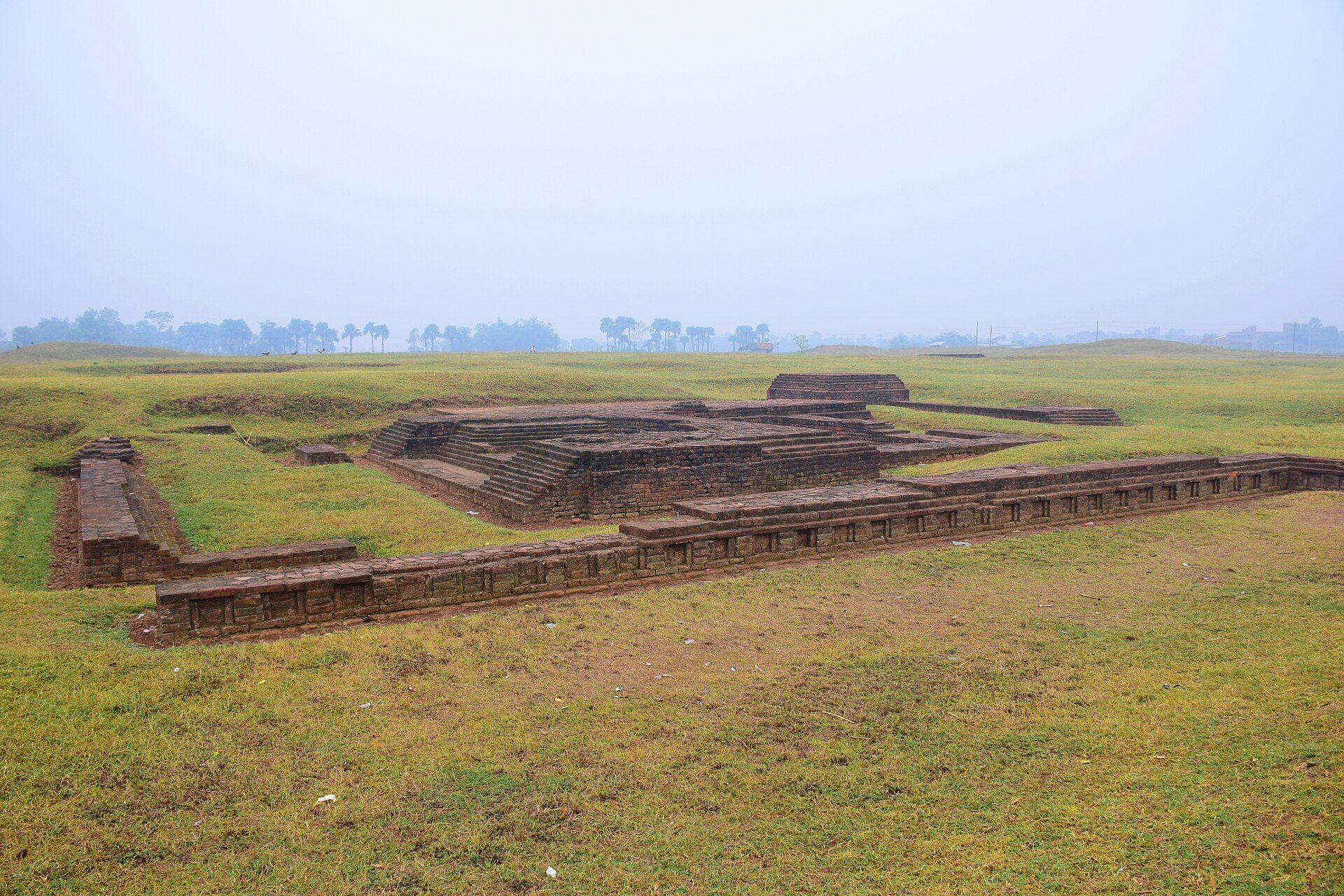
The ruins identified with Karnasuvarna lie at Kansona, about 9.6 kilometres south-west of Berhampore. The archaeological area includes several mounded sites and remains distributed through a landscape that also contained rural settlements such as Panchthupi, Gokarna, Mahlandi, and Shaktipur. These settlements may have helped supply the city’s inhabitants. Rajbaridanga lies near the Bhagirathi River, about 2.4 kilometres from Karnasuvarna railway station.
Buddhist monastic remains
Rajbaridanga
Rajbaridanga has been identified with Raktamrittika Mahavihara, the monastery mentioned by Xuanzang. Excavation produced a monastic sealing, a stamped clay impression used by a monastery or its community, bearing an inscription referring to the community of venerable monks residing in Shri Raktamrittika Mahavihara. Inscribed terracotta plaques bearing the same monastic name and incorporating a dharma-wheel motif provided further evidence for the identification. Terracotta figurines and ornamental stucco mouldings, including mouldings shaped as human heads, were also recovered.
Rakshashidanga
Rakshashidanga preserves foundation remains of an approximately seventh-century Buddhist monastery. The site is locally associated with the palace of King Karna, although that tradition differs from the historical association of Karnasuvarna with Shashanka. River action or erosion has removed many of the monastery’s remains. Inscribed terracotta plaques naming Raktamrittika Mahavihara were found among the archaeological material, and their dharma-wheel designs contributed to the identification of the excavated complex with the monastery described by Xuanzang.
Mounds and other physical features
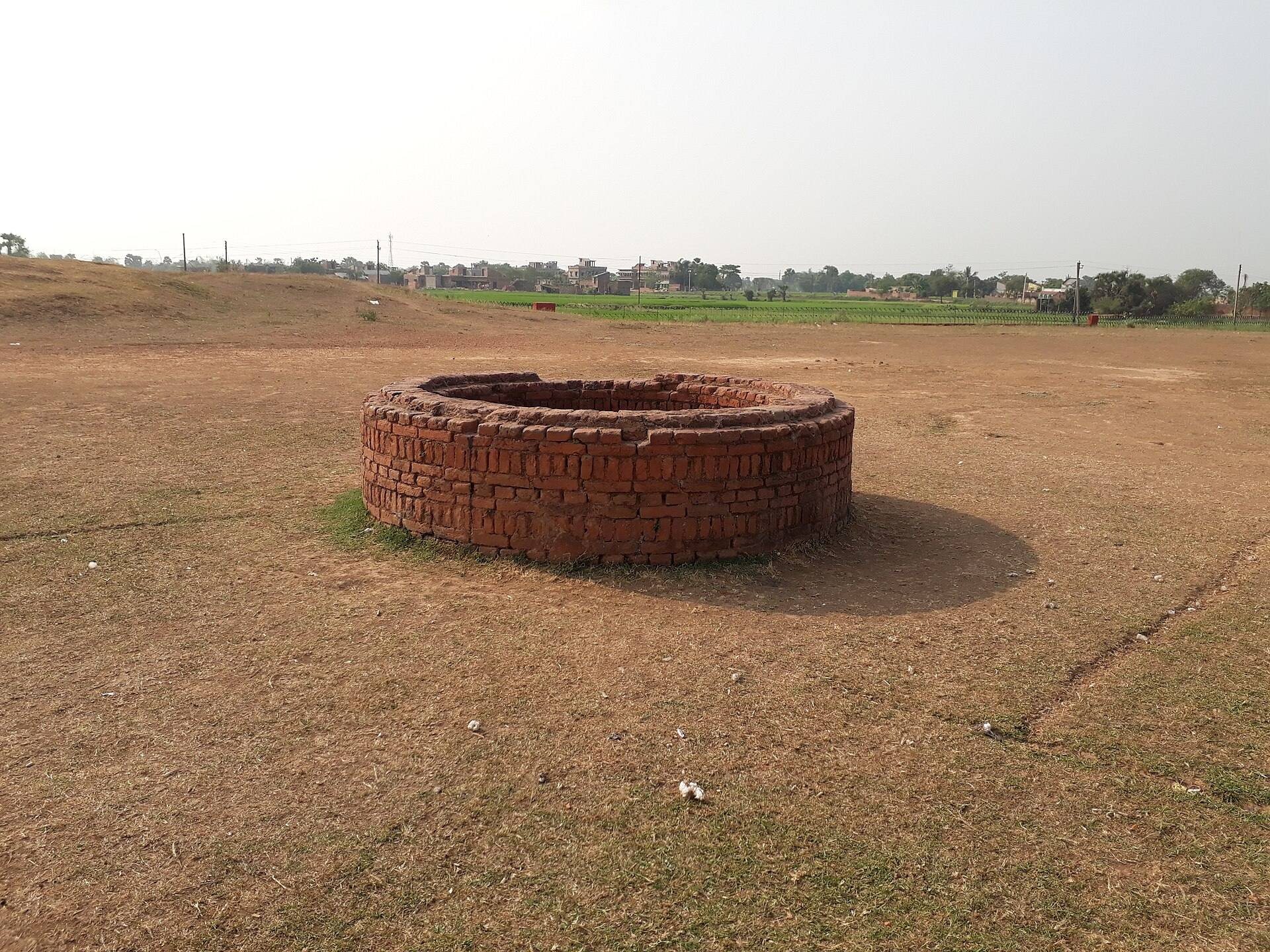
Rakshasi Danga and Rajbari Danga are locally recognized as mounded archaeological sites. The name Rajbari Danga means “Raja’s Palace Ground.” Nil Kuthi Mound lies beside Rajbari Danga at a somewhat higher level, and antiquities have been recovered there intermittently. A well is also among the physical remains associated with the Karnasuvarna archaeological site.