Tin Hau Temple: A Southern Song Shrine to the Sea Goddess in Hong Kong
Site at a Glance
- Rating
- 4.3
- Popularity
- Medium
- Country
- China
- Primary era
- Modern
- Eras represented
- Medieval, Modern
- Civilizations
- Qing, Song
- Site type
- Religious
- Remains
- Temple
On this page9 sections
History
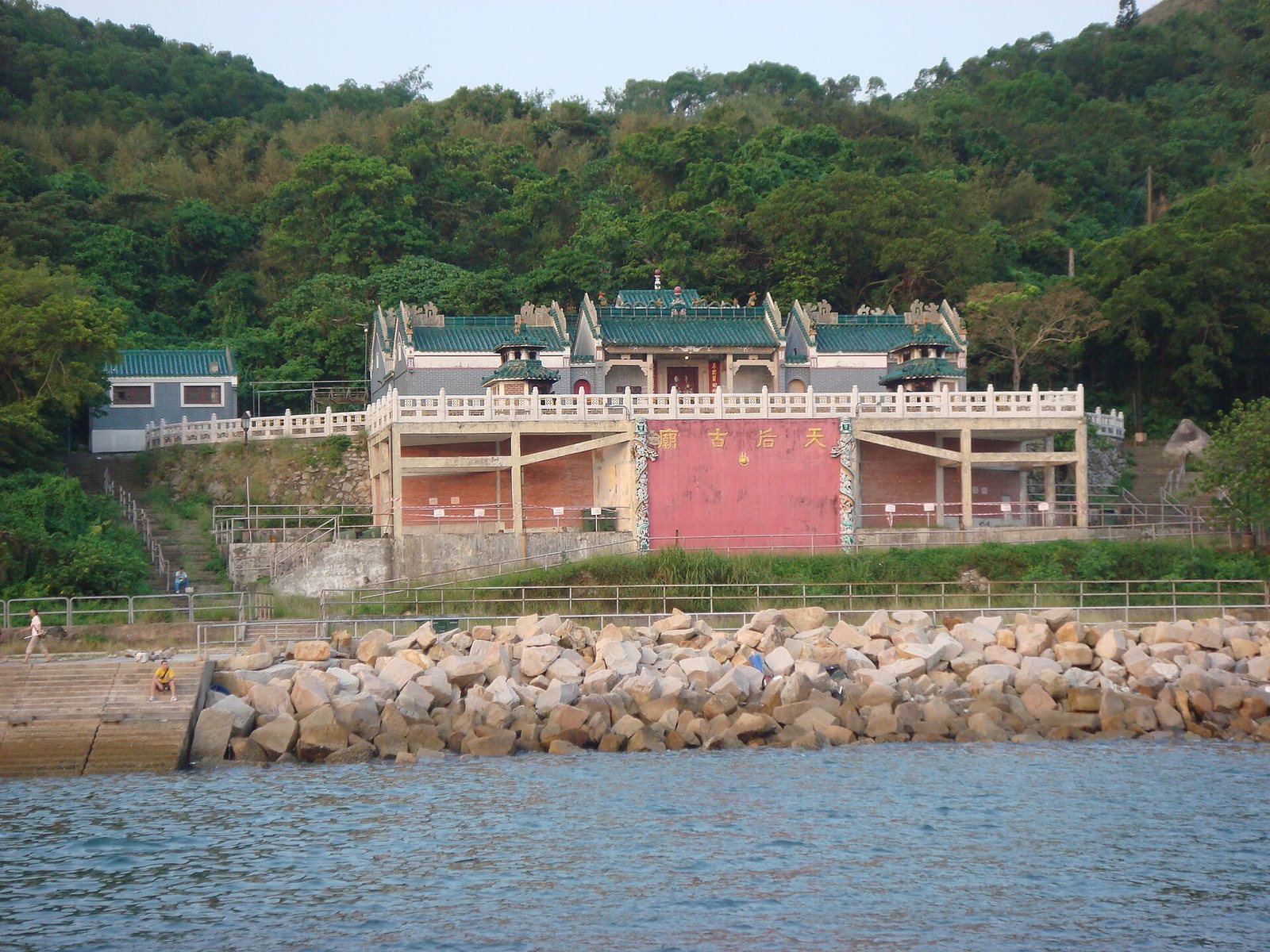
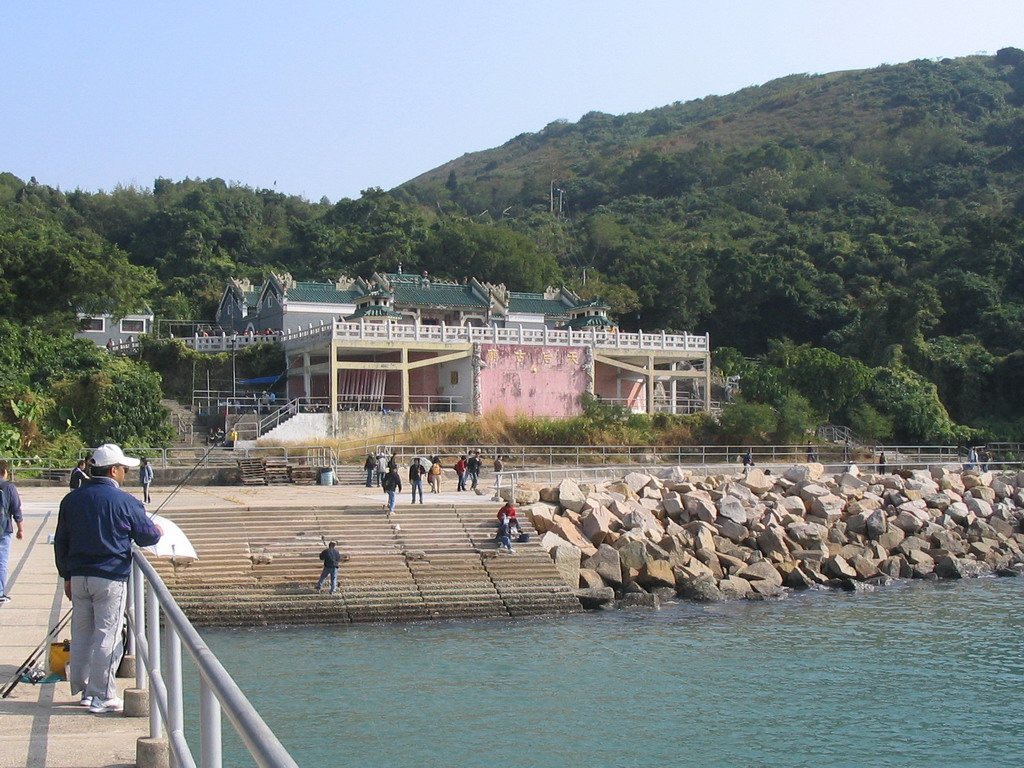
Tin Hau Temple, also known as Tai Miu, stands at Fat Tong Mun on the shore of Joss House Bay in Sai Kung, Hong Kong, China. Traditionally dated to 1266, during the Southern Song dynasty, which ruled southern China from 1127 to 1279, it is regarded as Hong Kong’s oldest and largest Tin Hau temple and the oldest surviving one along the Guangdong coast. Its present form reflects South China vernacular architecture associated with the Qing dynasty. The temple belongs to Chinese folk religion and chiefly honors Tin Hau, also known as Mazu, a sea goddess associated with protecting seafarers and fishermen. It also venerates the Golden Flower Lady, a deity associated with fertility and childbirth.
Foundation, repairs and management
Tradition credits Lam Tao-yi with founding the temple. Repairs took place in 1840, 1877, 1962 and 2009; the present layout is believed to have taken shape during the 1877 work. The Lam clan managed the temple until 1939, when responsibility passed to the Chinese Temples Committee, the Hong Kong body that manages Chinese temples.
Worship and heritage status
Tin Hau’s birthday is celebrated here on the 23rd day of the third lunar month. Tens of thousands of worshippers attend, many arriving on foot or by boat, with hundreds of vessels taking part. Some touch the dragon bed in a side hall in the hope of having children or gaining wealth. In 2014, the Sai Kung Fat Tong Mun Tin Hau birthday celebration was included in Hong Kong’s Intangible Cultural Heritage Inventory.
Previously graded a Grade I historic building, the temple was declared a monument on 20 October 2023. The Antiquities Advisory Board had approved its elevation on 8 June that year.
Remains
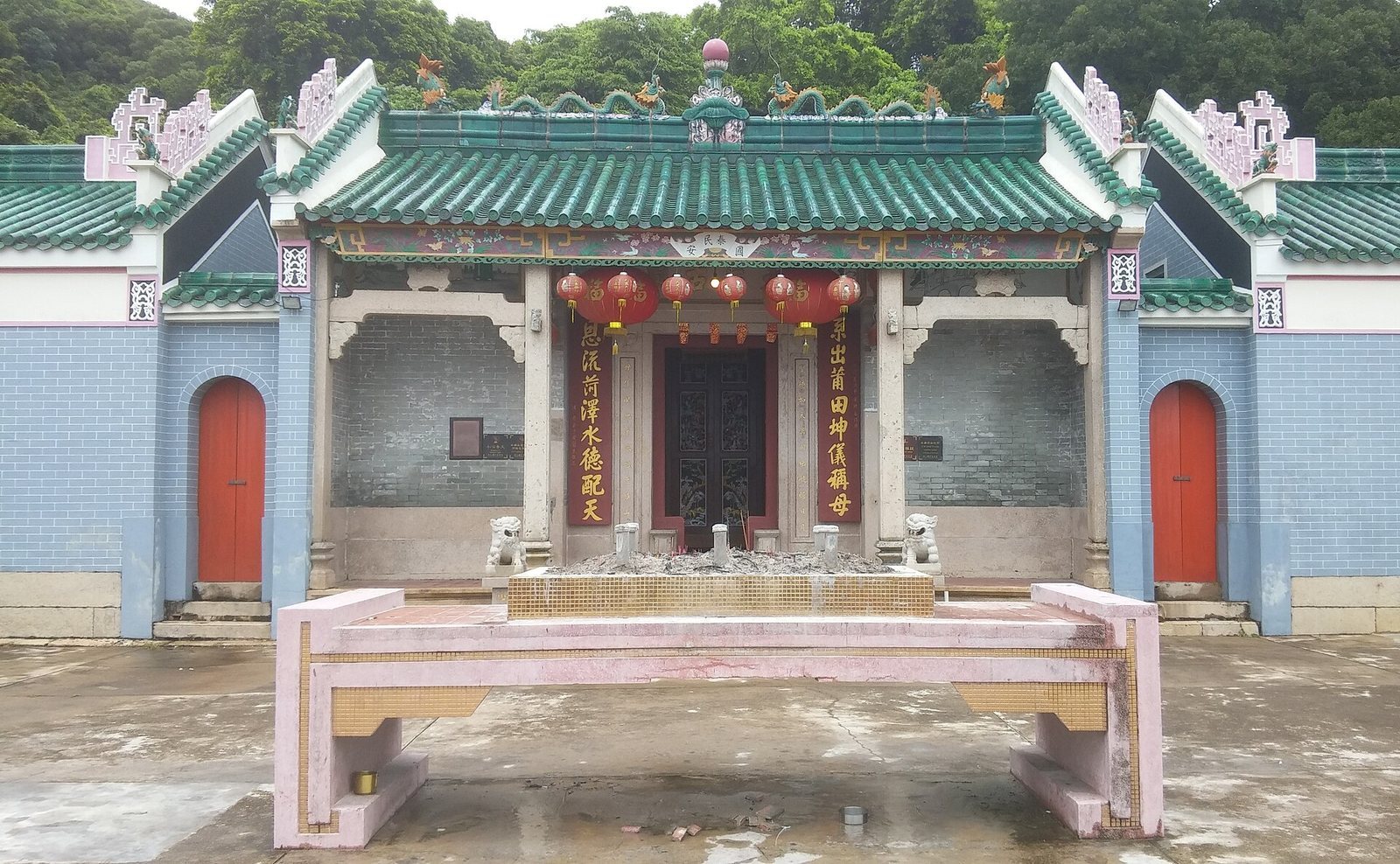
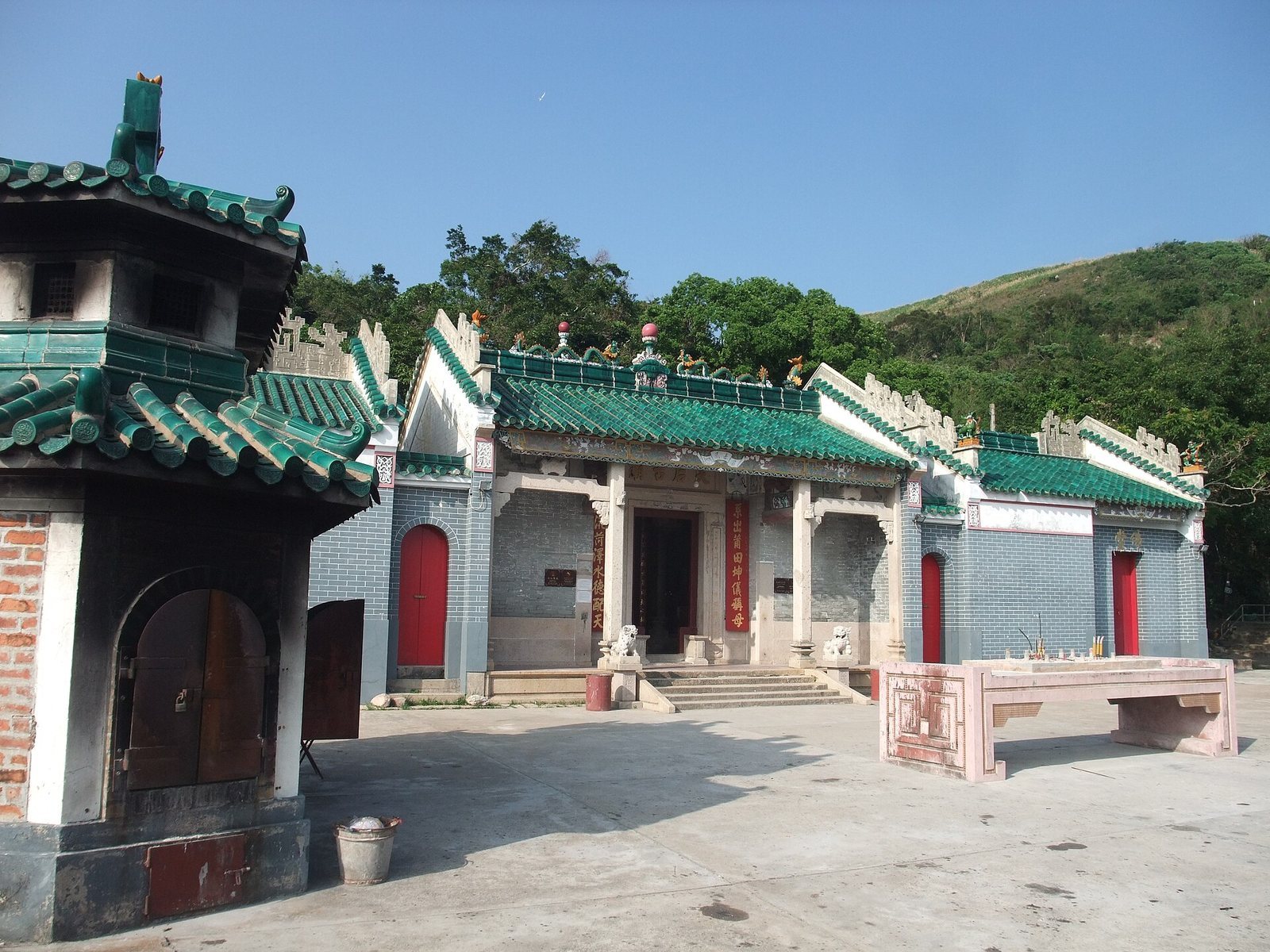
The temple is three bays wide and one principal hall deep, in a South China vernacular form associated with the Qing dynasty. It faces the sea, with mountains on three sides; the surrounding mountain areas lie within country parks. A broad open space extends in front of the building.
Plan and construction
The front eaves project outward and rest on two columns before the main entrance, forming a porch. Crescent-shaped doorways inside the building lead to a side hall on either side of the principal hall, giving the interior its three-part arrangement.
Halls and furnishings
Principal and side halls
The principal hall contains the shrine to Tin Hau. The left-side hall holds a dragon bed and an image of the Joyful Buddha. The hall on the right also serves as an office for ritual officiants.
Sacred boats and cast objects
Two models of Tin Hau’s sacred boats, each more than two metres long, stand on either side of the principal hall. The temple also preserves an iron incense burner cast in 1804 and a bronze bell cast in 1840.
Inscription at Joss House Bay
A nearby rock bears an inscription dated 1274, regarded as the oldest dated inscription known in Hong Kong.