Song China: Sites and Map
Song Buddhist monuments include a glazed-brick pagoda and new sculpture or buildings added to much older cave sanctuaries. These sites reveal how religious communities maintained established places of worship while changing their images, construction materials and architectural surroundings.
Primary Function: All
Type: All
Country: All
Popularity: All
Rating: All
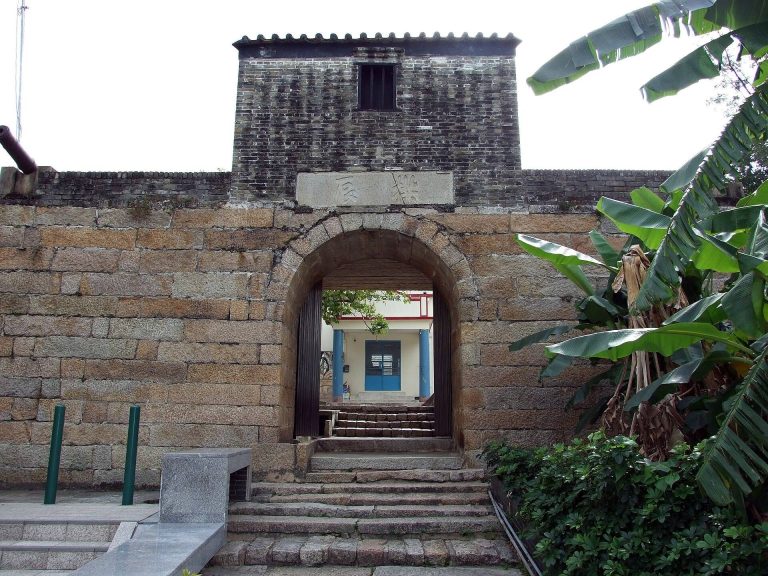
Tung Chung Fort on Lantau Island was established during the Southern Song dynasty, rebuilt under the Qing dynasty, and later used as a police…
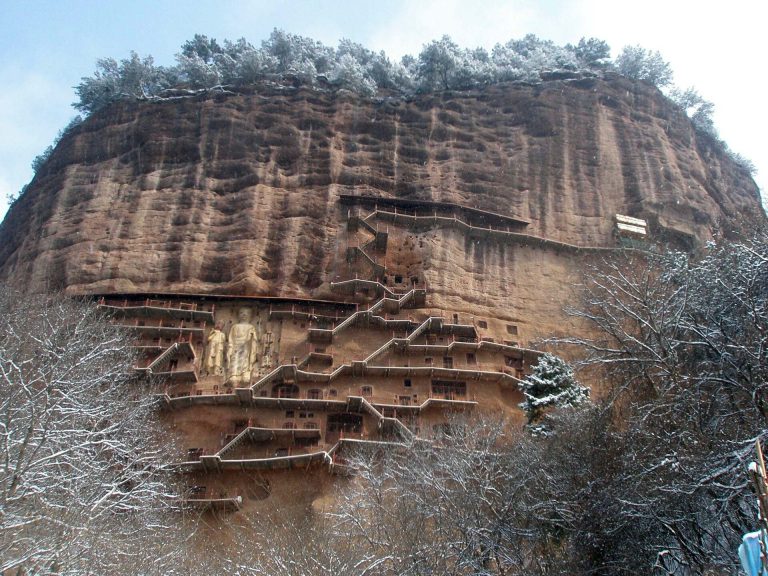
The Maijishan Grottoes preserve 194 Buddhist caves, more than 7,200 sculptures, and over 1,000 square metres of murals created and restored across…
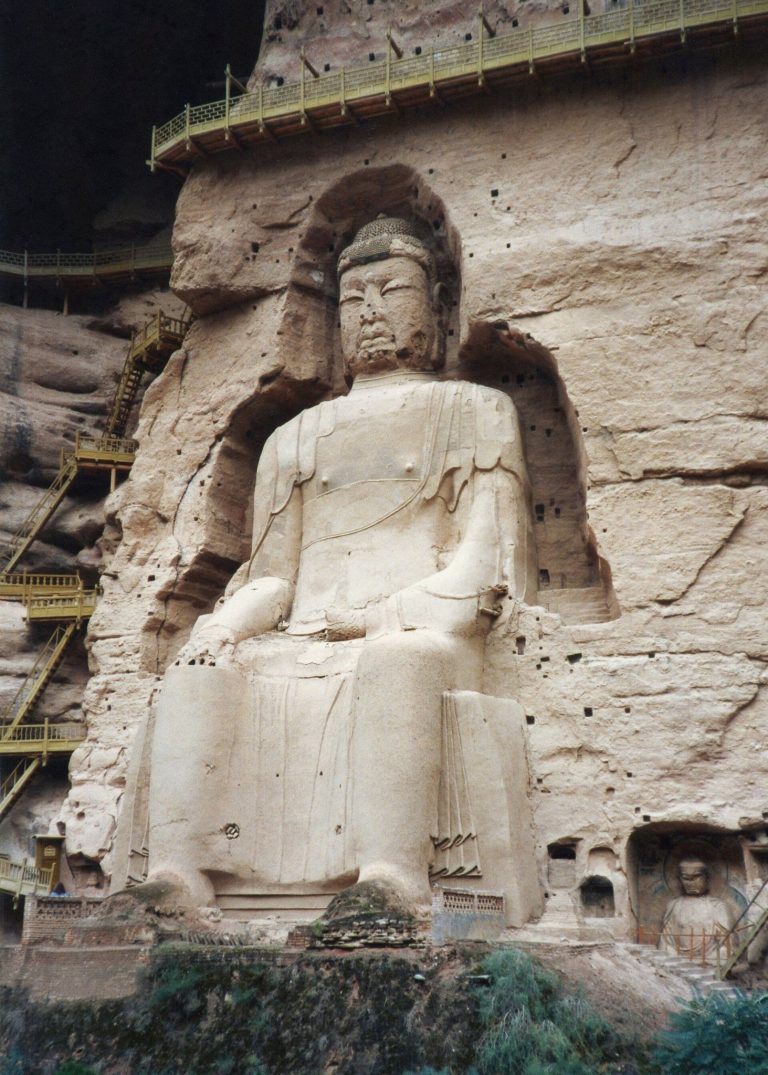
Bingling Temple is a major Buddhist cave sanctuary whose sculptures, paintings, and inscriptions trace more than a millennium of religious and…
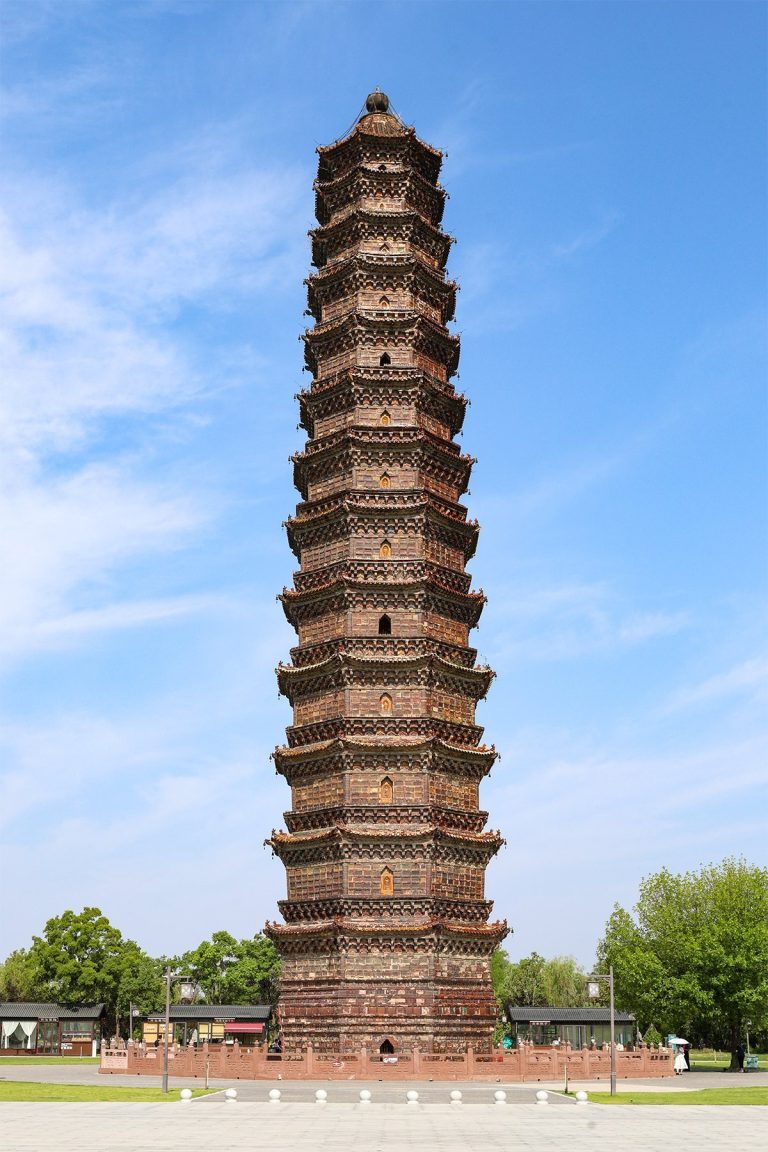
The Iron Pagoda in Kaifeng is a 13-story Buddhist tower completed in 1049 after an earlier wooden pagoda was destroyed by fire. Built from glazed…
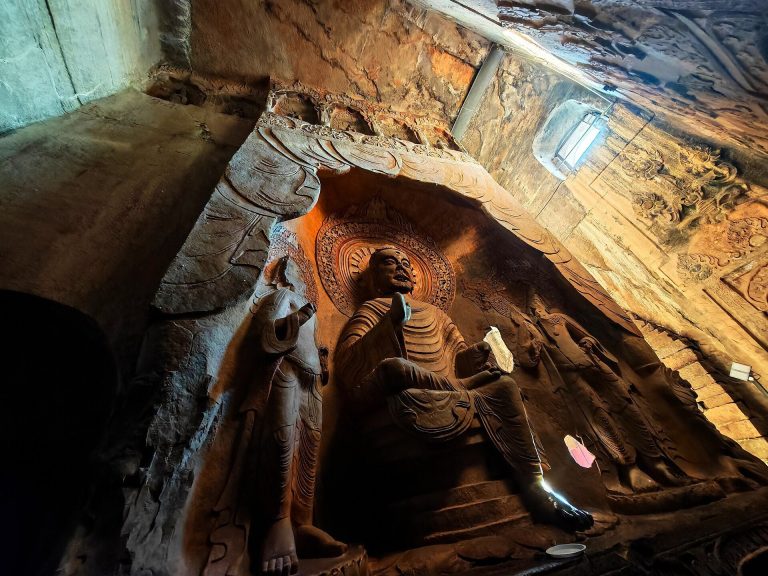
The Xiangtangshan Caves in Hebei preserve Buddhist cave temples begun in the late Eastern Wei and developed under Northern Qi imperial patronage.…
For details on how to use the maps, which sites are included, how popularity and ratings are determined, and how sites are classified, see the help page.
On this page4 sections
Kaifeng: the brick tower called the Iron Pagoda
The Iron Pagoda in Kaifeng was built in 1049 after an earlier wooden tower burned down. Despite its name, it is made of brick. Brown glazed surfaces give the exterior an iron-like colour, while the octagonal plan and thirteen storeys create a tall, sharply articulated silhouette.
Its projecting eaves and bracket-like details translate features associated with timber buildings into masonry. Glazed reliefs include Buddhist figures, dancers, lions and flowers, so the wall surface also carries a programme of images. The structure combines a durable tower with richly worked decoration, rather than relying on plain brick alone.
Maijishan: new figures in an established sanctuary
At Maijishan in Gansu, Song restoration introduced new sculptures into caves that had been used for centuries. Clay and plaster could be shaped over supporting frames and then painted, producing figures with expressive faces, garments and gestures.
Song work gave a prominent place to bodhisattvas, Buddhist figures who assist others toward enlightenment. Their presence changed the religious emphasis of some earlier spaces as well as their appearance. Maijishan’s cliff-side caves thus preserve episodes of renewal: an old chamber could remain in use while its principal images were repaired or replaced.
Xiangtangshan: additions around sixth-century caves
The principal monumental caves at Xiangtangshan in Hebei were carved under the Northern Qi dynasty in the sixth century. Song activity belongs to a later phase, when small niches, a brick pagoda and temple buildings were added around the older sanctuary.
This difference is visible in the kinds of work involved. The Northern Qi patrons commissioned large rock-cut spaces and colossal images; later communities could extend worship through smaller dedications and buildings outside them. The Song contribution formed part of the site’s continued use rather than the original carving of its great caves.
Bingling: worship across successive dynasties
Bingling Temple, beside the Yellow River in Gansu, was known as Lingyan Temple during the Song. Its caves continued to receive additions and alterations across successive dynasties. The site’s best-known giant image of Maitreya, the future Buddha, belongs to the earlier Tang period, while its changing names and later work trace the life of the religious community beyond that initial monumental phase.
The individual site articles identify these overlapping periods. Together with Kaifeng’s purpose-built tower, the cave sanctuaries show two different settings for Song Buddhist patronage: new construction and continued investment in established sacred places.
The map and grid link to the individual site articles, where Song additions can be followed within each sanctuary’s longer history.