Tung Lung Fort: A Qing Maritime Defense Fort
Site at a Glance
- Popularity
- Medium
- Country
- China
- Primary era
- Early Modern
- Eras represented
- Early Modern
- Civilizations
- Qing
- Site type
- Military
- Remains
- Fort
On this page4 sections
History
Tung Lung Fort is a Qing-era coastal fort on Tung Lung Chau, China. Its construction is thought to date from 1719 to 1724 and is associated with the Kangxi period, the reign of Qing emperor Kangxi from 1662 to 1722. The fort formed part of a maritime defense system established after the defeat of Koxinga’s administration in Taiwan. Koxinga was a Chinese military leader who founded the Tungning regime there. The fort was intended to protect trade and repel pirates.
Construction and coastal service
The fort entered service in 1724 to counter piracy and help control the Fat Tong Mun Channel and the eastern entrance to Tai Miu Wan, also known as Joss House Bay. Its garrison averaged 25 sailors from the Tai-pang-hsi navy. It may also have served as a signal station, relaying messages to military headquarters in Kowloon.
The fort may have been attacked by the pirates Cheng Lien Chang and Cheng I, and later by Cheung Po Tsai, a Chinese pirate.
Abandonment and restoration
In 1810, the fort was abandoned and its personnel moved to another coastal fort at the tip of the Kowloon Peninsula, later associated with Kowloon Walled City. Tung Lung Fort was declared a monument in 1977, and the three-hectare Tung Lung Fort Special Area was designated in 1979. The fort was restored in 1988.
Remains
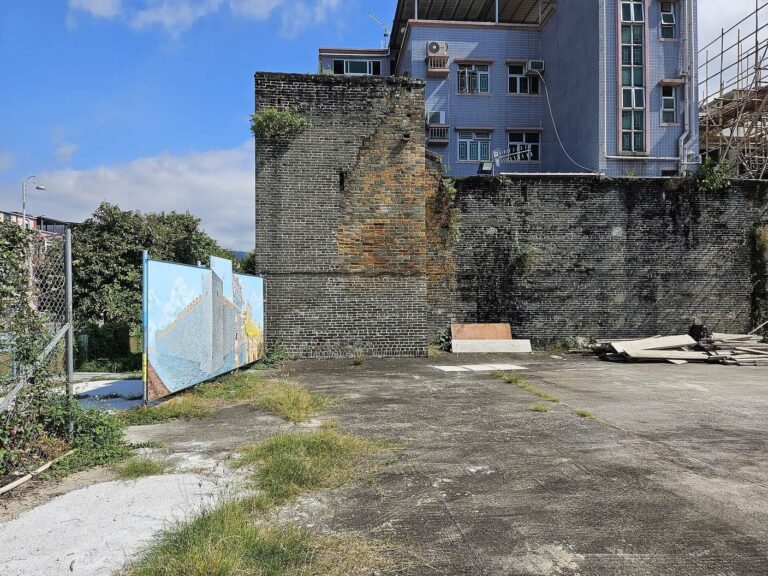
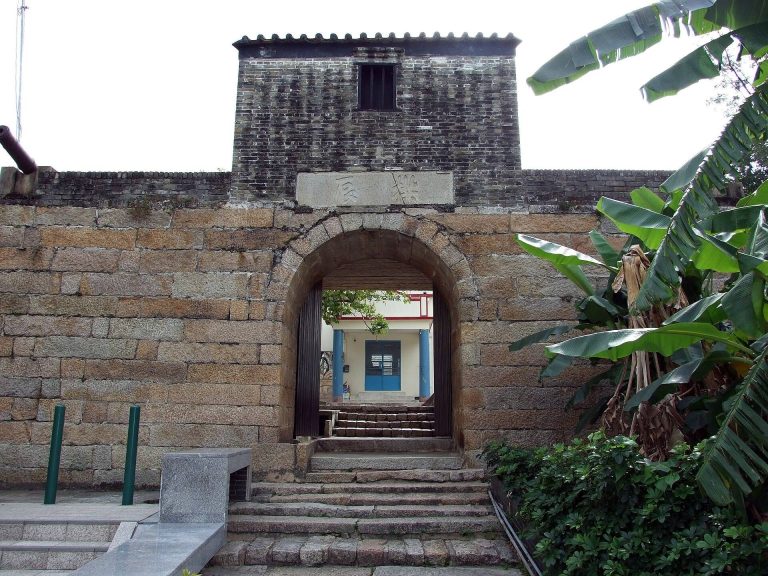
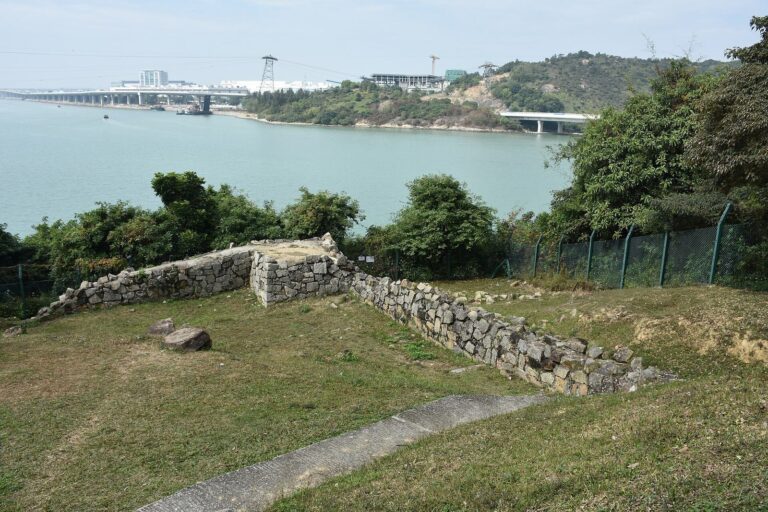
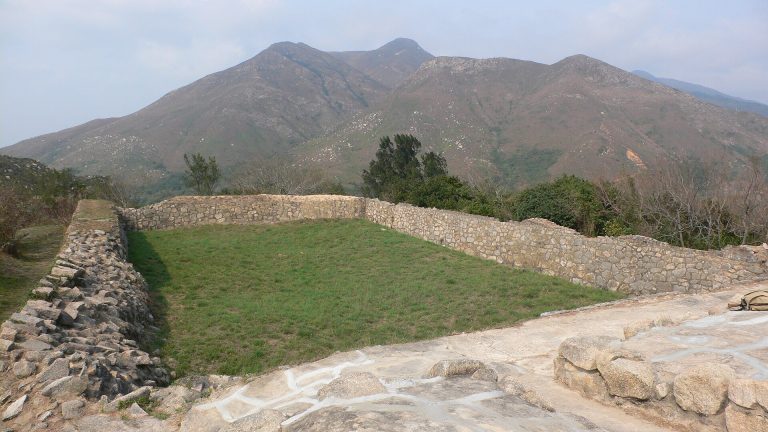
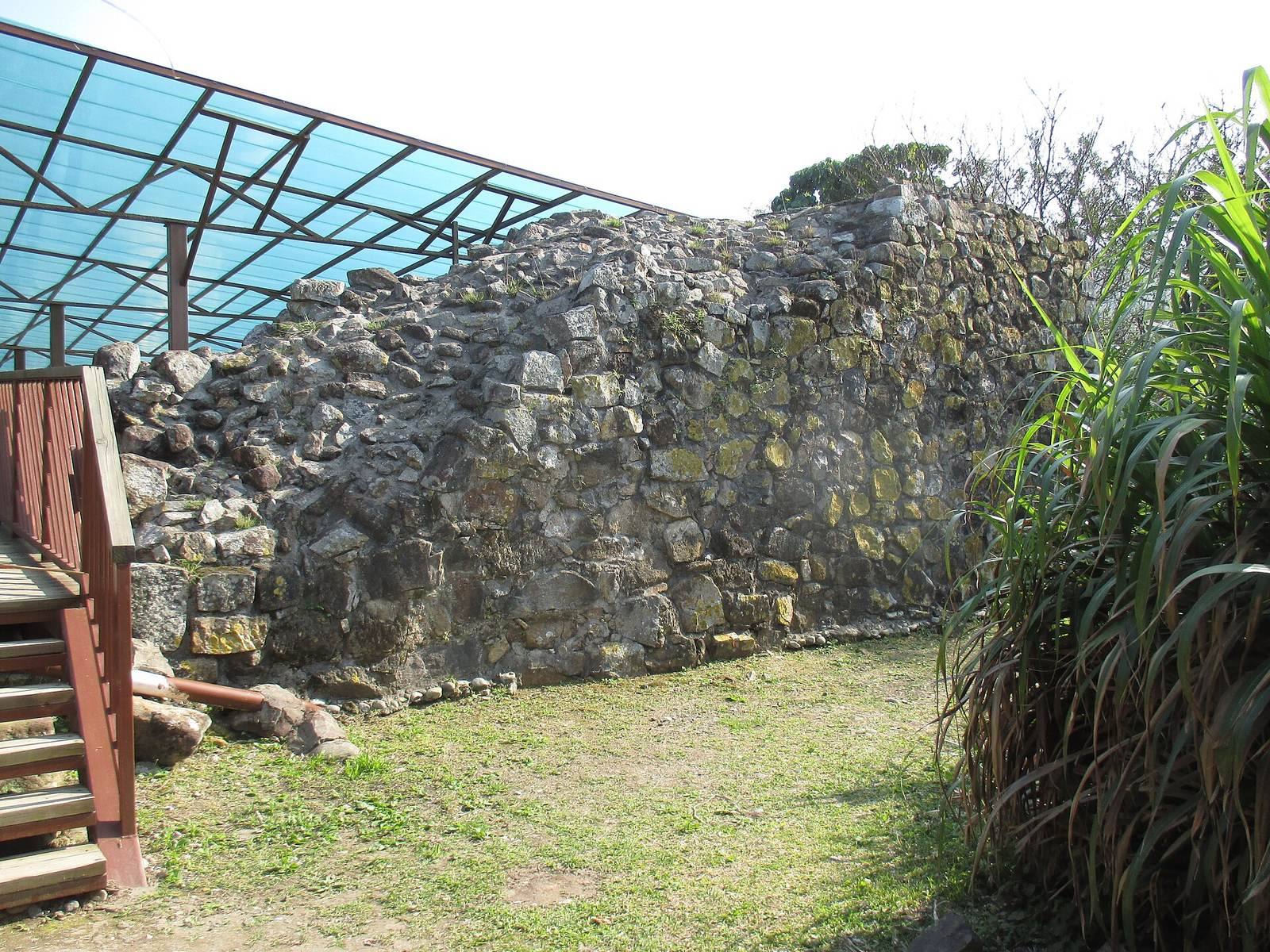
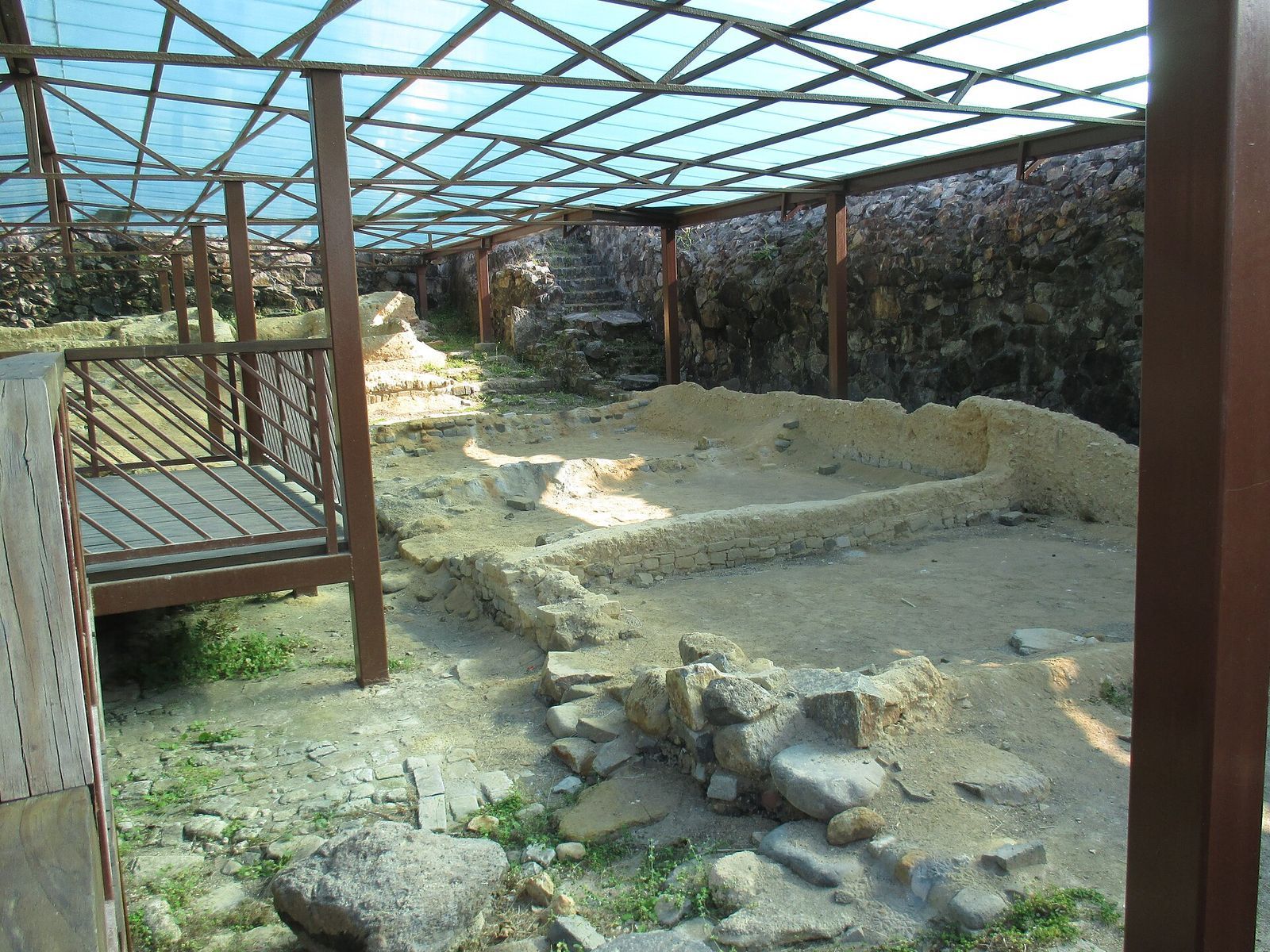
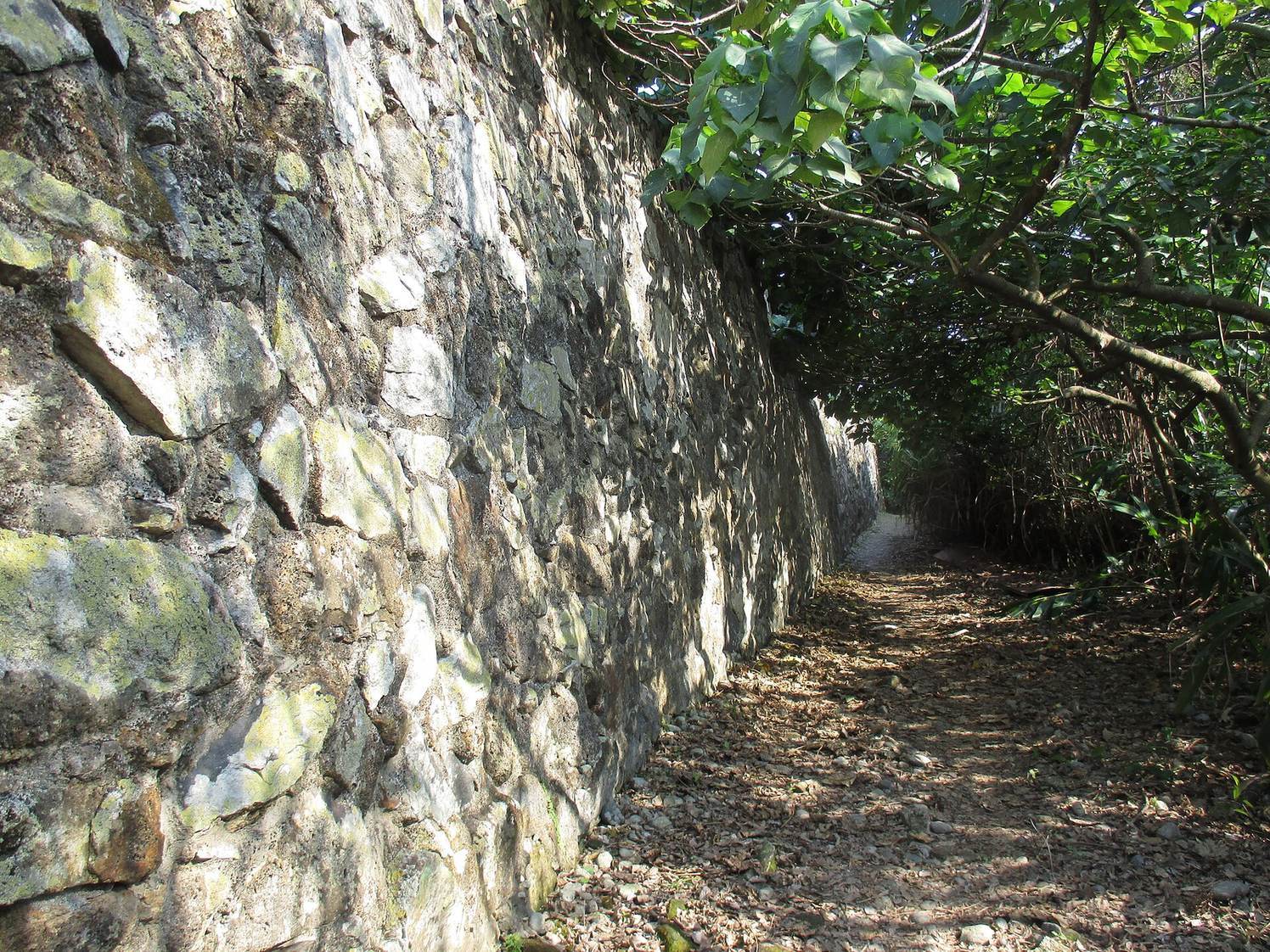
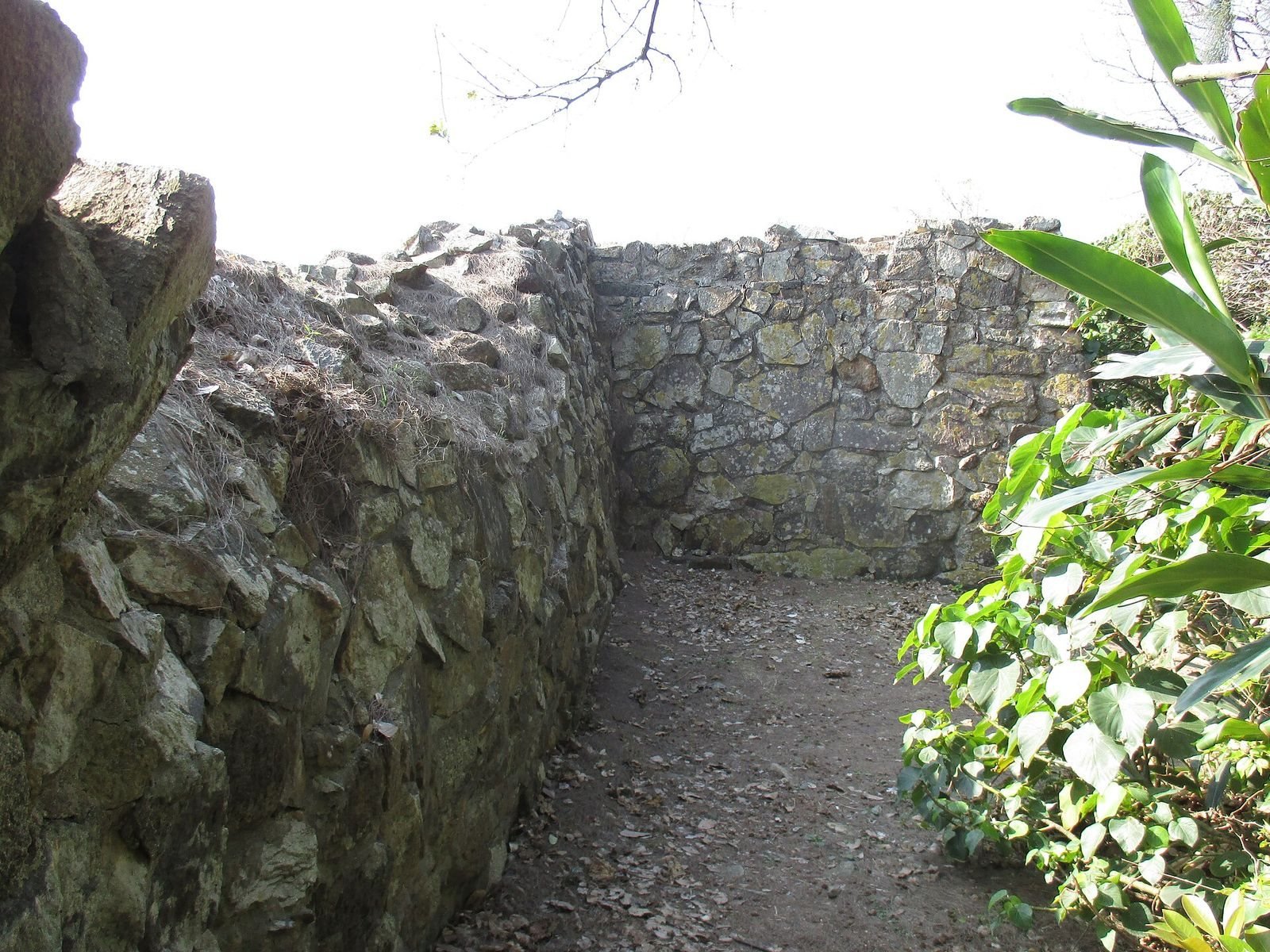
The rectangular fort stands on the northeastern part of Tung Lung Chau, 35 metres above sea level, with cliffs on three sides. Its ruins include rubble-stone walls about three metres high and a brick gate with an arch-shaped opening.