Thermae of Constantine at Arles: A Roman Bath Complex in France


Site at a Glance
- Rating
- 3.8
- Popularity
- Medium
- Country
- France
- Primary era
- Classical
- External website
- Open
- Eras represented
- Classical
- Civilizations
- Roman
- Site type
- Sanitation
- Remains
- Baths
On this page7 sections
History
Roman construction and use
The Thermae of Constantine, also known as the Northern Baths, are Roman baths in Arles, France, constructed at the beginning of the fourth century when Constantine I, an emperor of the early fourth century, resided in the Roman city of Arelate, the ancient name for Arles. The complex formed part of Romanized urban life, where public bathing brought together people from different social classes for washing, socializing, and exercise. Bathing generally took place before the evening meal.
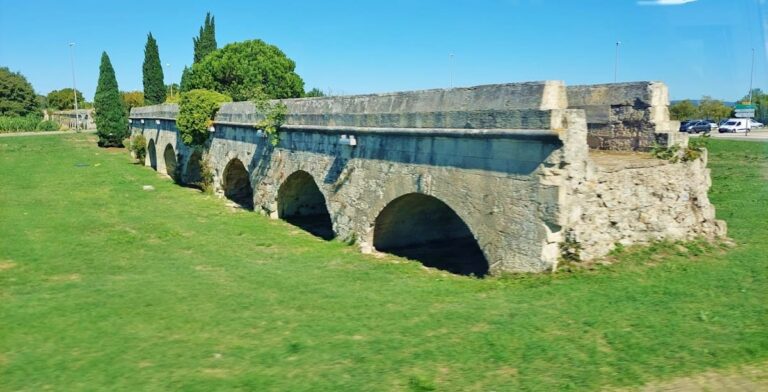
Water reached Arles from the Alpilles mountain chain through an aqueduct. It was collected in a tank and then distributed through lead pipes to the town. The baths used a sequence of heated and cooled spaces, allowing bathers to move from the hot room to the warm room and finally to the cold-water bathing area.
Medieval interpretation
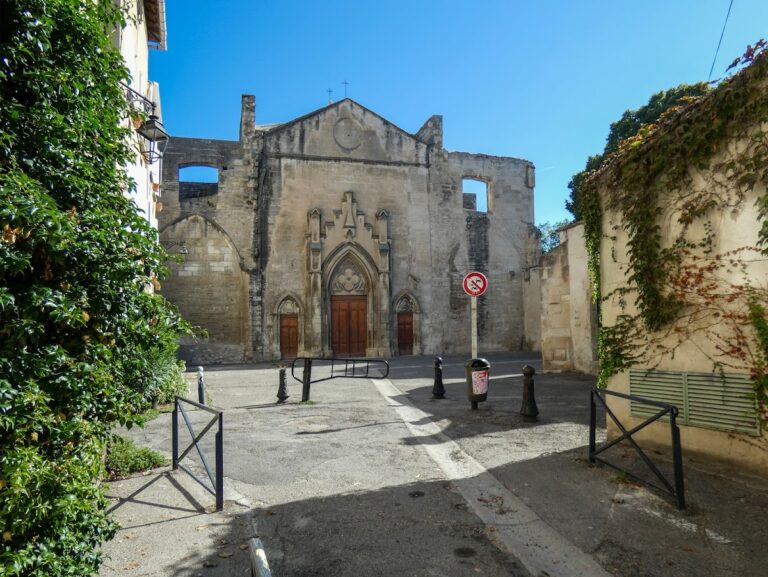
During the Middle Ages, the surviving structure was known as the “Palais de la Trouille.” Its remains were traditionally, but incorrectly, understood as those of a palace built by Constantine. The later identification of the monument as a bath complex placed it within the wider history of Roman public architecture at Arles.
Excavation and protection
The remains were partially uncovered from the nineteenth century onward. The baths were listed as historic monuments in 1840, while the Roman wall and adjoining underground spaces received separate protection in 1922. The city of Arles acquired the monument, which was renovated between 1980 and 1995.
The Thermae of Constantine are among the best-preserved Roman bath complexes in France, together with the baths of Chassenon and Cluny. They form part of the UNESCO World Heritage property Roman and Romanesque Monuments of Arles, inscribed in 1981.
Remains
Heated rooms and bathing pools
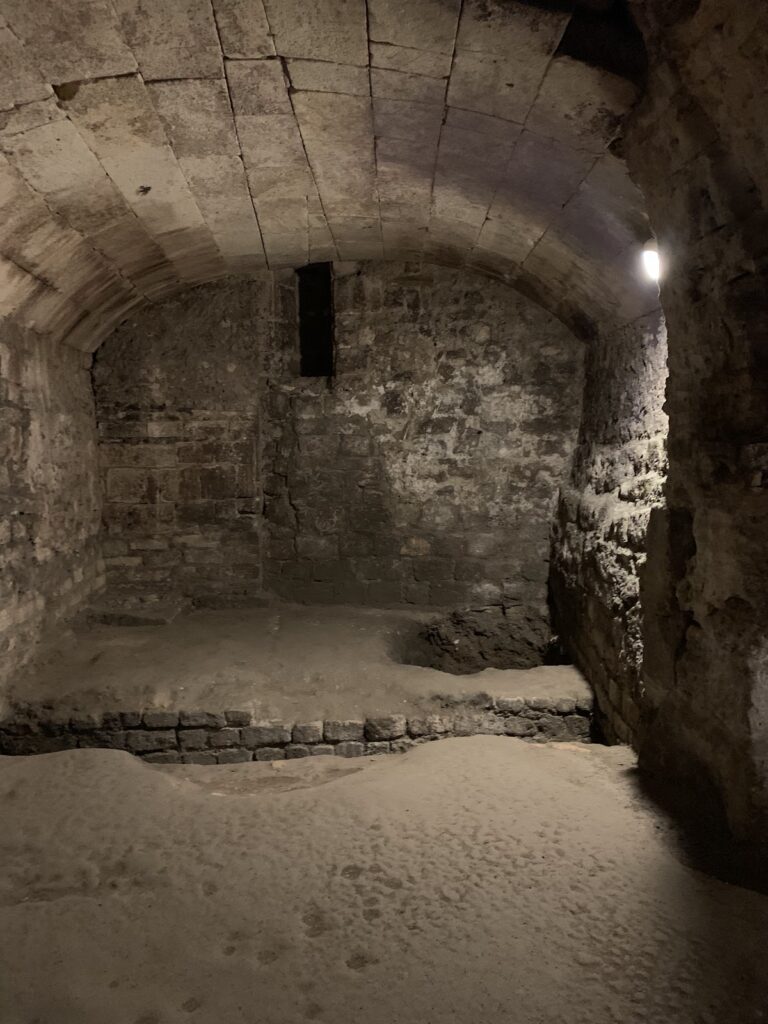
The baths stand beside the Rhône, and their surviving remains include the caldarium, the hot room. Its raised floors rested above a hypocaust, a Roman heating system that circulated hot air beneath the floor. The room contained three bathing pools, or solia. Two were rectangular, while the third was a semicircular pool set within a rounded apse, a curved termination to the room.
The apsidal pool was lit by three windows and covered by a quarter-sphere vault. The hot room communicated with a laconicum, a dry-heating room comparable to a sauna, and with the tepidarium, the warm room. On its western side, the tepidarium ended in a semicircular apse. Further south, other parts of the bath complex extend beyond the surviving exposed remains.
Bathing sequence and functional areas
The complex was divided into several functional areas, including a central courtyard used for relaxation or exercise, together with changing rooms and storage spaces for clothing. Its bathing arrangement included the hot caldarium, the warm tepidarium, and the cold-water frigidarium.
In the heated room, bathers could sweat above the hypocaust. Afterward, they could scrape sweat, oil, and dirt from the body with a curved metal strigil. The tepidarium offered a warmer transition and space for relaxation, massage, and the application of scented oils before bathers cooled themselves in the frigidarium.