Terayama Kannon-ji Temple: A Shingon Buddhist Temple and Kannon Pilgrimage Site
Site at a Glance
- Rating
- 4.3
- Popularity
- Low
- Country
- Japan
- Primary era
- Early Modern
- Eras represented
- Early Modern
- Civilizations
- Tokugawa
- Site type
- Religious
- Remains
- Temple
On this page8 sections
History
Origins on Takaharayama
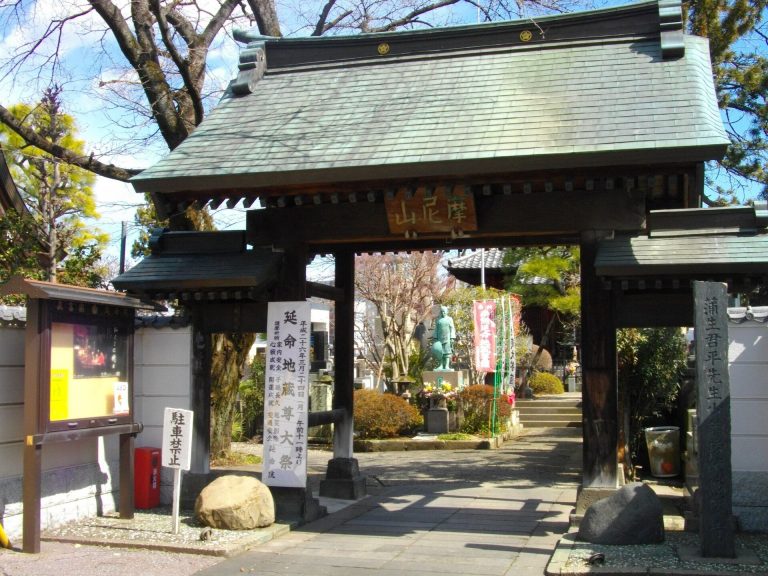
Terayama Kannon-ji Temple is a Shingon Buddhist temple in Yaita, Japan, belonging to the Chizan school and dedicated to Senju Kannon, the Thousand-Armed Kannon. Its history reaches back to 724, when the monk Gyoki founded Horaku-ji near the summit of Tsurugamine, one of Takaharayama’s peaks, at the request of Emperor Shomu, a sovereign known for promoting Buddhism and commissioning major Buddhist institutions.
Lightning destroyed Horaku-ji in 803, but tradition holds that its Kannon hall survived and that the principal image escaped harm. In 806, at the request of Emperor Heizei, the monk Tokuitsu moved the image to the present site and established a seven-building temple complex. The institution that developed there became known by its customary name, Terayama Kannon-ji, while its formal designation includes the mountain name Yoraku and the monastic title Daishishin-in.
The hidden principal image
Senju Kannon is a hidden Buddhist image, a sacred statue normally kept from public view and revealed only on specified ritual occasions. It is traditionally displayed once every sixty years, for seven days beginning on the tenth day of the ninth month of the old lunar calendar in a Kōshi year, one occurrence in the traditional sixty-year calendrical cycle.
Revival and later development
The Kannon hall had fallen into disrepair before the monk Hokkyō Gyōen revived the temple around 1200. The temple’s origin record places the repair and renewal work between 1293 and 1313, while an inscription inside Gyōen’s wooden statue records work beginning in 1199 and repairs in 1200. These dates accord with the tradition that Hojo Tokimasa sent Gyōen to the temple and indicate that the later record transmitted the era names incorrectly.
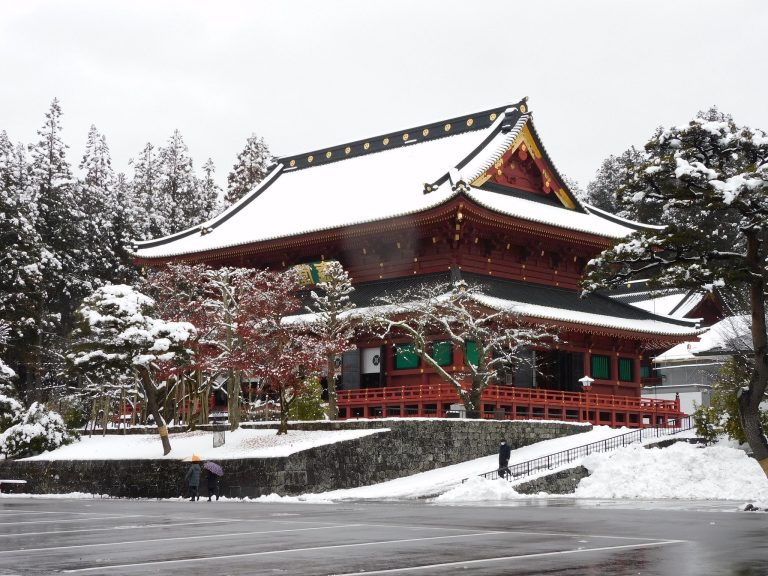
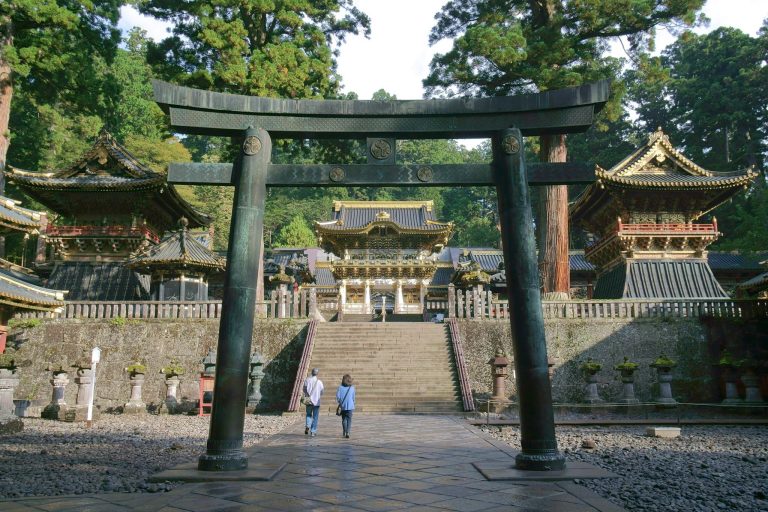
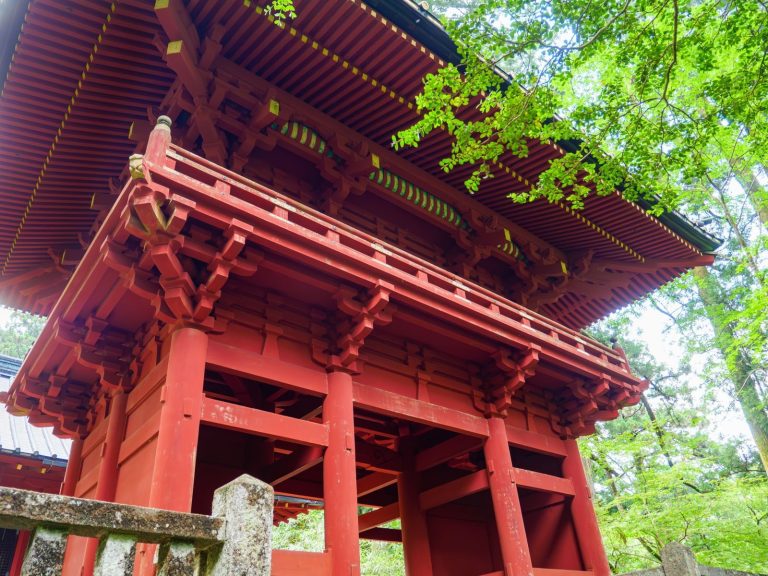
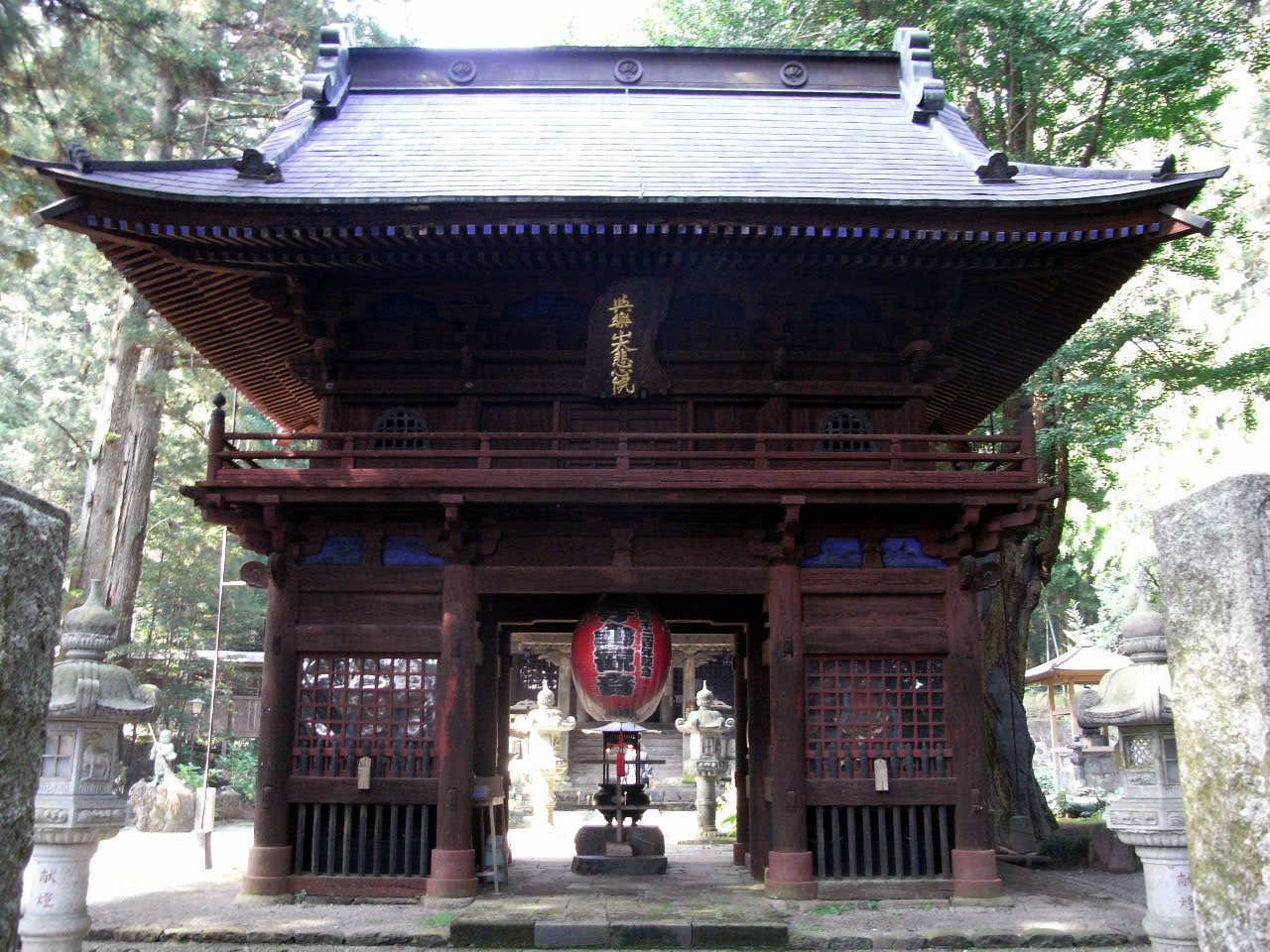
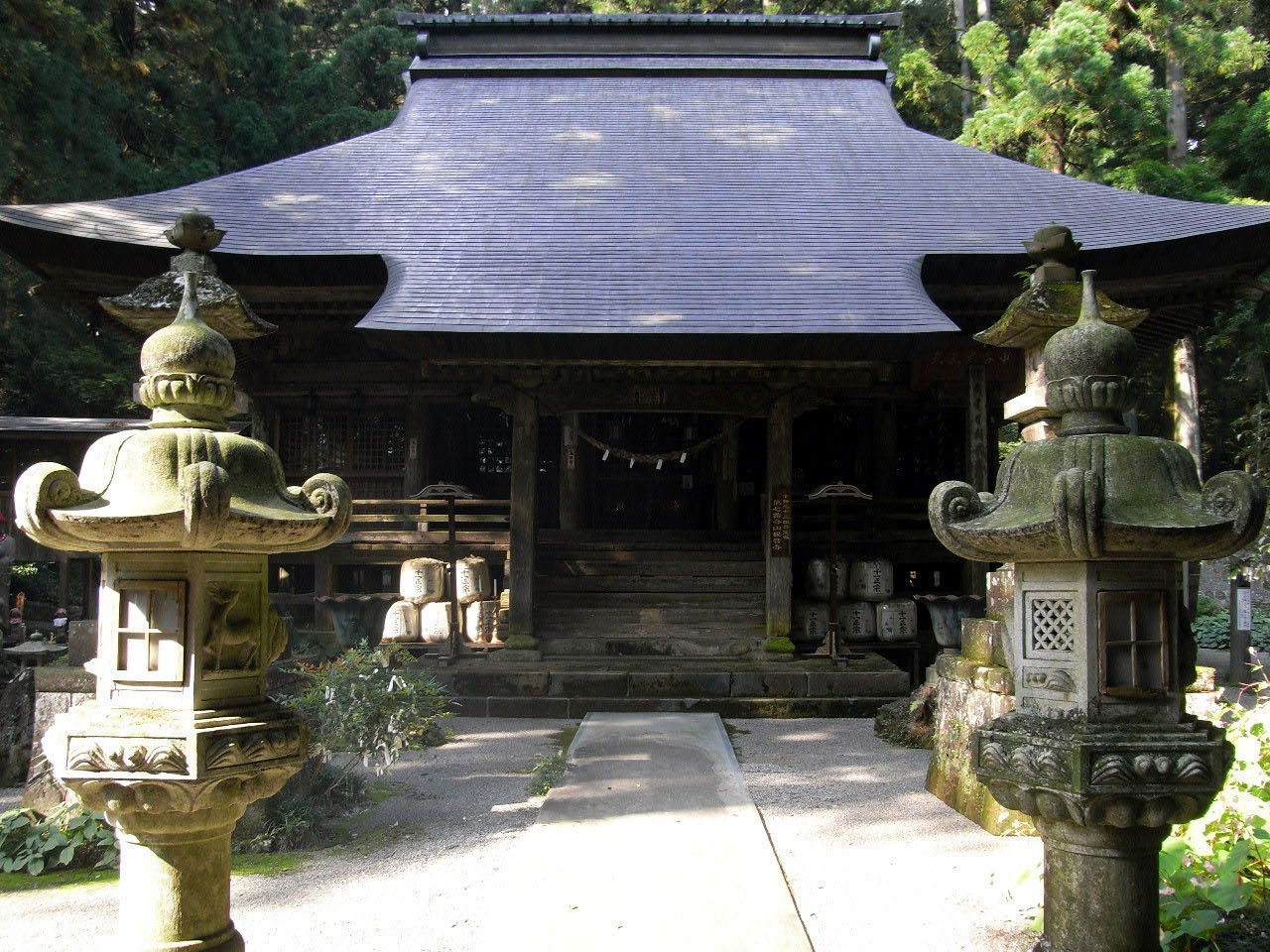
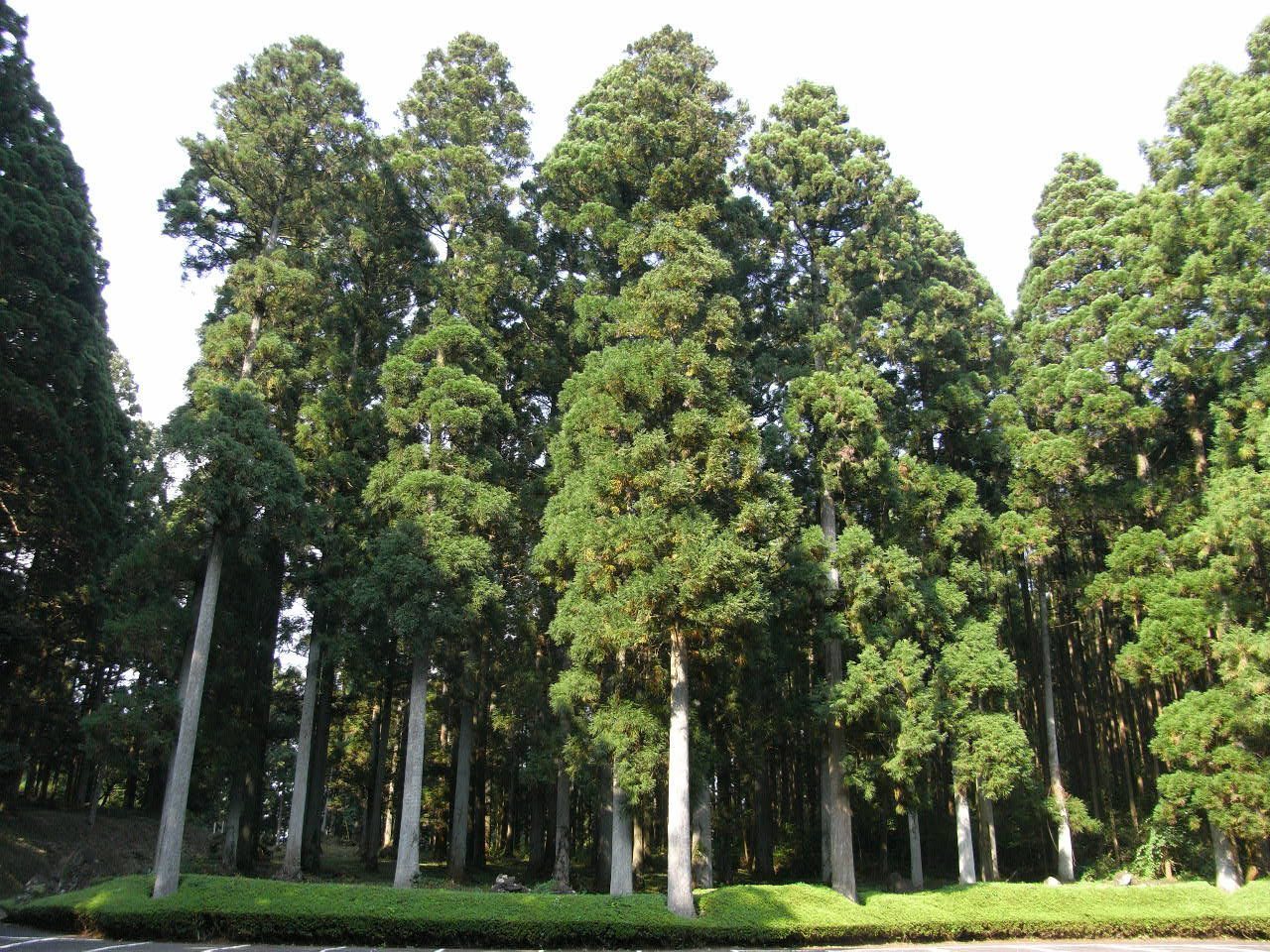
The present Kannon hall and romon, a two-story gate with an open upper level, were built in 1684. In 1997, both were selected for Yaita’s “Ten Selected Buildings.” The temple remains a destination on the Shimotsuke Thirty-Three Kannon circuit, a regional pilgrimage route dedicated to Kannon. Its principal image and two attendant statues are Important Cultural Properties of Japan, while the surrounding cedar woodland is protected by Tochigi Prefecture as a Terayama Green Environmental Conservation Area.
Remains
Temple buildings and mountain setting
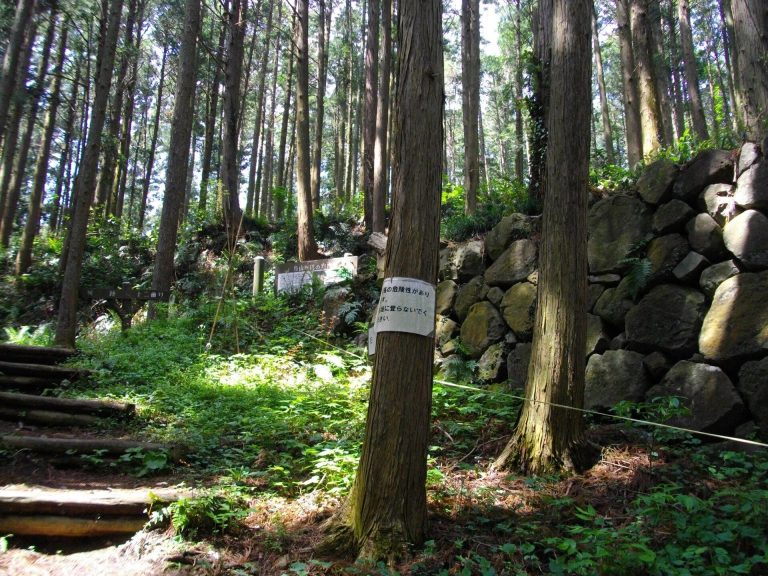
The temple stands at approximately 450 meters above sea level on the middle slope of Takaharayama. The mountain rises to 1,795 meters at Shakadake, while the earlier temple site near Tsurugamine lay at about 1,540 meters. The surviving Kannon hall and romon gate form the principal identified buildings, both dating from 1684. Cedar woodland surrounds the temple, including trees more than 250 years old.
Principal Buddhist images
The wooden seated Senju Kannon is 101.6 centimeters high and was made in the early Kamakura period by an unknown sculptor. Its natural wood remains unpainted, and the original pedestal and halo survive. The wooden standing Bishamonten, a guardian deity associated with protection and warfare, measures 119.5 centimeters and dates from the Kamakura period. It uses yosegi-zukuri, a technique that assembles a statue from several wooden blocks, and retains a rough, tool-marked surface characteristic of examples found widely in the Kanto region.
The wooden standing Fudo Myoo, a wrathful Buddhist protector of the Dharma, is 114.3 centimeters high and also dates from the Kamakura period. Its especially coarse tool marks give it the appearance of an unfinished statue, and it was carved from a single block of wood. The wooden figures of the Twenty-Eight Attendants, guardian figures traditionally associated with protecting Senju Kannon, are approximately 80 centimeters high and date from 1441.
Additional sculptures and ritual traditions
A wooden seated statue of Gyōen is 84 centimeters high and dates from the early Kamakura period. Its internal inscription preserves the dates associated with his work at the temple. Other surviving images include a bronze seated Dainichi Nyorai, the central Buddha of esoteric Buddhism, made in 1781 and measuring 115 centimeters, and a 36-centimeter bronze seated Senju Kannon from the early Kamakura period by an unknown sculptor. Wooden statues of the Wind God and Thunder God date from approximately the fourteenth century. They measure 66 and 68.3 centimeters respectively, and their sculptors are unknown.
Temple tradition also associates the surrounding area with seven unusual features: a sacred hot spring, a Cow Stone, white earth, red-root earth, green laver, the belief that bandits have never entered the area, and a pond said never to run dry.