Tennōyama Kofun in Yasu: A Japanese Burial Mound
Site at a Glance
- Popularity
- Very Low
- Country
- Japan
- Primary era
- Medieval
- Eras represented
- Medieval
- Civilizations
- Yamato
- Site type
- Burial
- Remains
- Burial Mound
On this page6 sections
History
Construction and burial
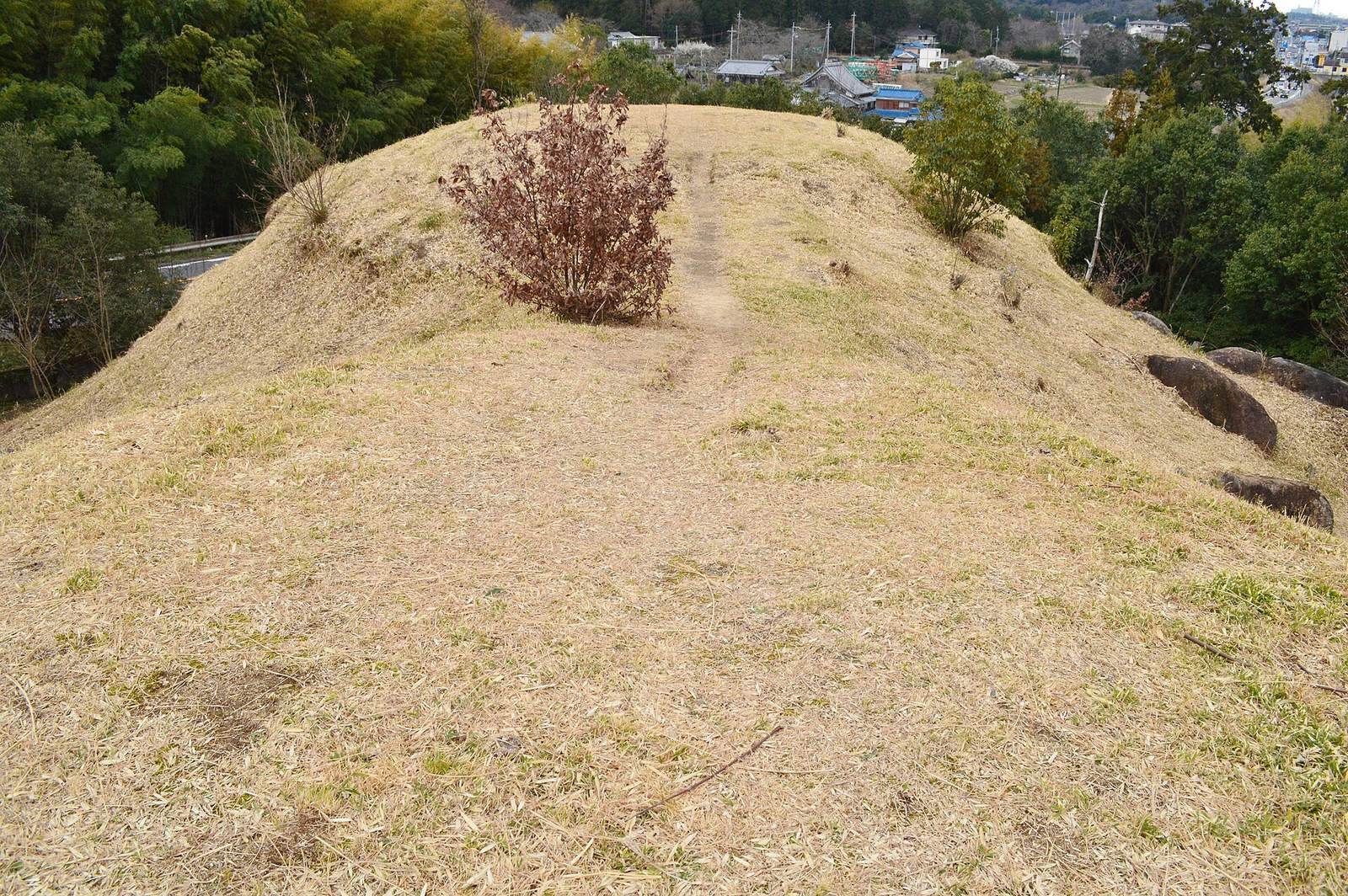
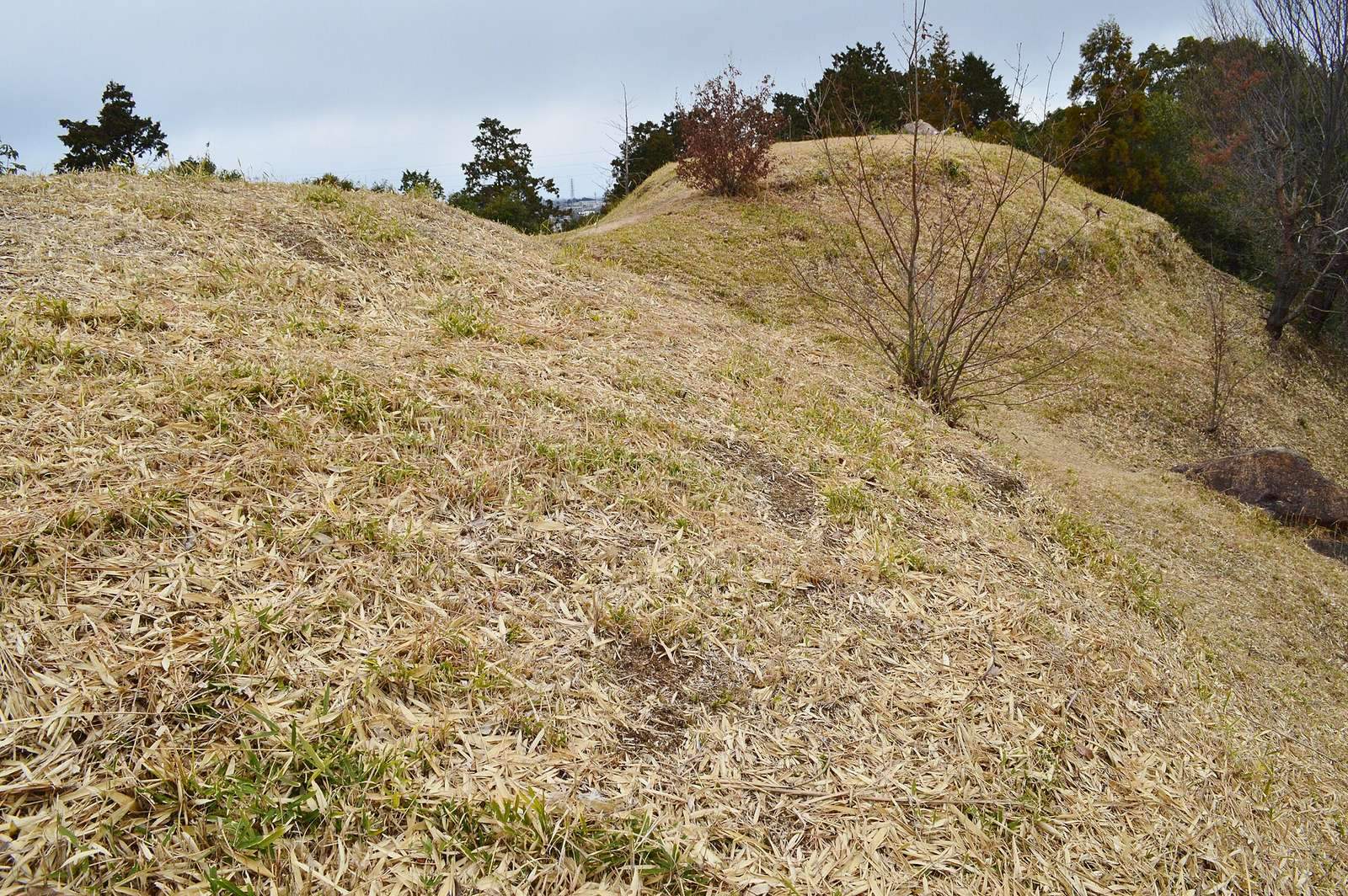
Tennōyama Kofun in Yasu, Shiga Prefecture, Japan, is a Japanese burial mound estimated to have been built around the beginning of the sixth century, during the Late Kofun period. This period takes its name from the large elite burial mounds built during that era.
Looting, investigation, and designation
A document from 1885 lists artifacts recovered from two burial mounds at Tenno-yama, and Tennōyama Kofun had also been looted. Excavations took place in connection with the site’s development as a historic-site park; the Yasu Town Board of Education reported their results in 2001. On 7 February 1985, the mound was included in the national Historic Site designation for the burial-mound group.
Remains
Mound and setting
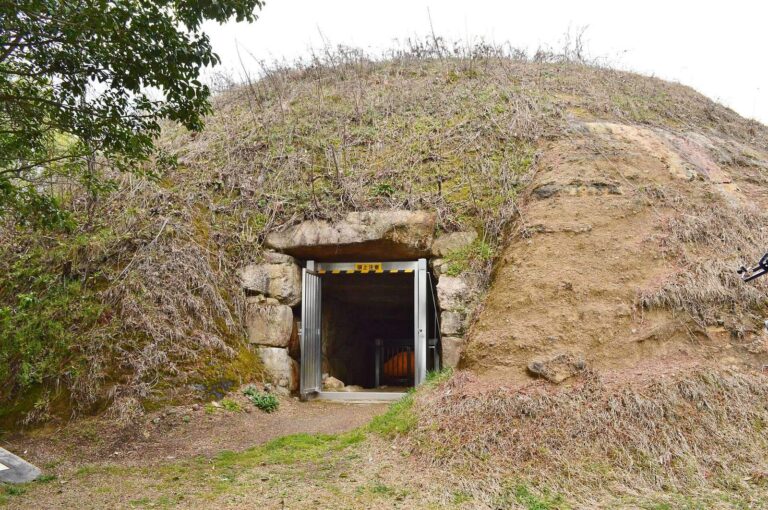
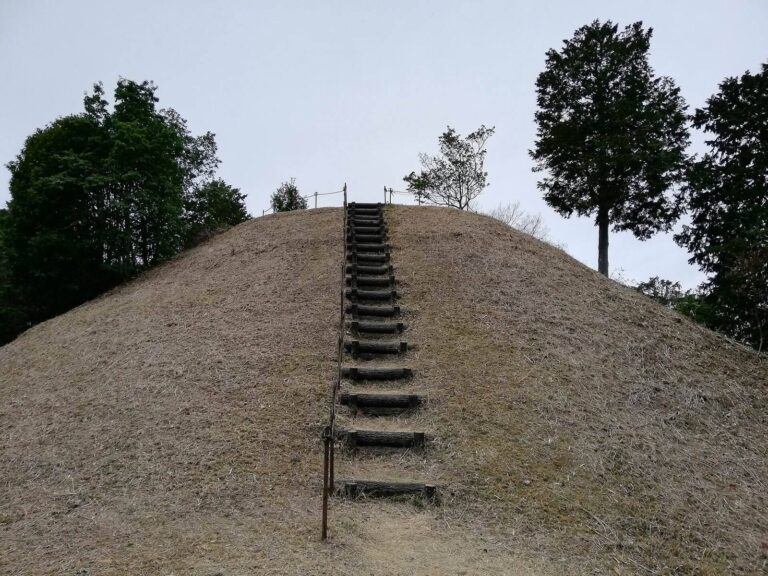
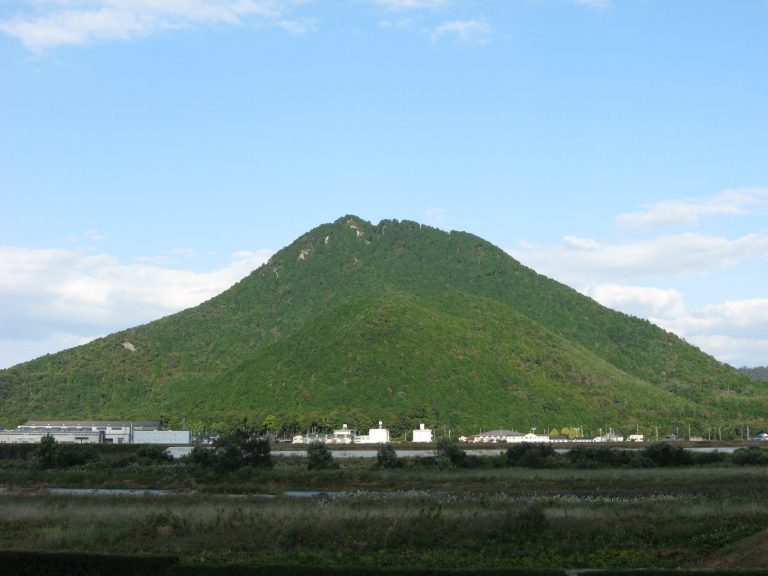
The 50-metre mound has a keyhole-shaped plan, with a circular rear section and a projecting front. It stands at the northern end of a ridge extending from a mountain on the right bank of the Yasu River in southern Shiga Prefecture. The projecting front faces north.
Burial chamber and finds
A small stone burial chamber lies in the projecting front. Its passage is arranged with a right-side offset and opens west. The chamber and passage together measure 4.3 metres; the burial chamber is 2.9 metres long and 1.0 metre wide, while the passage is 1.4 metres long. One ceiling stone survives above the passage. Finds from the mound fill include Haji ware, generally unglazed earthenware; Sue ware, high-fired pottery; and Korean-style pottery.