Tannberg Castle: A Medieval Family Seat and Passau Stronghold in Austria
Site at a Glance
- Popularity
- Very Low
- Country
- Austria
- Primary era
- Medieval
- Eras represented
- Medieval
- Civilizations
- Holy Roman Empire
- Site type
- Military
- Remains
- Castle
On this page6 sections
History
The Tannberg family
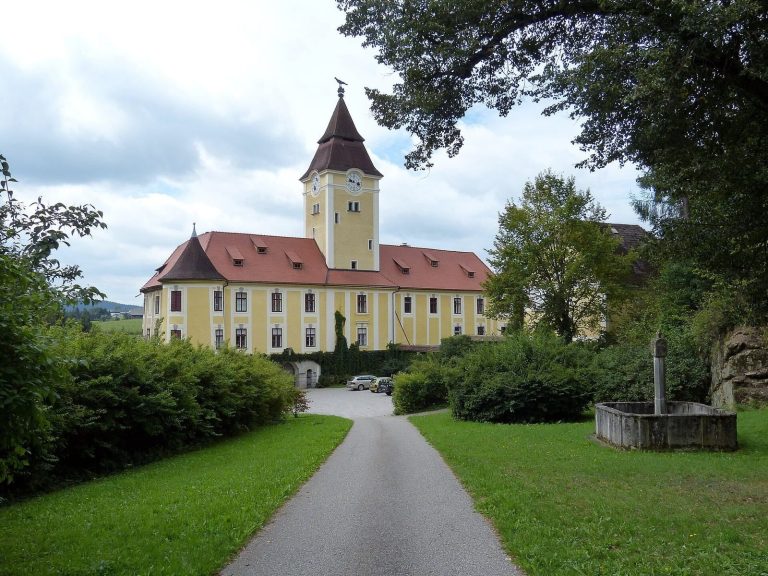
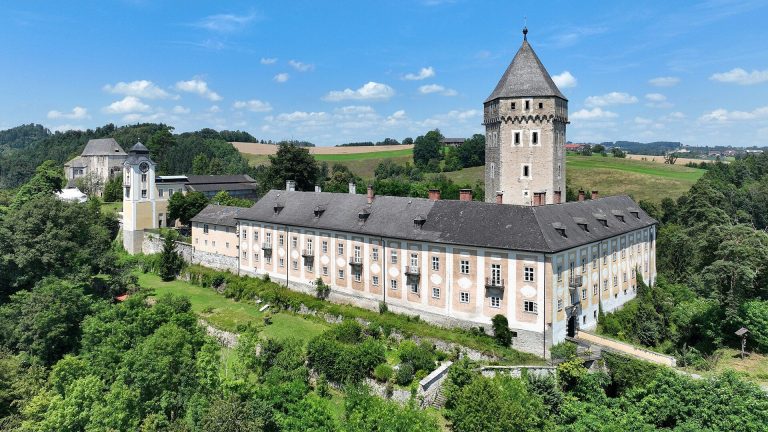
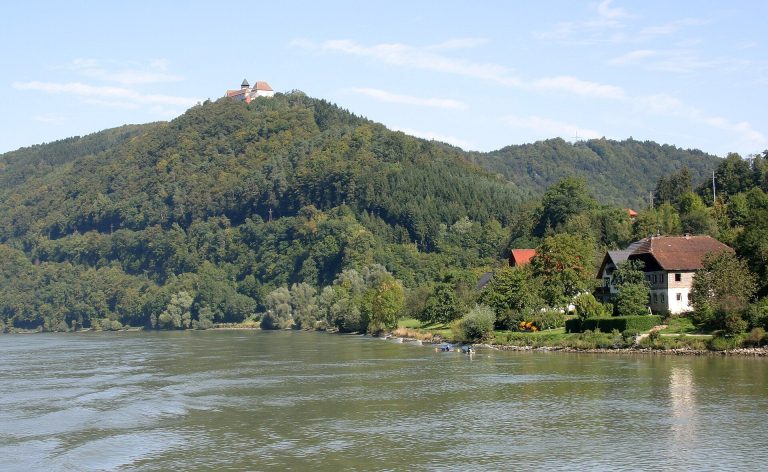
Tannberg Castle is a medieval hilltop castle in Tannberg, a locality of Hörbich in Upper Austria, Austria. It was probably built by Walter I of Tannberg in 1188, the year it first appears in written records. The castle became the Tannberg family’s seat and later served as a property administered by the Prince-Bishopric of Passau, a territory ruled by a bishop with both religious and secular authority.
The family’s probable ancestor, Sigibot Tannberg, served as a seneschal of Passau in the late 11th century. A seneschal managed a lord’s household or estates. In 1240, when Passau’s ministerials, dependent retainers of a territorial lord, rebelled against the bishop, Walter and Pilgrim of Tannberg supported him. Berthold of Tannberg is credited with the family’s coat of arms, a mountain with three peaks and a pointed central summit.
In 1281, Konrad of Tannberg and his brother-in-law Kalhoch of Falkenstein faced accusations of stirring up feuds and making roads unsafe from their castles. The Bavarian dukes and their feudal lord, Bishop Wichard of Passau, ordered them to compensate those harmed, threatening dishonour and death if they failed. A fief was land or a castle held under obligations to a lord. During a feud with Henry, Duke of Bavaria, in 1289, Albert I of Austria captured Tannberg and Falkenstein. The Tannberg family nevertheless continued to hold Tannberg as its fief seat.
In 1327, Kunrad of Tannberg pledged to serve King Frederick the Fair, a Habsburg ruler whose claim to the Roman-German kingship was contested, with his castle. The last Tannberg resident named the Bishop of Passau as heir to the castle and lordship in 1354, then died in 1356. His brother Gundacker already held Pürnstein as a fief in 1338.
Passau administration and decline
The bishops of Passau managed Tannberg through stewards, including Alber of Jagenreuter in 1390 and Heinrich the Mühlwanger in 1401. When money was short, they pledged the castle to others. Chunrad of Tannberg held it from 1366 to 1374, while Dankwart Herleinsperger received it in 1430 and again in 1443. After the pledges were redeemed, the bishops appointed stewards once more, including Achaz Premser. Wolf Herleinsperger was the last steward at the castle, in 1529.
That year, administration of Tannberg and Passau’s other possessions in the Mühlviertel, a region of Upper Austria, moved to Marsbach. With its administrative role ended, the castle fell into disrepair. By 1674 it was depicted as a ruin.
Remains
The castle stood at an elevation of 446 metres on a hilltop above the right bank of the Kleine Mühl. Its remains occupy upper and lower parts of the former complex, with deep defensive ditches along the landward side. The surviving buildings and wall sections show a mixture of medieval stonework and later conversion for agricultural and residential use.
Upper castle and defenses
The curtain wall survives in the upper castle, while rubble mounds and a few wall sections mark the former building area. Deep ditches protected the castle on its landward side. They appear in an engraving made in 1674 and are now partly filled in.
Lower castle and converted buildings
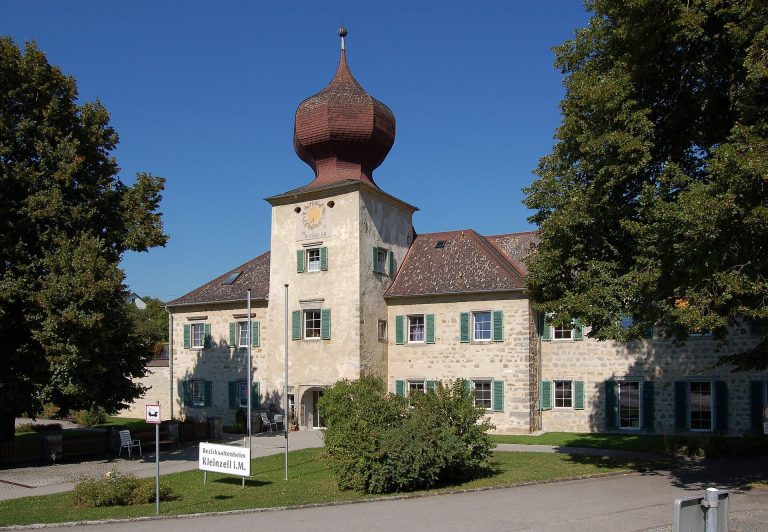
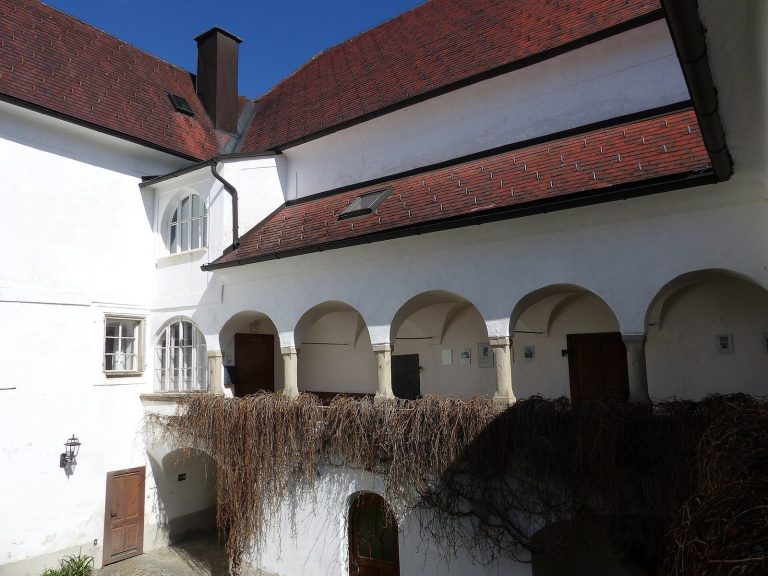
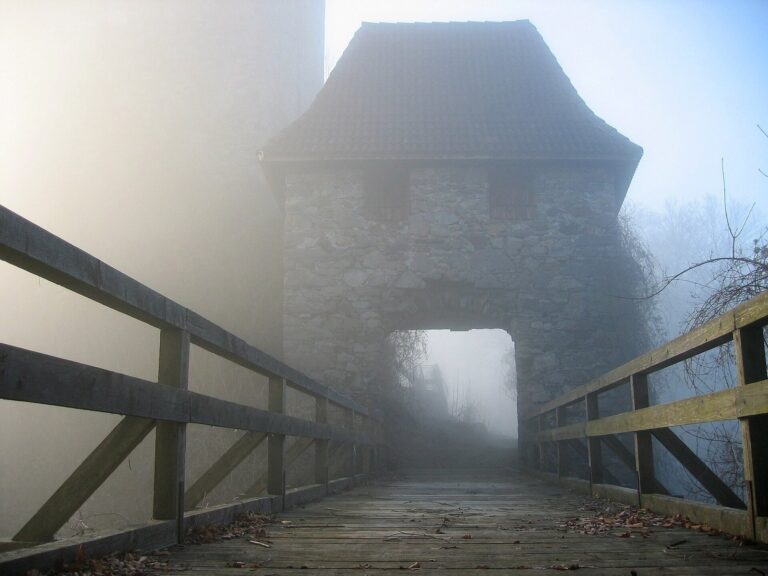
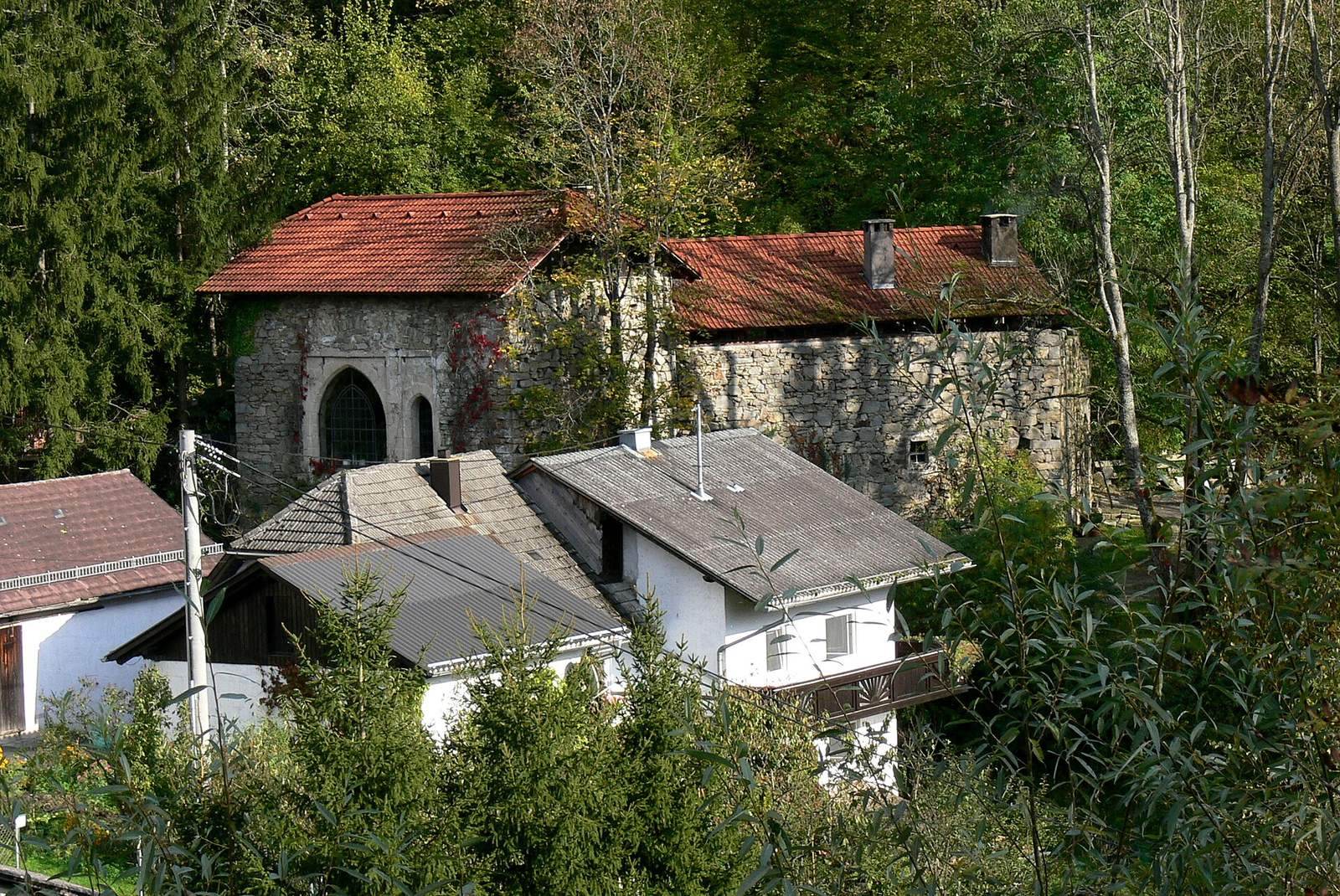
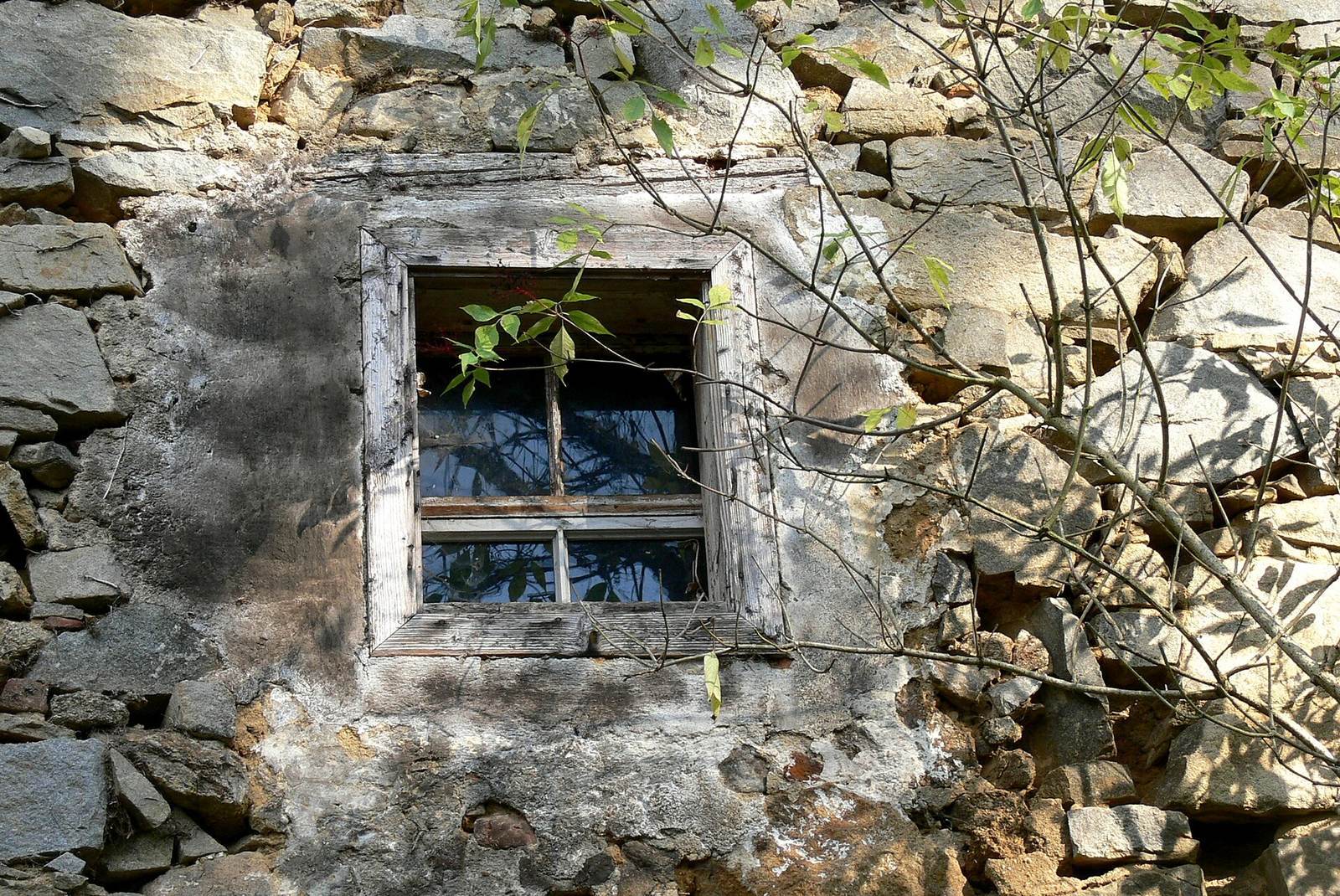
The lower castle, including its Gothic gatehouse, was converted into a residence. Former ancillary buildings, including the steward’s building and the lower tower, became part of a farmhouse. The steward’s building retains Gothic window frames and tall projecting supports. Cut-stone masonry remains on the tower’s side facing the Kleine Mühl.