Lutheran Church in Štítnik: A Medieval Gothic Church in Slovakia
Site at a Glance
- Popularity
- Medium
- Country
- Slovakia
- Primary era
- Medieval
- Eras represented
- Medieval, Early Modern
- Civilizations
- Hungarian
- Site type
- Religious
- Remains
- Church
On this page16 sections
History
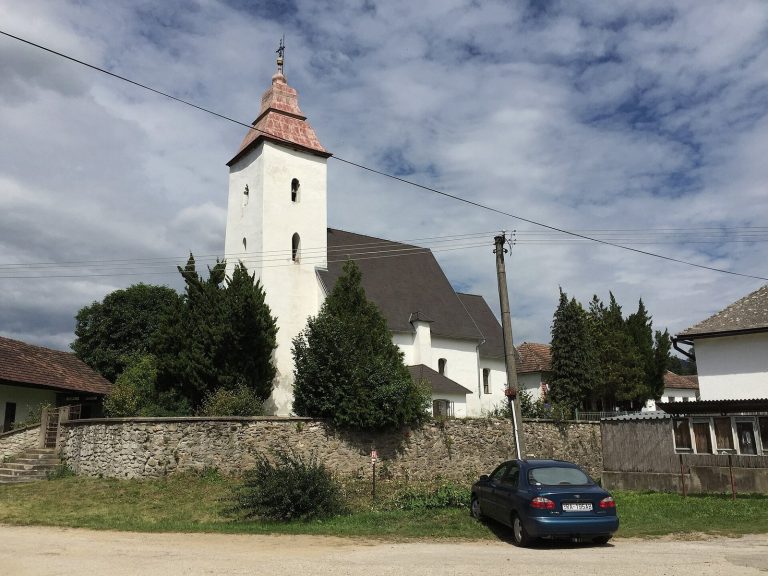
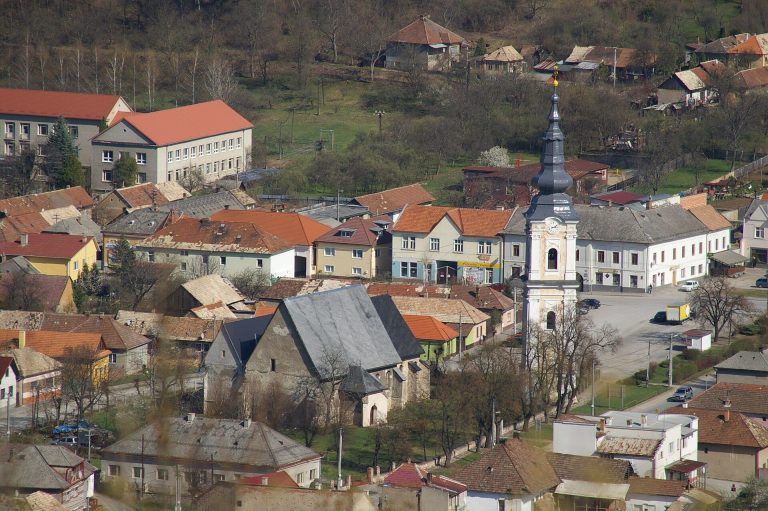
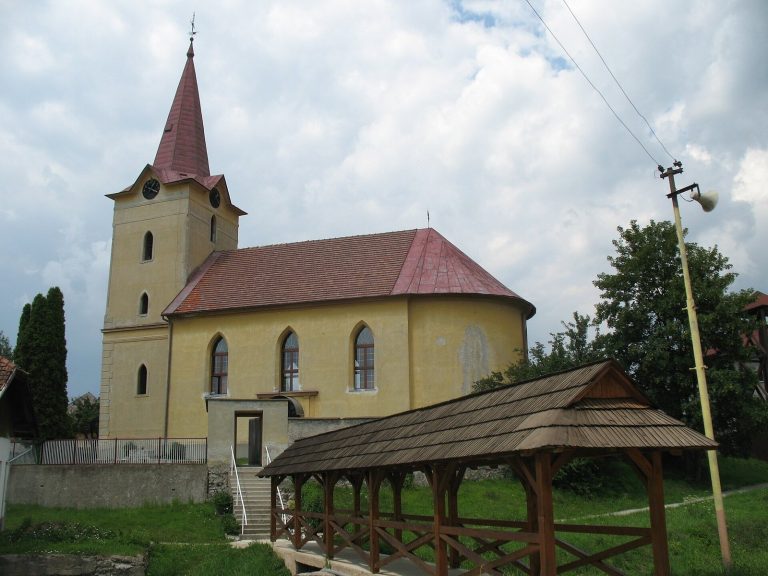
The Lutheran Church in Štítnik is a Gothic church in Slovakia, probably begun as a single-nave building in the first half of the 13th century. It was originally a Catholic church dedicated to the Virgin Mary and has served an Evangelical congregation since the Reformation, the 16th-century religious movement from which Lutheran churches emerged. The church is first mentioned in 1355, when a priest and parish are also noted. Its later development produced a three-aisled building notable for its Late Gothic architecture and medieval paintings.
Medieval development
By the late 14th century, the church had developed from its earlier single-nave form into a three-aisled structure. Building work continued in 1460, when the main and southern aisles were lengthened. Further alterations followed during the 14th, 15th, and 16th centuries.
Evangelical use and later history
From the mid-16th century, the Evangelical congregation used the church and covered its wall paintings with whitewash. Štefan Groh and Kornel Divald uncovered the paintings again in 1908–1909. Reconstruction of the church took place from 1896 to 1908.
The church serves the Štítnik congregation within the Evangelical Church of the Augsburg Confession, a Lutheran church body named for a foundational statement of Lutheran belief. Its Eastern District and Gemer seniorate are regional levels of that organization. Evangelical bishops formerly made their residence in Štítnik for more than 60 years.
The church was declared a national cultural monument on 24 April 1970. In 2021, it became part of the group Medieval Wall Paintings in the Regions of Gemer and Malohont, one of twelve churches in a group awarded the European Heritage Label, an EU designation recognizing sites connected with European history and culture.
Remains
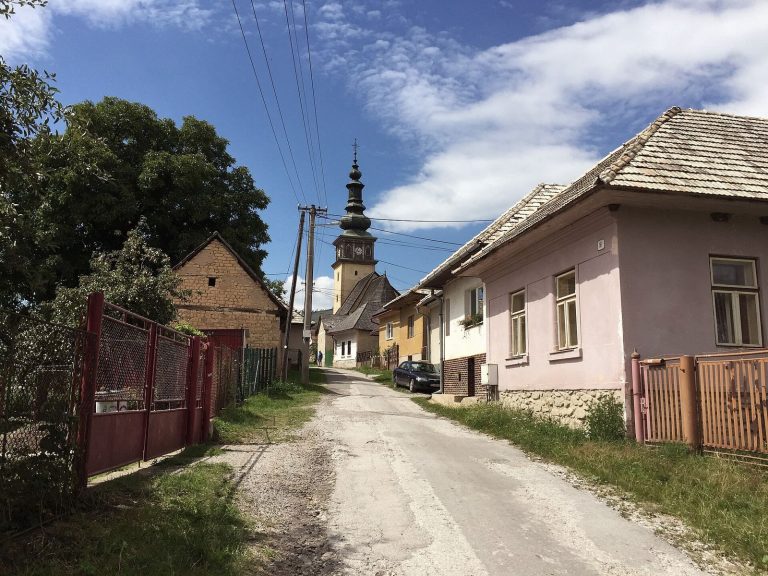
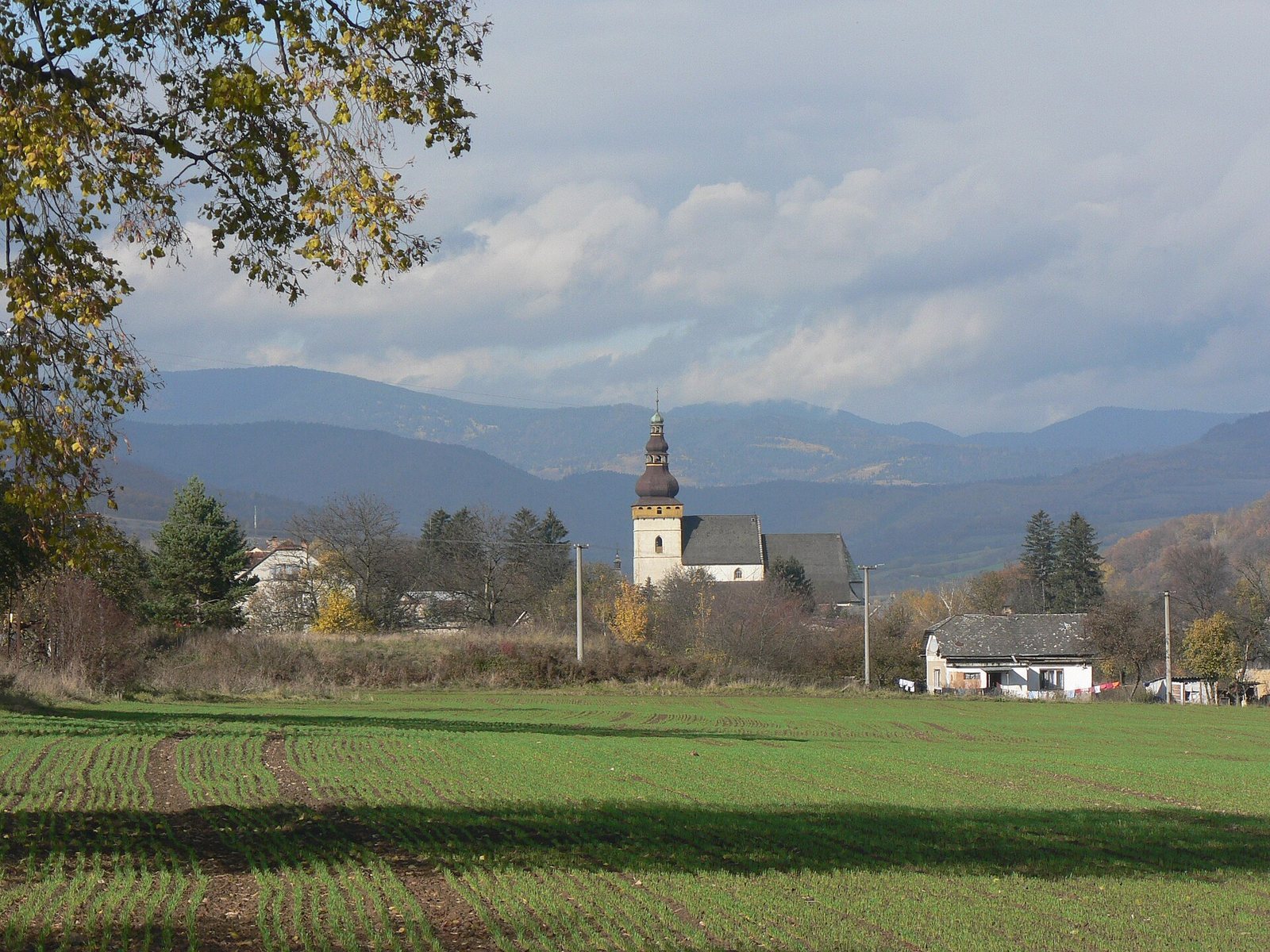
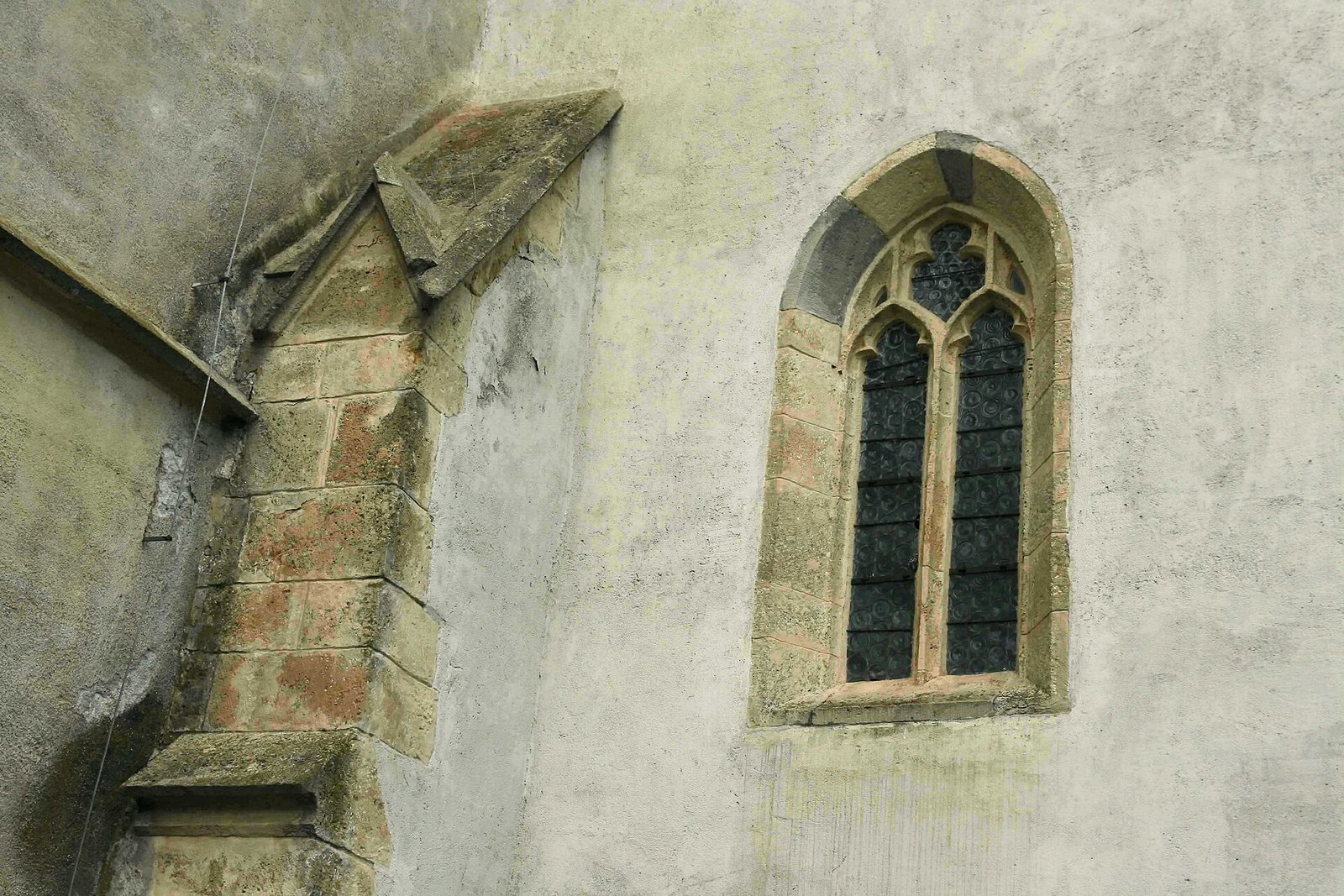
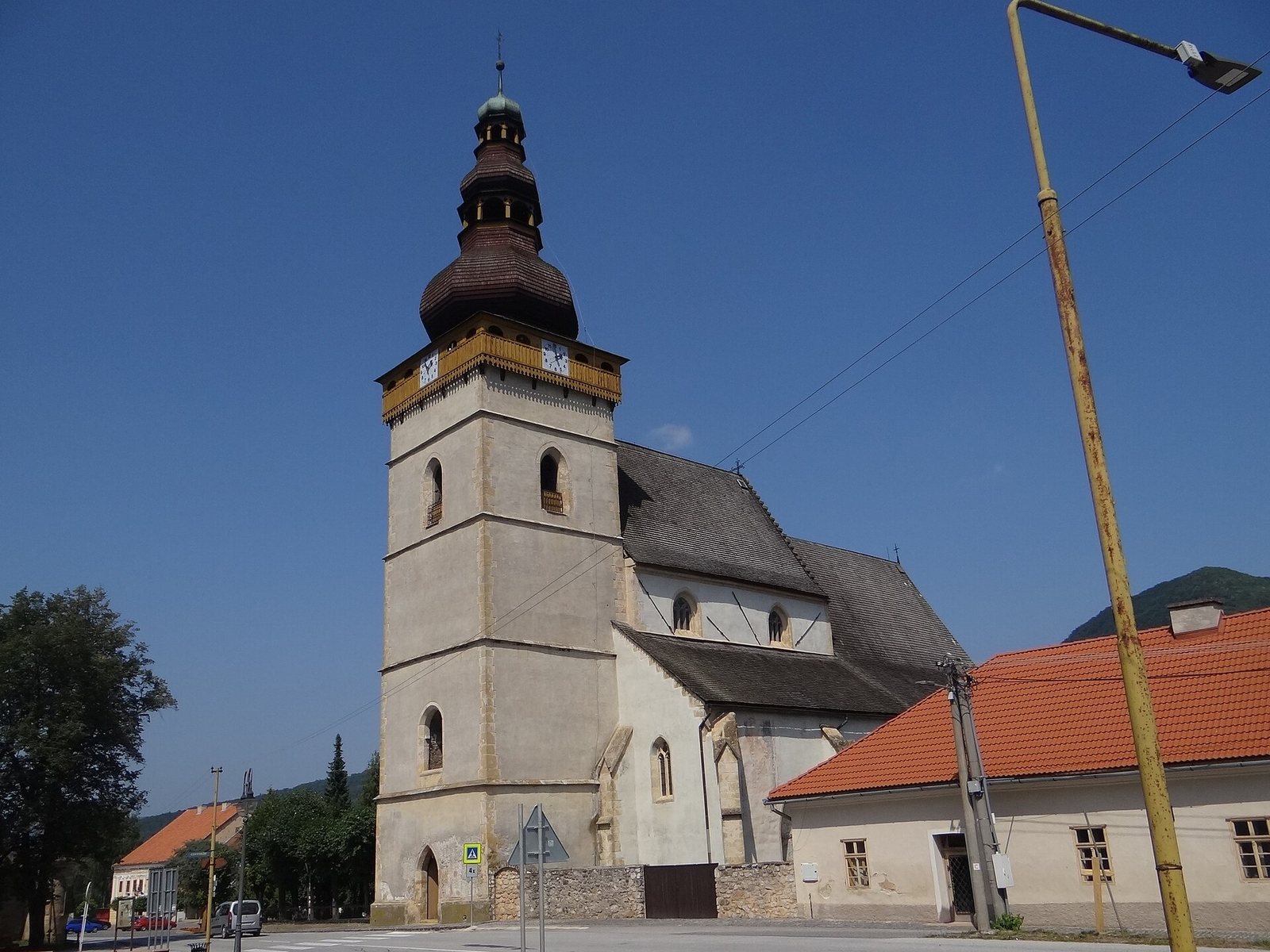
The church measures 63 m long and 34.5 m wide, with a stated capacity of 250 people. Its three-aisled basilican plan has a central aisle flanked by side aisles, covered by vaults with star-shaped and net-like rib patterns. The building combines Gothic and Late Gothic features, while its large western tower is a landmark in the Štítnik valley.
Structural layout
Aisles and sacristy
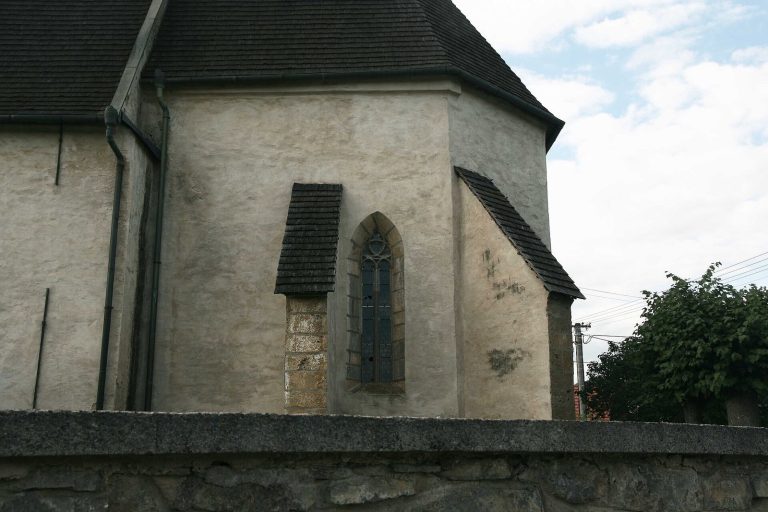
The main and southern aisles end in many-sided forms. The northern aisle remained unfinished in later building campaigns. The sacristy, a room for preparing worship and keeping religious objects, is the oldest surviving part of the church. Dating to the second third of the 14th century, it is also the building’s highest part. The earliest single-nave church probably stood on the site now occupied by the sacristy.
West tower
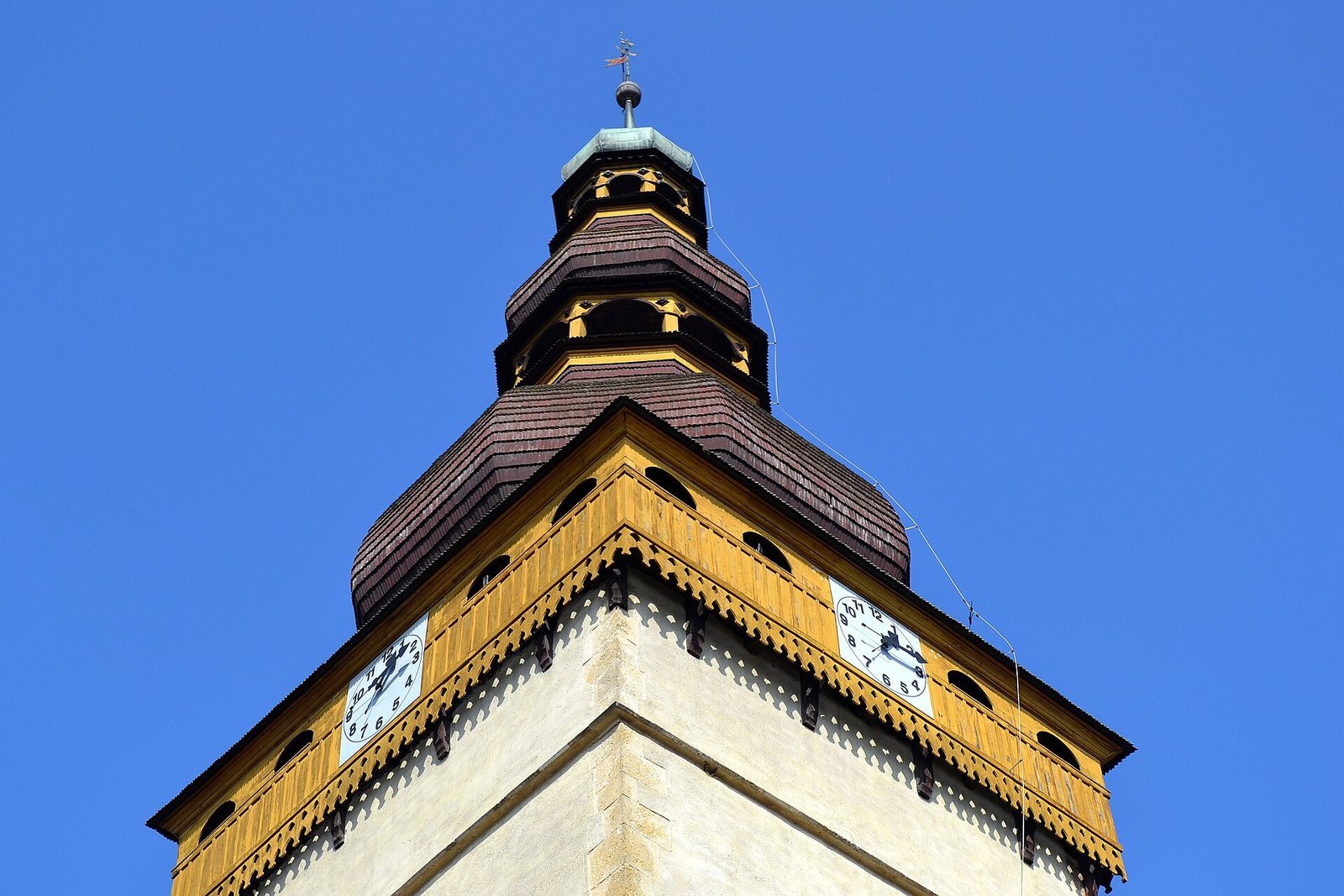
The tower stands at the church’s west end. Its ground floor has a Late Gothic vault with intersecting ribs. When the tower was raised in 1740, builders added a wooden upper structure and a wooden roof with a Baroque shape.
Paintings and organs
Wall paintings
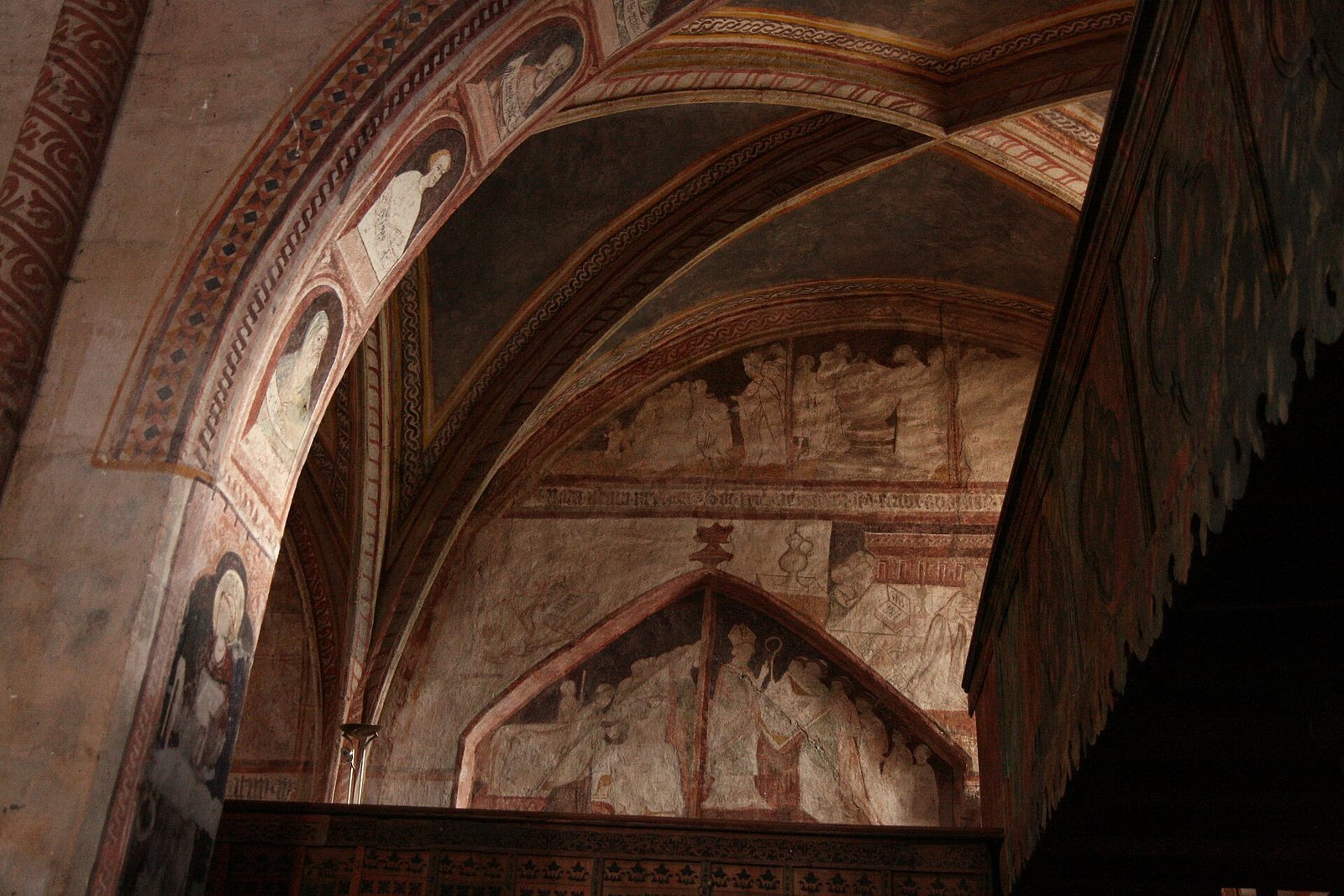
More than 200 m² of wall paintings survive in parts of the church. They were made using both fresco, painting on wet plaster, and secco, painting on dry plaster. In some places, paintings survive in two layers, and occasionally in three. The earliest group, from the last third of the 14th century, follows Italian models. Paintings from the last third of the 15th century and the beginning of the 16th century reflect German and Czech styles. They include religious cycles, apostles and saints, as well as scenes of work and images of tools.
Organs and gallery
A small stone gallery for an organ was built in the early 16th century. The small choir organ, dated 1492, is a six-register positive, a small organ whose registers select different sets of pipes. It has a Renaissance case and is described as the oldest organ in Slovakia. A larger organ dates to 1723. Its lower instrument was originally a mechanical, two-keyboard organ; in the early 21st century, a two-keyboard pneumatic instrument, operated by air pressure, was installed in its original Baroque case.
Altars, fittings, and memorials
Main altar
The double-winged main altar dates to 1636 and is in the Saxon style. Its painted scenes include the Nativity, the Annunciation, the Adoration of the Three Kings, the Flagellation, the Crucifixion, the Resurrection, the Ascension, the Holy Trinity, and the Last Supper. The paintings are attributed to Hans von Aachen, a late Renaissance painter active in Central Europe. Gabriel Bakoš and his wife, Mária Bornemisza, donated the altar.
Pulpit
The Early Baroque pulpit dates to 1693. Sculptures of the four Evangelists surround a central figure of Christ as Savior of the World. Two paintings on the stair parapet show the Ascension and Christ in the Garden of Gethsemane.
Baptismal font
A Gothic bronze baptismal font dated 1454 was made in the workshop of Master Ján of Spišská Sobota.
Benches
The church’s benches date from the 16th to the 18th centuries. Seating was allocated according to social status, and some benches carried symbols such as guild emblems. Benches in the altar area were reserved for the town council and date to 1510. Most of the seating is from the 17th to early 18th century. Two enclosed Baroque pews made for noblewomen date to the 18th century and belonged to the Sontág family; latticed windows partly screened them. A richly decorated bench near the pulpit entrance was used by former Evangelical bishops.
Epitaphs and burial memorials
Fourteen wooden epitaphs, or memorials to the dead, are in Renaissance-Baroque and Early Baroque styles. Other decorative objects include embroideries and chalices. Among the stone grave slabs are one for Štefan Csetneky, described as the last member of the Bebek family, a Hungarian noble family, and one for Klára Bebek, made of polished red marble. Seven further stones belong to prominent Štítnik families whose members were buried in the crypt, a burial chamber beneath the altar. The church also contains a burial chapel associated with the lords of Štítnik, the Csetneky family.