Tajihayahime Shrine: A Shikinaisha Shrine in Sakai, Japan


Site at a Glance
- Rating
- 4.3
- Popularity
- Low
- Country
- Japan
- Primary era
- Medieval
- External website
- Open
- Eras represented
- Medieval
- Civilizations
- Ashikaga shogunate
- Site type
- Religious
- Remains
- Sanctuary
On this page7 sections
History
Tajihayahime Shrine is a Japanese Shikinaisha shrine in Sakai, Japan, traditionally founded during the reign of Emperor Senka around AD 530. A Shikinaisha was a shrine listed in the Engishiki, a tenth-century compilation of administrative rules and officially recognized shrines, making Tajihayahime part of the recorded religious landscape of ancient Izumi Province.
Early religious history
The shrine appears in the Engishiki Jinmyocho as one of the 24 shrines of Otori District in Izumi Province. It was also known as Kozen-no-miya and historically coexisted with Sofukuji, a Buddhist temple established to serve the shrine. This arrangement, called a jinguji, reflected the former institutional partnership between Buddhism and worship of the kami, or Japanese sacred beings.
The relationship with Sofukuji continued until the early Meiji period, when the government’s separation of Shinto and Buddhism ended the jinguji system. Tajihayahime Shrine remained after the separation and was later designated a village shrine. The shrine and its thirteen subsidiary shrines are collectively known as Arayama-no-miya.
Modern transformation
In 1963, most of the shrine estate was sold during the development of Senboku New Town. Housing and Arayama Park were subsequently created on land that had belonged to the shrine, while the remaining precinct was reorganized. This process included major rebuilding of the worship hall and the parishioners’ assembly hall. The main sanctuary, a Muromachi-period building, is designated an Important Cultural Property of Japan.
The shrine also preserves a connection with Suzuki Kantarō, Japan’s forty-second prime minister and a former naval vice admiral. He visited Tajihayahime while serving as a commander and later attributed his survival to the principal deity after he was seriously wounded during the February 26 Incident, a failed military coup in Tokyo in 1936. He returned the following January with his wife, Taka, to celebrate his recovery. After the Second World War, the precinct was considered as a possible location for a shrine dedicated to Suzuki.
The annual festival is held on the Sunday closest to October 5. Suzuki’s association with the shrine is also preserved through a large plaque in the parishioners’ assembly hall, bearing his inscription, “Reverence for the gods and veneration of the ancestors.”
Remains
Main shrine buildings
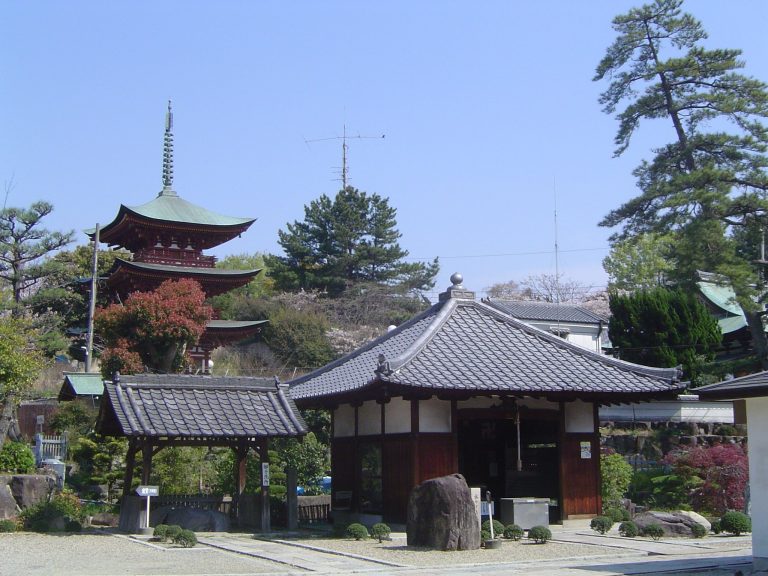
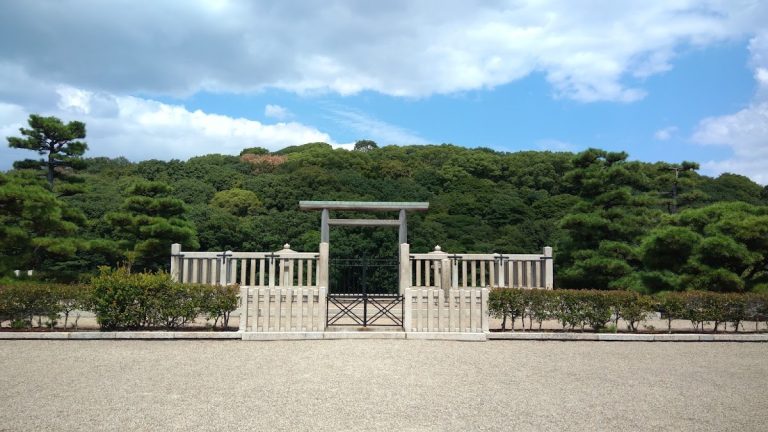
The principal surviving building is the main sanctuary, a three-bay structure from the Muromachi period. It has an irimoya roof, a form combining a central gable with hipped sections. The precinct also contains a torii and a worship hall. Arayama Park surrounds the shrine area, while housing and parkland occupy portions of the former estate.
Subsidiary shrines
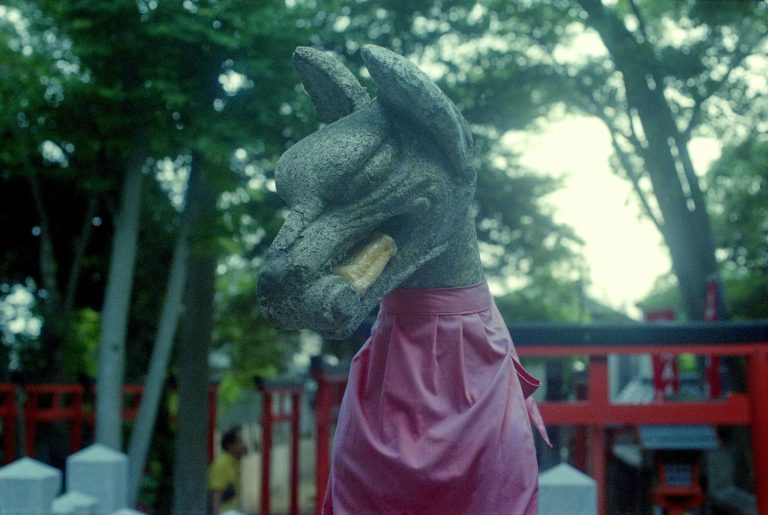
Thirteen subsidiary shrines form the group associated with Arayama-no-miya. They include Sakanoue Shrine and Kamoda Shrine, both identified as Shikinaisha shrines, as well as Okami, Sumiyoshi, Amaterasu, Hachiman, Kasuga, Kumano, Hakusan, Benten, Inari, Fukuishi, and Suitengu shrines. At Inari Shrine, a stone donated by Suzuki Kantarō remains from the 1923 reconstruction of its sanctuary and construction of the surrounding fence.
Poet plaques and commemorative objects
The parishioners’ assembly hall displays the large plaque bearing Suzuki’s inscription. It also preserves the shrine’s connection with the Thirty-Six Immortal Poets plaques, a set transferred in 1910 from Sakanoue Shrine in Hirai. The original set contained 36 panels, of which approximately half survive. The reverse of the panel depicting Nakatsukasa names the artist as Sekigetsu Shitomi and gives him the Buddhist ecclesiastical rank of Hokkyo, an honorific also awarded to artists and other specialists.