Dotō: An Earthen Buddhist Stupa at Ōno-ji in Japan
Site at a Glance
- Popularity
- High
- Country
- Japan
- Primary era
- Classical
- Eras represented
- Classical
- Civilizations
- Unclassified
- Site type
- Religious
- Remains
- Stupa
On this page13 sections
History
Dotō, also called Ōno-ji Dotō, is an earthen stupa, a Buddhist monument associated with relics and devotion, within Ōno-ji in Japan. The Gyōki Nenpu, a biographical chronicle compiled in 1175, says Gyōki, a prominent Buddhist priest of the eighth century, founded Ōno-ji and an associated nunnery in 727 and began the stupa under his direction. Ōno-ji was counted among 49 temples attributed to Gyōki. Finds from Dotō are considered evidence of his activities and of Buddhism’s spread among communities that supported them.
Temple and religious use
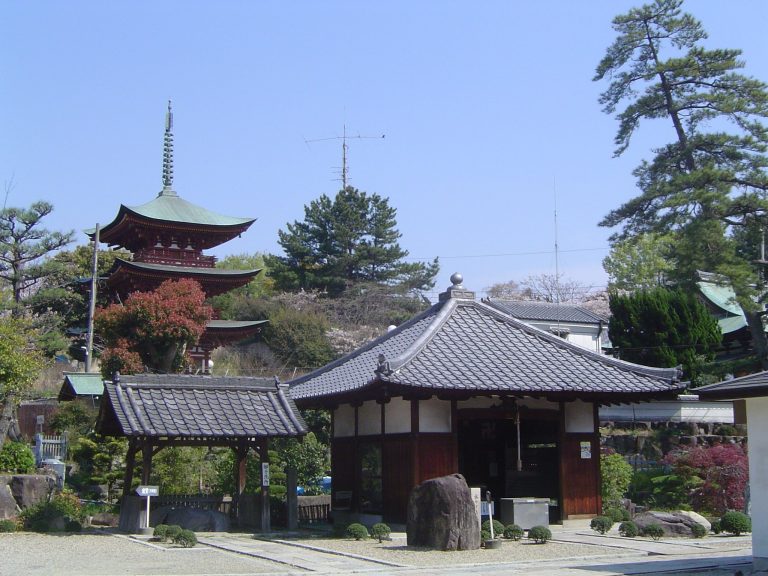
Fire destroyed Ōno-ji during the Muromachi period, broadly the late twelfth through sixteenth centuries, and the temple ceased operating. It was revived during the Edo period, from the seventeenth through nineteenth centuries, on ground in front of the stupa. The present temple belongs to Shingon, a school of Japanese esoteric Buddhism.
Identification and protection
Inscribed roof tiles from Dotō became known in the early twentieth century, and examples were published in 1914. The mound was initially considered a possible ancient burial mound. Soil extraction began on the privately owned site around autumn 1946 and damaged about a quarter of its northeast side. An emergency investigation in 1952 identified the mound as a Buddhist monument rather than a burial mound and recovered 90 inscribed tiles from its surface.
After purchasing the mound and surrounding land, the prefecture designated Dotō a National Historic Site in 1953. Excavations took place from 1997 to 2003 alongside improvements to the park, streets, and historic site. Restoration and landscaping followed from 2004 through December 2008; the protected area was enlarged in 2005 from 3,438 to 4,542.9 square metres. In 2016, finds from Dotō were designated collectively as an Important Cultural Property.
Remains
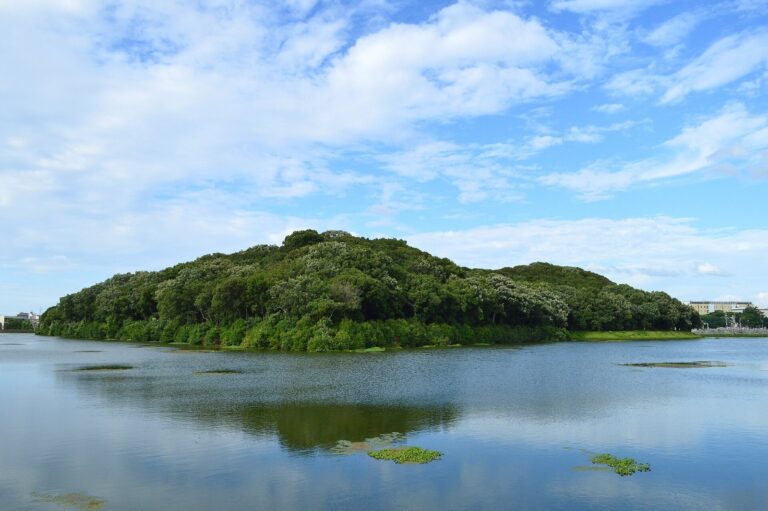
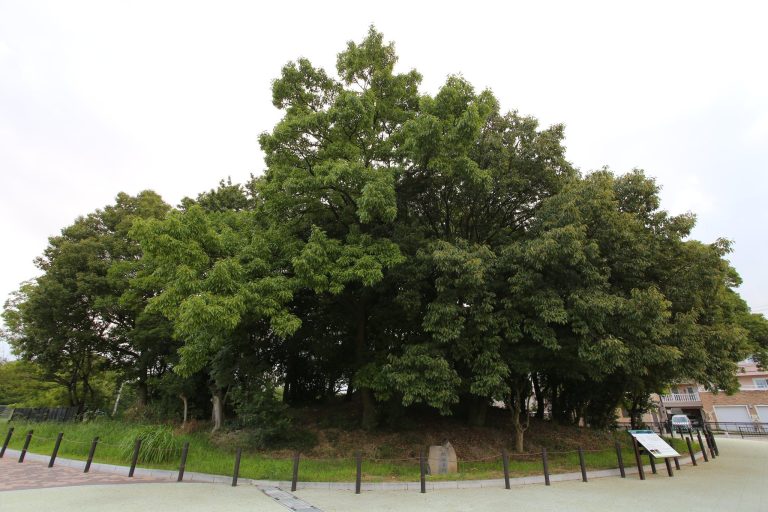
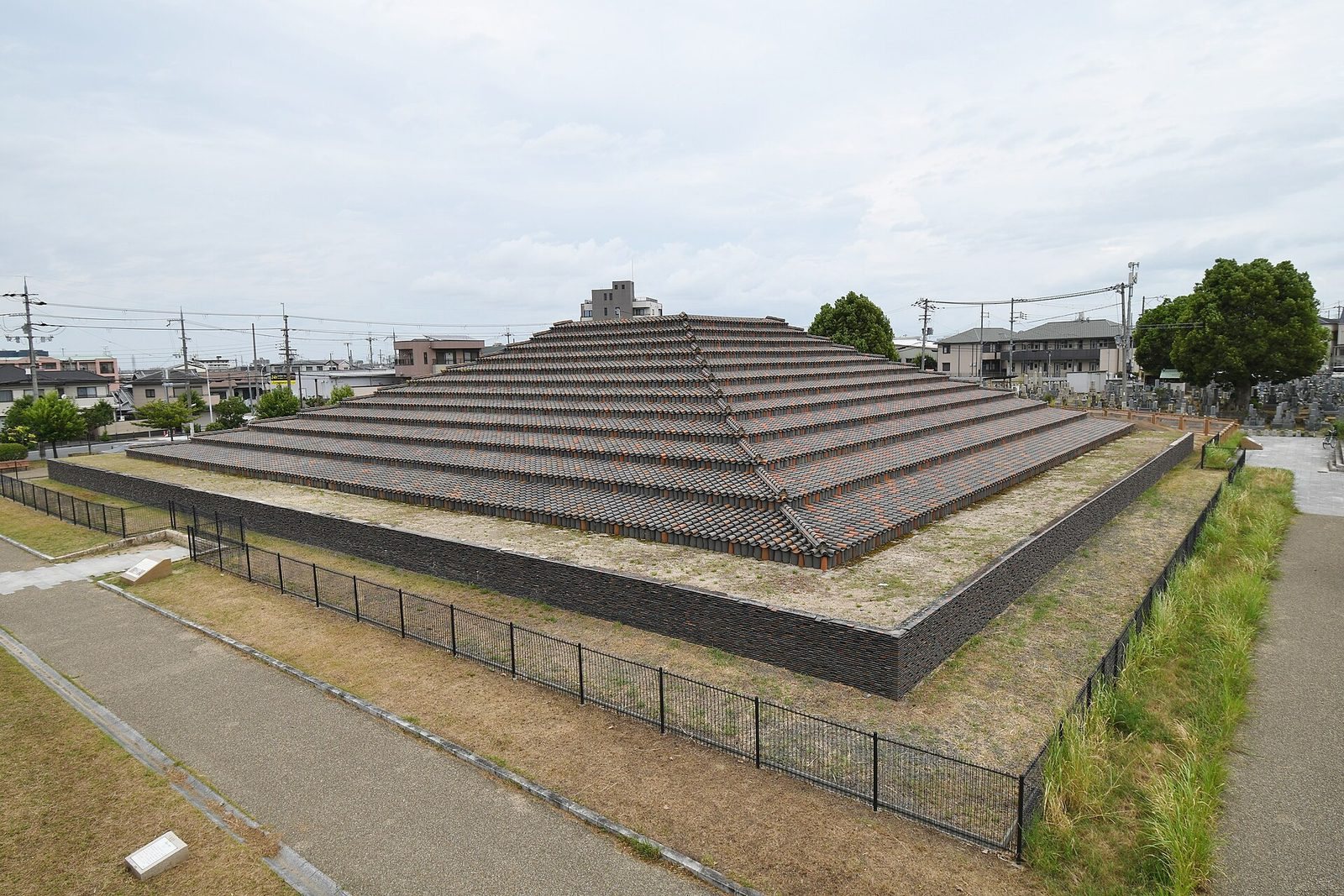
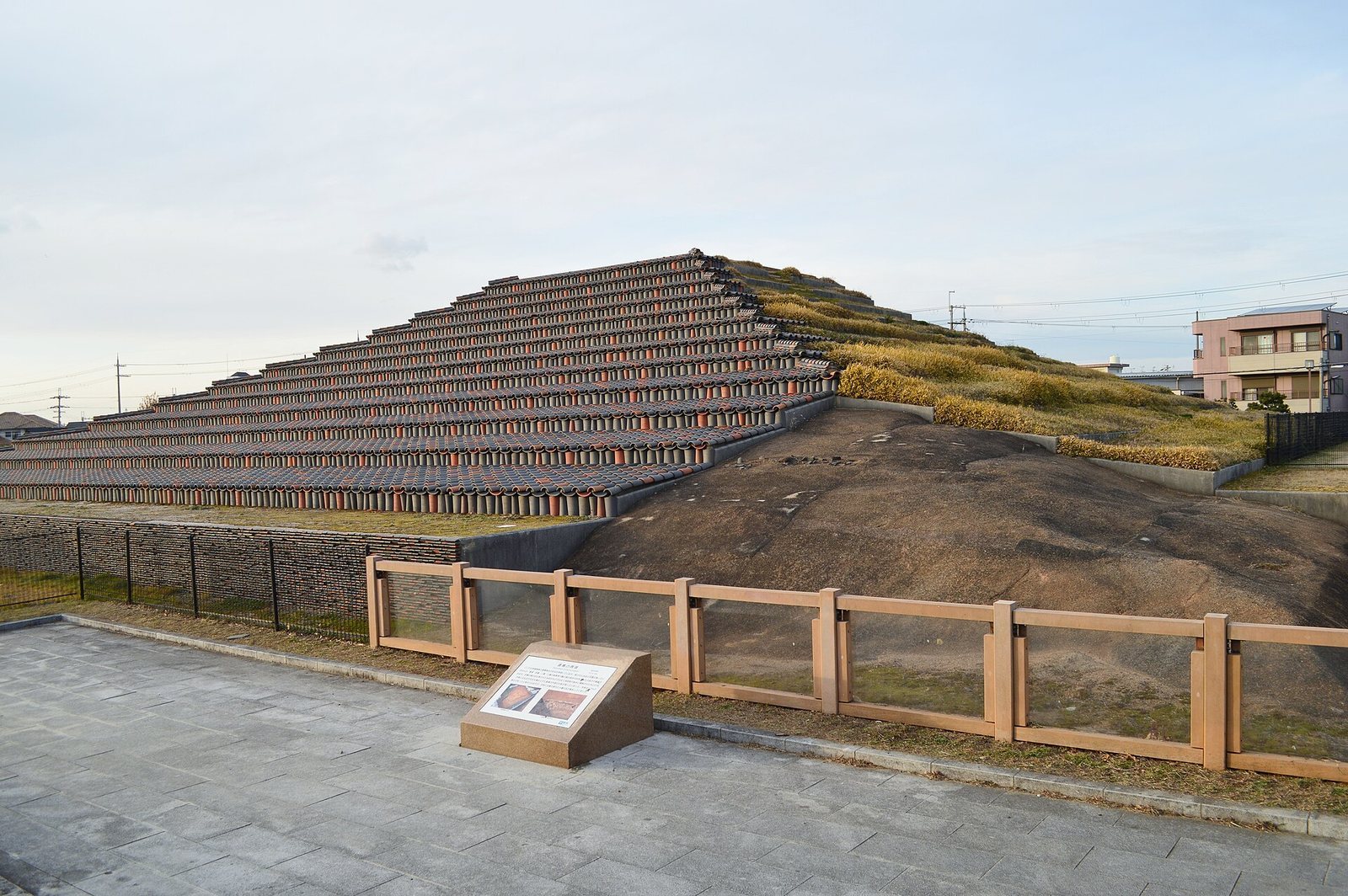
The site is centered on a square earthen mound formed as a stepped pyramid with 13 tiers aligned to the cardinal directions. The present temple compound and remains of the former precinct are also part of the site.
The stupa
Setting and construction
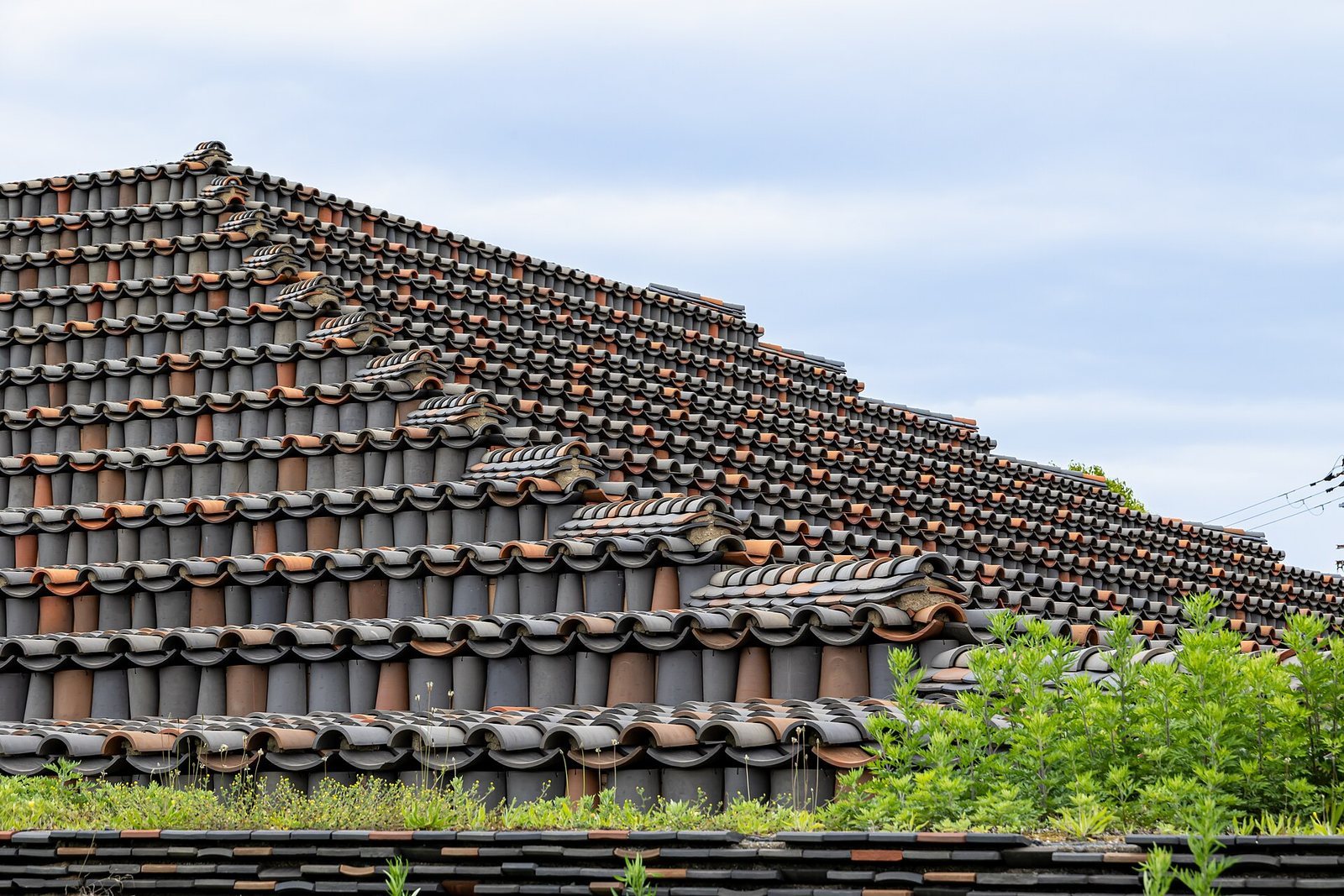
The mound measures about 53 metres on each side and rises approximately 9 metres. It stands on a terrace around 50 metres above sea level, where the Izumi Hills slope west toward the sea. The ridge turns from east to north at this point, which has good visibility to the south, though access to water was poor. Clay blocks were set side by side, with the gaps packed with earth; about 60,000 roof tiles covered the exposed tier faces. The stepped form has been compared with early Indian Buddhist stupas and towers in Southeast Asia. The Zutō, another earthen Buddhist monument in Nara, is a Japanese structural parallel.
Restoration and reconstruction
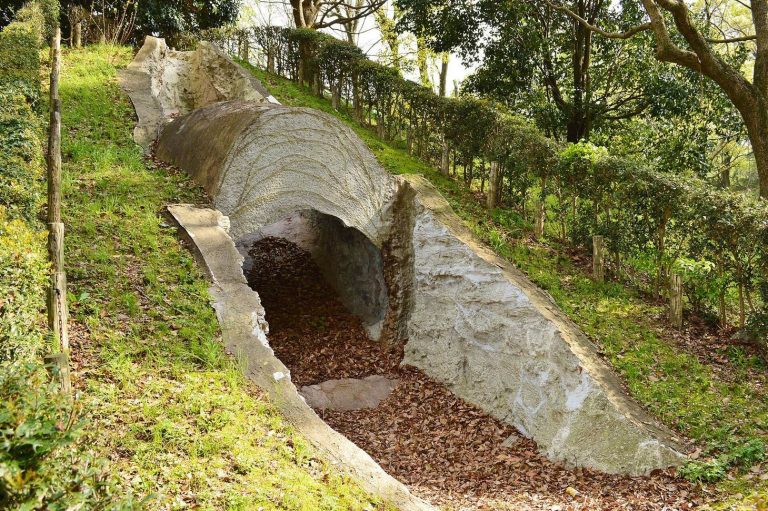
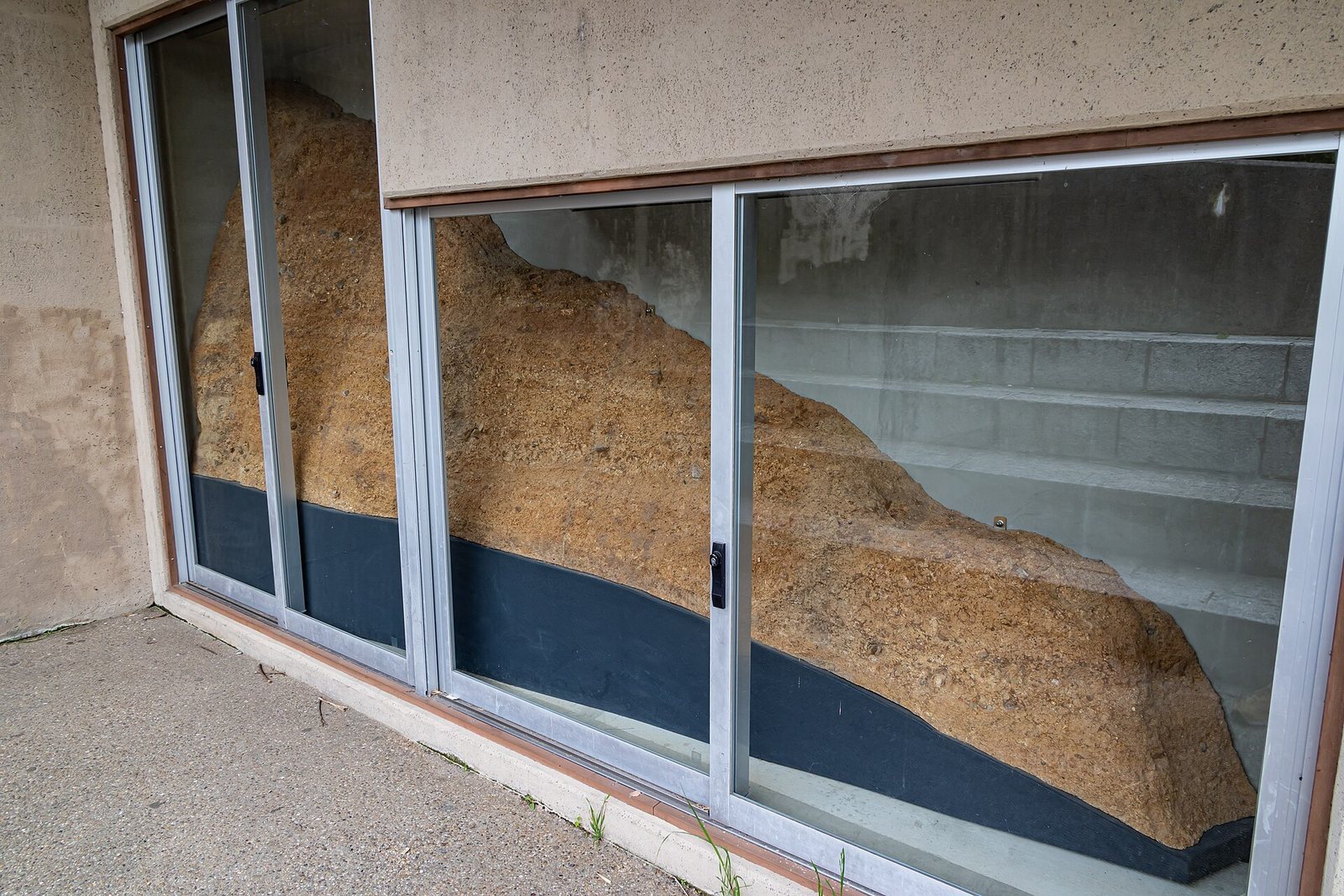
The west and south faces were tiled during restoration in line with excavation findings. An exposed portion of the mound can be seen at its southeast corner, while a cross-section is displayed along the collapse boundary in the north-central area. A reconstruction model north of the mound depicts an octagonal building on the top tier. Its form was reconstructed with reference to the Dream Hall at Hōryū-ji, the Octagonal Hall at Eizan-ji, and the five-story pagoda at Muro-ji.
Ōno-ji precinct
Present compound and former grounds
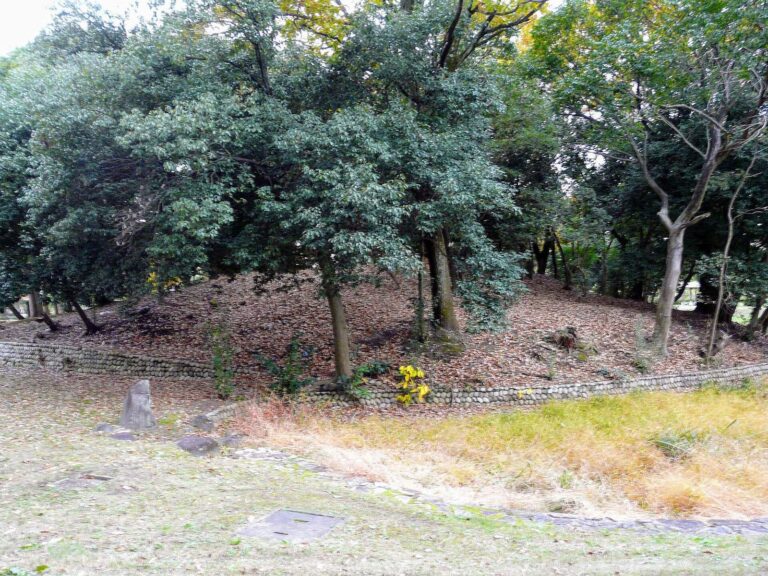
The present Ōno-ji compound consists of a gate, main hall, and priests’ quarters, and is much smaller than the original temple precinct. Its main hall dates to the middle of the Edo period. Foundation stones remain in the compound, and Daimon Pond lies beside the former precinct. The scale of these remains has been taken to indicate that the original temple was large.
Historical depictions
A medieval illustrated biography of Gyōki, held at Ebara-ji, depicts the stupa beside Ōno-ji’s main hall and gate. It shows a tower with a roof-top base and a jewel finial. A map of Haji village dated 1748 also depicts the stupa among the temple’s buildings.
Tiles and excavated finds
Inscriptions
About 1,300 inscribed tiles have been excavated. Their inscriptions, made with spatula-shaped tools, include names of monks, members of the gentry, and commoners. These people are thought to have donated tiles as votive offerings, objects dedicated for religious purposes. Some inscriptions give Jinki 4, using an eighth-century Japanese era name for a date corresponding to 727.
Finds held at Sakai City Museum
The finds include 780 inscribed roof tiles, two fragments of round eaves-end tiles, four inscribed fragments of Sue ware, a high-fired Japanese stoneware, two coin fragments, and 294 additional inscribed roof-tile fragments. The eaves-end pieces bear a molded date corresponding to 727. The finds are kept at Sakai City Museum.