Taishi Kofun: A Decorated Burial Mound in Ibaraki, Japan
Site at a Glance
- Popularity
- Very Low
- Country
- Japan
- Primary era
- Medieval
- Eras represented
- Medieval
- Civilizations
- Yamato
- Site type
- Burial
- Remains
- Burial Mound
On this page6 sections
History
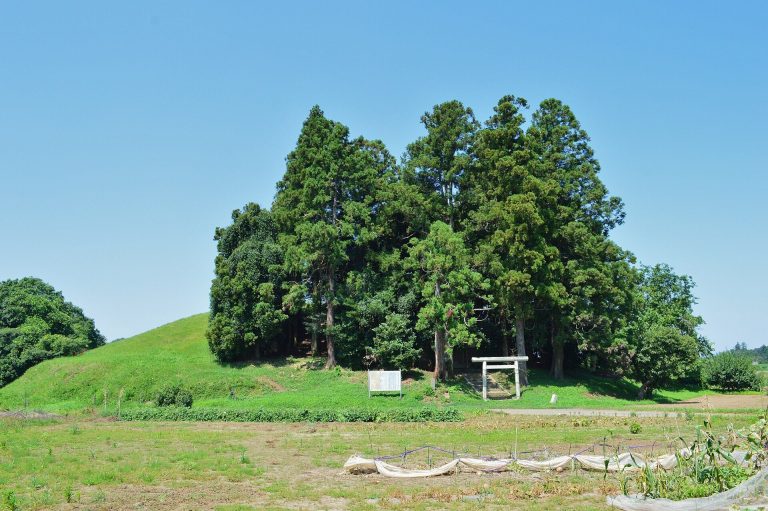
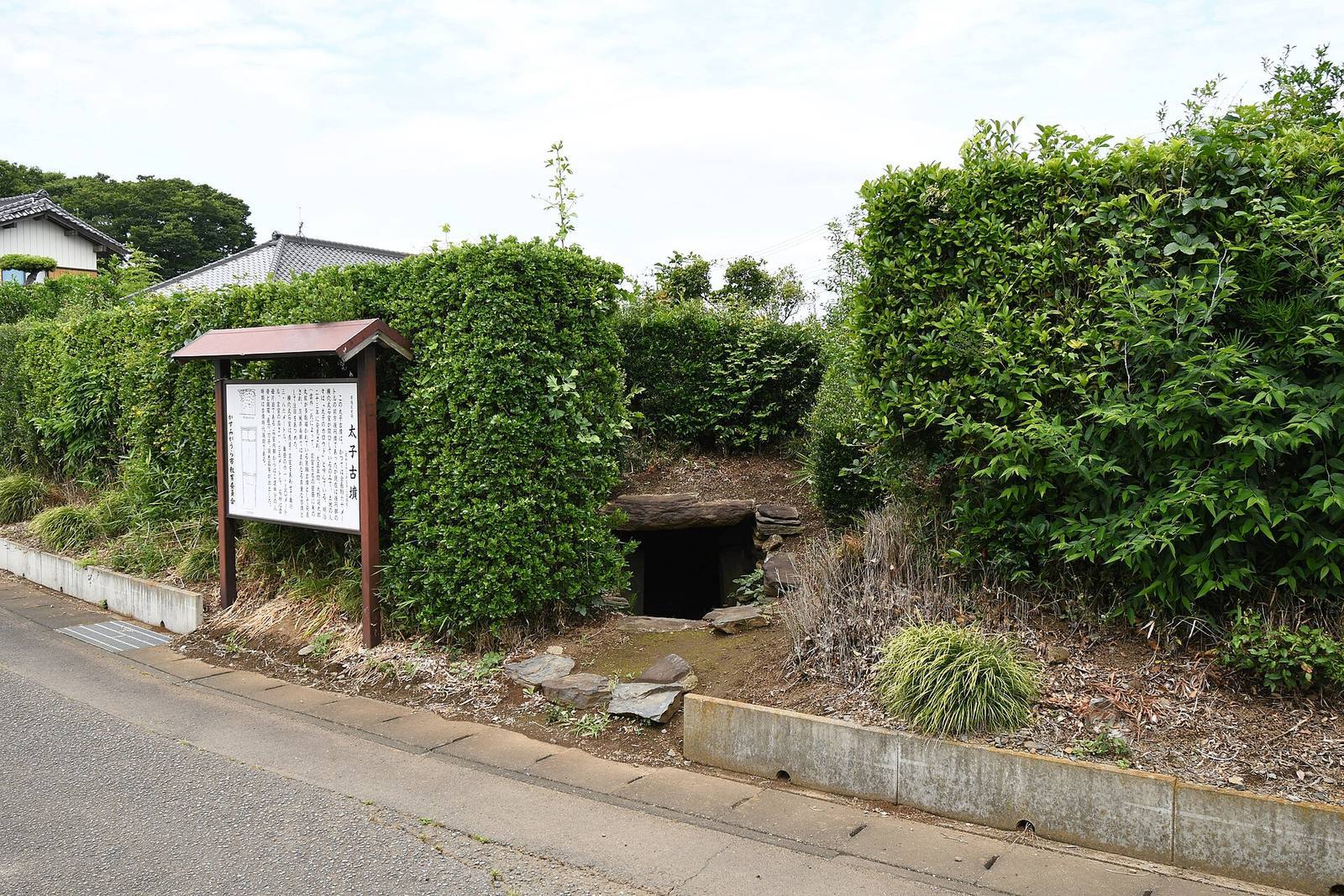
Taishi Kofun is a burial mound in Anjiki, Kasumigaura, Ibaraki Prefecture, Japan. It is thought to have been built in the first half of the seventh century, during the final phase of the Kofun period, an era associated with the construction of large burial mounds.
Land clearing exposed the burial chamber in 1890. The tomb was discussed in 1895 and identified as a decorated tomb the following year. On May 2, 1977, Ibaraki Prefecture designated Taishi Kofun a prefectural historic site.
Remains
Site layout
Mound
The kofun stood on a plateau between a lake and a river in south-central Ibaraki Prefecture. Land clearing removed its mound, which is thought to have measured about 60 metres in length. Its plan may have been keyhole-shaped, with a rounded section joined to a projecting rectangular section.
Burial chamber
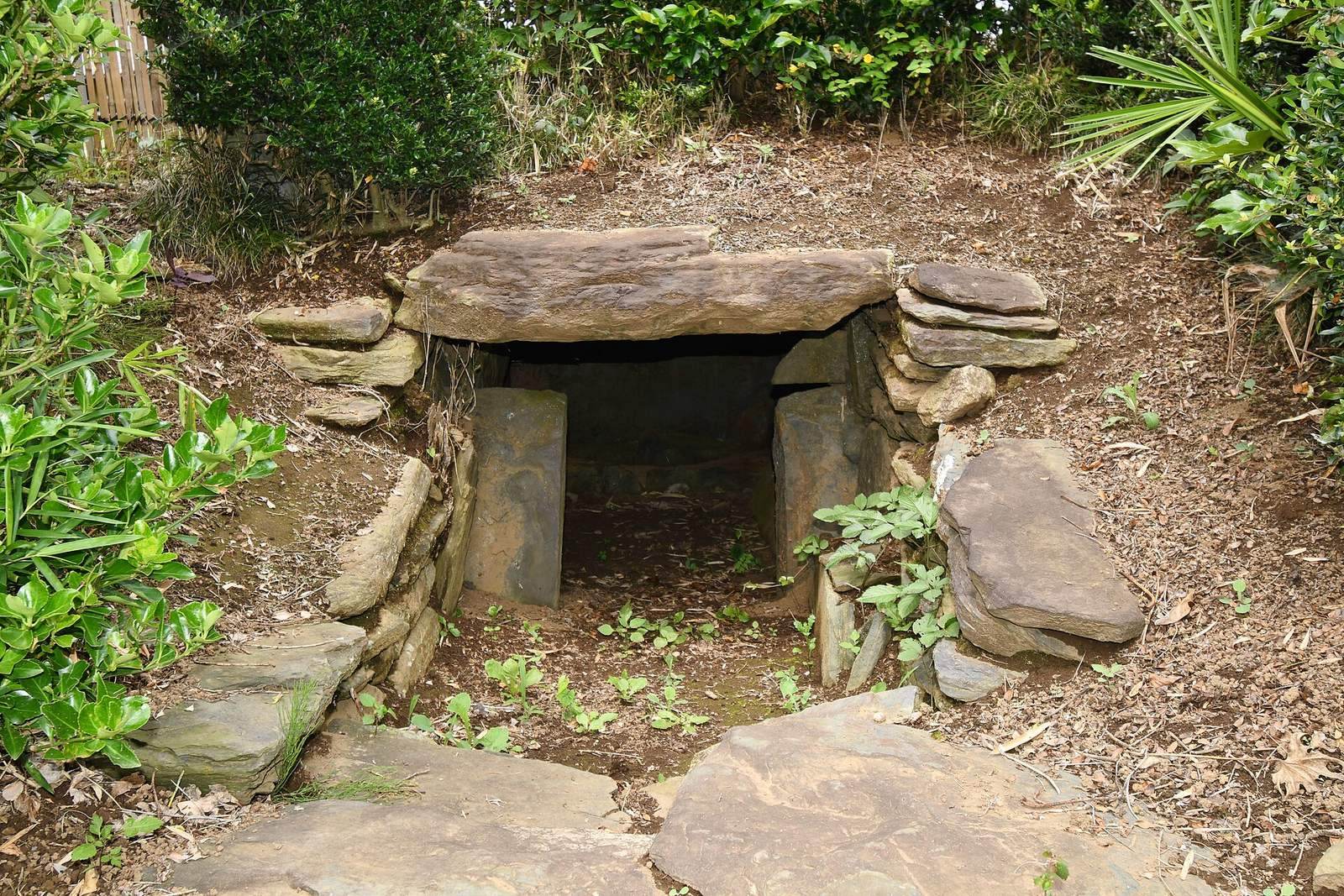
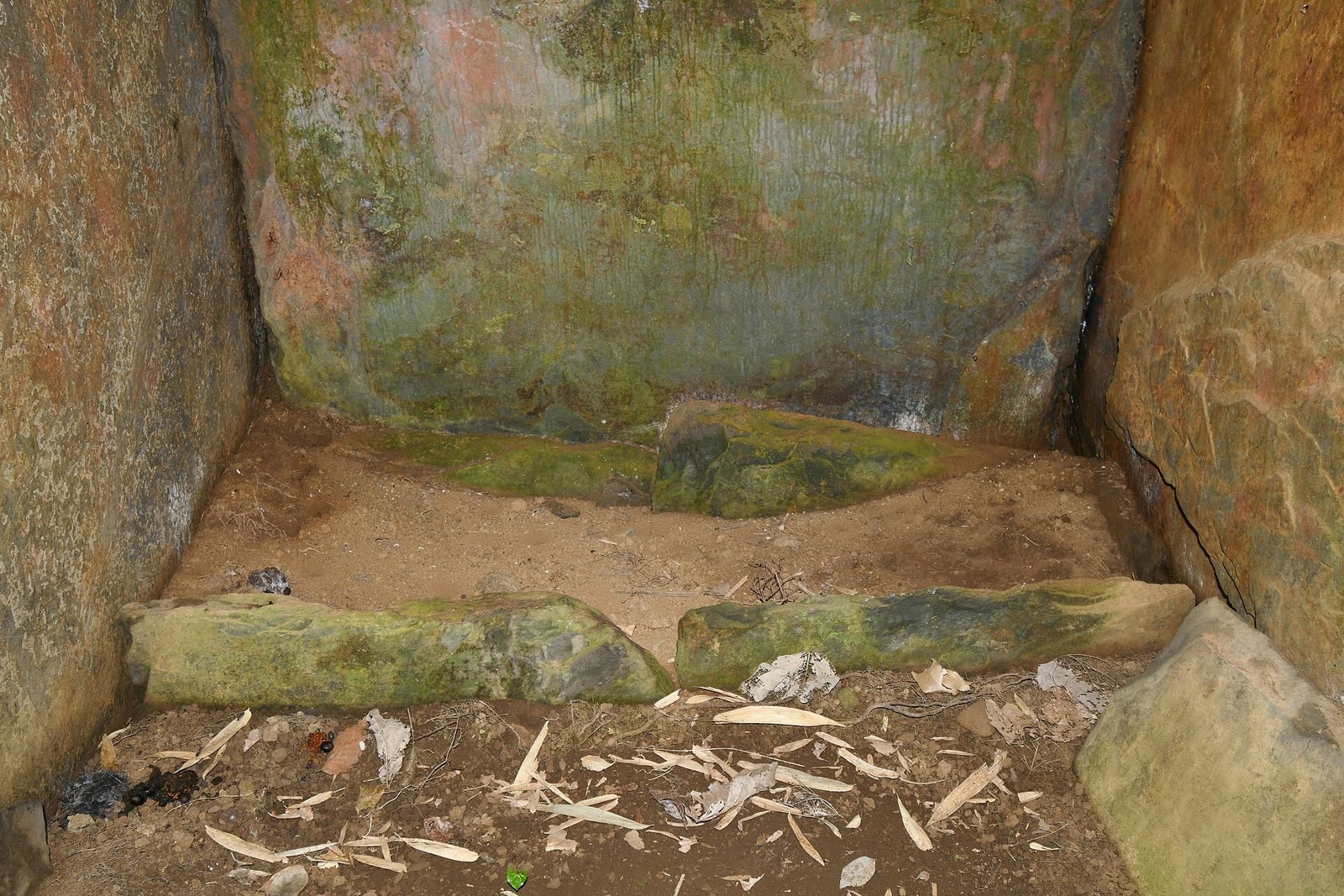
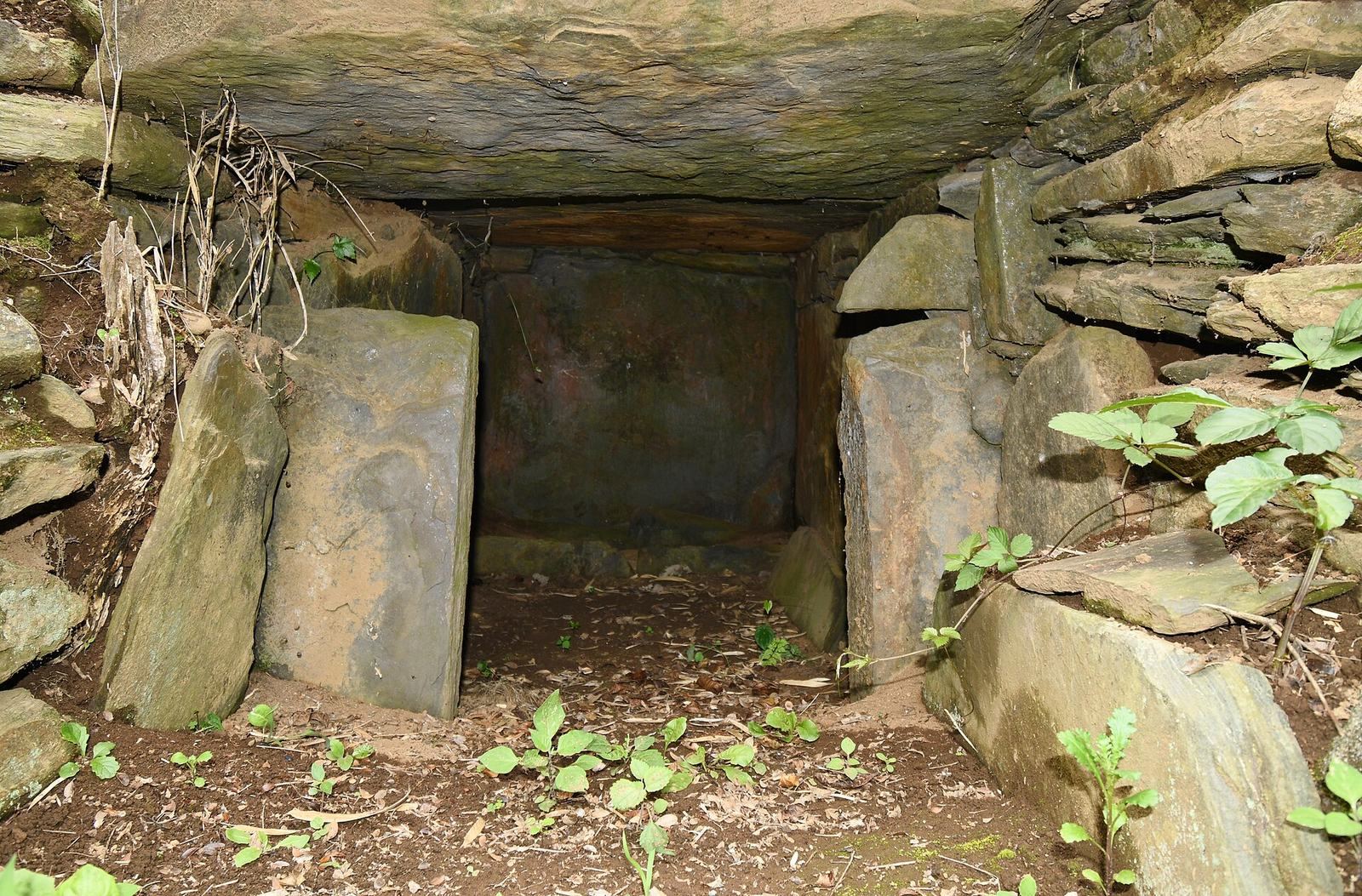
The burial chamber was entered through a passage at the side and opened to the south. It was built partly below ground in the mound’s rounded rear section, using metamorphic rock, a stone altered by heat and pressure. A single stone formed the rear wall, while each side wall was made of two stones.
Painted decoration and grave goods
Red circular designs were arranged in five rows on both sides of the burial chamber. They have almost entirely disappeared, but drawings in reports from the Meiji period (1868–1912) preserve their appearance. The grave goods associated with the discovery are believed to have included a straight sword, a small knife, silver rings, and Sue ware, a high-fired stoneware made in ancient Japan.