Svijany Castle: A Renaissance Palace and Brewery Complex
Site at a Glance
- Rating
- 4.6
- Popularity
- Medium
- Country
- Czechia
- Primary era
- Early Modern
- External website
- Open
- Eras represented
- Early Modern, Modern
- Civilizations
- Austrian Empire, Habsburg, Holy Roman Empire, Kingdom of Bohemia
- Site type
- Domestic
- Remains
- Castle
On this page14 sections
History
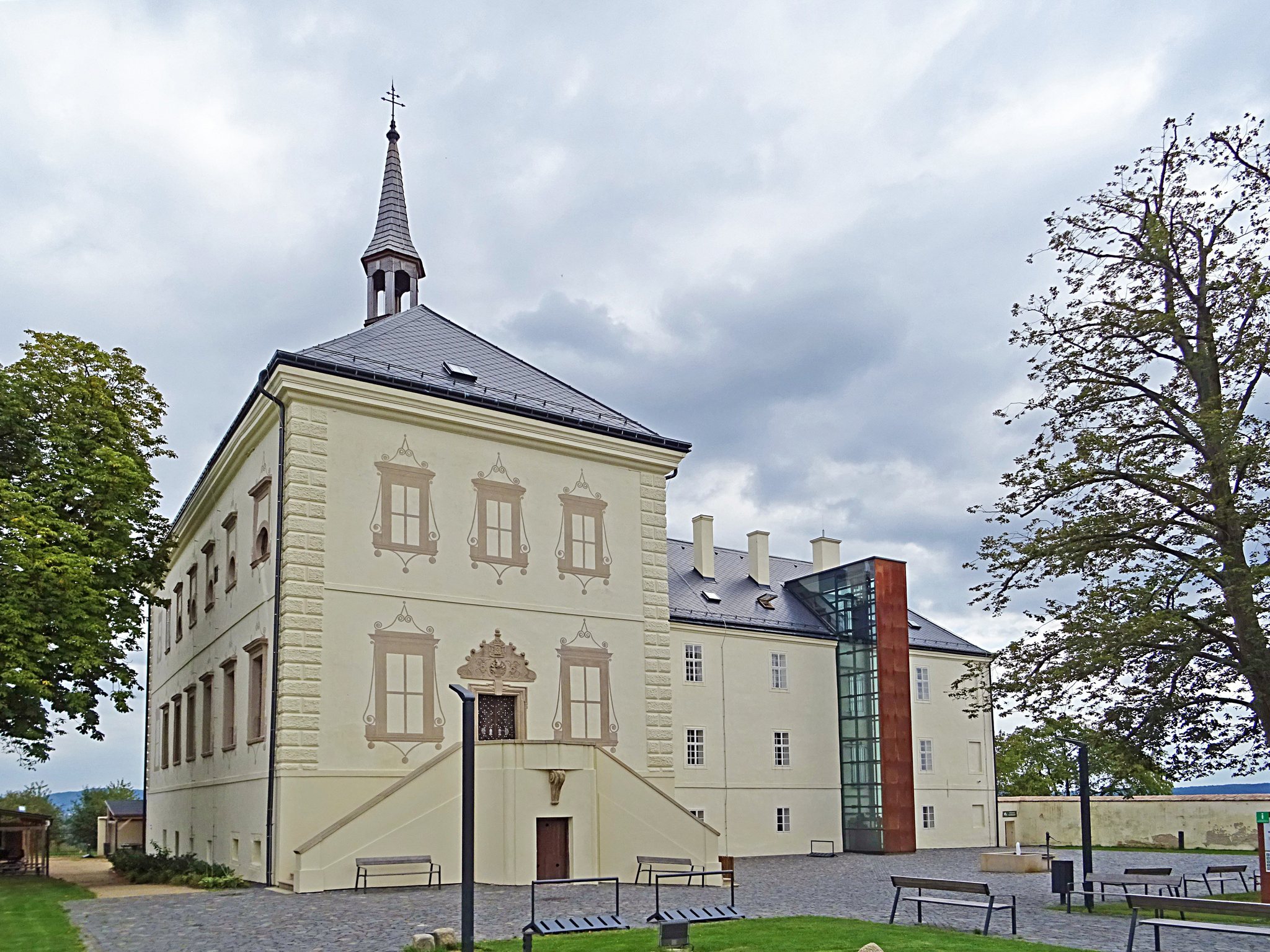
Svijany Castle is a Renaissance palace in Czechia, built during the sixteenth century as an aristocratic residence and later transformed into part of a larger palace and brewery complex. The settlement of Svijany first appears in 1345, when it belonged to a Cistercian monastery associated with Mnichovo Hradiště. Cistercian monks, members of a Catholic monastic order whose houses often managed agricultural estates, had established a farmstead there.
From monastic farmstead to Renaissance residence
Brewing began at Svijany during the sixteenth century, and the brewery first appears in 1564. In the following year, Jaroslav of Vartenberk, a Bohemian nobleman, acquired the village and built a Renaissance fortress, a fortified aristocratic residence. After his estate was divided among his sons, Svijany was described as a residence in 1567. Construction of the palace began that year and was completed in 1578.
After Jaroslav’s death, Svijany, including its fortress and brewery, passed to Jáchym Ondřej Šlik, one of the Bohemian nobles executed in Prague in 1621. In 1623, Albrecht of Valdštejn acquired the palace and brewery. The Valdštejns, a major Bohemian noble dynasty, converted the earlier fortress into a palace and enlarged the neighboring brewery. Their ownership shaped the appearance associated with the site, particularly through changes made around the turn of the seventeenth and eighteenth centuries.
Valdštejn and Rohan ownership
The Valdštejn family administered Svijany into the early nineteenth century. The palace was subsequently altered during the eighteenth and nineteenth centuries, combining its Renaissance origins with later architectural changes. In 1820, Prince Karel Alain Rohan acquired Svijany. The Rohans were a French princely family with extensive estates in Bohemia during the nineteenth and early twentieth centuries.
Under Rohan ownership, the palace became part of the Sychrov estate. It housed the estate administration and apartments for officials, giving the building an administrative role alongside its residential history. The property remained with the Rohans until 1945, when the palace was confiscated and later nationalized. It subsequently belonged to the North Bohemian Breweries.
The brewery followed a partly separate ownership history. It was leased in 1892 and sold in 1909 to Antonín Kratochvíl, whose family managed it until 1939. Following the economic crisis, the brewery returned to Rohan ownership. In 1998, it was sold to the Liberec company LIF. Under brewer and later director František Horák, it restored its position while continuing traditional brewing methods.
Restoration and present use
Milan Rýdlo of Čápovka purchased the palace in 1996 as a seat for the Knights’ Order of Saint Wenceslas. The brewery acquired the neglected palace in 2013 and began its restoration. Work lasting less than three years recovered the appearance associated with the Valdštejn period. Grants from the European Economic Area and Norwegian Funds supported the project.
The restoration also brought archaeological evidence to light, including underground corridors, a bronze needle approximately 3,000 years old, and other prehistoric finds. A second reconstruction phase created hotel accommodation and a restaurant in 2017. The complex now contains cultural and historical exhibitions devoted to archaeology, the palace and its region, and brewing. Svijany has been a protected cultural monument since 1966, and its restoration received the Liberec Region’s Building of the Year recognition.
Remains
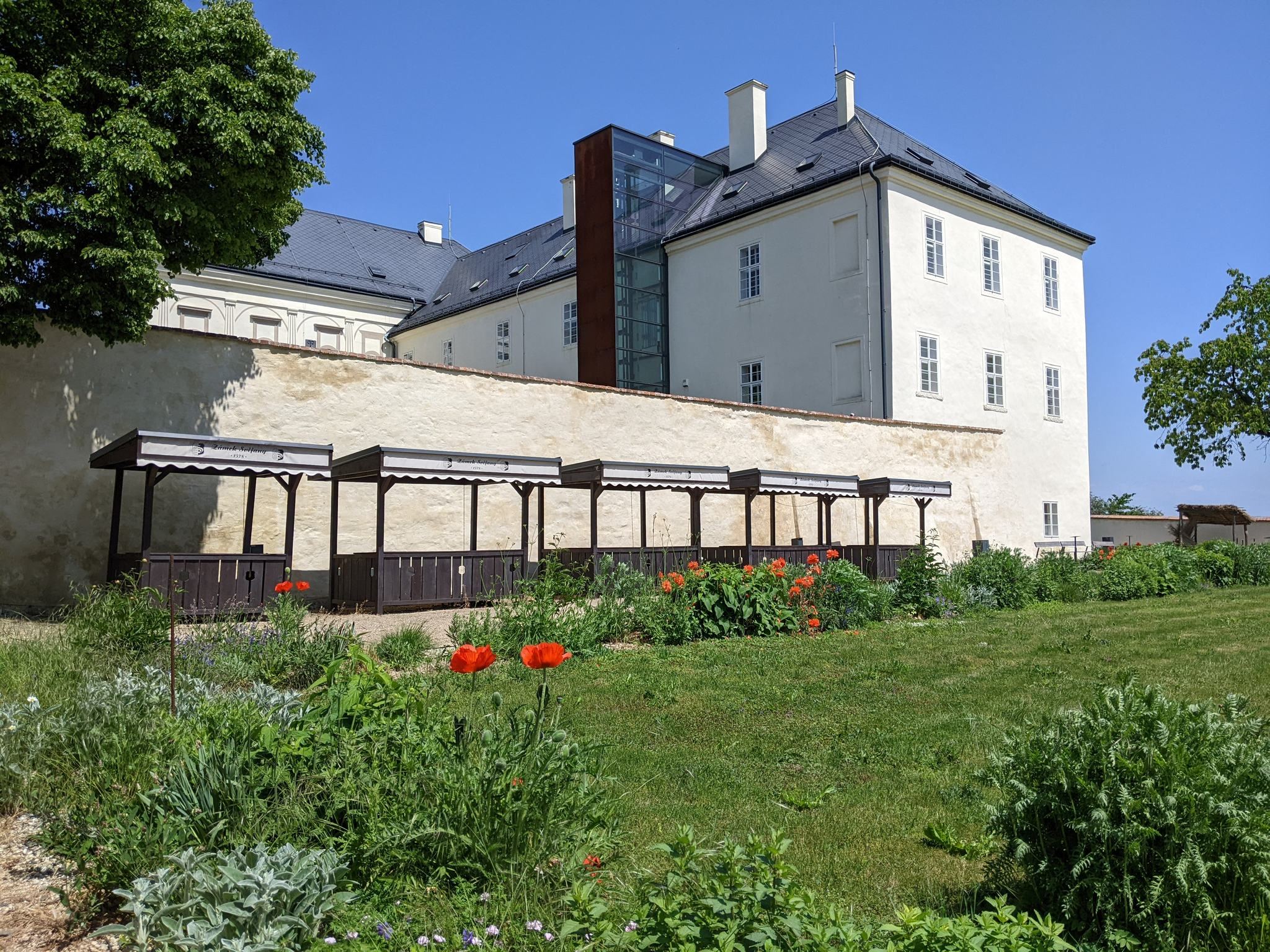
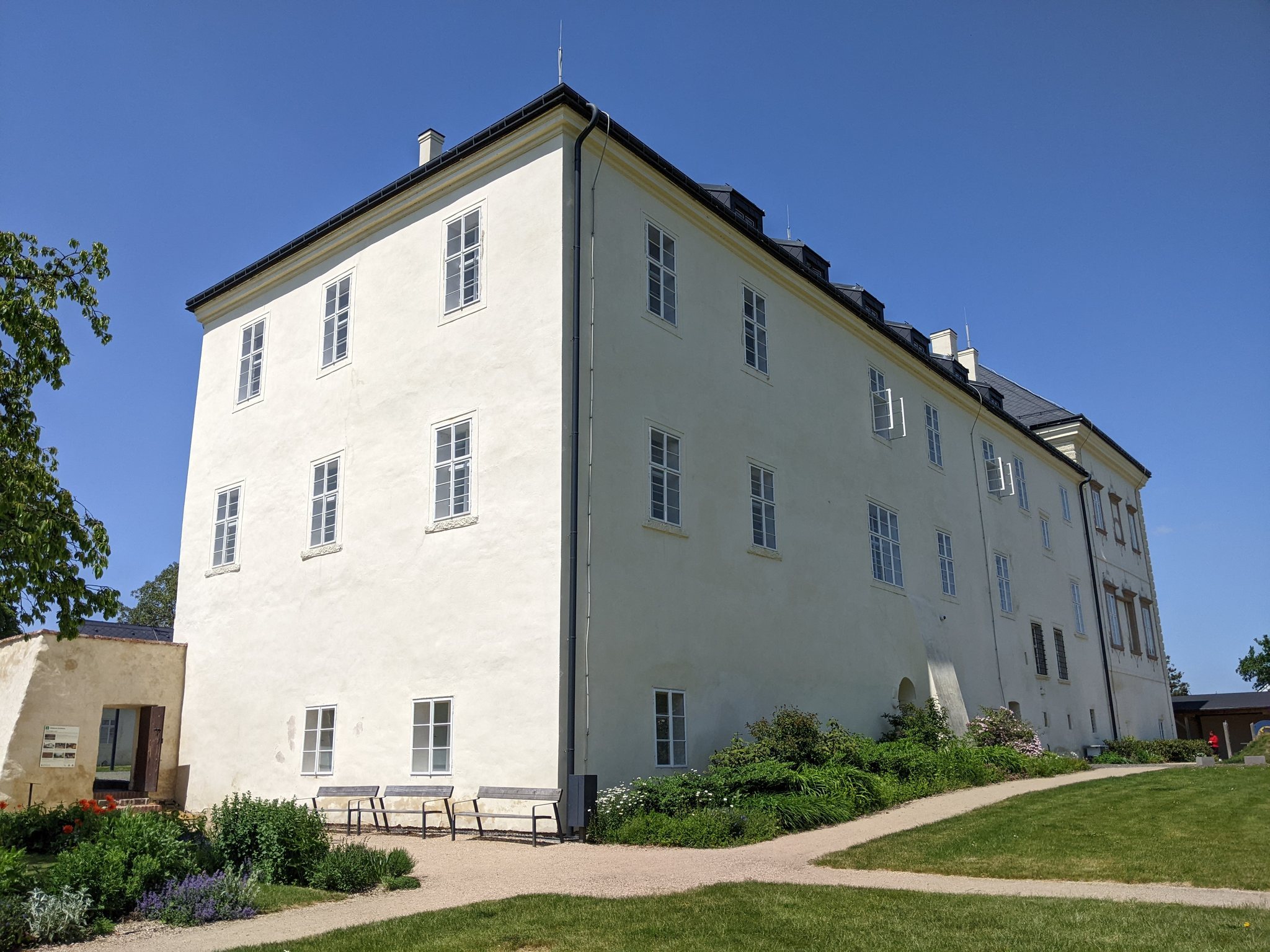
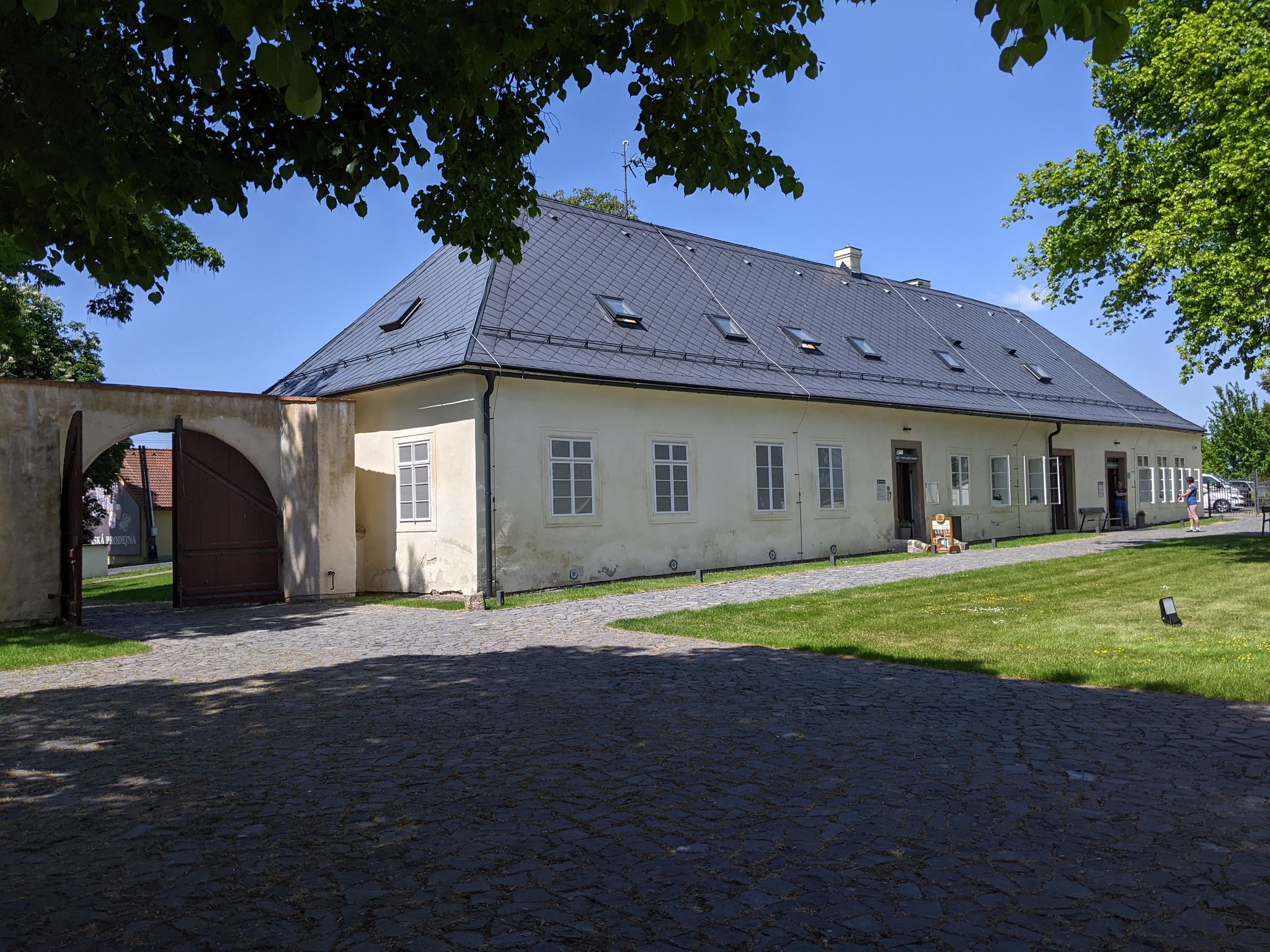
Svijany Castle is organized around a Renaissance palace with two wings set in an inverted L-shaped plan. The courtyard is enclosed by a boundary wall with small gates and is accompanied by farm buildings. The historic complex also includes the neighboring brewery, a chapel, a park, and house no. 26 in its northwestern part. Later eighteenth- and nineteenth-century alterations remain incorporated into the Renaissance fabric.
Palace and chapel
Renaissance palace
The palace’s two-wing plan forms the principal architectural structure of the complex. Its Renaissance fabric reflects the rebuilding of the earlier fortress as a more comfortable representative residence, while later alterations shaped its present appearance. Underground spaces form part of the palace’s archaeological and brewing displays, and restoration uncovered corridors below the building.
Chapel of Saints John and Paul
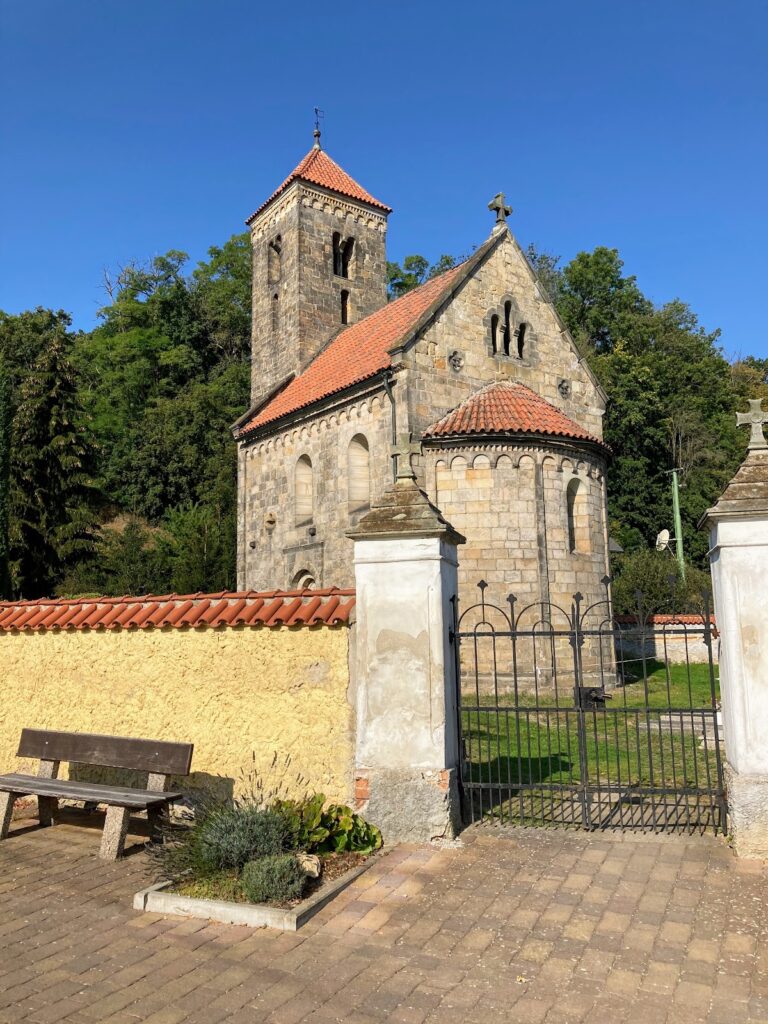
The north wing contains a large chapel that began as a knights’ hall. It was converted into the Chapel of Saints John and Paul in 1768. Painted decoration dated to 1612–1621 was discovered during the modern reconstruction. The paintings include coats of arms connected with the owners of the period, among them the mother and wives of Jáchym Ondřej Šlik.
Courtyard, garden, and archaeological displays
Palace grounds
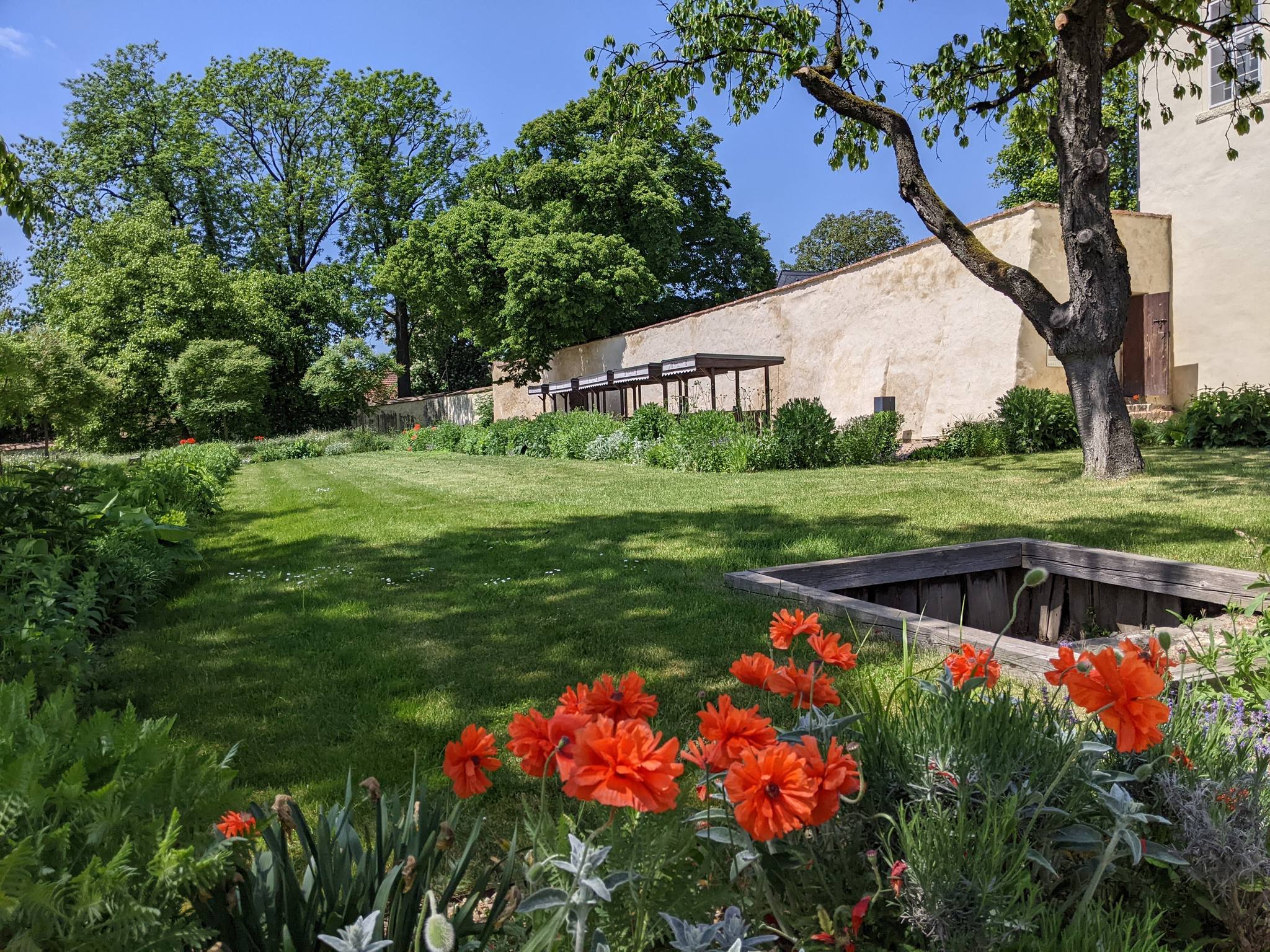
The courtyard wall, small gates, farm buildings, adjacent park, and house no. 26 make up the surrounding architectural setting. The garden contains a wooden reconstruction of a Bronze Age sanctuary dating to approximately 3,000 years ago, together with a period bread oven and a bronze furnace. Three-dimensional interpretation presents the locations and appearance of authentic archaeological finds.
Archaeological collections
Displays in the palace include cremation burials from the Bronze Age cemetery known as Na Cecilce. In a cremation burial, the burned remains of the deceased are interred, sometimes with grave goods. The exhibitions also present evidence of Bronze Age funerary ritual, a bronze hoard, and original finds from the palace garden dating as early as approximately 6,500 years ago.
Brewery and later accommodation
Svijany Brewery
The neighboring Svijany Brewery forms part of the historic complex. Its first known reference dates to 1564, and the Valdštejns later enlarged it beside the palace. Its continued association with the site preserves the connection between the aristocratic residence and brewing activity that began during the sixteenth century.
Hotel and restaurant spaces
The upper parts of the palace contain seventeen hotel rooms on the third and fourth above-ground floors, with capacity for forty-one beds. A restaurant and a beer-spa installation with oak tubs are also located within the palace complex.