Østre Gausdal Church: A Medieval Parish Church in Norway
Site at a Glance
- Popularity
- Low
- Country
- Norway
- Primary era
- Medieval
- Eras represented
- Medieval, Early Modern, Modern
- Civilizations
- Denmark–Norway, Norwegian
- Site type
- Religious
- Remains
- Church
On this page12 sections
History
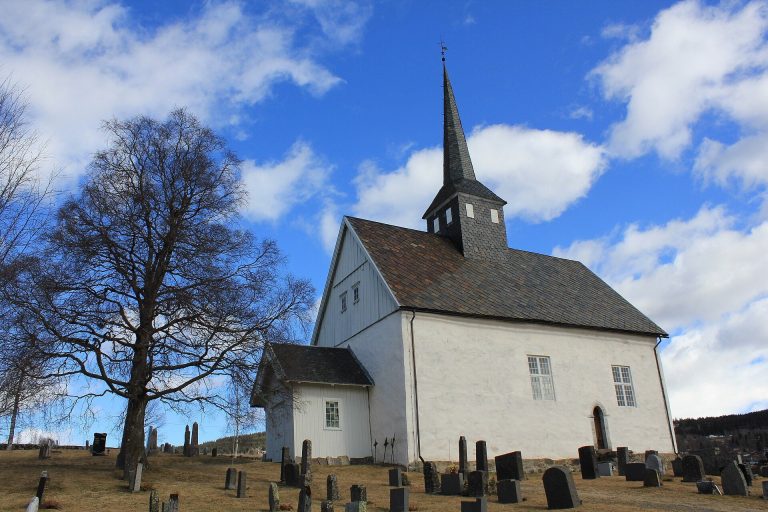
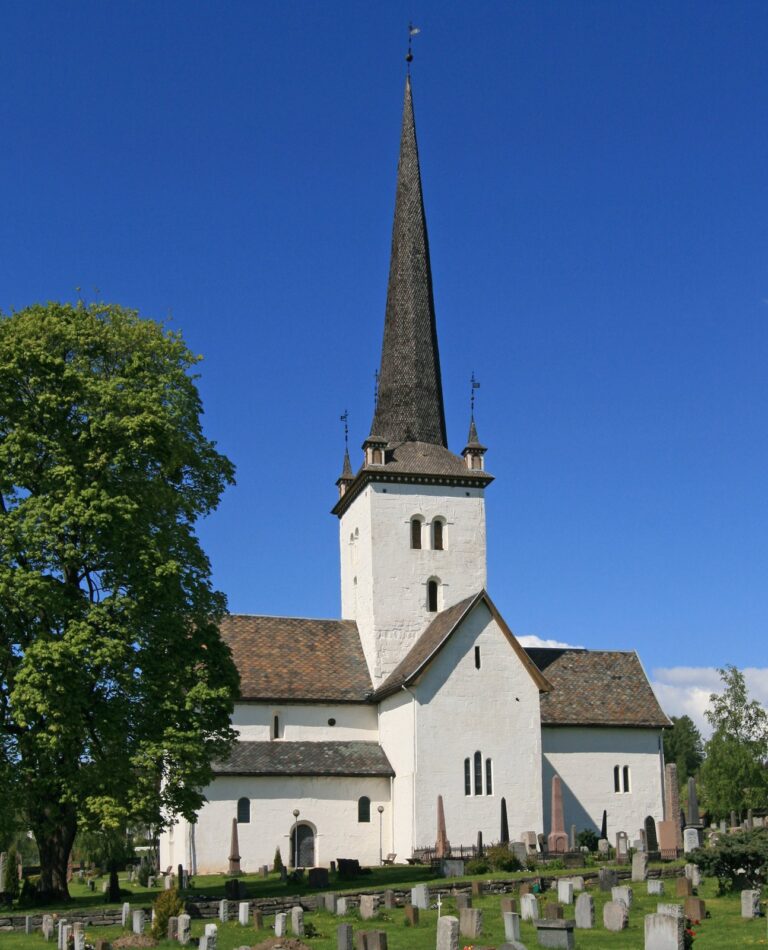
Østre Gausdal Church is a stone church in Gausdal Municipality, Norway, built around 1250 in the Romanesque style, a medieval European tradition associated with rounded arches and heavy masonry. It was erected on Reidvoll farm and served the Gausdal parish for centuries. Stone churches were uncommon in medieval Oppland, where only three were built during that period.
Medieval origins and parish
The church’s earliest surviving written mention dates to 1333. It was originally known as Gausdal Church; the name Østre, meaning Eastern, was added later to distinguish it from Vestre Gausdal Church. The church belonged to the Catholic Church before becoming part of the Church of Norway.
War and rebuilding
During the Northern Seven Years’ War, a sixteenth-century conflict between Sweden and Denmark-Norway, Swedish forces took the church in 1567. They used it as a stable before setting it on fire. Some interior furnishings survived, possibly because they had been removed before the occupation, and the church was partly restored afterward.
Seventeenth- and eighteenth-century changes
A tower stood over the central part of the church by 1629. Extensive restoration and renovation followed in 1715. In 1723, the church was sold at auction and purchased by Maurids Lie on behalf of the people of Gausdal.
Later use and preservation
In 1814, the parish was one of the constituencies that chose electors for the national process of selecting representatives to Norway’s Constituent Assembly, which met to draft the constitution. For about 80 years, members of the Elvestrand family served as organists in Gausdal. Olaf Elvestrand was succeeded by his daughter Kristine, whose service continued until 1983.
Today the church serves Østre Gausdal parish within the Church of Norway, the country’s national Evangelical Lutheran church. The parish belongs to the Sør-Gudbrandsdal deanery, a grouping of parishes, within the Diocese of Hamar, an area overseen by a bishop. The medieval church is automatically protected as a Norwegian cultural heritage site.
Remains
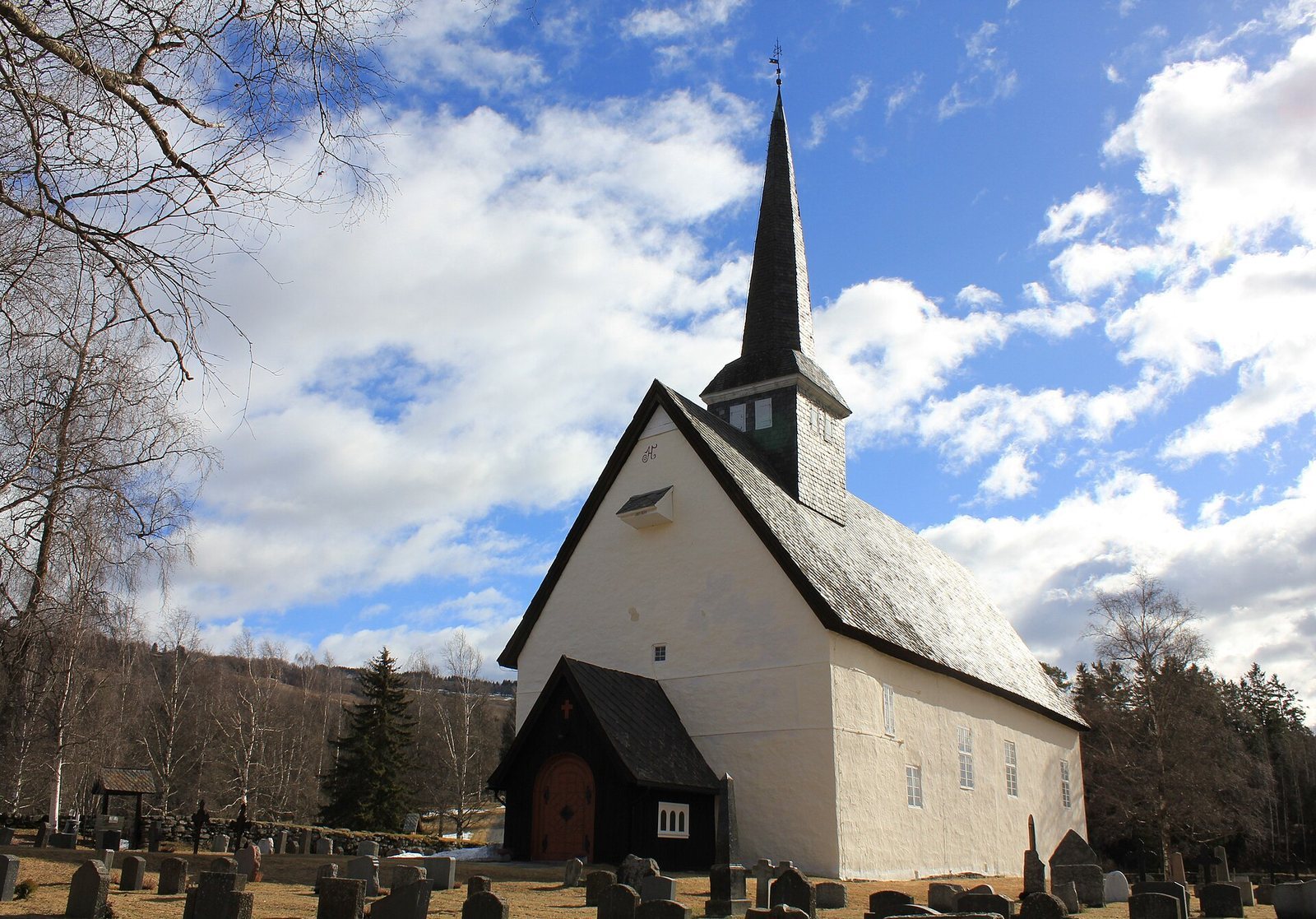
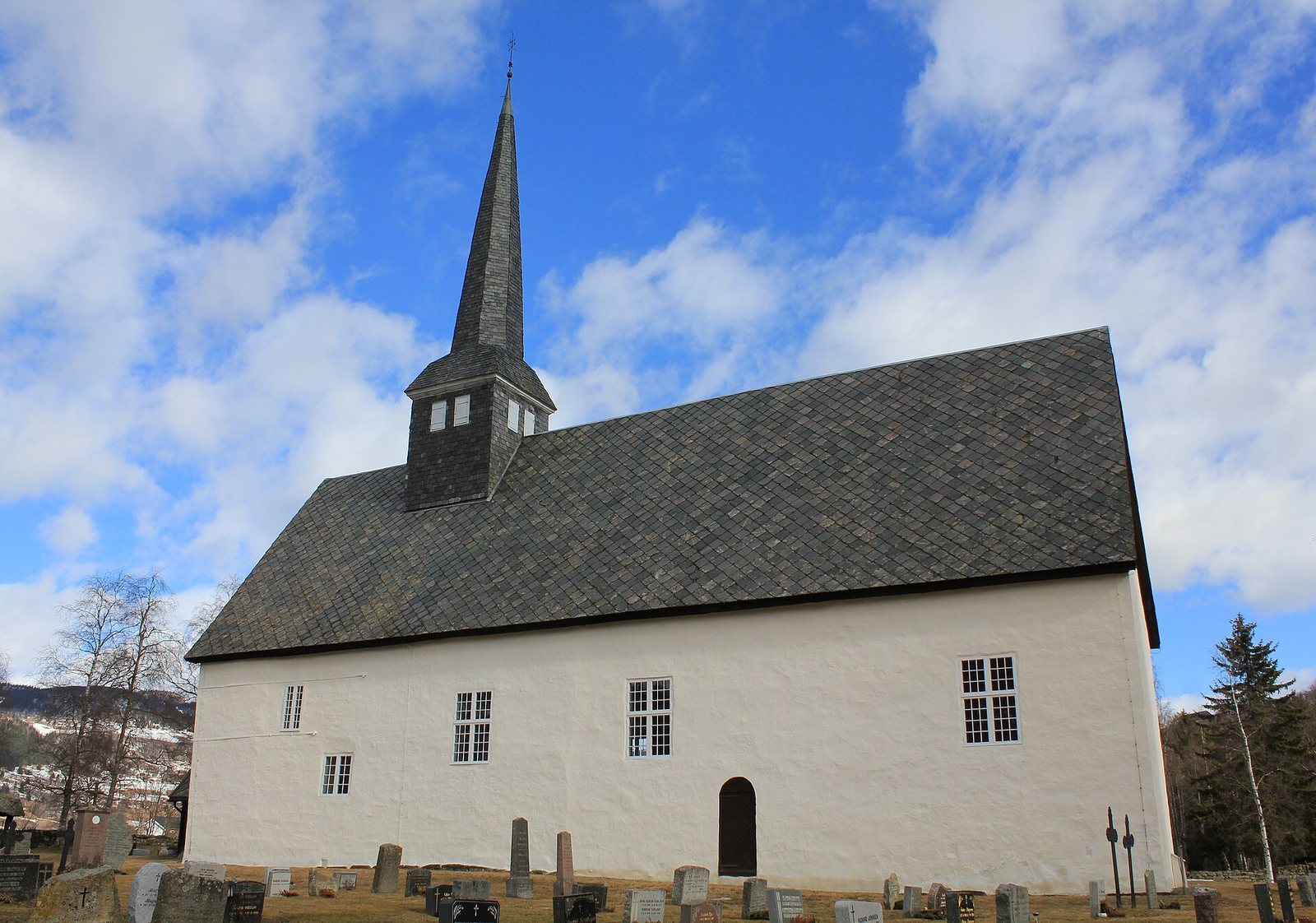
The white Romanesque stone church has a long plan, with its main body, or nave, and altar area, or choir, arranged along one axis. It has seating for about 280 and stands in Prestgarden, about five kilometres northwest of Segalstad bru. A churchyard lies beside it.
Plan and fabric
Nave, choir and sacristy
The original church had a rectangular nave about half the length of the present one, a narrower choir beneath a lower roof, and a sacristy, a room for storing clergy’s vestments and church objects, on the choir’s north side. In 1715 the nave was extended eastward, nearly doubling its former length, and a new choir and sacristy were built at the eastern end. The sacristy is timber-built and stands north of the choir.
Tower, walls and porch
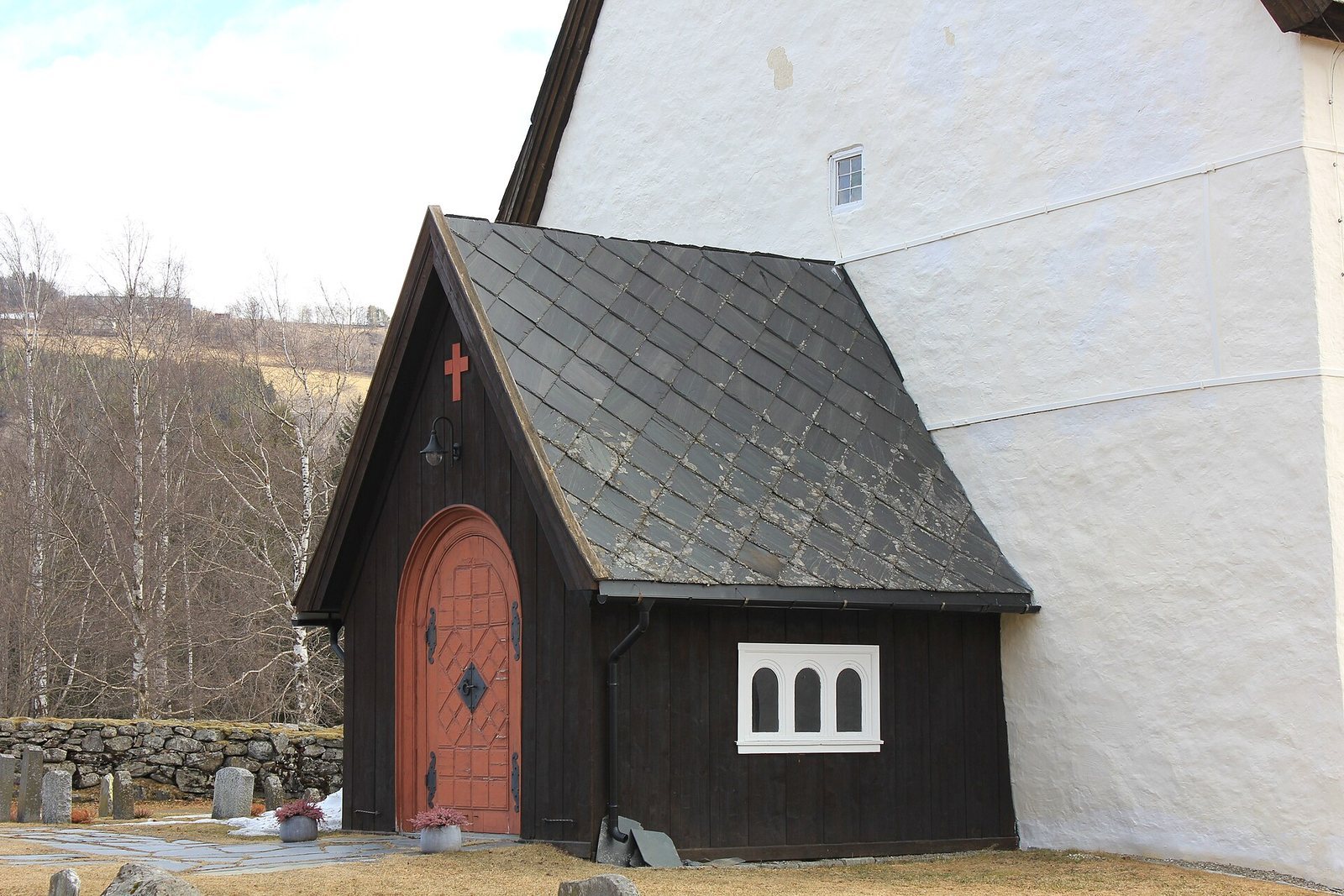
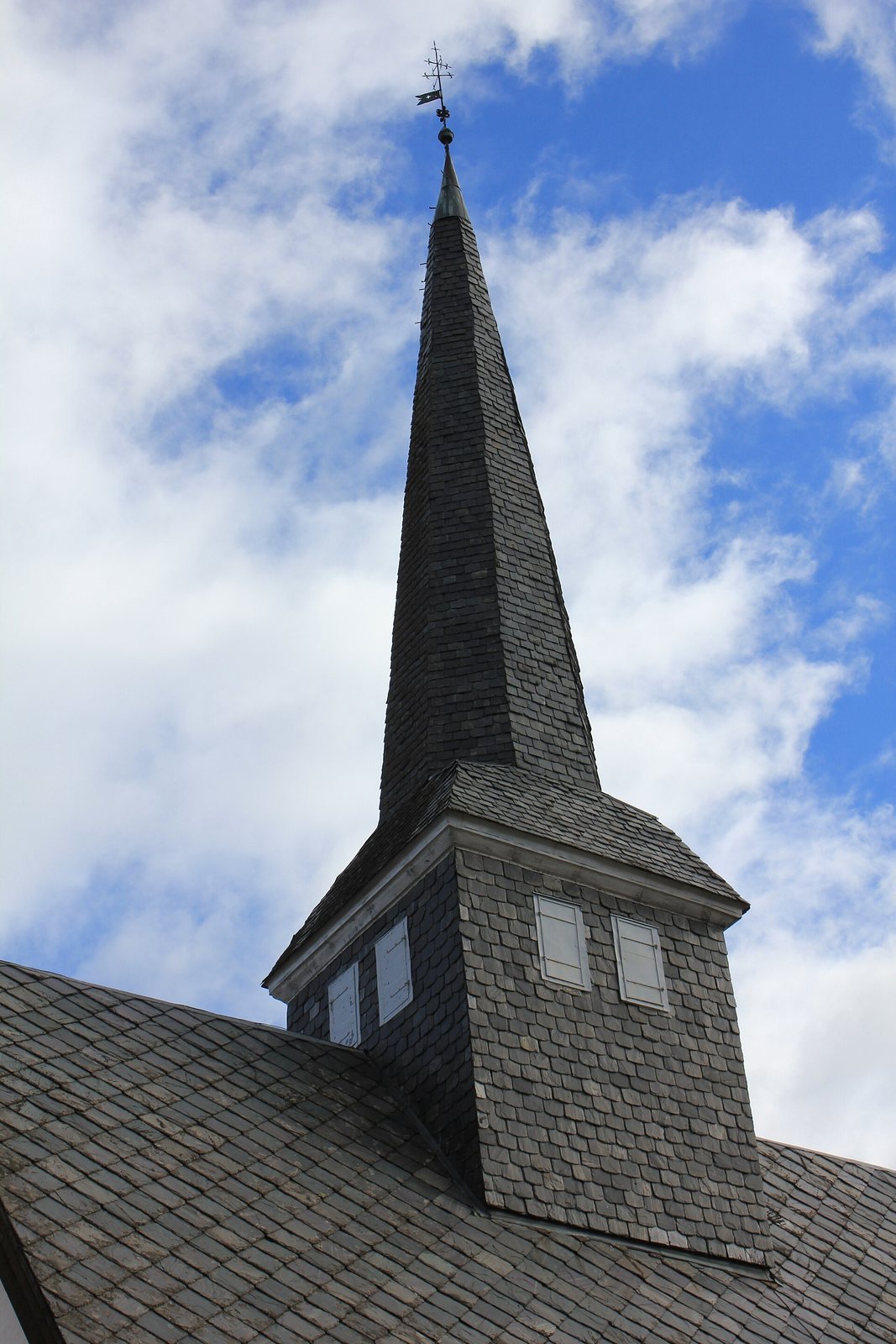
The church’s doors and windows date from the 1715 renovation, when its roof and tower were also rebuilt. The present tower is a roof-rider, a small tower set on a roof, above the central part of the building. Retaining walls were needed to support some of the walls after the 1567 fire, and burn marks remain visible in the masonry. The porch at the west end dates from 1930.
Interior and furnishings
Pulpit, font and altar
The carved pulpit, attributed to Johannes Ellingsen Segalstad and dated 1731, has acanthus ornament, a stylized leaf design. The soapstone baptismal font dates from the twelfth century. The altarpiece probably dates from the 1720s. The interior also includes a ceiling painted with cloud motifs and a bounded area around the baptismal font.
Organ
August Nielsen built the organ in 1888 with seven stops, controls that activate ranks of pipes to produce different sounds. Danish organ builder Conrad Christiansen expanded it to nine stops in the early 1960s. Around 1990, Nils Arne Venheim restored the instrument and replaced the two stops added during that expansion.