Steinkallenfels Castle: A Medieval Hilltop Castle in Germany
Site at a Glance
- Popularity
- Medium
- Country
- Germany
- Primary era
- Medieval
- Eras represented
- Medieval
- Civilizations
- Holy Roman Empire
- Site type
- Military
- Remains
- Castle
On this page10 sections
History
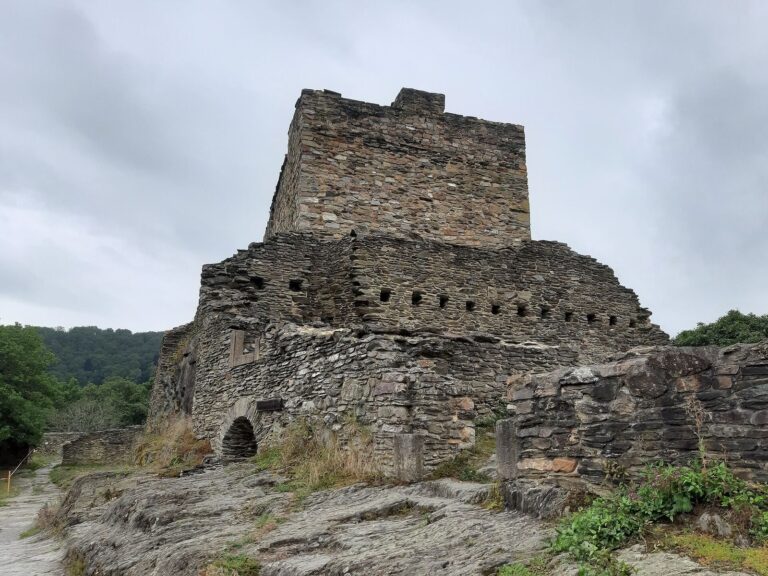
Steinkallenfels Castle is a ruined hilltop castle at Kallenfels, a district of Kirn in Rhineland-Palatinate, Germany. Built around 1200, it was first documented in 1212 and held originally as an imperial fief, land held from the emperor within a feudal relationship.
Foundation and noble ownership
The castle was associated with the Lords of Stein, later known as the Lords of Steinkallenfels. Hugo von Stein appears in records from 1150 and 1158 and may have taken his name from the castle. The family continued until 1778, when it became extinct.
Co-ownership and destruction
From the fourteenth century, multiple owners held shares in the castle. A castle-peace agreement made in 1371, which regulated relations among co-owners, names 25 of them; probably not all lived at the site.
Steinkallenfels was captured in 1523 during the Knights’ War, a 1522–23 conflict in the Holy Roman Empire led by the knight Franz von Sickingen. The castle was described as dilapidated in 1615. French forces blew it up in 1682/84.
Remains
Layout and setting
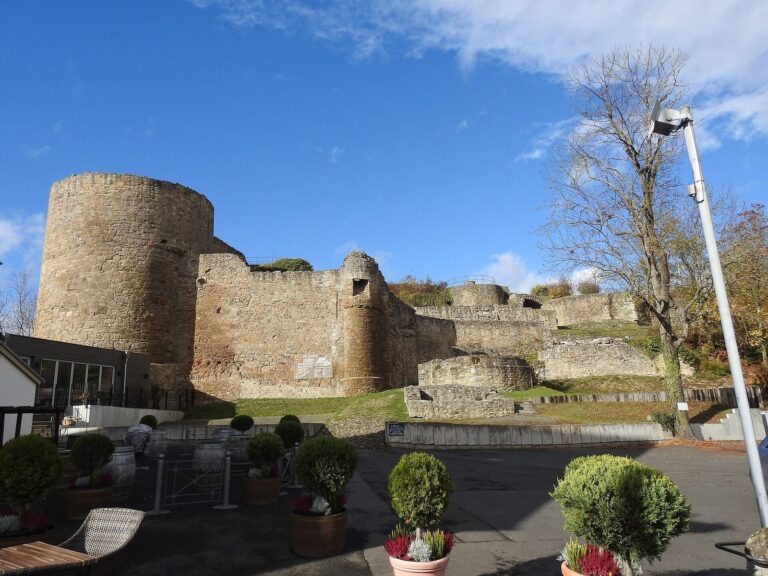
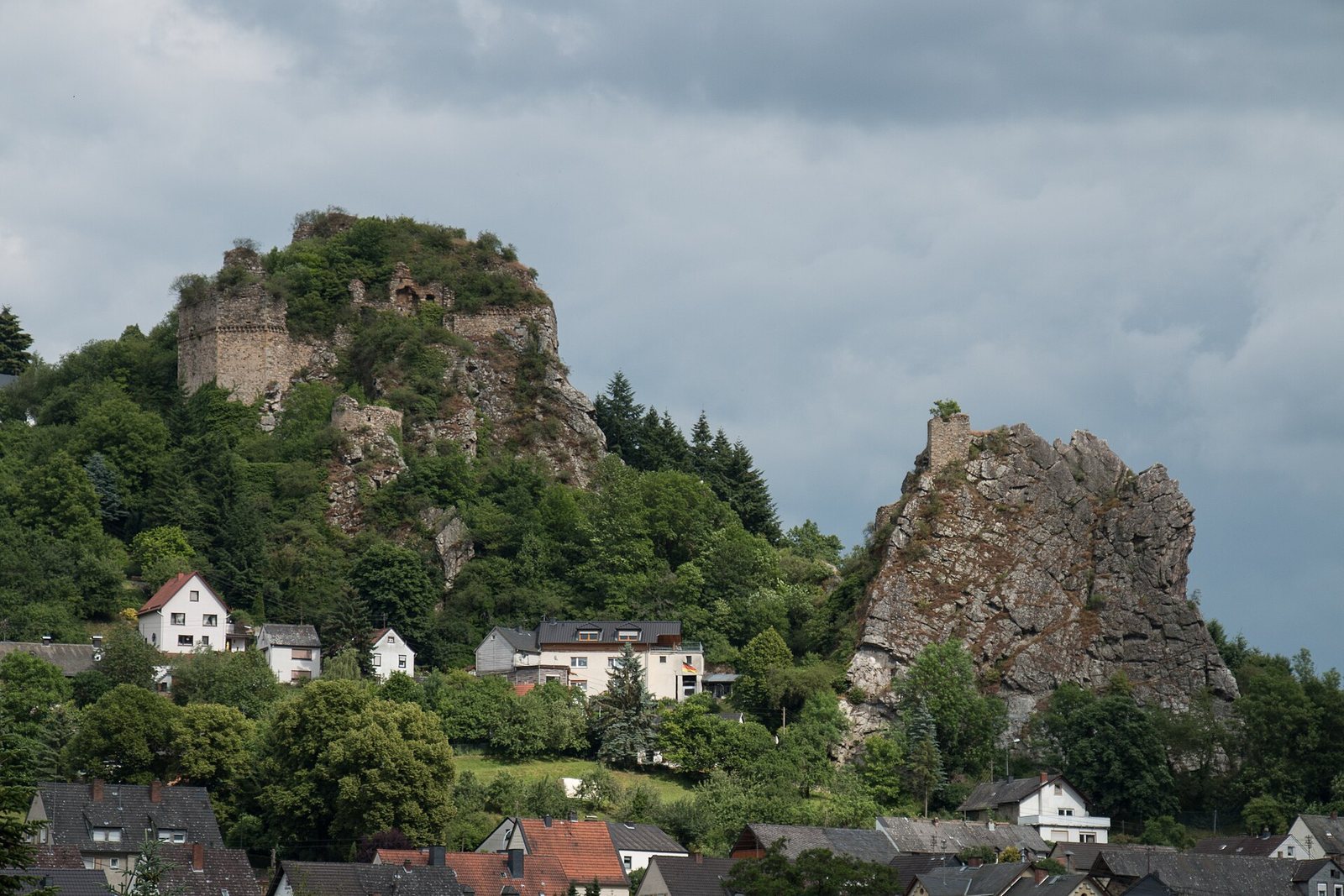
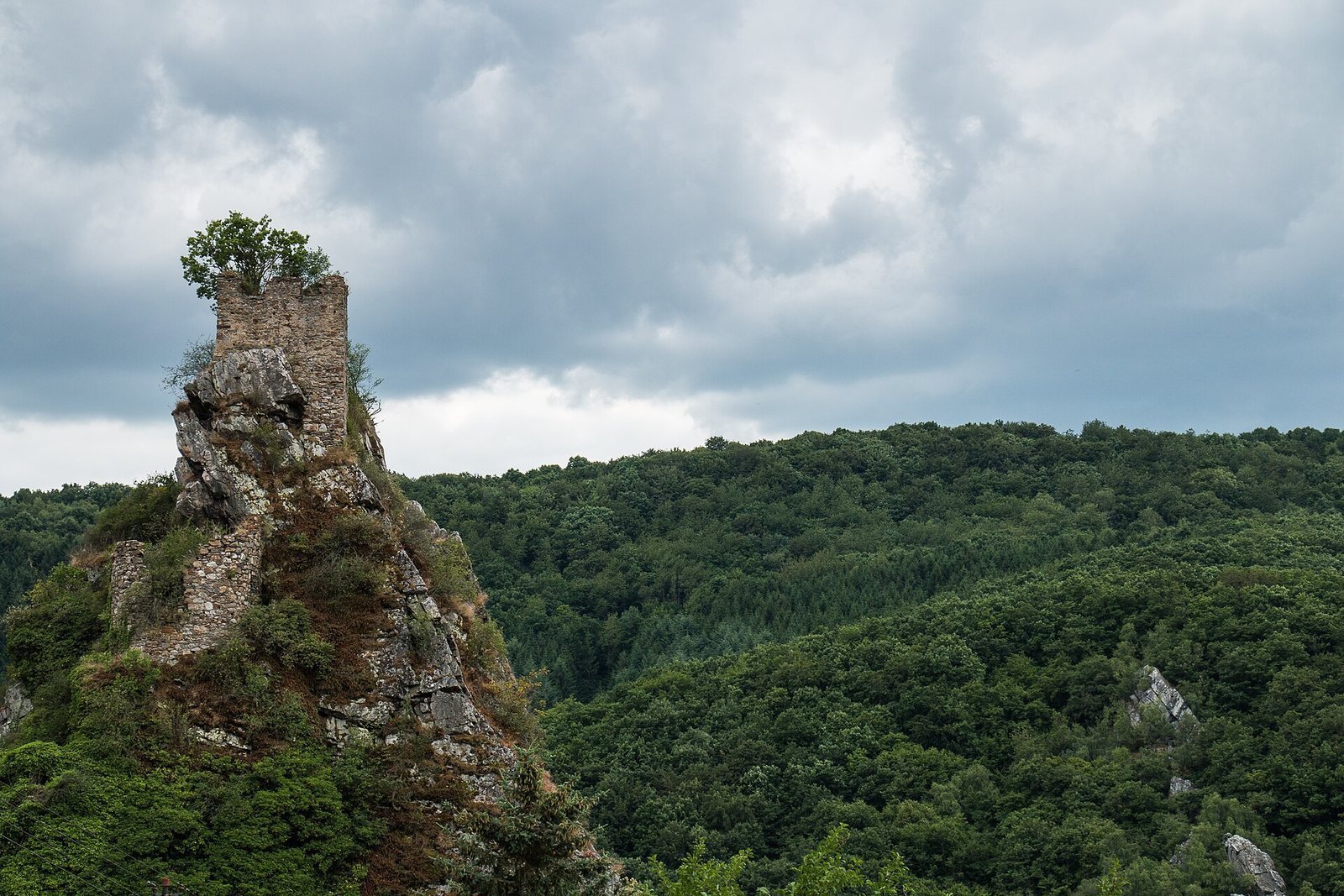
The castle complex occupies a natural rocky ridge extending across the Hahnenbach valley. The ridge includes the Oberhauser rocks, also called the Kirn Dolomites. Three castle sites stand on separate rocks, and defensive enclosure walls once linked them.
The three castle sites and their defenses
Stock im Hane
Stock im Hane occupied the lowest rock in the complex. It was already in ruins by the sixteenth century.
Kallenfels
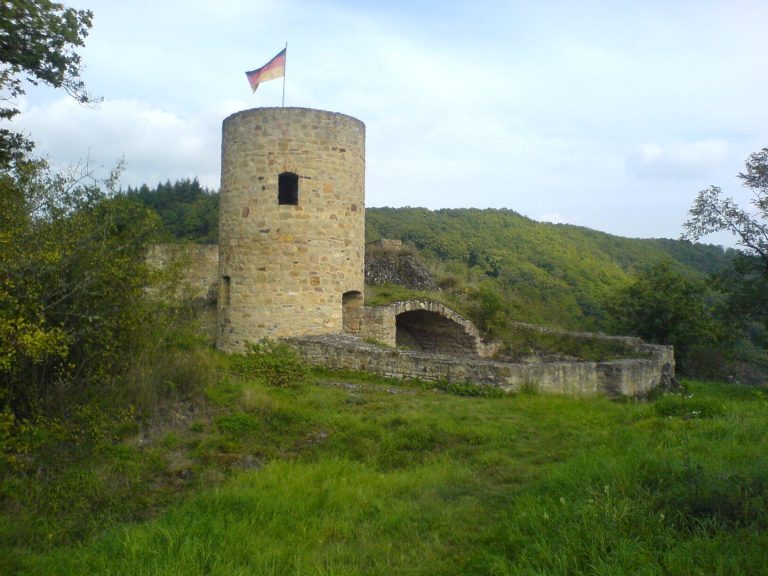
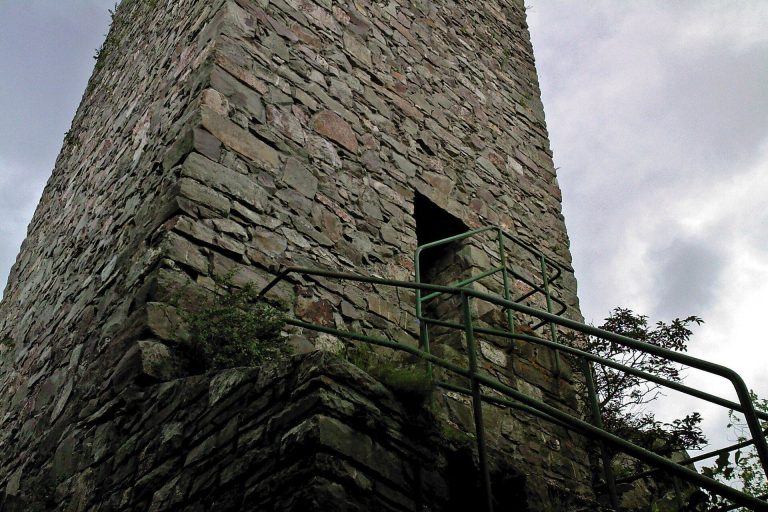
Kallenfels stands on a difficult-to-reach rock and has a square keep, the castle’s principal defensive tower.
Burg Stein
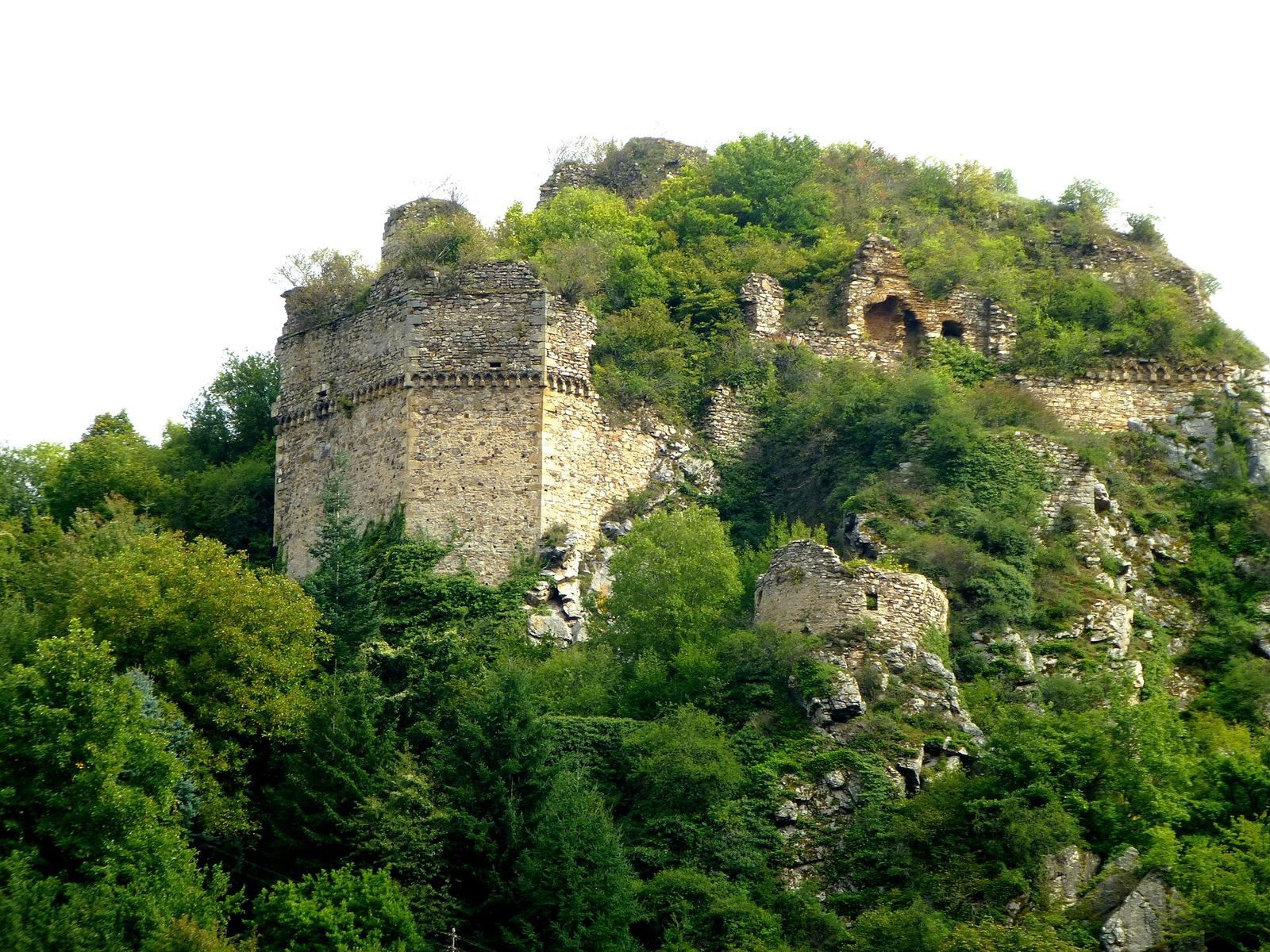
The highest and most extensive of the three sites, Burg Stein has a defensive ditch across the ridge approach, a gate tower, projecting defensive platforms called bastions, and a shield wall, a substantial barrier protecting an exposed side. Its pentagonal keep faces the direction of attack.
Enclosure walls
Walls connected the three castle sites as part of their defenses. Only a few traces of these connecting walls survive.