Stari Grad: The Historic Fortified Center of Budva, Montenegro


Site at a Glance
- Rating
- 4.5
- Popularity
- Medium
- Country
- Montenegro
- Primary era
- Medieval
- Eras represented
- Medieval, Modern
- Civilizations
- Byzantine, Habsburg, Venetian
- Site type
- Military
- Remains
- Fortified Town
On this page14 sections
History
Stari Grad is the historic center of Budva, Montenegro, a well-preserved medieval urban complex and an architectural and cultural monument on the Adriatic coast. Its history is reflected in successive fortifications, churches, museums, and cultural institutions that occupy the enclosed old city.
Early foundations and religious history
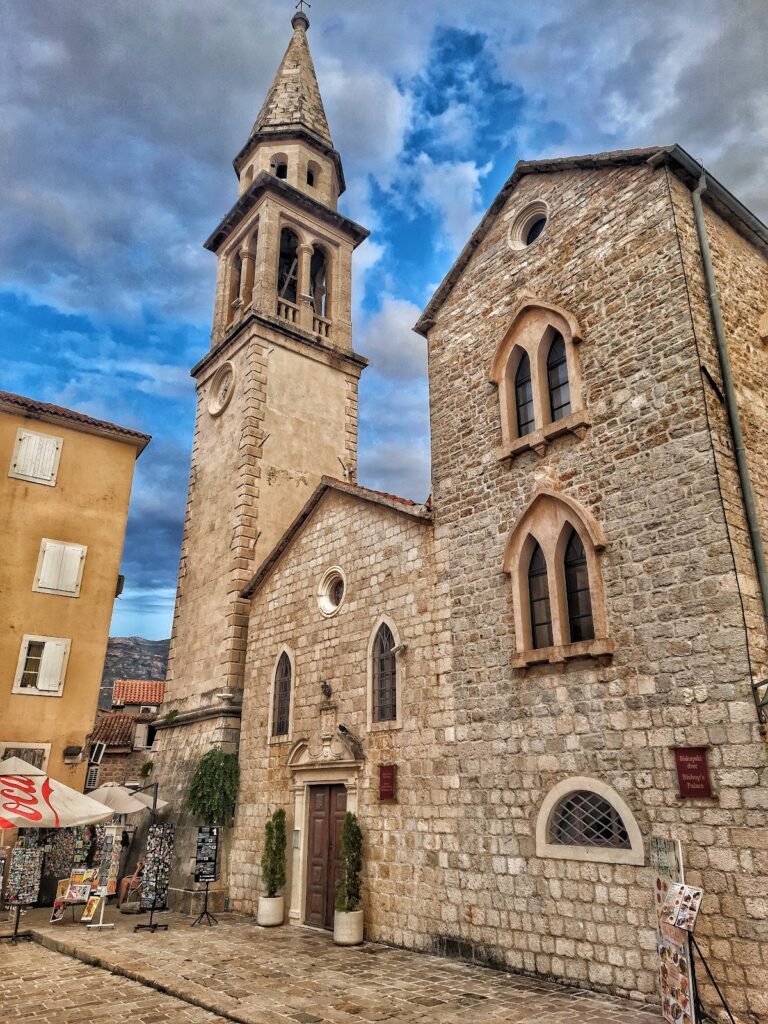
Construction of the Citadel began in the ninth century, and the stronghold was rebuilt repeatedly over the following centuries. The Cathedral of Saint John the Baptist was built in the seventh century and became one of Budva’s oldest and most important religious buildings. It continues to serve both Catholic and Orthodox worship, linking two major Christian traditions within the historic center.
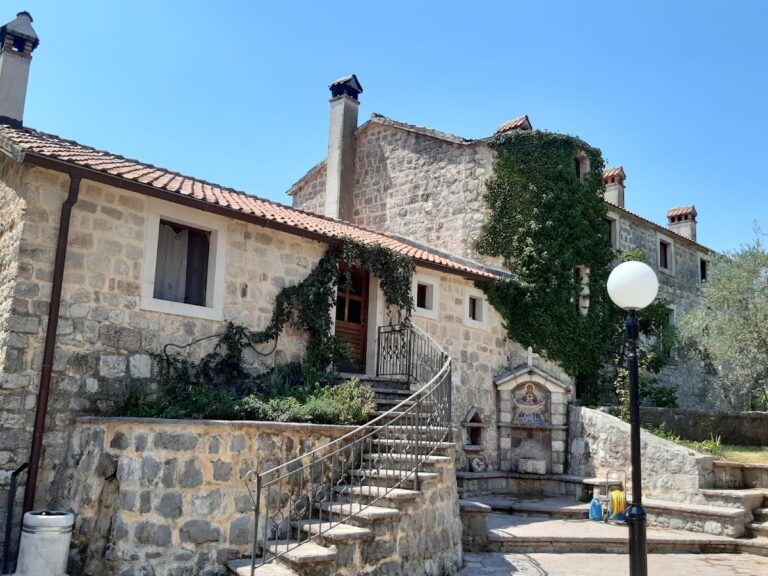
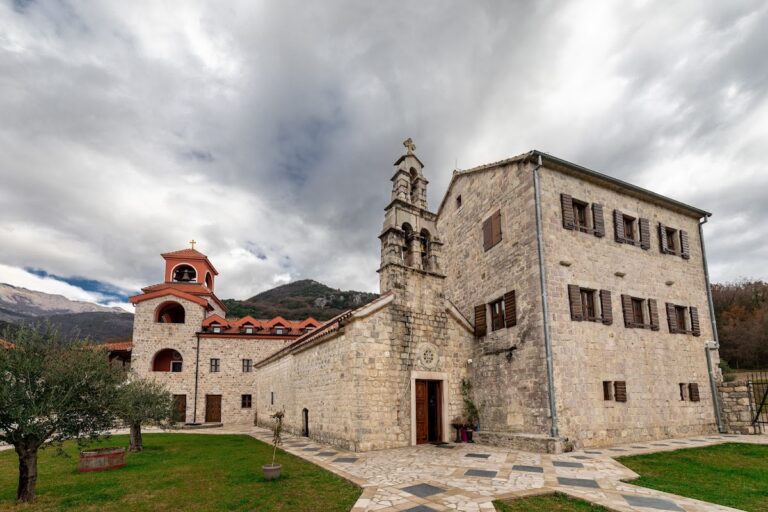
The Church of Saint Sava, built in the fourteenth century, is described as Budva’s oldest Orthodox church. Saint Sava was a medieval Serbian Orthodox monk, bishop, and religious leader who became the first archbishop of the independent Serbian Church. The church is now rarely used for worship. In 1804, the Orthodox Church of the Holy Trinity was built and became one of the principal centers of Orthodox religious life in Budva. It remains active and receives worshippers.
Venetian fortifications
In the fifteenth century, the Venetians built Budva’s city walls to protect the settlement from Turkish raids and piracy. The Venetians were the political authorities and inhabitants of the Republic of Venice, a maritime state that controlled fortified settlements along much of the Adriatic during the medieval and early-modern periods. The walls enclosed the entire historic center in a closed, horseshoe-shaped defensive system, giving Stari Grad its defining urban form.
Modern cultural institutions
The Citadel now accommodates an exhibition on Budva’s history, a library, and a collection of old ships. It also serves as a venue for cultural events. The Archaeological Museum of Budva occupies a four-story building within Stari Grad, with collections ranging from antiquity to the Middle Ages. Its holdings come from excavations in Budva and the surrounding area. Since 1972, the Gallery of Modern Art has presented works by artists from Montenegro and the former Yugoslavia, alongside temporary exhibitions, workshops, and art festivals.
Remains
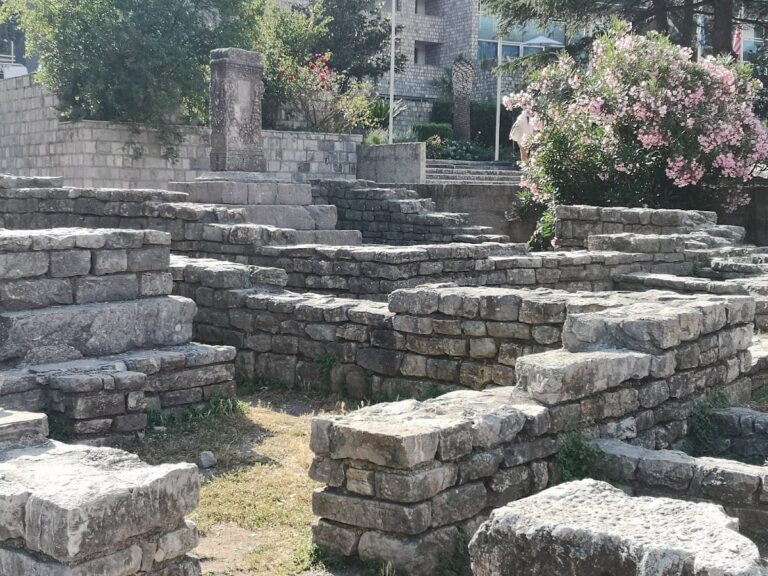
Stari Grad is organized as a fortified historic center surrounded by stone walls. The defensive enclosure follows a horseshoe-shaped plan, while the Citadel occupies its southern side. Towers, bastions, stairways, loopholes, churches, and museum buildings form the surviving architectural fabric of the old city.
Walls and Citadel
The fortification walls largely retain their fifteenth-century structure. Built of stone, they are reinforced with towers and loopholes, openings used by defenders in medieval fortifications. Access to the walls is through the Citadel. From the fortifications, views extend over the Budva Riviera and the Adriatic Sea. The Citadel itself contains towers, bastions, defensive walls, and stairways, combining the stronghold’s military role with its later cultural uses.
Churches
Cathedral of Saint John the Baptist
The Cathedral of Saint John the Baptist combines Gothic architecture, a medieval European style known for its vertical forms and pointed elements, with Renaissance features that revived classical architectural ideas from the fifteenth century onward. Inside is the icon of Our Lady of Budva, a title for the Virgin Mary represented by a venerated image associated with the city. The icon is regarded as one of Montenegro’s most venerated religious relics.
Church of the Holy Trinity
The Church of the Holy Trinity is built in the Byzantine style, an architectural tradition associated with the Christian Roman Empire and its successors. Its characteristic dome and frescoes by Montenegrin artists define the building, while a small square lies beside it.
Church of Saint Sava
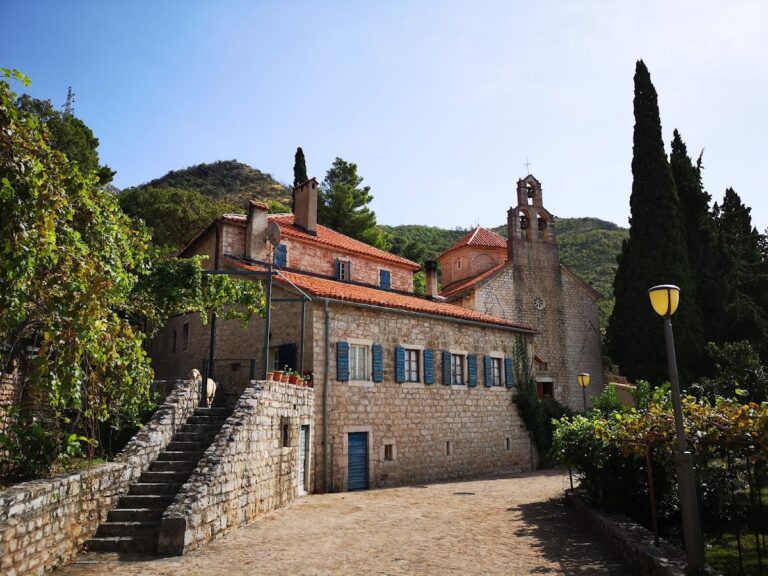
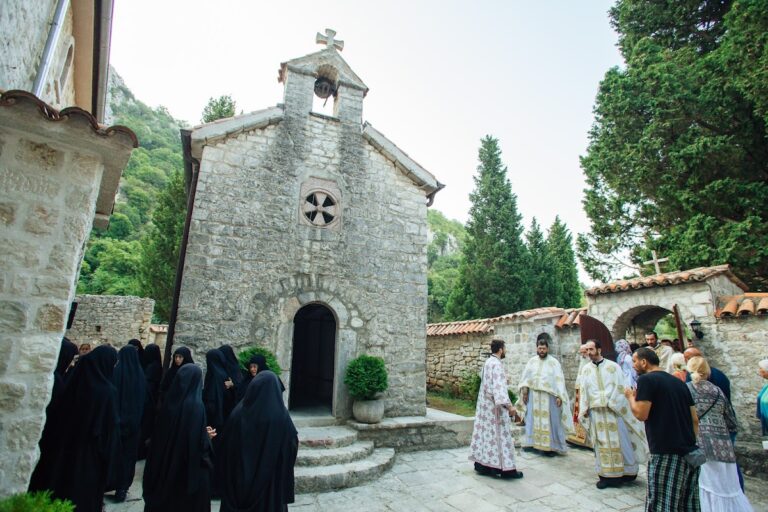
The Church of Saint Sava is a small medieval-style structure incorporated into the fortification walls. Its position within the defenses makes it part of the defensive system as well as the religious architecture of Stari Grad.
Museums and galleries
Archaeological Museum of Budva
The Archaeological Museum occupies a four-story building and presents material from antiquity through the Middle Ages. Ancient coins, pottery, jewelry, weapons, and everyday objects recovered in Budva and its surroundings explain aspects of the area’s past. Particularly valuable holdings include Roman mosaics, decorative compositions made from small pieces of stone, glass, or ceramic, and Illyrian artifacts associated with ancient peoples of the western Balkans. Interactive displays accompany the collections.
Citadel collection
The Citadel’s cultural interiors include a library, a historical exhibition, and a collection of old ships. These features occupy the fortified complex on the southern side of the old city and connect its military architecture with the presentation of Budva’s history.
Gallery of Modern Art
The Gallery of Modern Art contains works representing different currents of modern art by artists from Montenegro and the former Yugoslavia. Its exhibitions, workshops, and festivals add a modern cultural function to the medieval urban complex.
Nearby sites