St Mary’s Church, Studley Royal: A Victorian Memorial Church
Site at a Glance
- Rating
- 4.8
- Popularity
- Medium
- Country
- United Kingdom
- Primary era
- Modern
- Eras represented
- Modern
- Civilizations
- British
- Site type
- Religious
- Remains
- Church
History
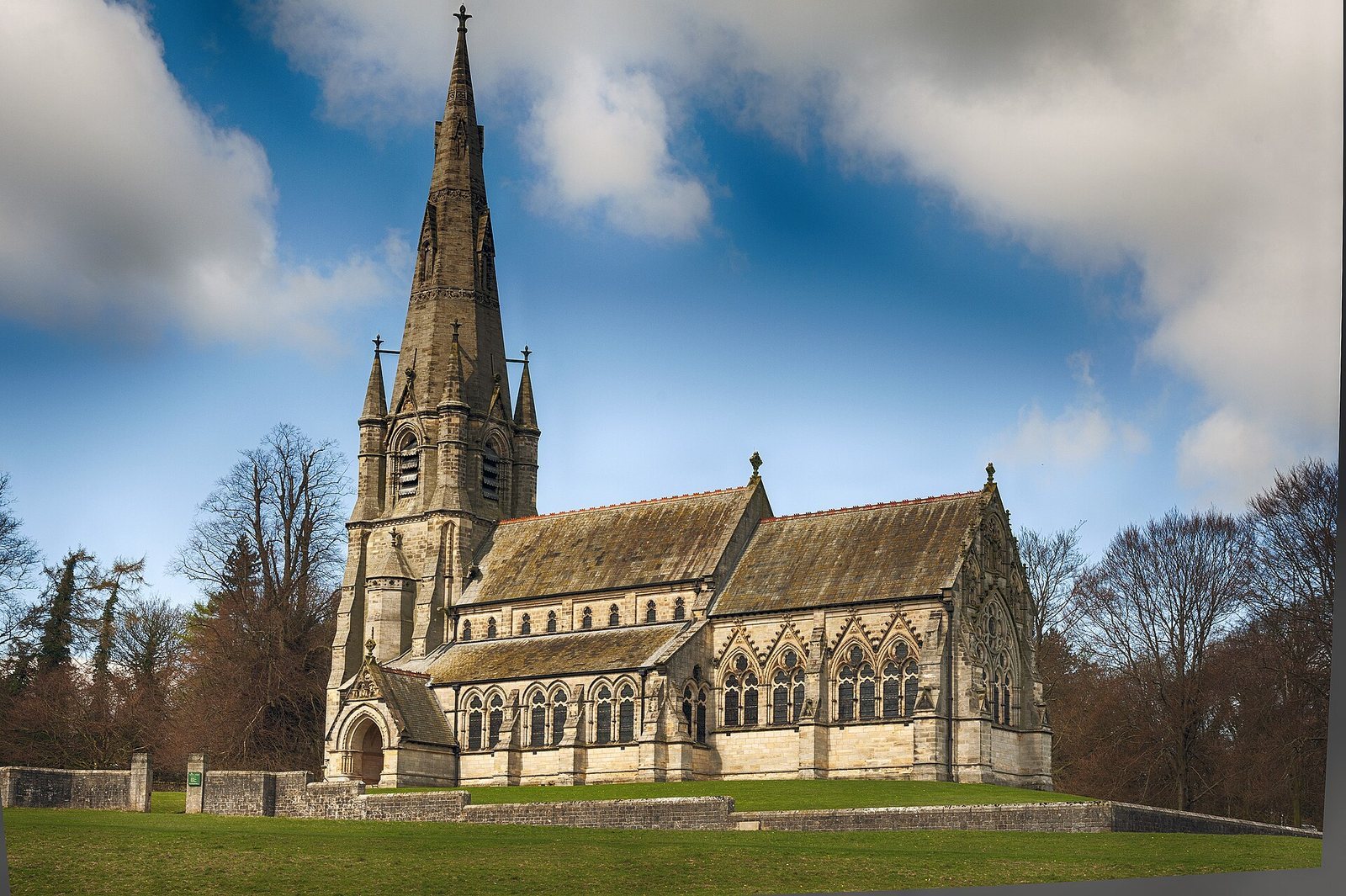
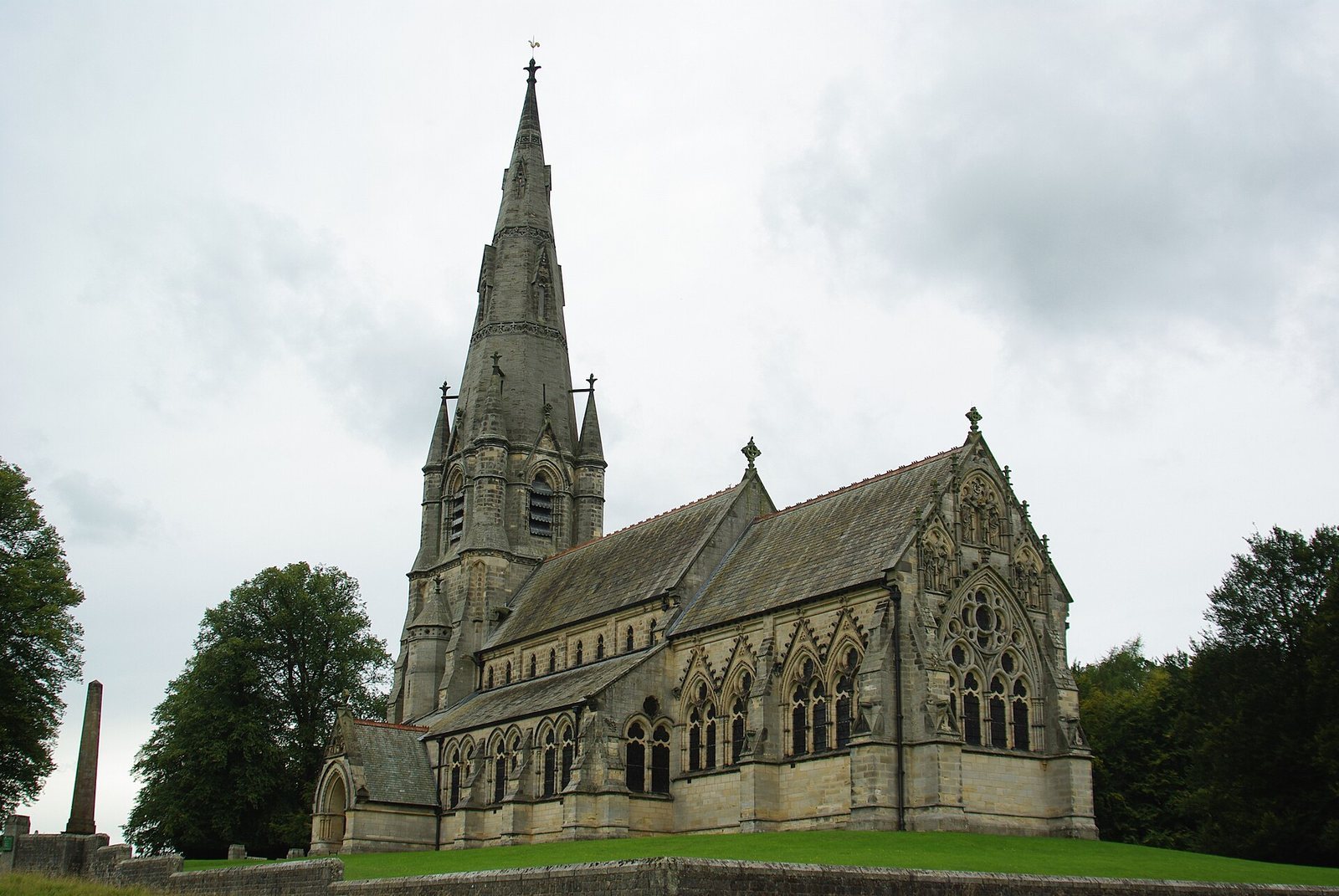
St Mary’s Church, Studley Royal, is an Anglican memorial in North Yorkshire, England, commissioned in 1870 by George Robinson, 1st Marquess of Ripon, for his brother-in-law Frederick Grantham Vyner. William Burges designed it in the Early English style, an early phase of English Gothic, within the Victorian Gothic Revival, a movement that renewed medieval Gothic forms. Construction began in 1871, and the church was consecrated in 1878.
Vyner was kidnapped and murdered by Greek bandits in 1870 in the killings known as the Dilessi massacre. The bandits demanded a substantial ransom, part of which had been raised before his death. His mother, Lady Mary Vyner, and sister, Lady Ripon, used the unspent money to build two memorial churches on their Yorkshire estates: St Mary’s and the Church of Christ the Consoler at Skelton-on-Ure.
Burges’s appointment may have been influenced by Vyner’s friendship at Oxford with John Crichton-Stuart, 3rd Marquess of Bute, a Scottish aristocrat and art patron who was Burges’s principal patron. The church’s design turned from the early French Gothic forms Burges preferred toward English forms.
St Mary’s was listed Grade I on 6 March 1967, placing it in England’s highest listed-building category. It is also within the 1986 UNESCO World Heritage inscription for Studley Royal Park, which includes the ruins of Fountains Abbey and was inscribed under criteria (i) and (iv).
Remains
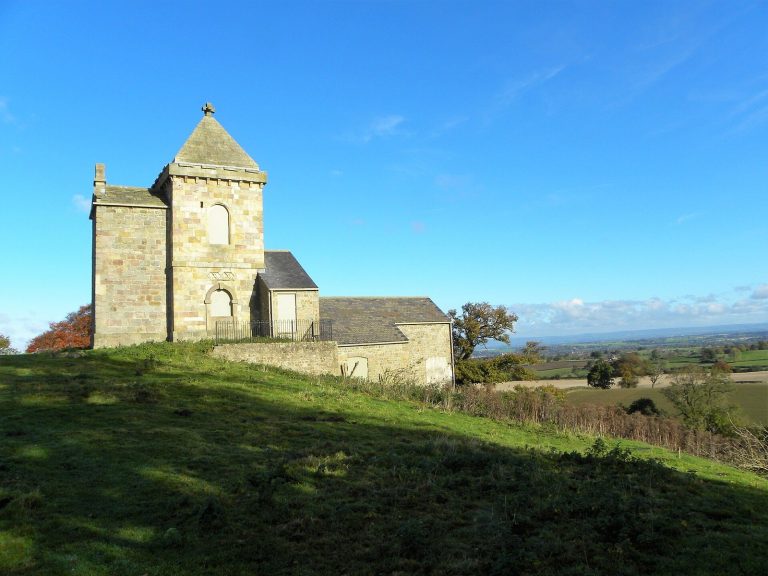
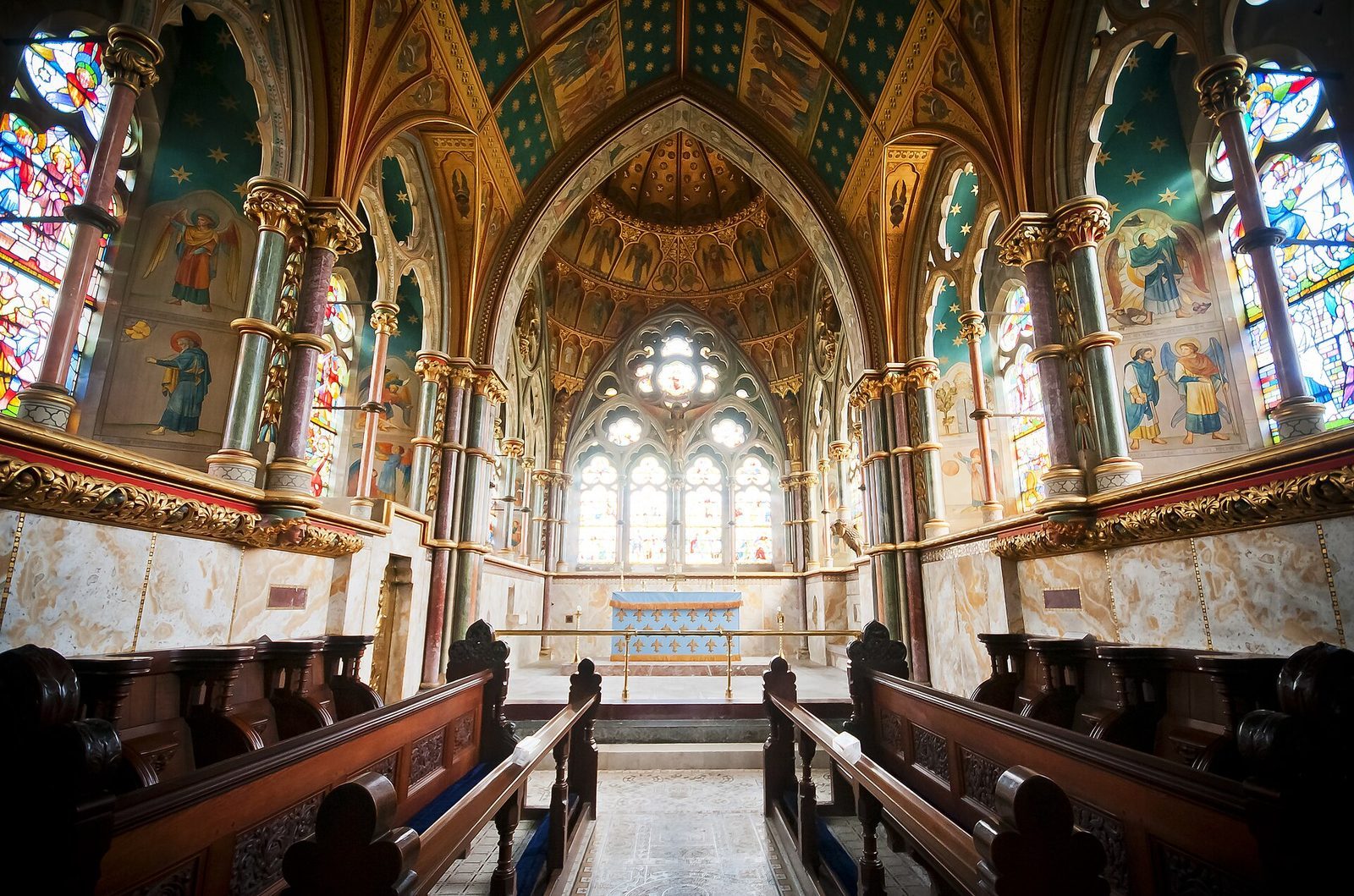
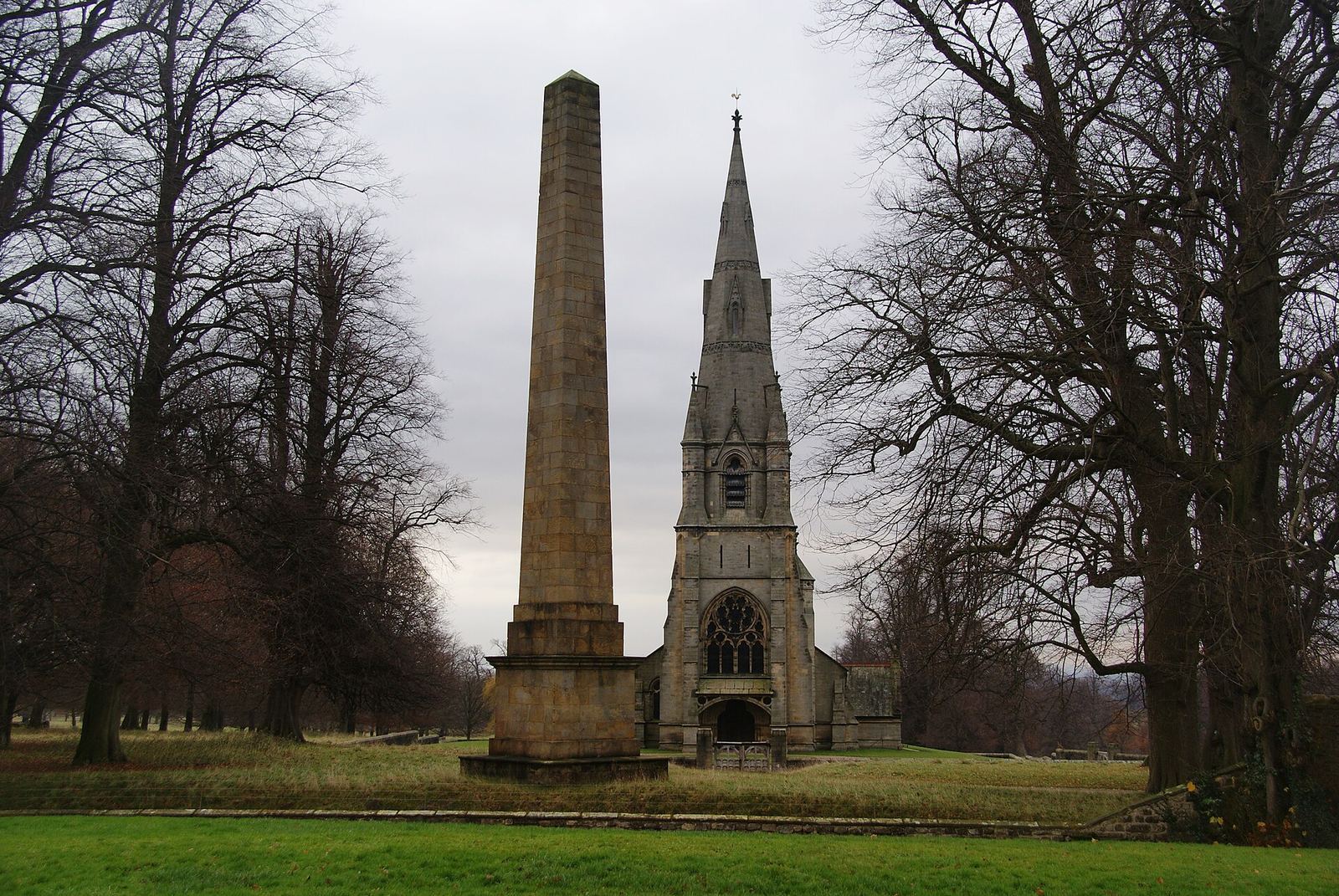
The church stands in the grounds of Studley Royal Park, near the ruins of Fountains Abbey. Its Early English design belongs to the Victorian Gothic Revival. The interior is described as rich and majestic, with stained-glass windows particularly noted for their quality. Frederick Weekes designed the glass, which Saunders & Co. made, while Thomas Nicholls produced the sculpture.
Architectural historian Nikolaus Pevsner saw the church as a Victorian-era vision of Early English grandeur. It has also been called Burges’s ecclesiastical masterpiece. A nearby chestnut tree may be a remnant of a medieval tree-planting scheme.