Fountains Hall: A Country House in Studley Royal Park
Site at a Glance
- Popularity
- High
- Country
- United Kingdom
- Primary era
- Early Modern
- Eras represented
- Early Modern, Modern
- Civilizations
- British, English
- Site type
- Domestic
- Remains
- Elite Residence
On this page9 sections
History
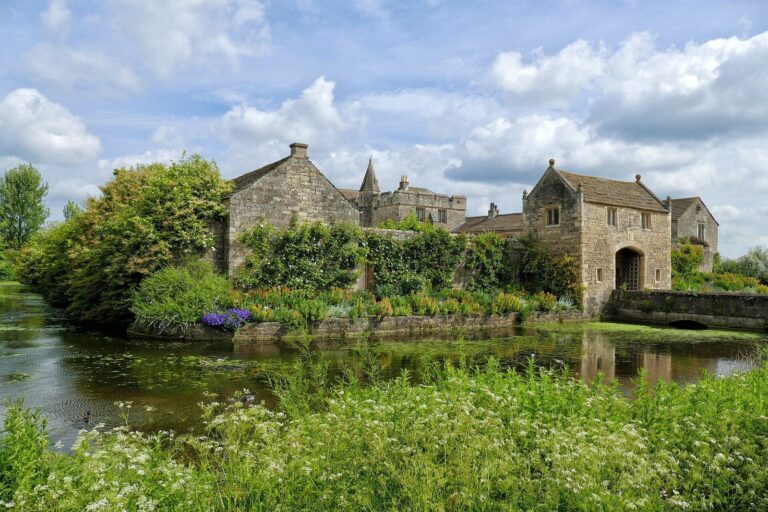
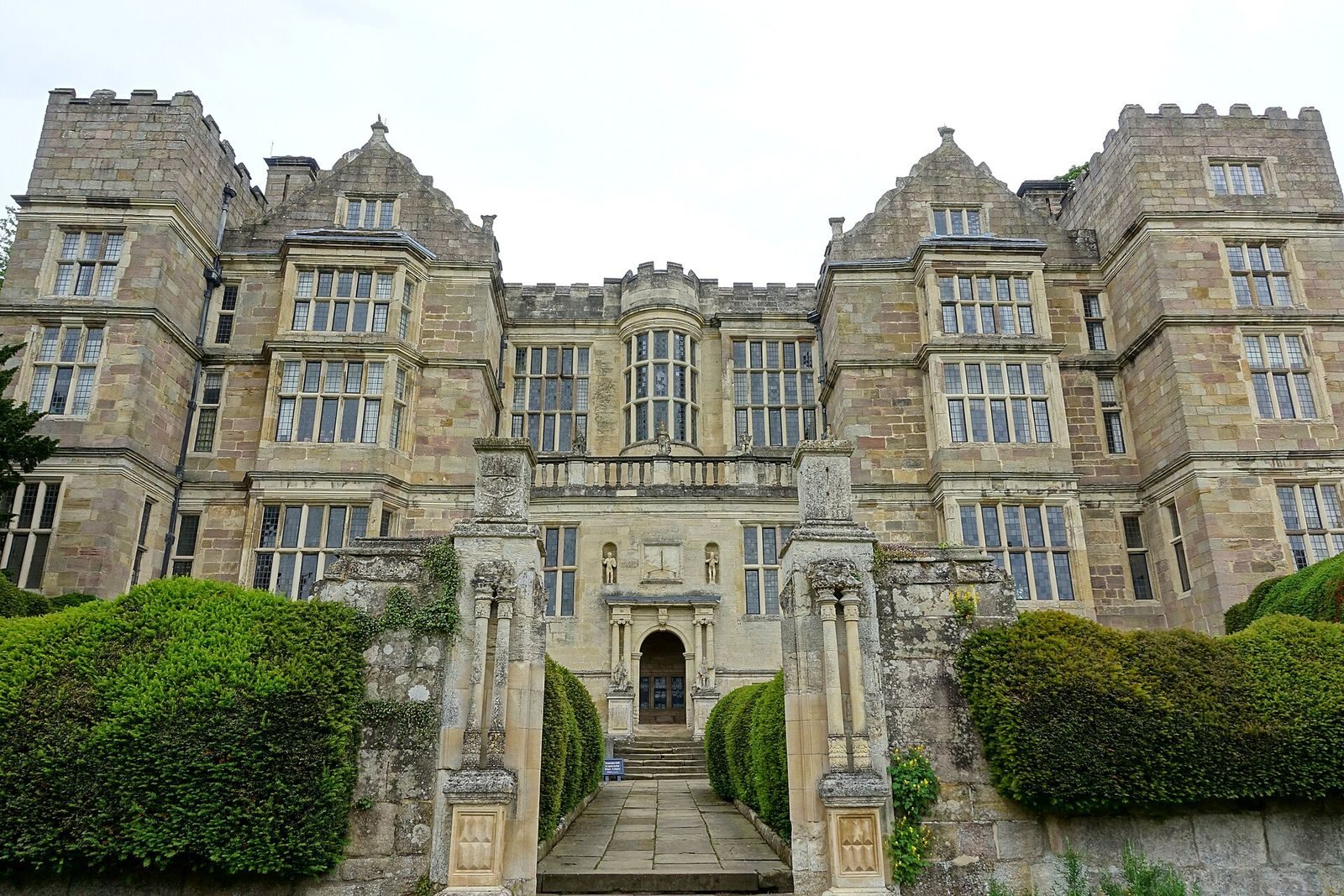
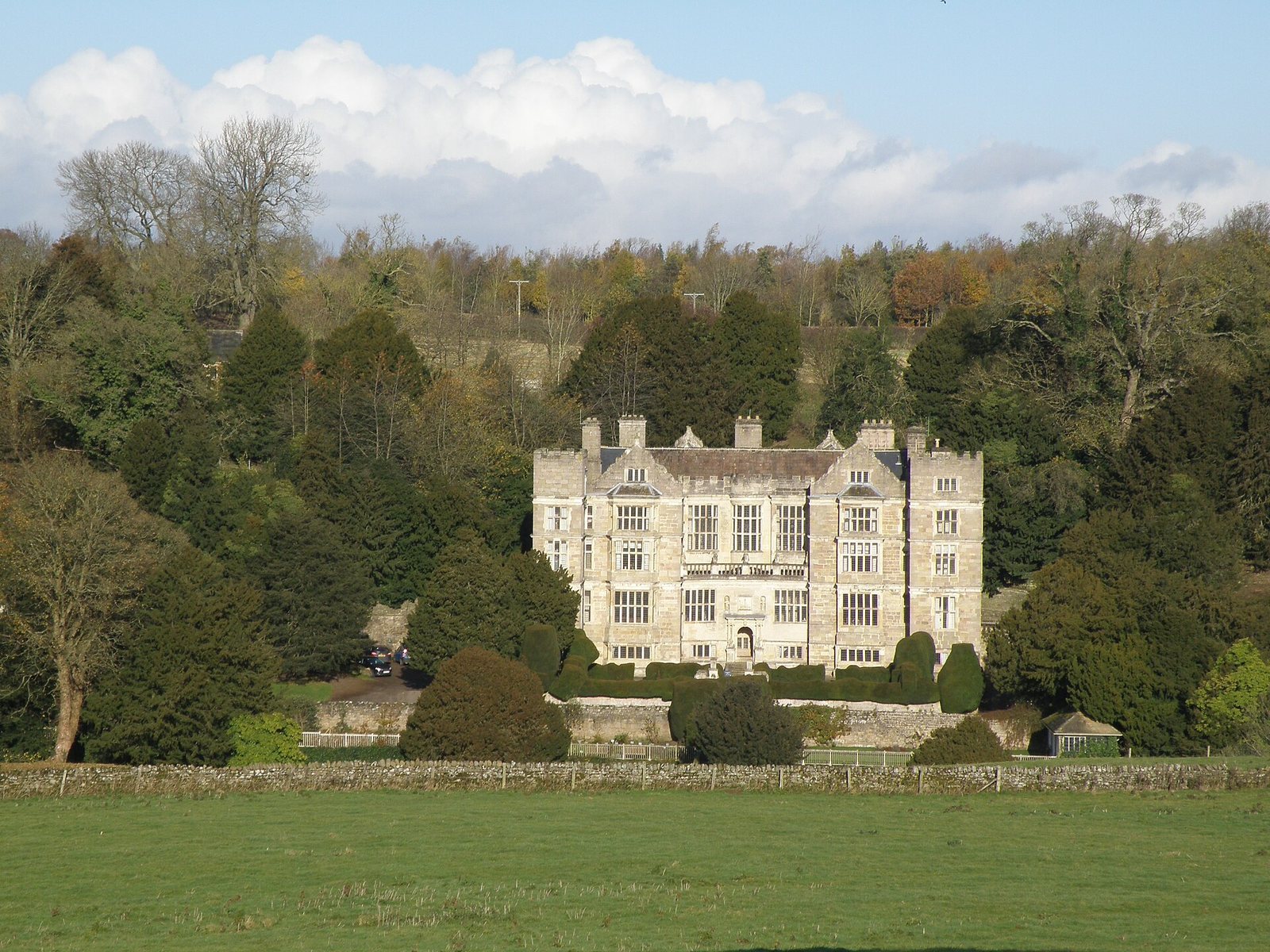
Fountains Hall stands near Ripon in the United Kingdom, within Studley Royal Park. Sir Stephen Proctor built it around 1600, during the reign of Elizabeth I, as a late Elizabethan prodigy house: an elaborate country residence intended to display its owner’s status and offer hospitality.
Proctor and the royal visit
In July 1604, Prince Charles, later King Charles I, stopped at the hall while travelling from Dunfermline Palace to London. The visit was disrupted by Proctor’s dispute with his neighbour, Sir John Yorke.
Later ownership and estate use
After Proctor died in 1619, his widow Honor lived at Cowling Hall with their daughter. Fountains Hall passed to the Messenger family, who sold it about 150 years later to William Aislabie of neighbouring Studley Royal. Because the Aislabies lived at Studley Royal, the hall became redundant. Tenants occupied it, and it was sometimes used to store farm equipment.
The Vyners and wartime use
The Vyner family renovated and modernised the house between 1928 and 1931. The Duke and Duchess of York, later King George VI and Queen Elizabeth, regularly stayed there as guests of Lady Doris Vyner.
During the Second World War, Studley Royal became the wartime home of Queen Ethelburga’s School, which came from Harrogate, and Fountains Hall housed its sanatorium. The Vyner family lost Elizabeth, who died while on service, and Charles, who was reported missing in action. On 9 April 1953, Queen Elizabeth, the Queen Mother, unveiled a memorial to them at the hall.
Postwar decline and conservation
After the war, the hall fell into disrepair again. The National Trust, a UK conservation charity, acquired the Fountains Estate from North Yorkshire County Council in 1983 and later restored the house. Part of the building was divided into flats. Fountains Hall was listed Grade I in 1952, and Studley Royal Park and its associated features were inscribed as a UNESCO World Heritage Site in 1986.
Remains
Main house
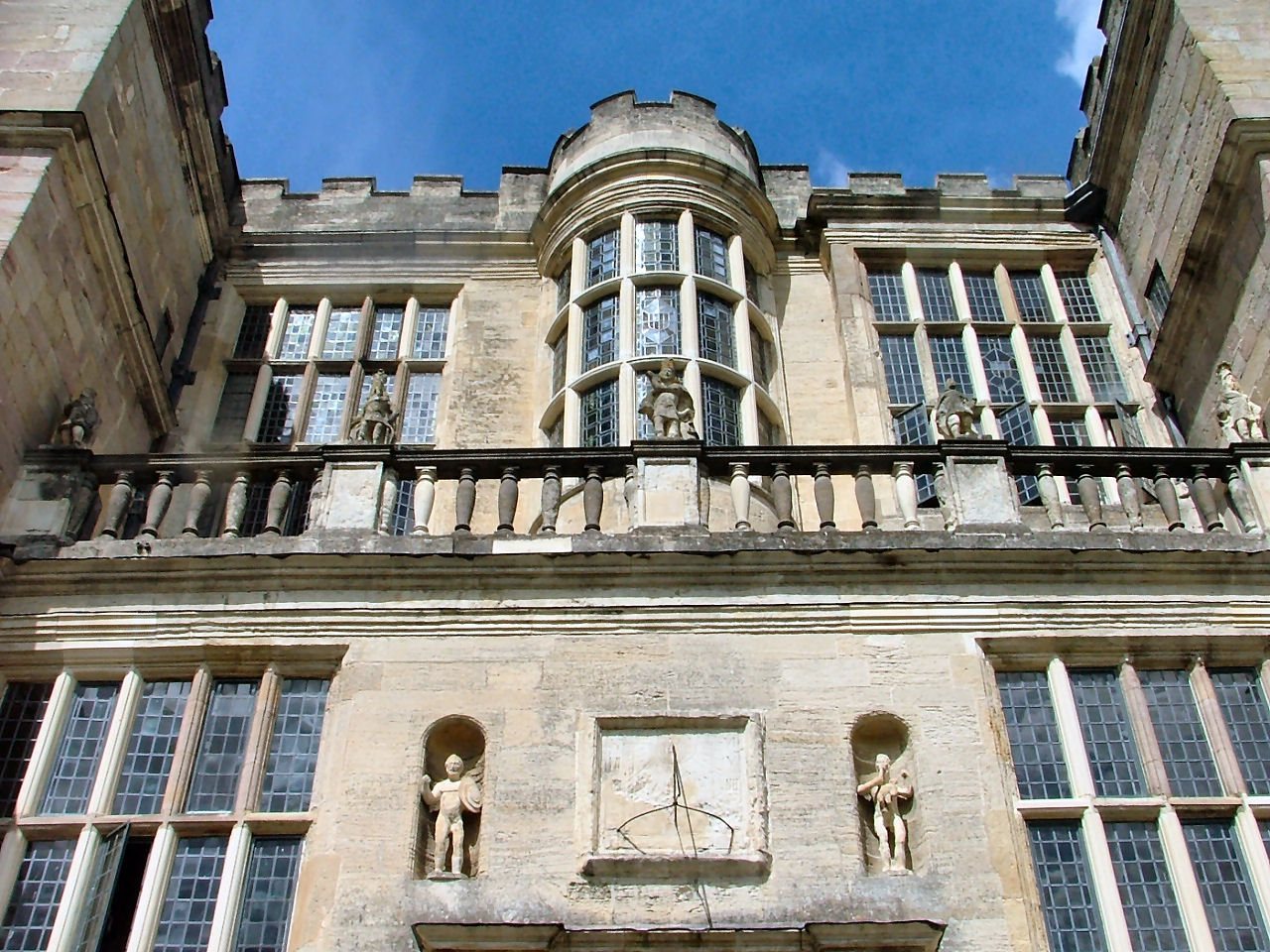
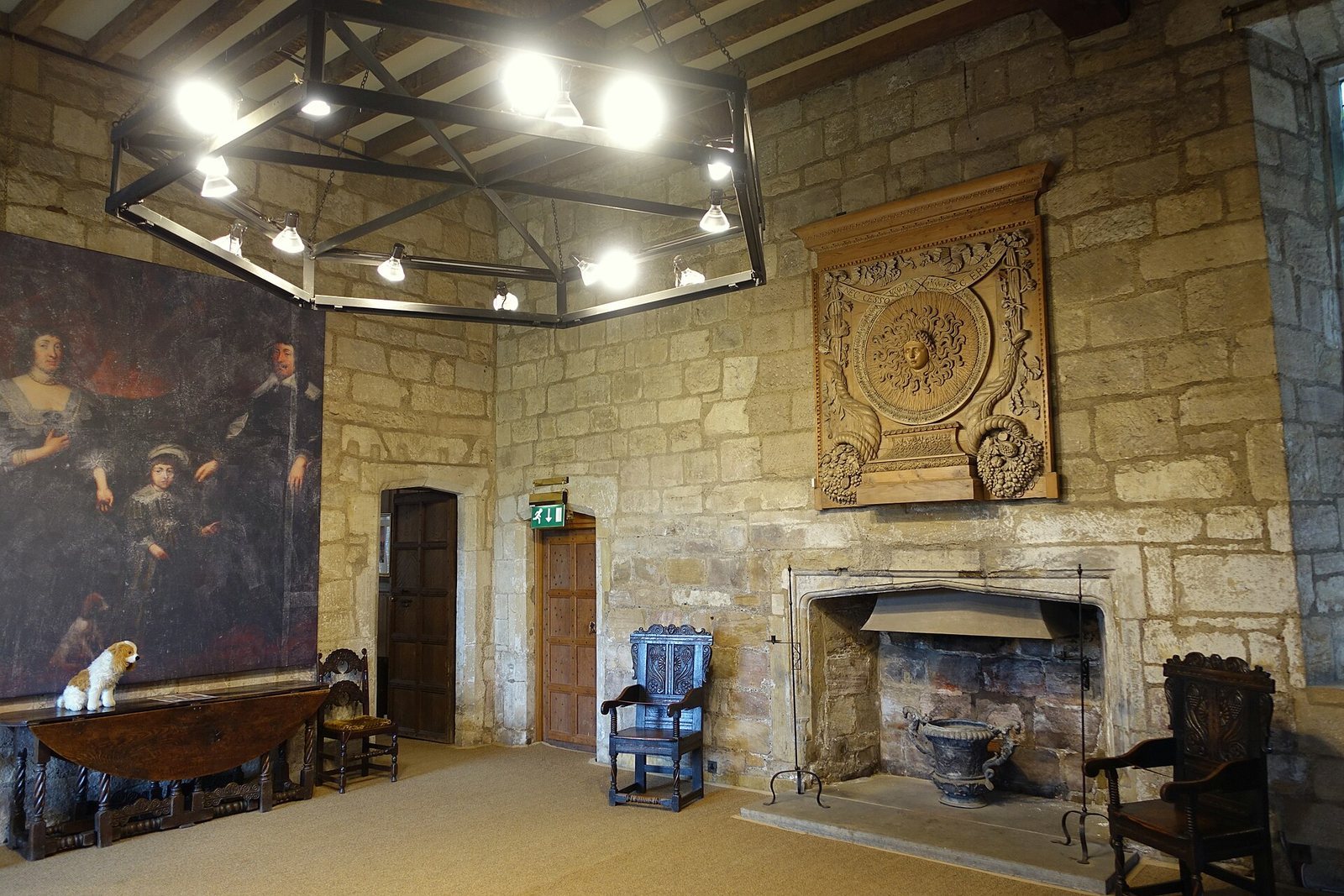
The house combines Elizabethan and Jacobean features, associated with the reigns of Elizabeth I and James I, and its design may have been influenced by the country-house work of architect Robert Smythson. Grey limestone walls and a stone-slate roof form a three-bay central block, two storeys above a basement, with projecting gabled wings rising four storeys above their basements. A five-storey tower projects at each end. Some of the stone was reused from Fountains Abbey. Inside, the oak-panelled Stone Hall adjoins an exhibition room. The house also has a balcony, reached by a staircase considered unsafe for public use.
Stable block and courtyard
The stable block and courtyard are associated buildings. During the Second World War, the buildings served as dormitories, and a chapel occupied one corner of the courtyard. The Archdeacon of Ripon, a senior Anglican cleric, led regular Sunday Evensong there, an evening service traditionally sung.
Vyner memorial
Beside the stone steps, a stained-glass window and stone memorial commemorate Elizabeth and Charles Vyner. The inscription identifies the house as the place from which they went to war and asks those returning home to carry a message about their sacrifice for the future of others. Elizabeth served in the Women’s Royal Naval Service, a wartime service for women in the British naval establishment. She died of lethargic encephalitis at Felixstowe on 3 June 1942, aged 18. Her brother, Charles De Grey Vyner, was a Sub-Lieutenant (A), an officer with an air-branch designation, in the Royal Naval Volunteer Reserve, a reserve branch of the Royal Navy. He was reported missing during air operations off Rangoon on 2 May 1945, aged 19. John Seely, 2nd Baron Mottistone, and Paul Edward Paget designed the memorial; sculptor Cecil Thomas and stained-glass artist Hugh Easton made it.