All Saints Church in Oxford: Anglican Church and College Library
Site at a Glance
- Popularity
- Medium
- Country
- United Kingdom
- Primary era
- Early Modern
- Eras represented
- Medieval, Early Modern, Modern
- Civilizations
- British, English
- Site type
- Religious
- Remains
- Church
On this page7 sections
History
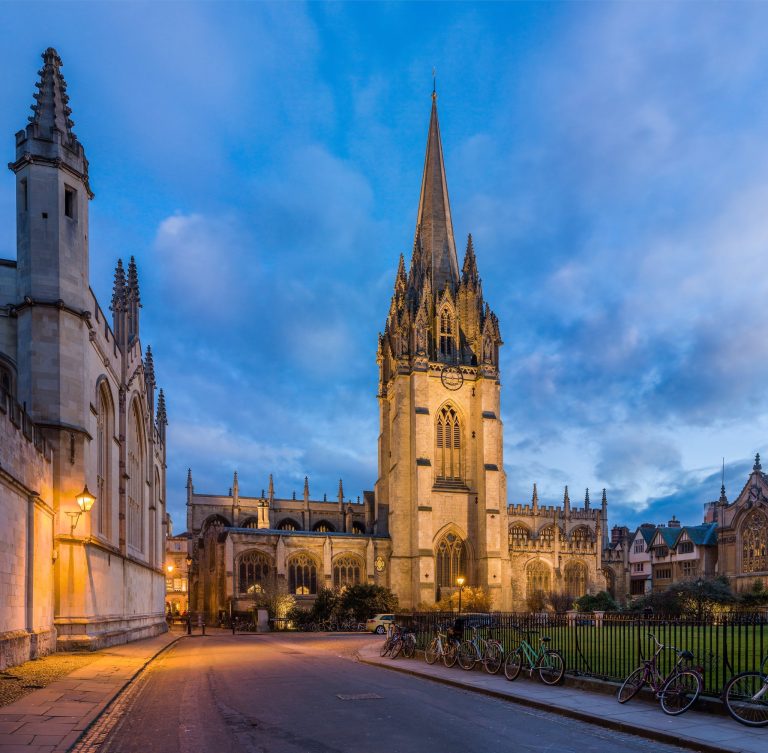
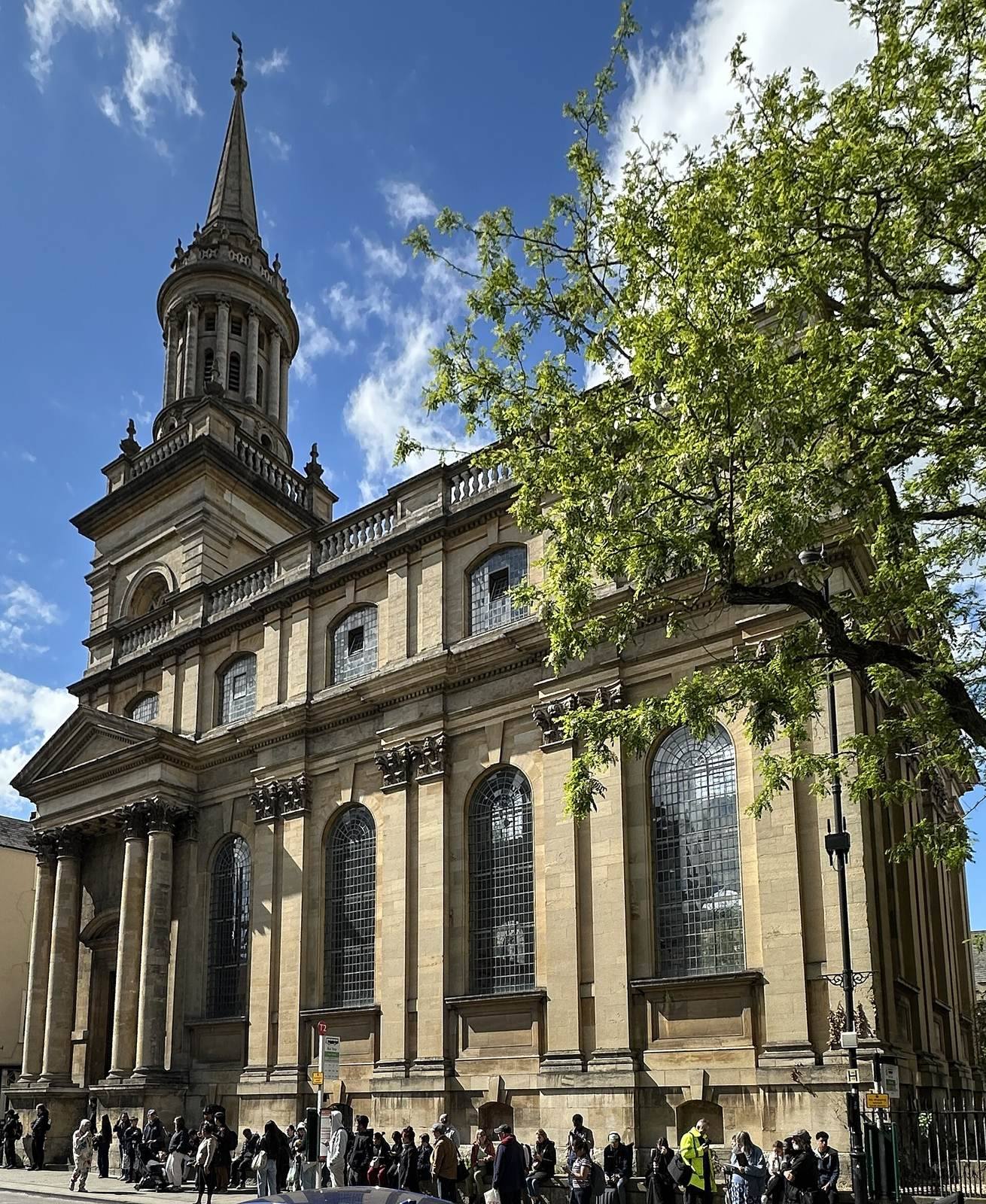
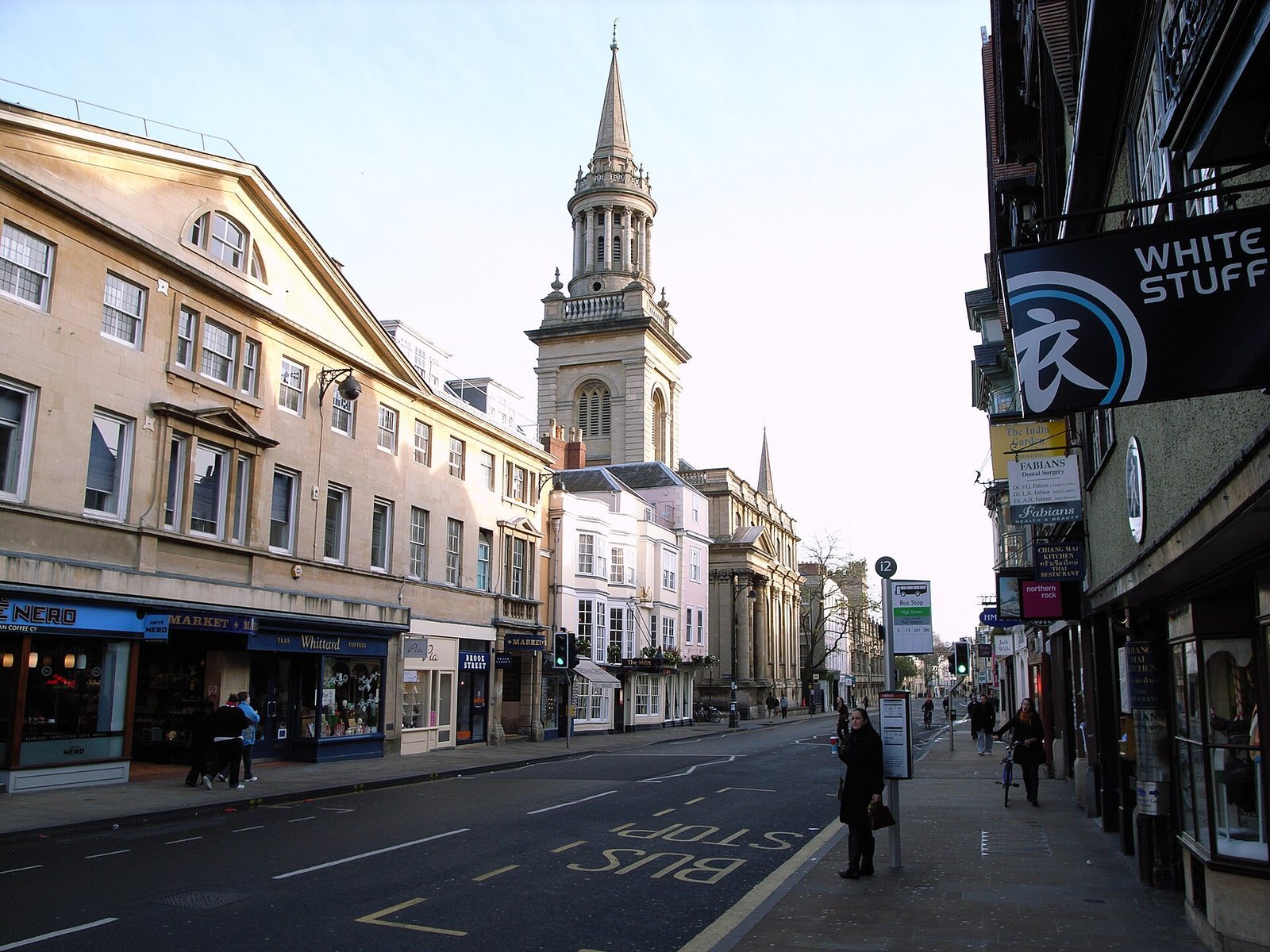
All Saints Church in Oxford is an Anglican church on the north side of the High Street at the corner of Turl Street in the United Kingdom. Founded in 1122, it was rebuilt in 1720 in English Baroque style, a British form of Baroque architecture known for monumental compositions and classical detailing.
Rebuilding after the collapse
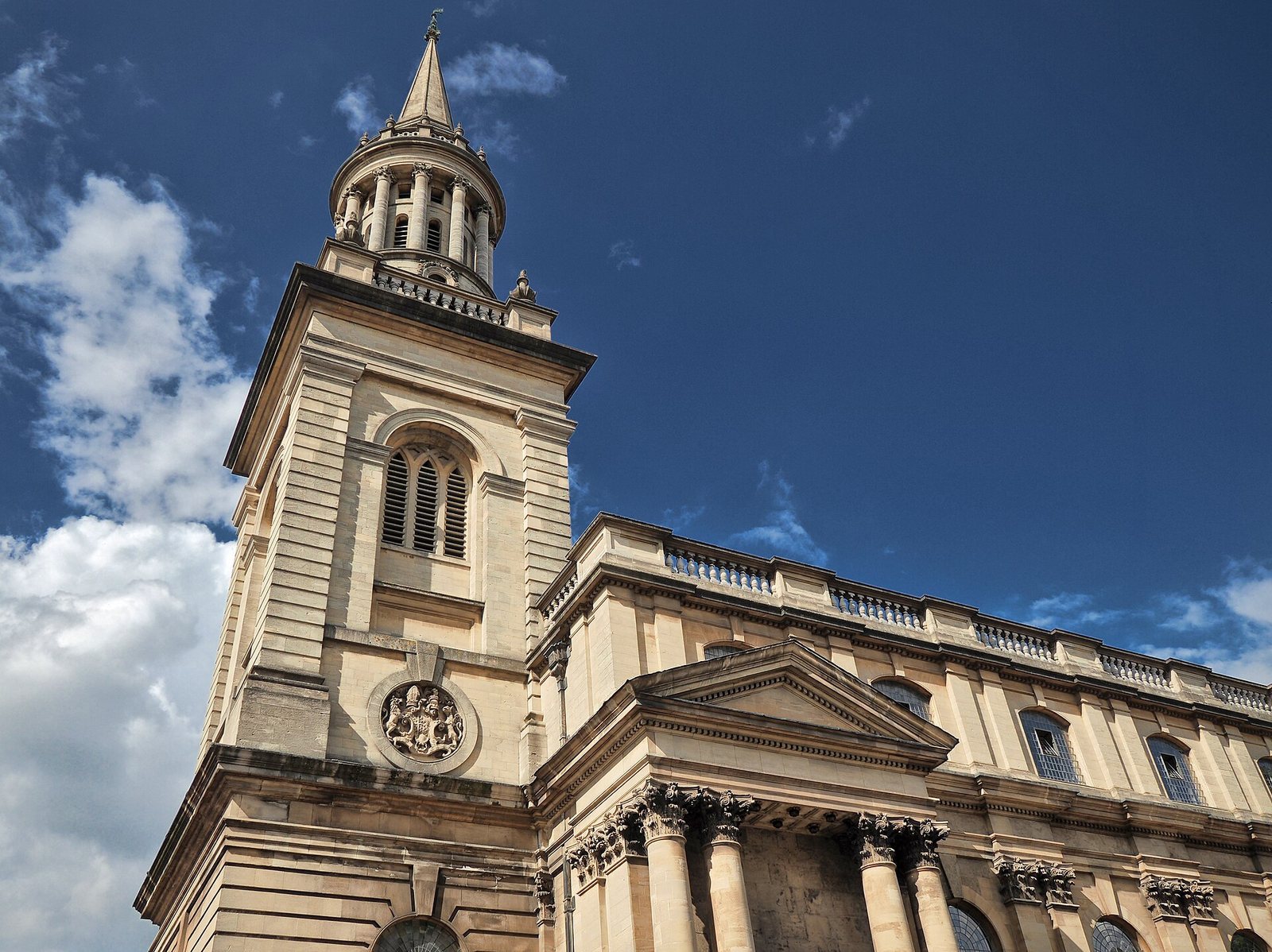
On 8 March 1700, the church’s spire collapsed and destroyed most of the building. An appeal raised money for its replacement, with donations coming from most of Oxford’s colleges and from Queen Anne. The rebuilding was costly. Henry Aldrich, Dean of Christ Church, designed the new church, while Nicholas Hawksmoor is believed to have designed its tower and spire.
City church and college library
After St Martin’s Church at Carfax was demolished in 1896, apart from its tower, All Saints became Oxford’s official City Church. The mayor and corporation were expected to worship there. In 1946, a Union Jack that had covered the coffins of prisoners of war at Batu Lintang camp in Sarawak, Borneo, was placed in the church with two wooden memorial plaques. The flag and plaques were later transferred to Dorchester Abbey.
All Saints received Grade I listed status on 12 January 1954, the highest category of listed-building protection in England. In 1971, the church was declared redundant and deconsecrated. Its City Church role moved to St Michael at the North Gate, and the building passed to Lincoln College, immediately to its north. Following conversion, it opened as the college library in 1975.
Remains
The church stands at the High Street and Turl Street corner. Its English Baroque building was designed to seat 350 people. Four bells from the original church survived the spire’s collapse; the library now has a complete set of eight bells.
Library interior
Reading rooms
The main alteration for the library conversion was raising the original floor by more than four feet to create lower reading rooms. These include a science library named for Howard Florey, a former Lincoln College Fellow whose work helped develop penicillin and earned him the Nobel Prize in Physiology or Medicine, and a senior library holding older books.
Cohen Room
The upper reading room, known as the Cohen Room, has a plastered ceiling. Its decorations include shields representing major donors to the eighteenth-century rebuilding.